
Knowledges
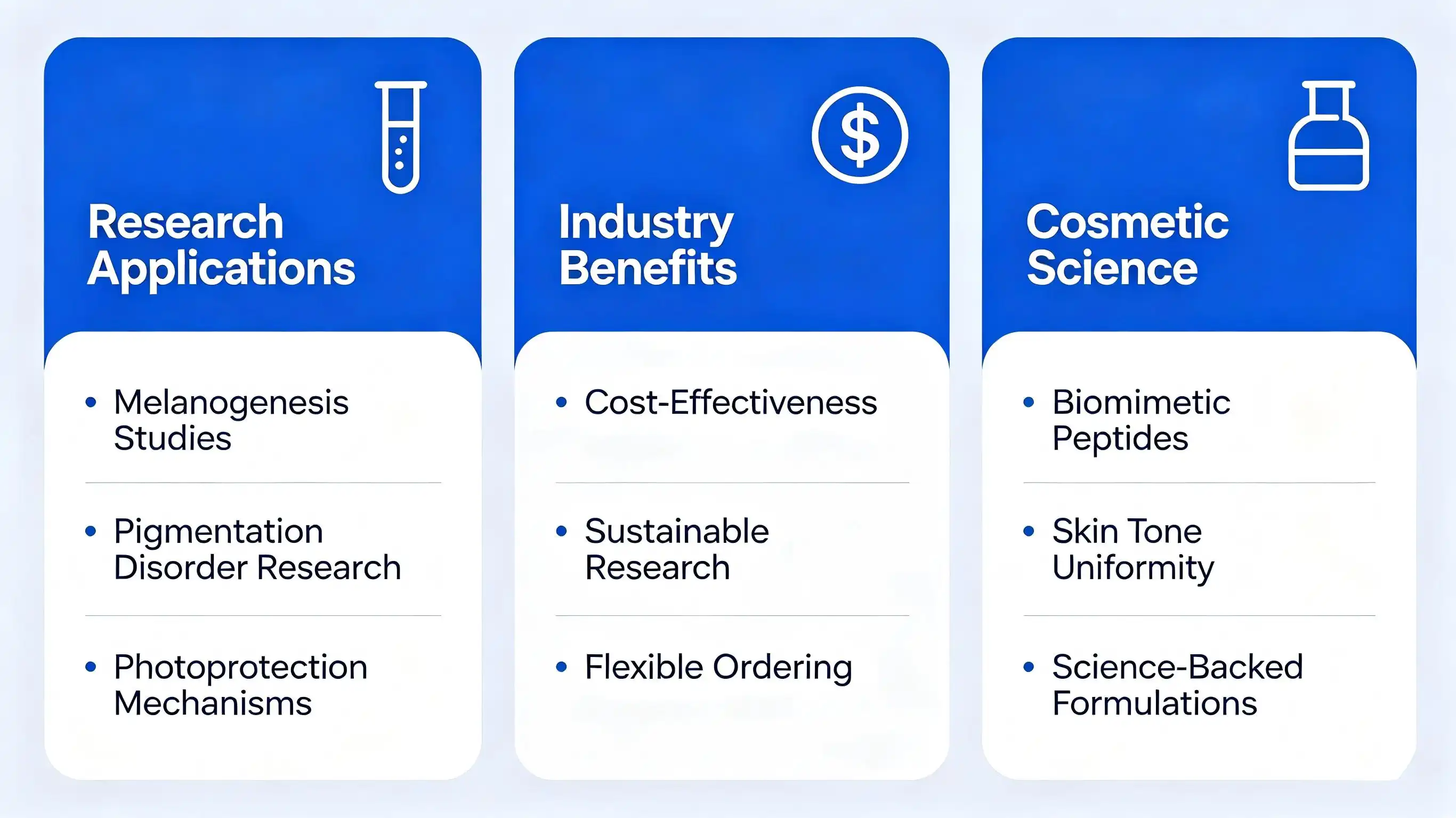
MSH Raw Material for Research: Benefits, Applications, and Peptide Science Overview
A special peptide hormone called melanocyte-stimulating hormone (α-MSH) raw material is needed to study how melanin is made, how color pathways work, and how signaling cascades work inside melanocytes. As a compound suitable for study, MSH raw material helps dermatology scientists, pharmaceutical researchers, and beauty formulators learn more about how skin tans happen, make skincare products that work better, and make peptide-based therapies better. The only place this peptide can be found is in laboratories. It gives important information about how to control melanogenesis, which makes it essential for biotechnology and dermatology science organizations that want to be innovative.VIEW MORE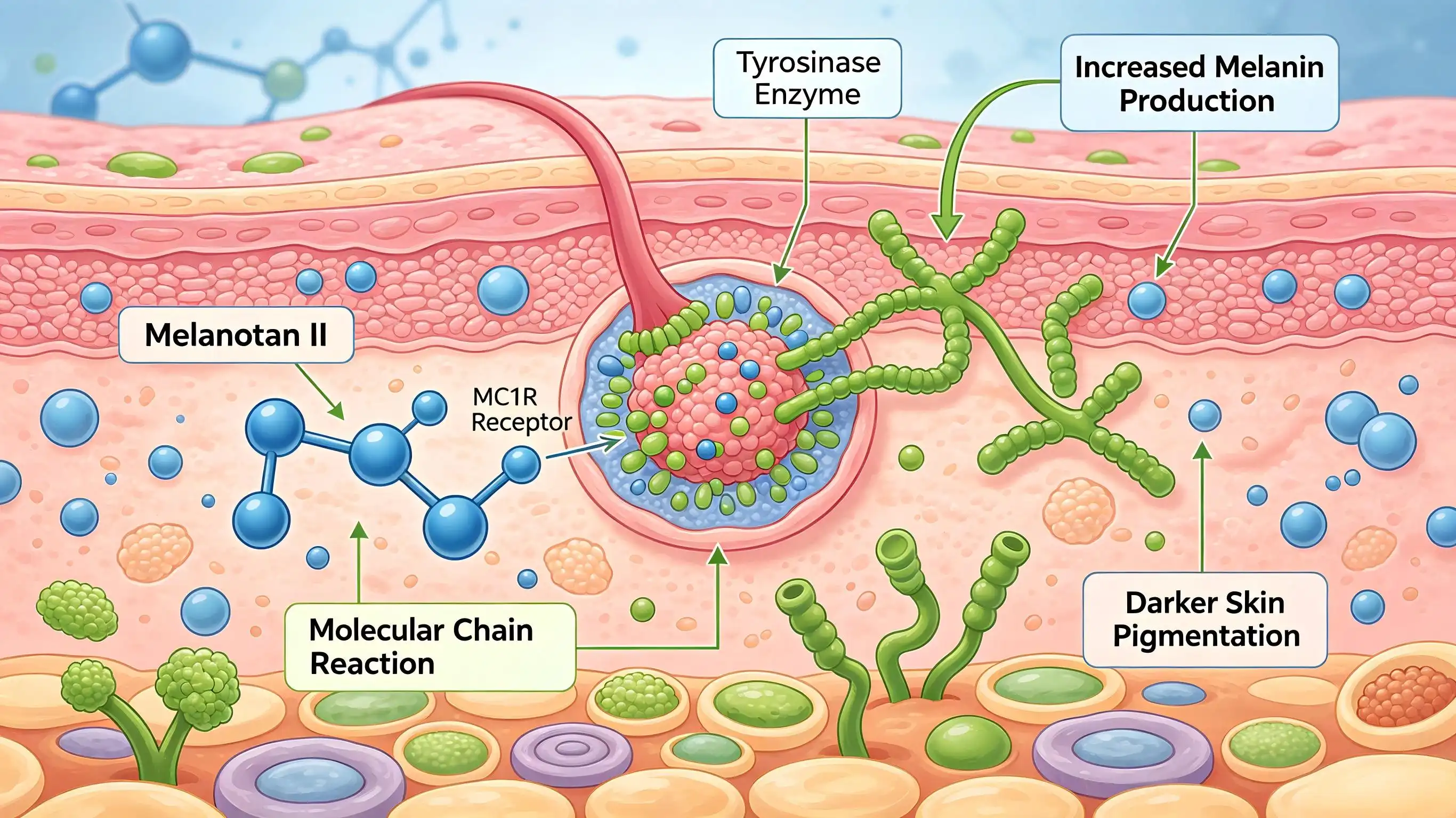
How Does Melanotan II Powder Work? The Science Behind the Melanocortin Peptide
Melanotan II powder works as a man-made version of melanocortin peptide and turns on certain melanocortin receptors in the body, mainly MC1R and MC4R. This artificial peptide acts like α-MSH when it is applied, attaching to MC1R receptors on melanocytes in the basal layer of the skin. This activation of the receptor starts a molecular chain reaction that increases the activity of the tyrosinase enzyme. This speeds up the production and deposition of melanin. The result is darker skin without having to be exposed to UV light. Pharmaceutical research and development teams and formulation experts who are looking at melanocortin peptides for study or cosmetic uses need to understand this receptor-mediated mechanism.VIEW MORE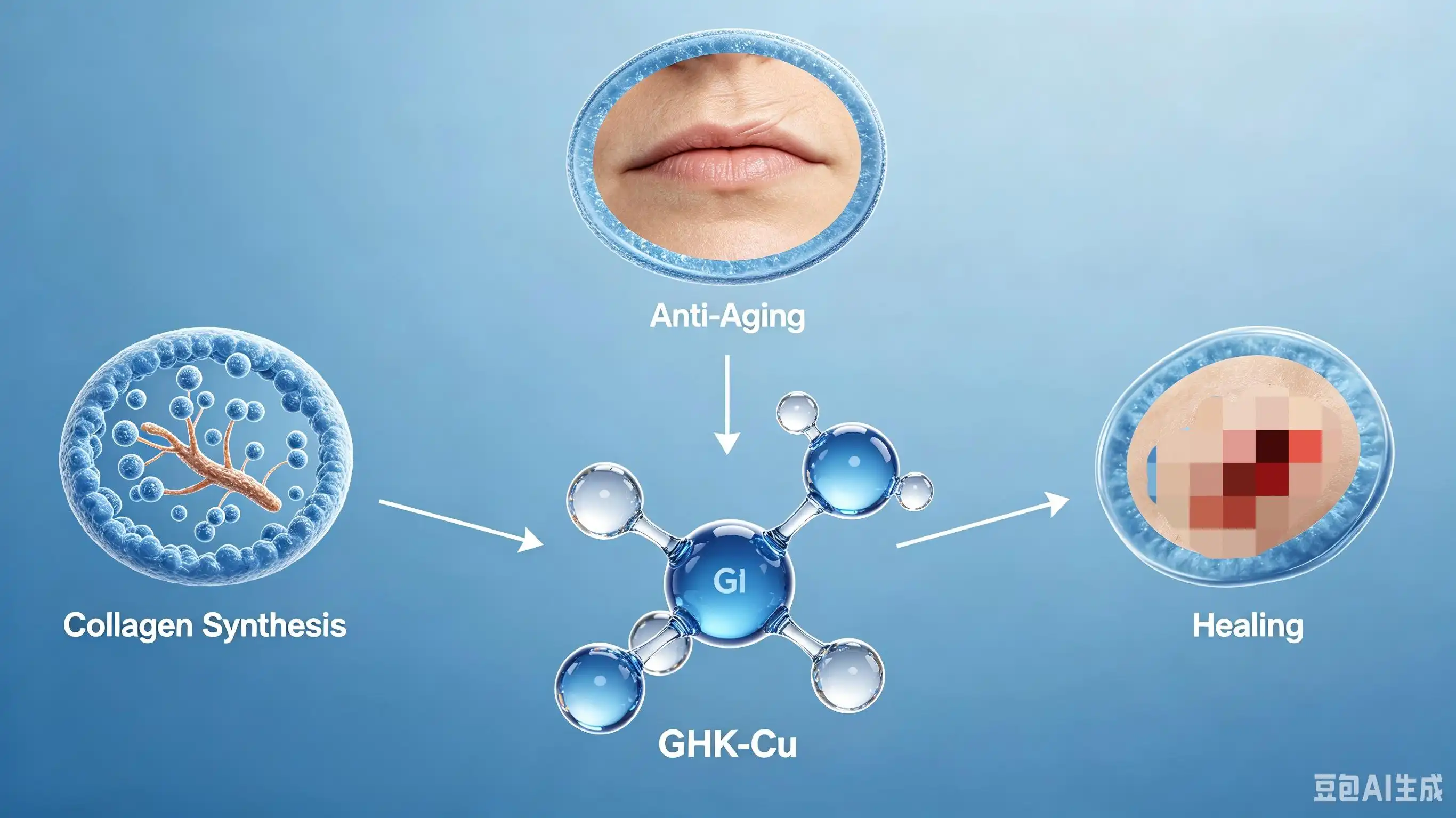
GHK-Cu Peptide: Skin Regeneration, Anti-Aging & Healing
One of the most important ingredients in dermatologist research is Anti-aging GHK-Cu, one of the most scientifically proven molecules for skin repair and regrowth. The Anti-aging GHK-Cu (Anti-aging GHK-Cu, CAS 49557-75-7) was first found in human plasma in the 1970s. It has since become an important part of many medicines, cosmetics, and medical beauty items. The three naturally occurring amino acids glycine, histidine, and lysine are linked to copper ions. This tripeptide meets the most important goals of formulators who want biomimetic products that are safe and work well. Procurement managers, R&D engineers, and quality assurance workers who want to make competitive, legal product lines need to know about Anti-aging GHK-Cu's biological process, how it reacts in formulations, and how to source it.VIEW MORE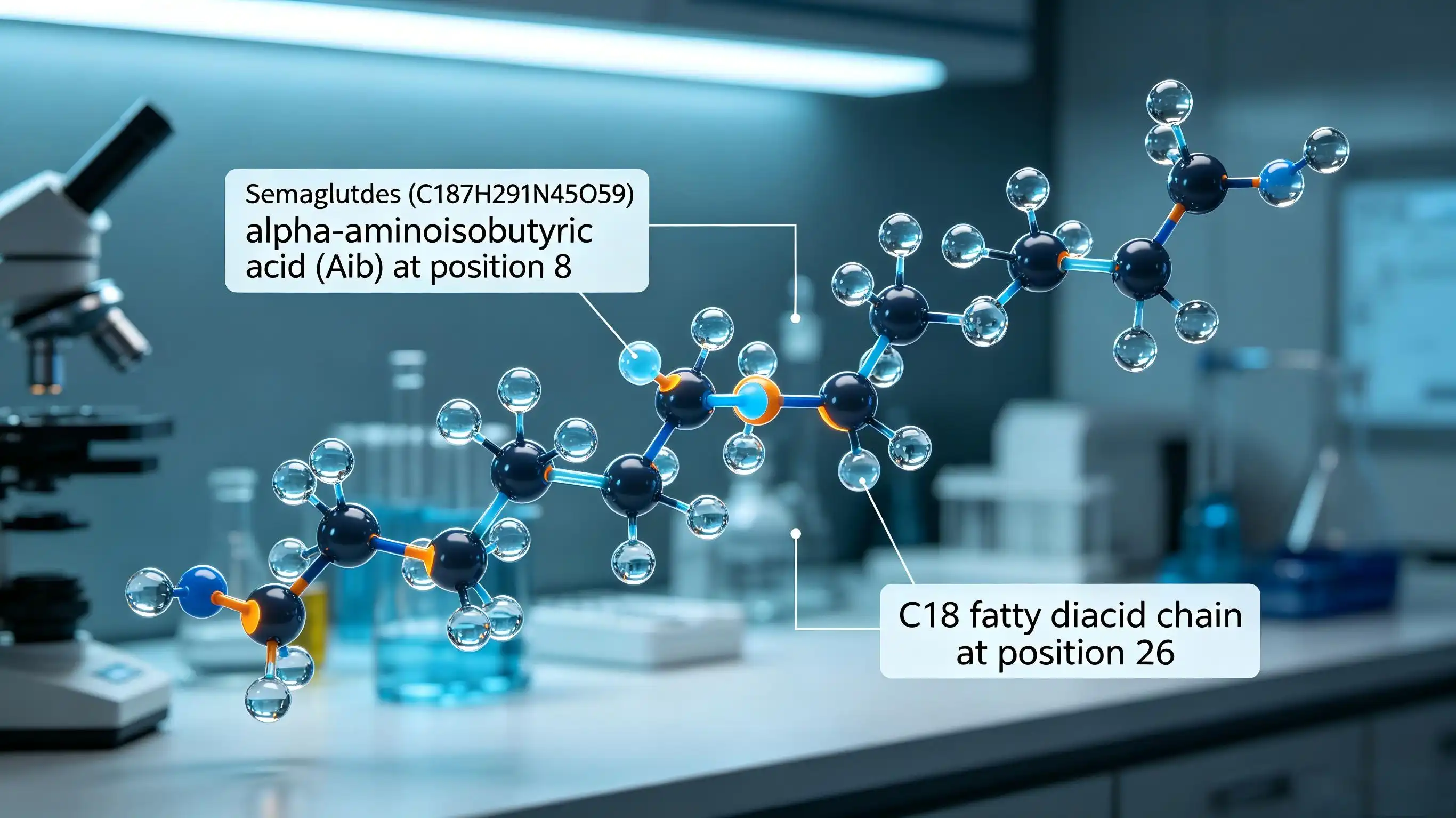
How to use semaglutide powder
To use semaglutide powder, it must first be properly reconstituted in bacteriostatic water in a clean setting, usually an ISO Class 5 laboratory. The peptide, whose chemical formula is C187H291N45O59, needs to be handled carefully between 2 and 8 degrees Celsius to keep its shape. Before reconstituting the powder for injectable forms or adding it to mouth delivery systems with permeation enhancers, procurement professionals must make sure it meets standards for purity of at least 98%.VIEW MORE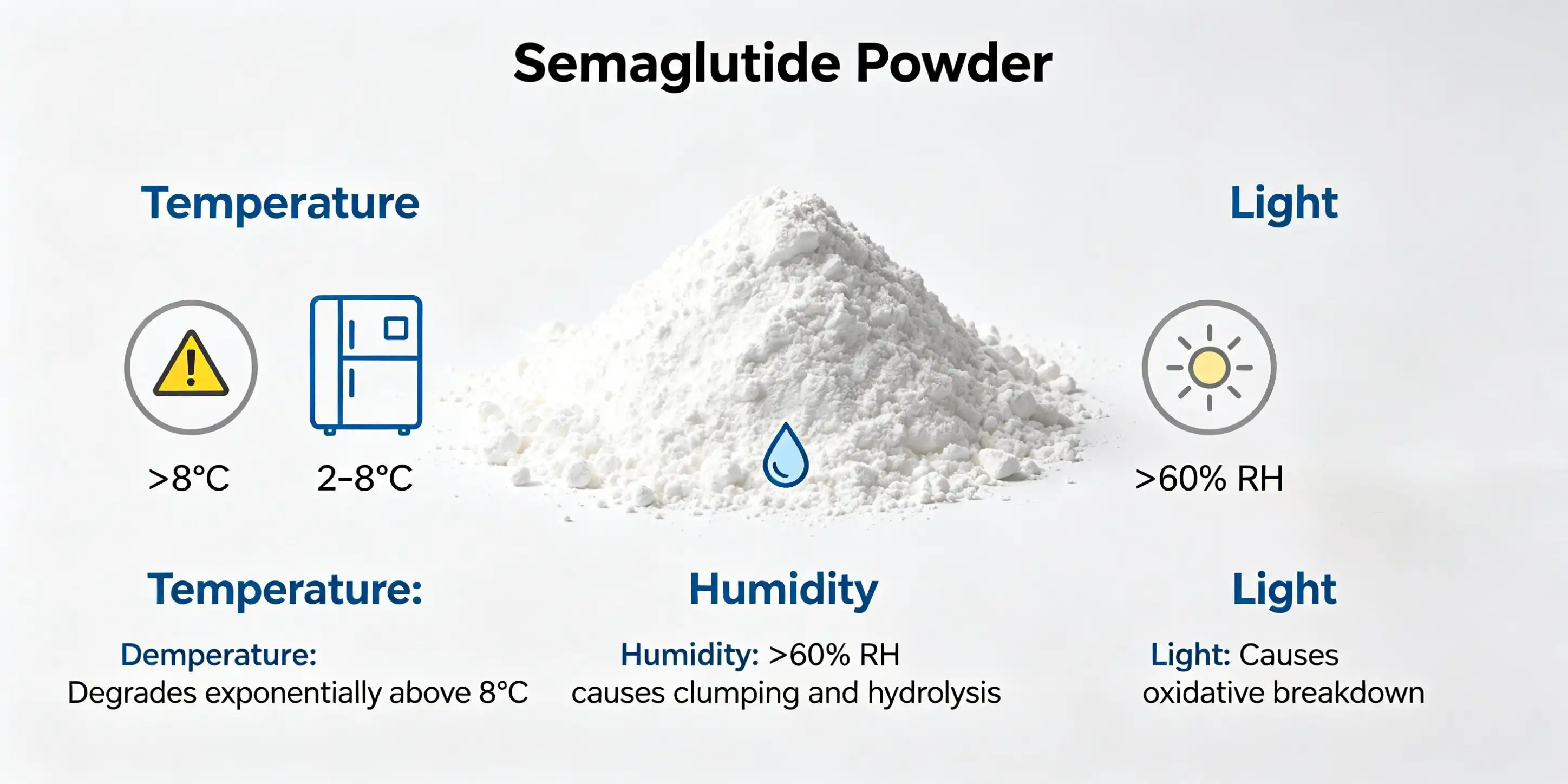
Semaglutide raw powder vs tirzepatide for weight management research
The worldwide problem of obesity has led to breakthroughs in metabolic therapies that have never been seen before. GLP-1 receptor agonists are now seen as game-changing drugs. When buying managers and research and development teams compare semaglutide raw powder and tirzepatide for weight management study purposes, they have to make important choices that go beyond clinical effectiveness.VIEW MORE.webp "Copper Peptides (GHK-Cu) for Skin: Complete Guide 2026")
Copper Peptides (GHK-Cu) for Skin: Complete Guide 2026
Anti-aging GHK-Cu exhibits excellent safety across a wide range of skin types, including sensitive and weakened barrier states, in contrast to aggressive actives like high-concentration retinoids. Dermatological tests show that there aren't many bad responses, and there aren't any signs of photosensitivity or long-term safety issues. This suitability also applies to formulation settings where pH can be changed (though the most stable range is between 5.0 and 6.5). This makes it possible to incorporate into a wide range of product matrices without major reformulation issues.VIEW MORE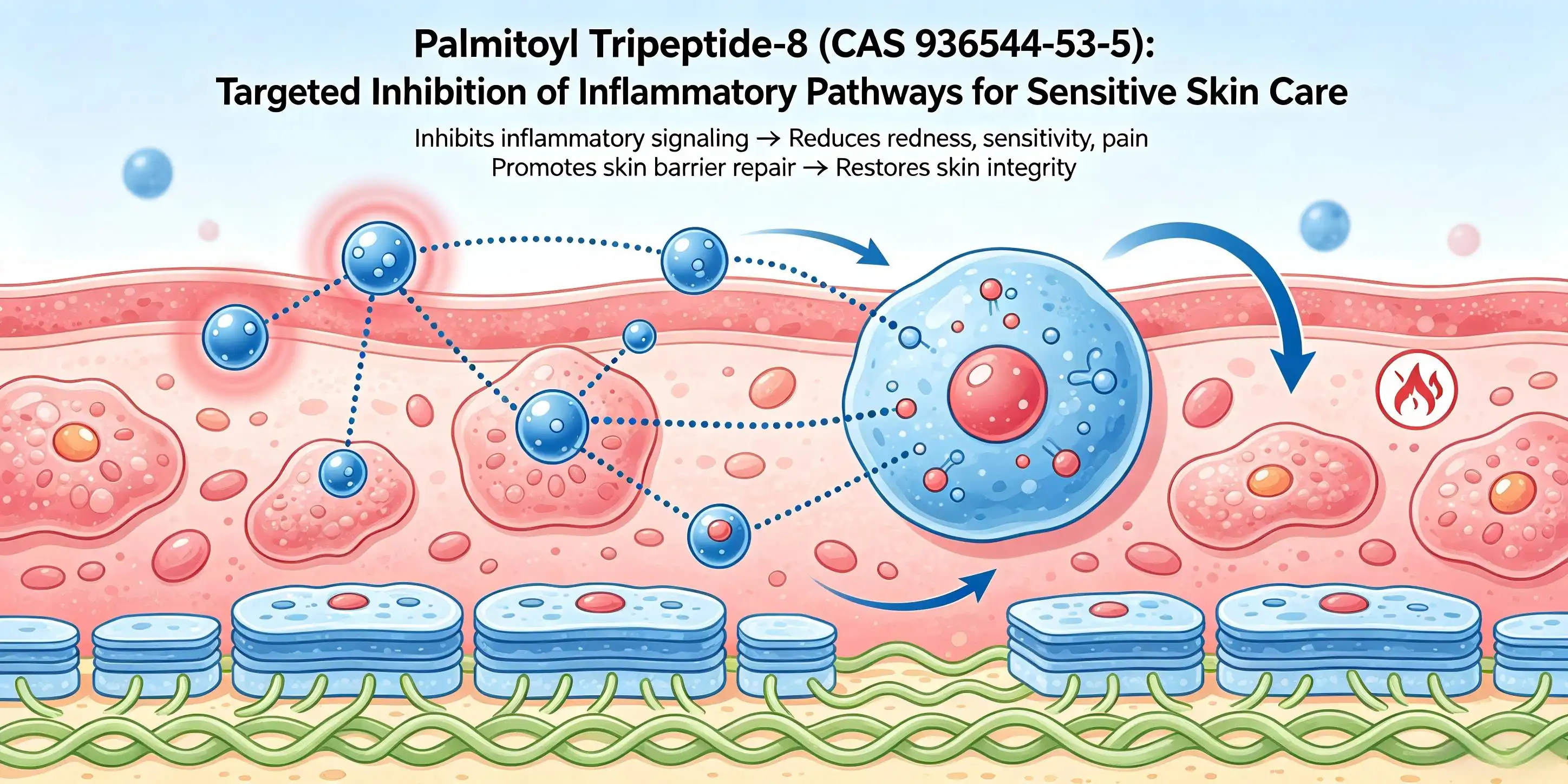
Palmitoyl tripeptide-8 in skincare, What is?
Palmitoyl Tripeptide-8 powder is a new way to treat sensitive skin and slow down the aging process. It is specially made to reduce inflammation and repair the health of the skin barrier. This man-made peptide ingredient, which has the CAS number 936544-53-5, works by targeting the signaling pathways that cause skin to become sensitive, red, and painful. Instead of masking symptoms like other pain killers do, this peptide changes the inflammatory reaction at the cellular level, giving long-lasting relief and defense. As a white, lyophilized powder that meets high purity standards (≥98% by HPLC), it gives formulators a steady, powerful active ingredient that works well in a wide range of skin care products, from serums to barrier repair creams.VIEW MORE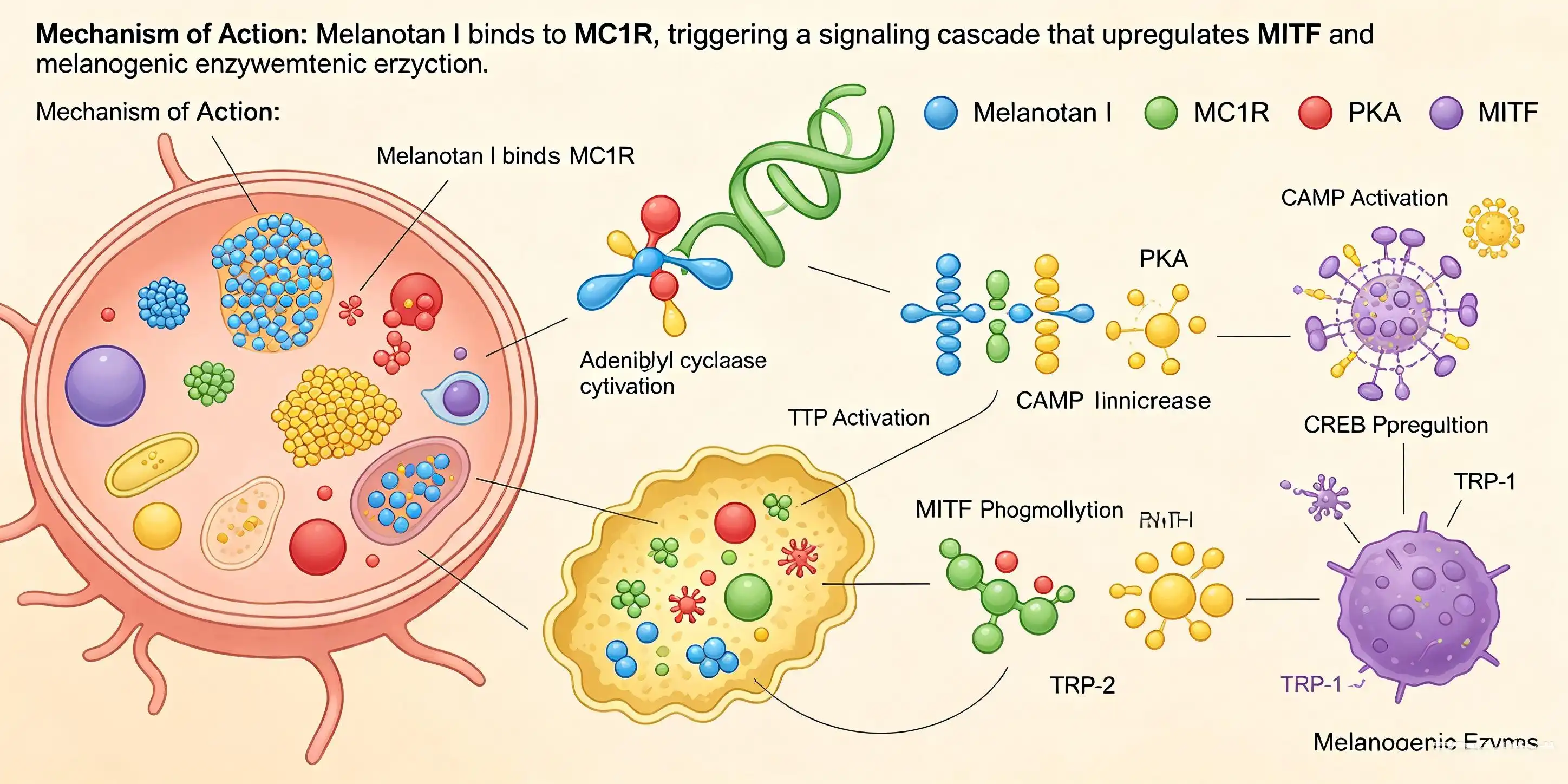
How to Use Melanotan 1: A Professional Research Protocol
Melanotan I powder is a useful research tool for examining the receptor-specific pathways that are unaffected by UV damage and how melanogenesis occurs. It is very important to follow the reconstitution methods, dose plans, and storing conditions that keep the peptide pure in order for it to work. When choosing a seller, things like checking out the supplier, having the right paperwork, and following the rules should be more important than just price. Setting up strict safety rules and quality control methods protects the truth of the study while lowering the risks. Scientists need standardized ways to handle melanocytes and stable supply partnerships in order to learn more about melanocyte biology. This is because the study is being used more and more in the beauty, pharmaceutical, and dermatological fields.VIEW MORE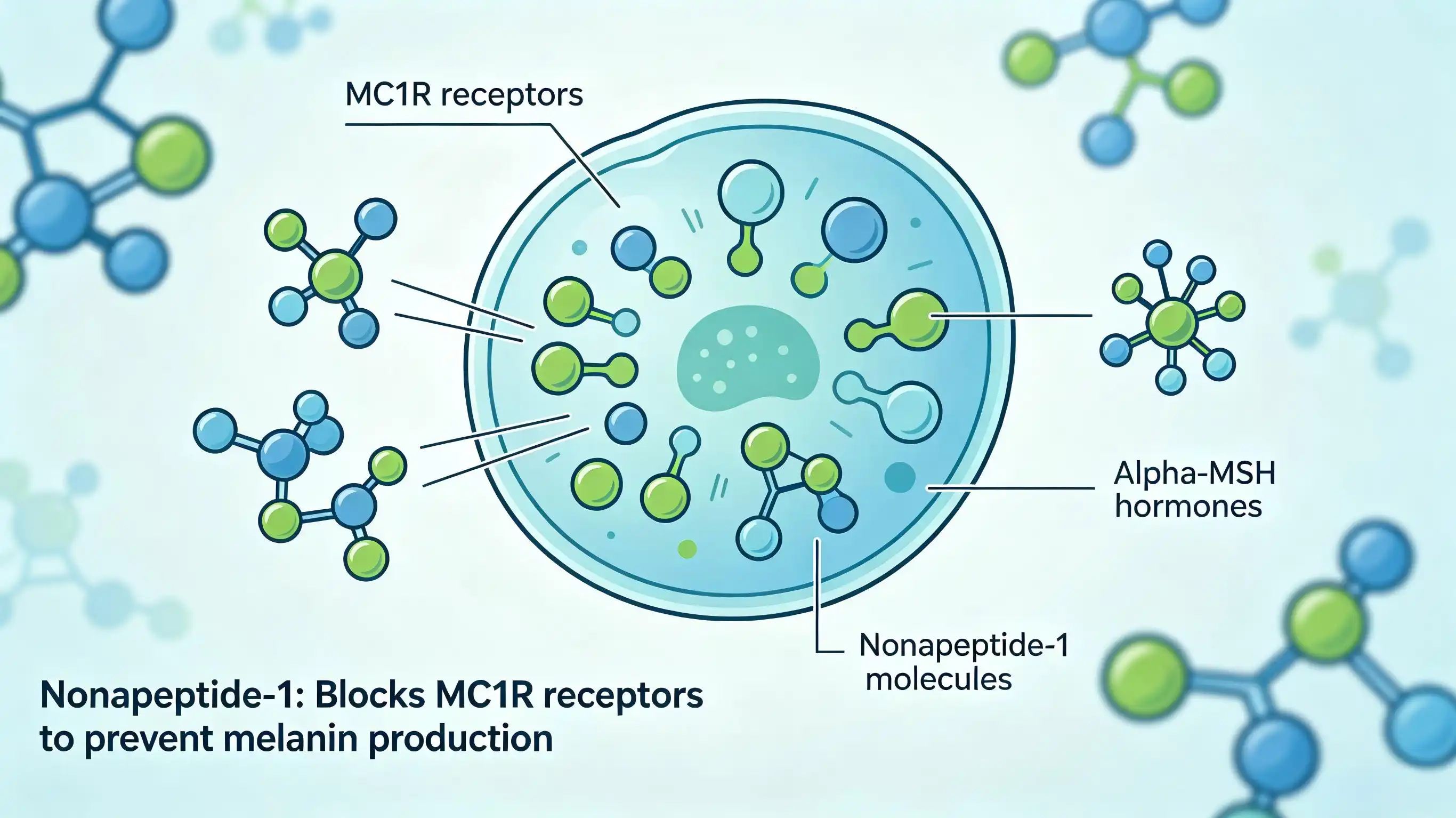
Nonapeptide-1 in Skincare: Science, Benefits & How It Works for Skin Tone
In terms of skin-brightening products, Cosmetic peptide Nonapeptide-1 is a game-changer because it specifically combats discoloration. This nine-amino-acid sequence looks like melanocyte-stimulating hormone (MSH), but it competes with MSH at the MC1R receptor and stops signals for melanin production before they reach melanocytes. Cosmetic peptide Nonapeptide-1 is different from other whitening agents because it stops upstream cellular communication instead of directly blocking enzyme activity. This lets it control color while causing less pain. Since 2010, our business has sold this advanced peptide to cosmetic formulators and pharmaceutical researchers all over the world. We do this to help brands find high-purity ingredients that are scientifically proven to work and that follow international cosmetic laws.VIEW MORE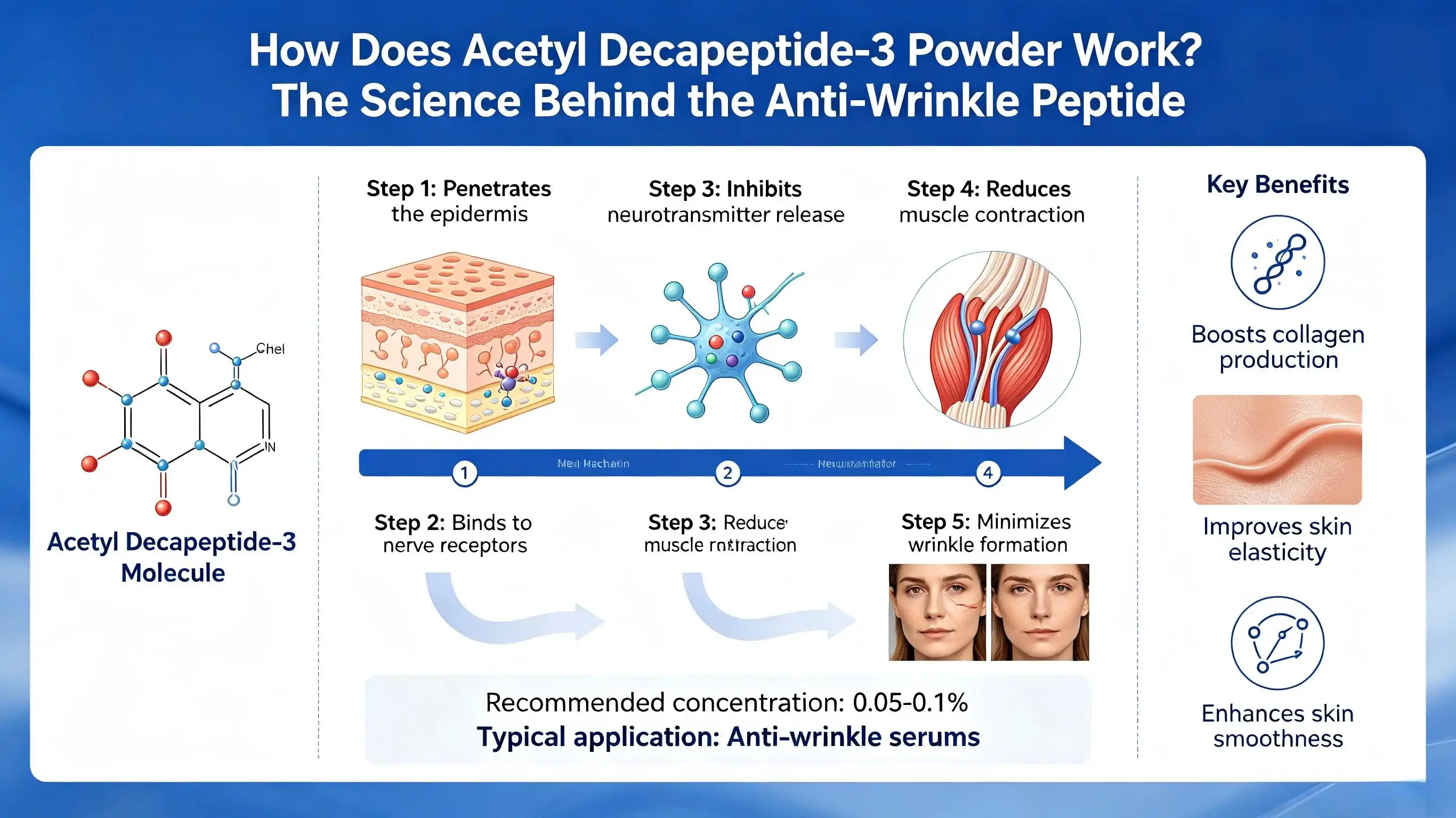
How Does Acetyl Decapeptide-3 Powder Work? The Science Behind the Anti-Wrinkle Peptide
Acetyl Decapeptide-3 powder functions through a sophisticated biomimetic mechanism that specifically targets the dermal-epidermal junction where collagen synthesis occurs. This synthetic peptide penetrates the stratum corneum via its acetyl modification, which enhances lipophilicity and skin barrier permeability. Once inside the dermis, it activates fibroblast receptors, initiating a cascade of intracellular signaling that upregulates procollagen Type I and III synthesis. This remodeling process reinforces the extracellular matrix, reducing wrinkle depth and enhancing skin elasticity within clinical observation periods.VIEW MOREUnlocking the Secrets of Melanotan II: Benefits, Risks, and How It Works
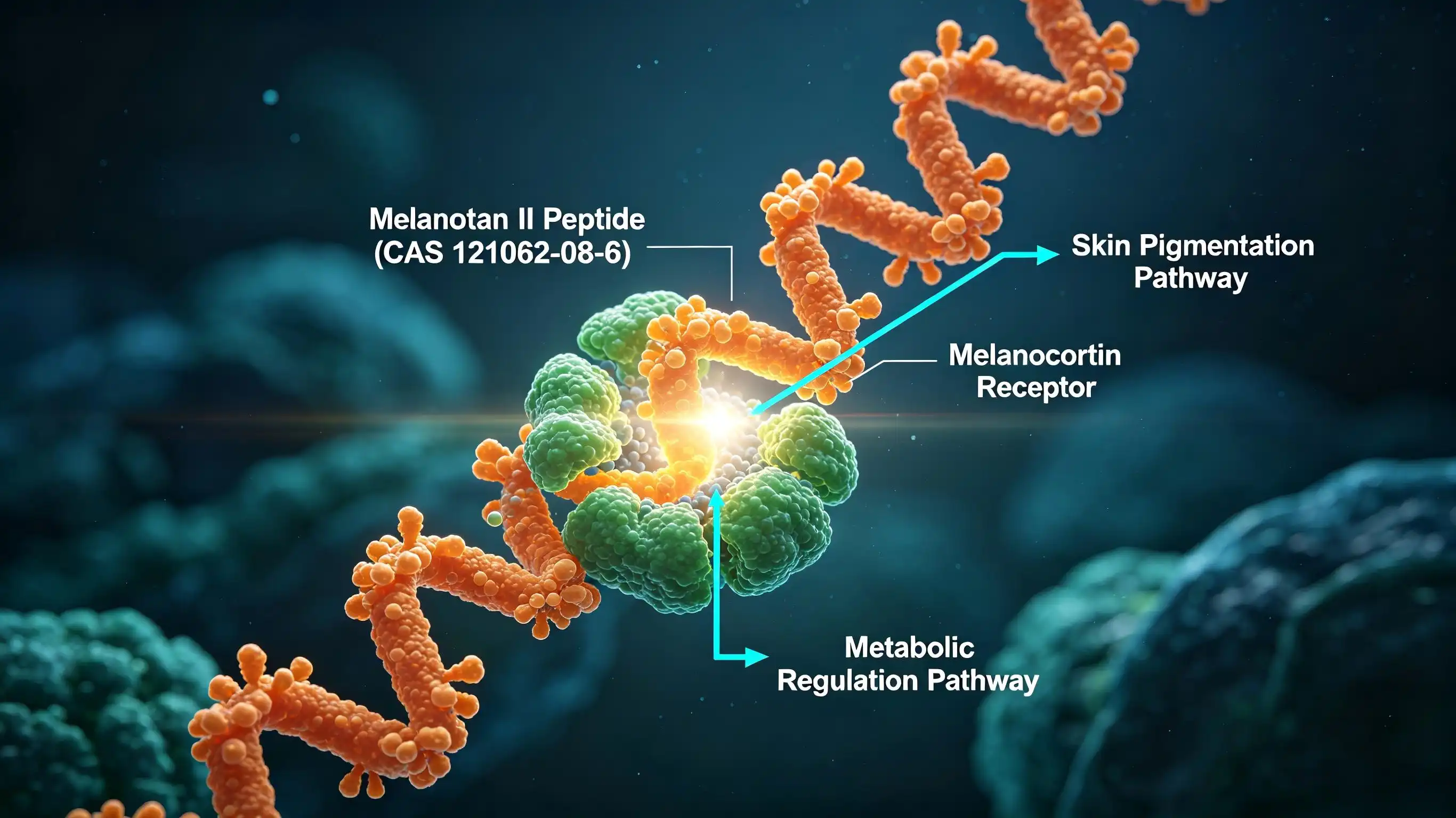
Melanotan II powder is a big step forward in synthetic peptide technology. It is meant to turn on melanocortin receptors all over the body. The pharmaceutical and beauty companies can use this bioactive compound (CAS 121062-08-6) to improve skin pigmentation and change metabolism in a normal way that doesn't involve UV radiation. In response to market needs for better tanning options and hunger control solutions, the white fluffy powder works the same way in all formulations. This research-grade ingredient has a molecular weight of 1024.18 and a well-defined amino acid sequence. It helps with new ideas in medical beauty, the development of nutraceuticals, and clinical uses where accuracy and consistency are essential.VIEW MORE
What is the difference between pharmaceutical grade and research grade peptides?
Being able to tell the difference between pharmaceutical grade and research grade peptides is important when buying them for pharmaceutical production, makeup creation, or lab research. Pharmaceutical grade peptides, like semaglutide raw powder, meet strict Good Manufacturing Practice (GMP) guidelines. They have purity levels that are always above 99%, go through strict batch testing, and come with all the legal paperwork needed for therapeutic production. Research grade peptides are used for exploratory work that isn't clinical. They usually have a purity of 95–98% and have less thorough licensing and quality control management. This basic difference affects how well you follow the rules, the safety of your products, the dependability of your supply chain, and eventually the success of your final application, whether you're making a new diabetes treatment, a skin care product based on effectiveness, or metabolic research.VIEW MORE
- 1
- 11
- 12
- 13
- 14
- 15
- 35