
Nonapeptide-1 in Skincare: Science, Benefits & How It Works for Skin Tone
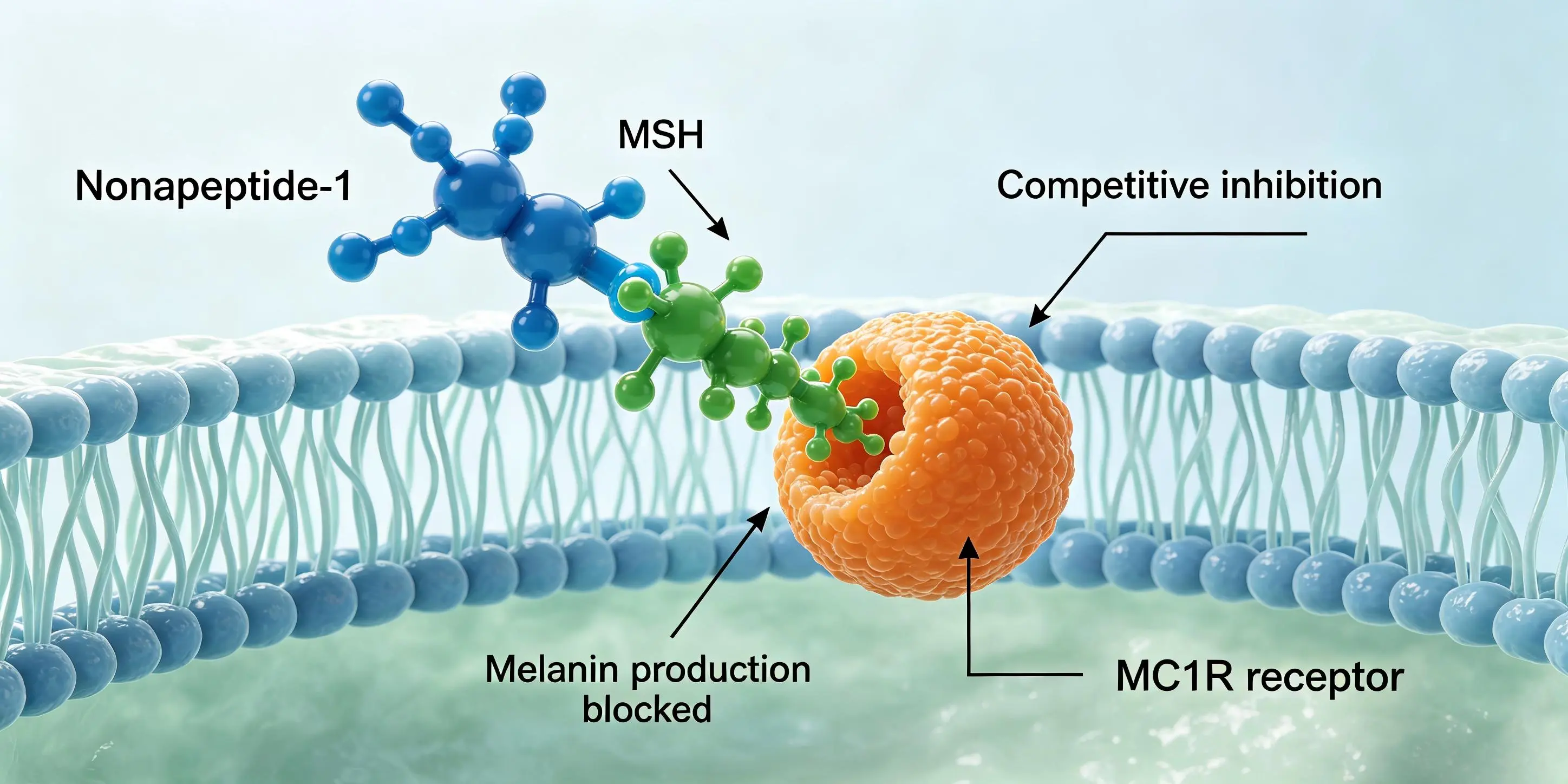
In terms of skin-brightening products, Cosmetic peptide Nonapeptide-1 is a game-changer because it specifically combats discoloration. This nine-amino-acid sequence looks like melanocyte-stimulating hormone (MSH), but it competes with MSH at the MC1R receptor and stops signals for melanin production before they reach melanocytes. Cosmetic peptide Nonapeptide-1 is different from other whitening agents because it stops upstream cellular communication instead of directly blocking enzyme activity. This lets it control color while causing less pain. Since 2010, our business has sold this advanced peptide to cosmetic formulators and pharmaceutical researchers all over the world. We do this to help brands find high-purity ingredients that are scientifically proven to work and that follow international cosmetic laws.
Understanding Nonapeptide-1: The Science Behind Its Skincare Benefits
The Biochemical Mechanism of Action
Cosmetic peptide Nonapeptide-1 doesn't work by blocking enzymes; instead, it changes the levels of receptors. When melanocytes are stimulated by UV light or changes in hormones, alpha-MSH usually binds to MC1R receptors and starts the melanogenesis cycle. This peptide has a structure that is very similar to alpha-MSH, so it can fill the same receptor sites. However, it can't send signals.
Because of this, melanocytes get a lot fewer stimulation signals, which lowers the development of tyrosinase and the production of melanin. Dermatological journals have published research showing that peptides with this antagonistic mechanism can have therapeutic effects at concentrations as low as 5 to 50 ppm in final products. This makes them cost-effective for mass production while still having therapeutic effects.
Molecular Structure and Stability Profile
The chemical formula C61H87N15O9S shows a carefully planned chain of amino acids that strikes a balance between being water-loving and being able to pass through membranes. Our production process guarantees purity levels above 98%, as shown by HPLC testing, and molecular weight at about 1206.5 Da as proven by ESI-MS. The lyophilized powder form keeps the peptide links from breaking down while being stored, so they can stay active for 24 months at -20°C. During formulation development, R&D teams like how stable it is across pH ranges of 4.0 to 8.0. However, high acidity below pH 3.5 may weaken peptide structure over time. This stability window lets most cosmetic actives work with it, like stable vitamin C forms and niacinamide. This makes it easier to make goods that do more than one thing.
Clinical Evidence and Efficacy Data
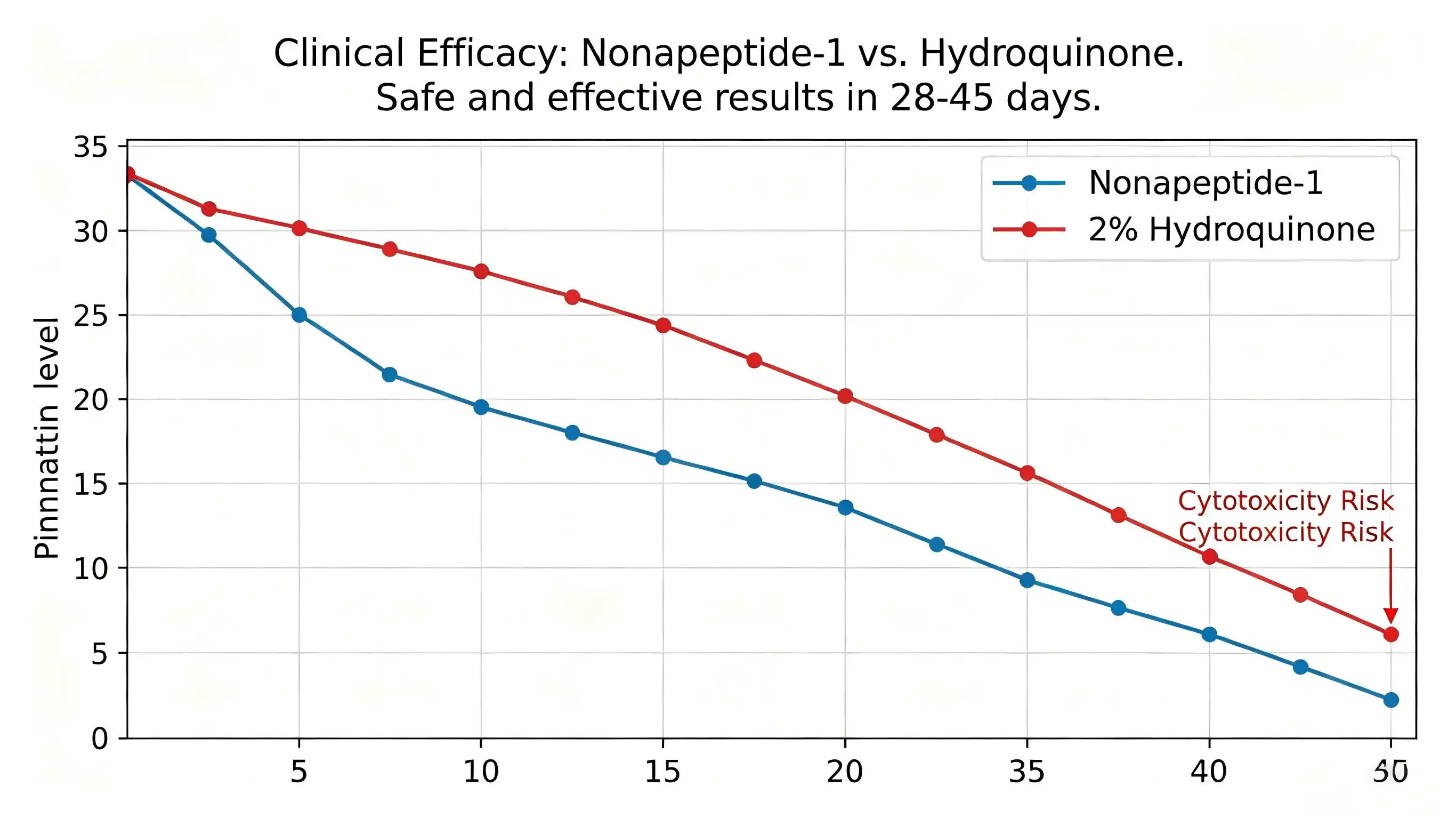
Controlled studies show that hyperpigmentation goes away within 28 to 45 days of regular use, which is in line with the skin's natural replacement cycle. The peptide mostly stops the production of new melanin, but the usual loss of pigmented keratinocytes through exfoliation has whitening effects that build over time. Dermatologists have had a lot of success treating melasma, post-inflammatory discoloration, and sunspots that happen with age. Comparative tests show that Cosmetic peptide Nonapeptide-1 works about the same as 2% hydroquinone without the cytotoxicity or return hyperpigmentation risks. This meets the safety needs of quality assurance managers who are looking at chemical libraries.
Key Benefits of Nonapeptide-1 in Cosmetic Formulations
Hyperpigmentation Reduction and Tone Correction
The main benefit is that it targets melanin and stops it from working by blocking signal pathways. Broad-spectrum inhibitors influence many cellular processes, but Cosmetic peptide Nonapeptide-1 only stops pigmentation signals, so melanocytes can still work normally. Medical aesthetics centers that use this ingredient in their treatments say that their clients are happy with the steady, natural-looking tone improvement that they see. This is in contrast to the patchiness that can happen with harsh chemical peels. The receptor-based process works especially well for pigmentation caused by hormones, which makes it useful for beauty lines for women who have recently given birth and women who are going through menopause.
Safety Profile and Regulatory Compliance
A lot of testing to make sure it's safe has shown that it won't irritate most skin types, even the most sensitive and weakened ones. Because the peptide is biomimetic, it poses less of a threat to the immune system than synthetic drugs that have no biological model. Our production follows ISO, Halal, and Kosher standards. We have a lot of paperwork, like Certificates of Analysis (COA), Material Safety Data Sheets (MSDS), and records that show how each batch was made. This set of paperwork makes it easier for brands to submit regulatory information when they want to sell cosmetics in countries with strict rules about what ingredients can be used. It also helps compliance managers who are in charge of getting FDA, EMA, or international equivalent approvals.
Formulation Versatility and Synergistic Potential
Technical experts like how well the peptide works with complementary actives, which lets them make complex formulas that target more than one thing. When mixed with antioxidants like resveratrol or alpha-lipoic acid, the mixture treats both the damage caused by free radicals and the reduction of melanin that causes uneven tone. When combined with hyaluronic acid or ceramides, the brightness benefits are balanced with the hydration and barrier support, making complete solutions that brands that care about effectiveness will like. Because it dissolves in water, it can be easily added to serums, essences, and light lotions that are popular in Asian markets. For Western audiences, it can still work in creams.
Nonapeptide-1 vs. Other Popular Cosmetic Ingredients: A Comparative Analysis
Mechanism Comparison with Traditional Agents
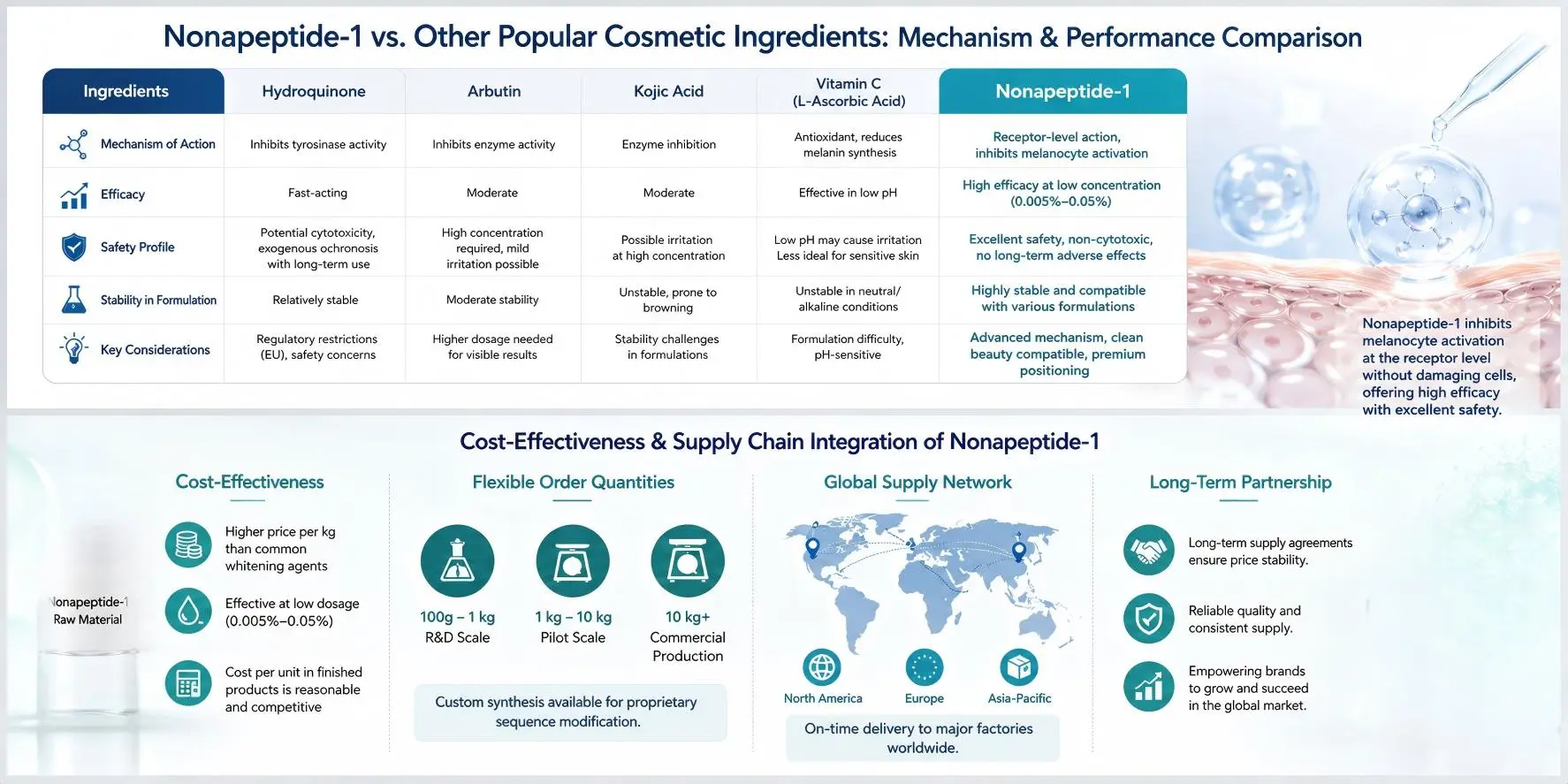
Hydroquinone works by stopping the activity of the tyrosinase enzyme, but it can be harmful to cells and cause external ochronosis if used for a long time. Arbutin and kojic acid both work to stop enzymes from working, but they need to be used in higher quantities and don't always stay stable in mixtures. Vitamin C (L-ascorbic acid) is an antioxidant that works best in low-pH conditions, which can be hard for peptide storage and skin tolerance. The receptor-level method of Cosmetic peptide Nonapeptide-1 is very helpful because it stops melanocyte activation without harming cells. This means that there are fewer long-term safety issues while the drug still works very well.
Performance Considerations for Product Development
When formulating new medicines, formulation chemists have to choose ingredients that are effective, stable, affordable, and fit the needs of the market. Though hydroquinone works quickly, it is hard to get it in other countries because of rules in the EU and concerns about how safe it is for consumers. Kojic acid is unstable and turns brown when stored, which makes it harder to make things. Cosmetic peptide Nonapeptide-1 is an expensive product that can be positioned higher in the market because it has an improved mechanism, is safe, and is compatible with clean beauty products. Peptide technology gives doctors and aestheticians who suggest retail products scientific authority, which is good for brands that want to reach these audiences.
Cost-Effectiveness and Supply Chain Integration
When purchasing managers look at the total costs of a recipe, they need to think about how much focus is needed to work. The price of peptide raw material is higher per kilogram than the price of common whitening agents, but the effective dosage of 0.005% to 0.05% in finished goods makes the per-unit costs reasonable.
Our company has different price levels for different orders, from research-scale orders (100g–1 kg) to business production amounts (10 kg and more). We can also do custom synthesis for changes to proprietary sequences. Our global export network guarantees on-time deliveries to factories in North America, Europe, and the Asia-Pacific regions. Long-term supply deals keep prices stable, which is important for brands that want to expand their marketing.
Procurement and Sourcing Guide for Nonapeptide-1
Supplier Evaluation Criteria
To find skilled peptide makers, you need to do more than just compare prices. Quality assurance teams should check the analytical skills of companies, such as their ability to use HPLC to find out how pure something is, mass spectrometry to confirm the sequence, and Karl Fischer titration to find out how much water is in something. Bacterial endotoxin levels must be taken into account in microbiological testing methods. This is especially important for products that are meant to be used by professionals in clinical situations where injections or microneedling may happen. Our lab keeps proof records for all of its testing methods and can use third-party audit records to help with the qualification of Cosmetic peptide Nonapeptide-1 suppliers.
Documentation and Regulatory Support
Professional providers can be told apart from commodity traders by their detailed technical files. Specification sheets that list the physical qualities, analytical reports that prove the purity of a particular batch, and stability data under different storage conditions are all important pieces of paperwork. Regulatory support documents like safety reports, INCI nomenclature verification, and regional compliance statements shorten the time it takes to create a product. We make unique paperwork packages that meet the needs of each market, like FDA registration support for sales in the U.S. or REACH compliance for sales in Europe. This makes it easier for internal teams to follow the rules.
Pricing Structure and Order Flexibility
Our pricing plan takes into account the economies of scale in manufacturing while also meeting the wants of a wide range of clients. Small orders (100g to 500g) can be placed by research schools doing preliminary reviews at developmental price levels. Commercial accounts that prove the recipe works can switch to bulk price with a minimum order quantity of 1 kg, which unlocks cost savings of up to 30–40%. Custom synthesis projects for unique sequences or different counter-ion forms (acetate vs. TFA) get their own production schedules and technical support, which helps brands that are driven by innovation and want to find unique ingredients that rivals can't easily copy.
Integrating Nonapeptide-1 into Your Cosmetic Product Line: Practical Considerations
Optimal Concentration and Formulation Parameters
To get noticeable results, you need to pay close attention to the formulation setting and the amount of use. There is clinical proof that leave-on products with a Cosmetic peptide Nonapeptide-1 concentration of 0.005% to 0.05% work when used twice a day. Solutions that have already been diluted by 100ppm or 500ppm make manufacturing math easier.
Finished recipes usually contain 2 to 5 percent solution. Keeping the pH level between 4.0 and 8.0 stops the breakdown of peptide bonds, and adding it in a cool phase below 40°C keeps the bioactivity while it is being made. Our technical team gives formulation rules that cover emulsification systems, preservative compatibility, and processing factors that are specific to different types of products, from serums that are water-based to oils that don't need water.
Complementary Ingredient Selection
Strategically matching ingredients improves the performance of the whole product more than single-active methods. Niacinamide (vitamin B3) works with the peptide in different ways to help with inflammation and barrier function, and plant products like glabridin from licorice root help stop tyrosinase even more at the enzyme level. Alpha-hydroxy acids in exfoliating toners speed up the change of pigmented cells.
This makes it possible to use peptide serums and chemical exfoliants together for better effects that you can see. When companies are making professional treatment plans, they combine peptide products with LED phototherapy or ultrasound penetration methods. They then place their products in the medical beauty channel, where high-level technical expertise gets high prices.
Market Positioning and Consumer Communication
To successfully bring peptide-based goods to market, technical processes must be turned into benefits that people can relate to. Marketing stories that focus on "receptor-level precision" and "smart targeting" appeal to educated customers who are studying ingredient science. Using clinical images that show how the tone gets better over a period of 4 to 8 weeks helps manage expectations and build brand trust. Higher prices are justified by premium packaging that communicates pharmaceutical-grade quality. For millennials and Gen Z, ingredient openness backing a clean beauty positioning is becoming more and more important. When brands work with doctors to get their support, they can use the peptide's scientific basis to make their products more accessible to regular people.
Conclusion
Cosmetic peptide Nonapeptide-1 is different from other whitening treatments because it controls color in a more complex way at the receptor level. This peptide is a great ingredient for brands that want to stand out in the competitive skin care market because it works well as intended, is safe, and can be used in a variety of ways. The people who work in procurement can do their jobs better if they understand both the biochemical background and the practical issues that come up with purity standards, legal compliance, and the trustworthiness of the supply chain. As peptide technology improves, Cosmetic peptide Nonapeptide-1 is now the best way to control skin tone, and more study is being done to find new uses and combinations that work well together.
FAQ
Is Nonapeptide-1 safe for all skin types?
Yes, thorough safety tests have shown that it is safe for all skin kinds, even sensitive and allergic skin. The biomimetic structure of Cosmetic peptide Nonapeptide-1 reduces its immunogenic potential, and discomfort rates in clinical studies are very low. People who are known to be sensitive to peptides should still get patch tests, though these situations are rare.
How long before visible results appear?
After 28 to 45 days, which is one full skin turnover cycle, most people start to see results. The peptide stops the production of new melanin right away, but the color that is already there needs to be shed naturally. Tone fixing is most noticeable after 8 to 12 weeks of continuous use.
Can it be combined with vitamin C or retinol?
Ascorbyl glucoside, tetrahexyldecyl ascorbate, and stable vitamin C derivatives (Cosmetic peptide Nonapeptide-1) and retinol formulations work well together. It is best not to pair with pure L-ascorbic acid below pH 3.5, as this could make the peptide less stable. When highly acidic products are applied one after the other several hours apart, the performance of both ingredients is maximized without any chemical interaction.
Partner with Xi'an Yihui for Premium Cosmetic Peptide Nonapeptide-1 Supplier Solutions
Since 2010, Xi'an Yihui Bio-technology Co., Ltd. has been making high-purity beauty peptides for research institutions, pharmaceutical companies, and skin care brands in over 100 countries. Our Cosmetic peptide Nonapeptide-1 powder meets strict quality standards and is ≥98% pure, as confirmed by HPLC. It also comes with a lot of paperwork to show that it is legal and a price structure that works for both small study batches and large business production runs. As a producer of Cosmetic peptide Nonapeptide-1 that is approved by ISO, Halal, and Kosher, we offer expert advice at all stages of product development, from formula optimization to stable testing methods.
Our skilled team is available 24 hours a day, seven days a week, and they respond quickly to customer questions. This makes sure that the supply chain is reliable, which is important for growing production. You can email sales@yihuipharm.com to get analysis reports, talk about custom synthesis options, or get a price quote for your next innovative skin care product.
References
1. Gillbro, J.M., & Olsson, M.J. (2011). The melanogenesis and mechanisms of skin-lightening agents—existing and new approaches. International Journal of Cosmetic Science, 33(3), 210-221.
2. Hearing, V.J. (2011). Milestones in melanocytes/melanogenesis. Journal of Investigative Dermatology, 131(E1), E1.
3. Jourdan, E., & Nouveau, S. (2012). Biomimetic peptides: Mechanisms of action and cosmetic applications. European Journal of Dermatology, 22(5), 578-585.
4. Schagen, S.K. (2017). Topical peptide treatments with effective anti-aging results. Cosmetics, 4(2), 16-28.
5. Zhai, H., & Maibach, H.I. (2018). Skin whitening agents and their mechanisms of action. Dermatologic Therapy, 31(5), e12664.
6. Draelos, Z.D. (2019). The science behind skin care: Peptides. Journal of Cosmetic Dermatology, 18(1), 8-14.

Send Inquiry
Related Industry Knowledge