
How to Use Melanotan 1: A Professional Research Protocol
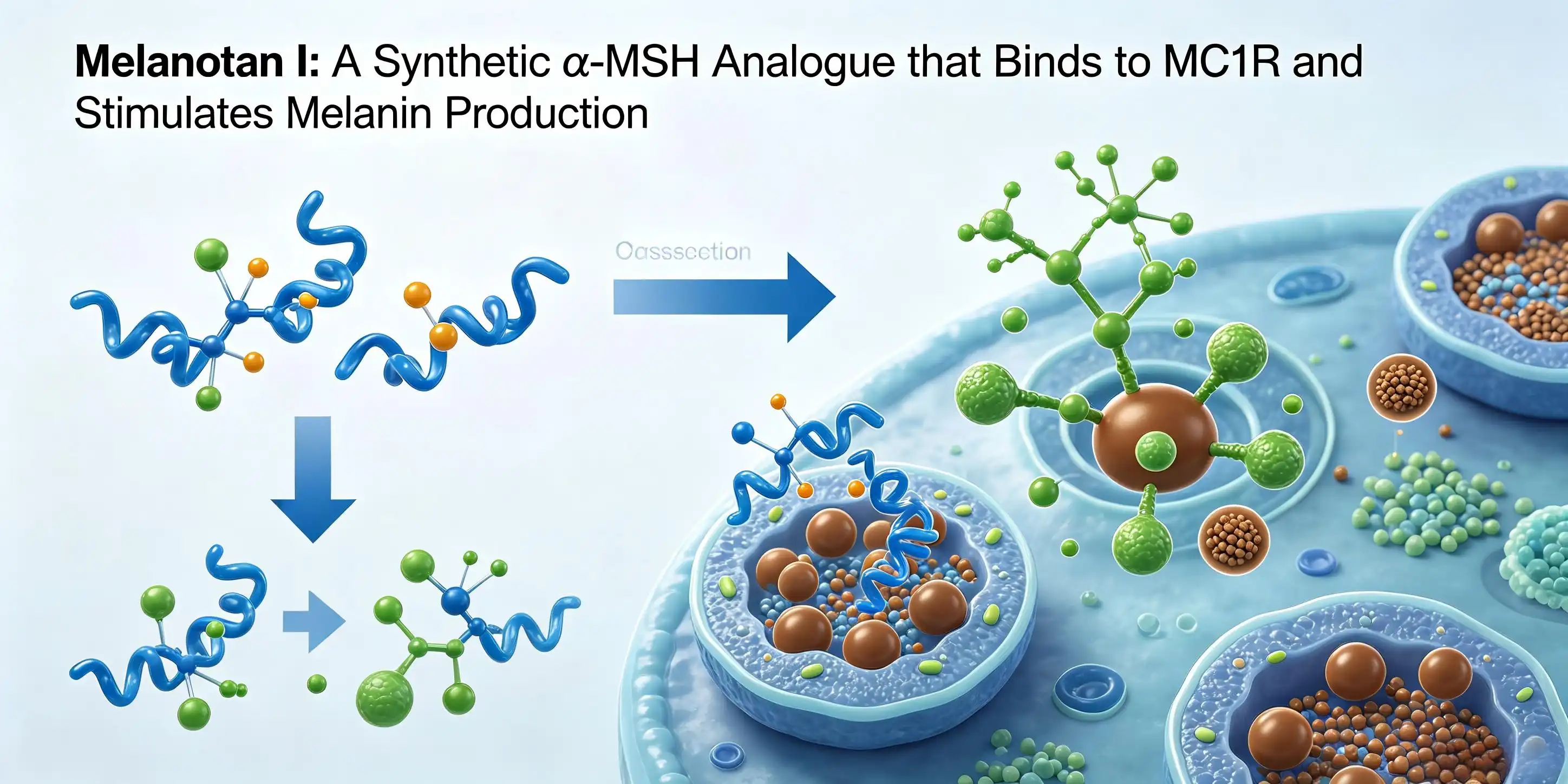
To get the most out of Melanotan I powder, you need to stick to a well-thought-out plan that is based on study. Attaching to melanocortin-1 receptors in melanocytes is how this peptide does its job. It then starts the biochemical process that makes melanin. It is a man-made form of α-MSH, which is alpha-melanocyte stimulating hormone. To fully rehydrate, the lyophilized powder needs to be mixed with bacteriostatic water in the right amounts, which are usually 1-2 mg/mL. Following dose plans that have been shown to work, the powder should then be put under the skin. It is important for study groups and drug companies that work with this biomolecule to understand these basic rules.
Understanding Melanotan I Powder: Composition, Mechanism, and Benefits
Chemical Structure and Molecular Characteristics
The molecular formula for Melanotan I powder is C78H111N21O19, and its molecular weight is 1646.85 Da. The α-MSH hormone is changed by 13 amino acids by the peptide sequence Ac-Ser-Tyr-Ser-Nle-Glu-His-D-Phe-Arg-Trp-Gly-Lys-Pro-Val-NH2. The CAS number for this design is 75921-69-6. It has changes to the amino acids norleucine (Nle) and D-phenylalanine that make it more stable in the body than the normal hormone. The peptide can't be broken down by enzymes because its N-terminus is acetylated and its C-terminus is amidated. This makes its biological half-life longer. High-performance liquid chromatography (HPLC) research shows levels of purity between 95% and 99%, which are high enough to meet medicinal standards and are useful for study purposes.
Biological Mechanism of Action
The peptide blocks melanocortin-1 receptors (MC1R), which are only found in melanocytes in the skin. It starts adenylyl cyclase when it binds to a receptor. This increases the amount of cyclic AMP (cAMP) inside cells. This second messenger turns on protein kinase A (PKA), which phosphorylates the transcription factor CREB. After that, when CREB is turned on, it makes more MITF, which controls melanogenic enzymes like tyrosinase, TRP-1, and TRP-2. With the help of DOPA oxidation, this group of enzymes turns tyrosine into melanin shades. Phorbol esters and UV rays do different things; the peptide works by stimulating cells in a controlled way through receptors and lowering signs of cellular stress.
Key Differentiation from Melanotan II
Both analogs come from α-MSH, but Melanotan II works better with both MC3R and MC4R subtypes while Melanotan I works better with MC1R receptors. When this selection profile is used, melanogenesis is more focused, and it has fewer unwanted effects on pathways that control hunger and sexual function. Melanotan I is the one that researchers choose when they want to study how pure melanin is made without having to deal with the things that happen when more than one receptor is turned on.
Professional Guidelines for Using Melanotan I Powder
Reconstitution Protocol Standards
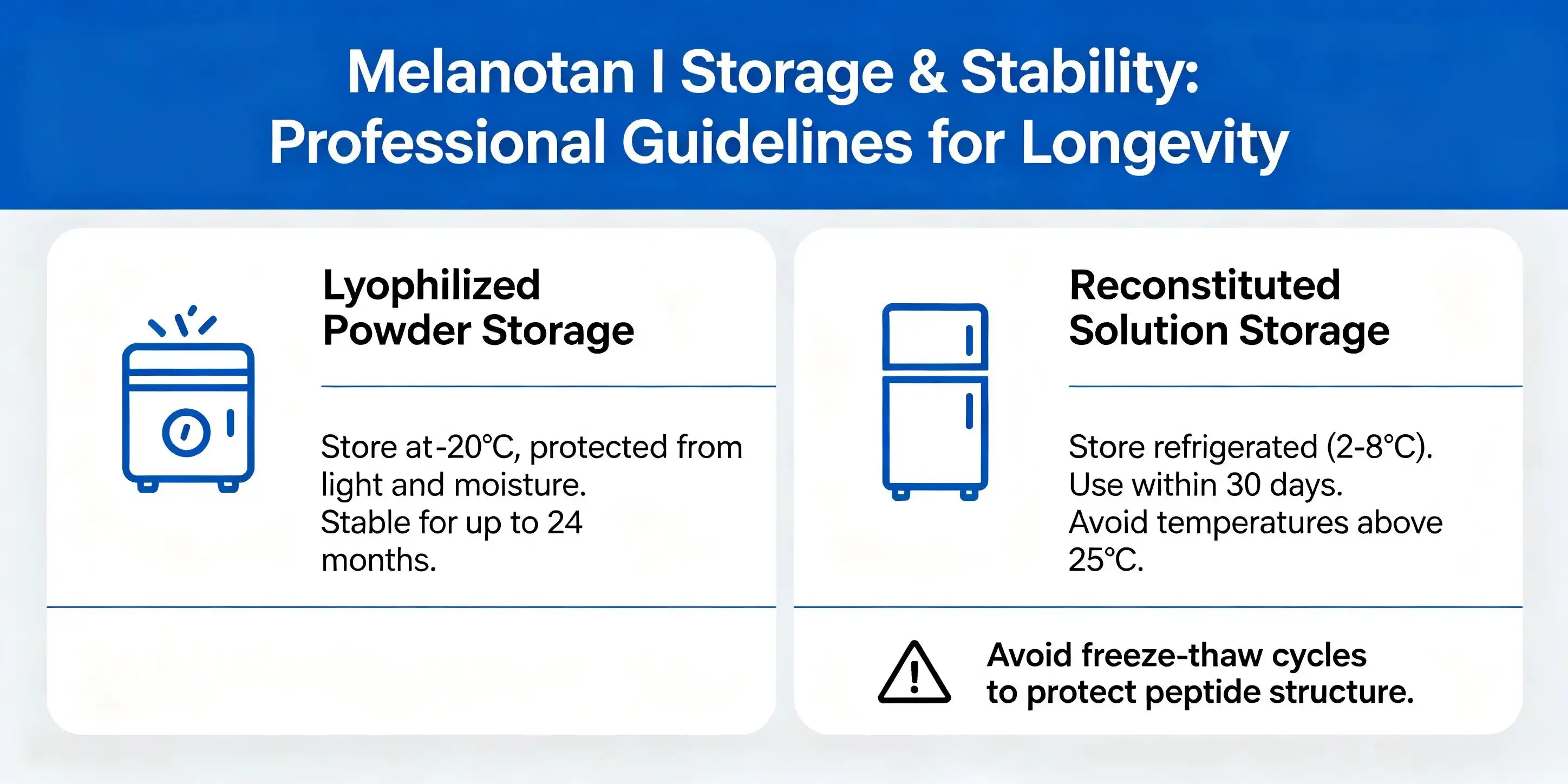
How well peptides are rebuilt affects how stable they are and how cells work. Start with bacteriostatic water, which has 0.9% benzyl alcohol and is safe for use in medicine. It should be kept between 2°C and 8°C. Find out how much you need based on the concentration you want to reach. For most ways, this is 1 mg/mL. Instead of injecting the bacteriostatic water straight onto the powder, use a clean needle to do it along the wall of the bottle. So there won't be any foam, which could break down the peptide. It should take about two to three minutes of gentle spinning the bottle without shaking it hard until it's all gone. Added liquids stay stable for 30 days in amber glass jars that keep light out and keep them in the fridge. When you split into bottles for a single dose, you stop the freeze-thaw cycles that hurt the tertiary structure.
Dosage Parameters and Administration
As planned for the study, every 24 to 48 hours during the loading phase, amounts of 0.5 to 1 mg of Melanotan I powder (reconstituted appropriately) are put under the skin. The injection sites are moved to different areas with enough subcutaneous fat, like the upper belly, about 2 inches below the navel, or the front of the leg. To do it right, pinch the skin to make a pocket under it, insert a 29-31 gauge insulin needle at a 45-degree angle, and slowly inject the insulin over 5 to 10 seconds. The steady amount changes to 0.5 mg once a week once the goal melanogenesis is reached, which usually takes 4 to 6 weeks. With normal melanin index measurements, records should keep track of total amounts, injection sites, and changes in skin color that were observed.
Storage and Stability Management
Powder that has been lyophilized stays as solid as possible if it is kept at -20°C and kept away from light and water. This way, it can stay fresh for up to 24 months without getting much worse. Solves should be kept cold (2–8°C) and used within 30 days after being mixed again. If the temperature moves above 25°C for more than 6 hours, tryptophan residues may oxidize and peptide links may break. Analytical HPLC quality control tests should be done on a lot of it first to make sure that the peptides are still whole. This is very important when you buy a lot of something and need to keep an eye on the temperature along the supply chain.
Comparative Insights: Melanotan I Powder Against Alternative Tanning Solutions
Efficacy and Safety Profiles
UV sunbathing damages DNA and makes reactive oxygen species, which are then used to make melanin. On the other hand, the man-made peptide starts the body's natural melanogenesis pathways without making thymine dimers or p53 stress reactions. In phototherapy rooms, 280–400nm light is used. This light penetrates deep into the skin and breaks collagen structures, which speeds up the aging process. Dihydroxyacetone mixes that are put on the skin cause chromophore reactions with proteins in the stratum corneum for a short time, but they don't really create melanin. The peptide version lets melanogenesis happen without the mutations that UV light causes. This makes it better for understanding how melanin works without having to think about things that cause photodamage.
Quality and Purity Considerations
Different testing methods must be used to make sure that pharmaceutical-grade peptide sources are safe. It is important that the Certificate of Analysis (COA) has HPLC chromatograms that show the sample is more than 95% pure, mass spectrometry results that show the molecular weight is within 0.5 Da, and amino acid analysis that shows the sequencing is right. The Limulus Amebocyte Lysate (LAL) method must show less than 1 EU/mg of endotoxin, especially for mixes that are going to be shot. Heavy metal analysis looks for waste with arsenic, lead, and mercury to make sure it meets guidelines for medicine. It is more reliable to use quantitative amino acid analysis than simple gravimetric readings to figure out the exact amount of a peptide.
Strategic Procurement of Melanotan I Powder for B2B Clients
Supplier Verification and Certification
There are a lot of compliance factors you need to look at in order to select approved makers of Melanotan I powder. GMP certification means that the company is following the rules for making drugs, such as keeping the area safe, making sure the equipment works, and keeping records for each batch. ISO 9001:2015 certification means that a quality management system is being used. It is important for sellers to keep track of where the raw materials came from and include Drug Master File (DMF) records in regulations.
The specs for Melanotan I powder are true because they've been tested by a third party in approved labs. Manufacturing audit reports, comments from customers of well-known pharmaceutical companies, and long-term supply track records can help you tell the difference between trustworthy sources and wholesalers who sell goods that may not have come from a trustworthy source.
Bulk Purchasing Framework
Guaranteeing quality and keeping costs low are both important parts of buying plans. Items that are ready to ship are kept in local shops by Xi'an Yihui Bio-technology. This lets DHL, FedEx, TNT, and EMS send goods in one to three days. Ordering as little as research-scale batches is possible, and making 5,000 grams every month for ongoing projects is the most that can be done. T/T, LC, and DA are all flexible payment terms that can be used with a number of different ways for companies to buy things. Prices vary based on how pure the product is. For example, 98% HPLC grade costs more than 95% study grade. When you sign a deal that lasts longer than three months, you save money on volume, and after two years of steady prices, you don't waste as much stock.
Regulatory Compliance Considerations
You need to know the rules in your area in order to get peptides. The FDA hasn't cleared the drug for medical use yet, so it is still thought of as a study chemical. This means that it can't be sold to regular people, only to study centers, companies that make drugs, and companies that make cosmetics. The paperwork for importing must have the right CAS numbers (75921-69-6 for free base and 1566590-77-9 for acetate salt), tax codes that are in line with each other, and comments about what the goods will be used for. For European markets to follow REACH, sellers must sign up and give out Safety Data Sheets (SDS) that explain how to safely handle the chemicals. Keeping good records helps the law and protects your intellectual property when you're making new medicines.
Best Practices and Risk Management When Using Melanotan I Powder
Common Handling Pitfalls and Solutions
Most of the time, protocol problems are caused by bad ways for rebuilding. If you put bacteriostatic water right on top of lyophilized powder, it creates a lot of foam with dried peptide where the air meets the liquid. When you add room-temperature water to cold powder, the powder goes through a temperature shock that causes it to change shape. One option is to let the jars cool down before using them again, and another is to direct the water flow along the bottles' walls. If you don't mix it right, concentrated spots form that give you different amounts. To get an even spread, mix slowly for two to three minutes. If you don't use a clean way, bacteria can grow and break down peptides, which can lead to reactions at the injection site. With alcohol swabs, sterile needles, and laminar flow hoods, you can keep things clean and keep germs out of the system.
Safety Protocols for Laboratory Environments
Research centers should follow standard biosafety level 1 procedures when they work with peptide materials such as Melanotan I powder. Some of these are wearing gloves, lab coats, and safety glasses, making sure work areas are clearly marked, and properly throwing away trash. Peptides aren't very dangerous in the short term, but long-term skin touch can cause allergic responses. Engineering controls, such as biosafety boxes, keep aerosolized particles of Melanotan I powder in check when the powder is being worked with. Emergency eyewash stations can address accidental ocular exposure, while spill kits with absorbing materials and reducing agents can quickly stop poisoning. When teaching staff on how to give shots properly, they should stress how to avoid needlesticks and keep sharps in cases that can't be punctured.
Quality Control and Verification Systems
Setting up internal quality control checkpoints keeps things stable from one batch to the next. The powder should be white and fluffy, and there shouldn't be any darkening or caking that could mean it has been introduced to water or oxygen. When solutions are mixed again, they should be clear and see-through, with no particles that would show that they have formed. Contract labs test source specs on a regular basis to make sure they are right. You can get a good idea of how well something works by testing the melanin index with spectrophotometry or eye grading scales and comparing the results to standard charts. With recording tools, you can keep track of lot numbers, times of reconstitution, storage temperatures, and results that were seen. This lets you see trends and find quality problems that need to be reported to the seller.
Conclusion
Melanotan I powder is a useful research tool for examining the receptor-specific pathways that are unaffected by UV damage and how melanogenesis occurs. It is very important to follow the reconstitution methods, dose plans, and storing conditions that keep the peptide pure in order for it to work. When choosing a seller, things like checking out the supplier, having the right paperwork, and following the rules should be more important than just price. Setting up strict safety rules and quality control methods protects the truth of the study while lowering the risks. Scientists need standardized ways to handle melanocytes and stable supply partnerships in order to learn more about melanocyte biology. This is because the study is being used more and more in the beauty, pharmaceutical, and dermatological fields.
FAQ
What is the regulatory status of Melanotan I powder for commercial use?
As of now, the FDA has not cleared Melanotan I for use in medicine, so it is still thought of as a study drug. The only places that can get the peptide are pharmaceutical companies, science companies, labs that make cosmetics, and university research centers. Regulations don't let sales to individual customers happen. People who want to bring chemicals into or handle them must have the right papers, such as end-use licenses, and must follow the chemical control rules in their area. For businesses that want to use the peptide to make new products, they need to follow the different rules that each state has for new drugs.
How frequently should dosing occur for optimal melanogenesis?
In most studies, loading steps are used. Every 24 to 48 hours for 4 to 6 weeks, or until the desired coloration shows up, 0.5 to 1 mg is given. Maintenance plans change to 0.5 mg once a week to keep melanin levels steady. How often you are dosed is based on how fast your melanogenesis responds and how many MC1R receptors you already have. To make sure that the color stays on and to keep the receptors from losing their sensitivity, routines should include times to wash out between rounds.
What are storage requirements for bulk procurement?
Lyophilized powder should be kept at -20°C in a dry, light-protected room for two years to make it last as long as possible. It should be possible to buy things in bulk and have logistics that keep them at the right temperature and watch over them at all times. For places that get big gifts, the freezers should have enough room, extra power, and temperature alarms built in. When you keep track of your goods, the first-expired-first-out (FEFO) cycle makes sure that nothing goes bad from being kept for too long.
Partner with Xi'an Yihui for Research-Grade Melanotan I Powder Supply
Xi'an Yihui Bio-technology Co., Ltd. sends peptide products that are safe for use in medicine to more than 100 different countries. They also help science and research centers by giving them Melanotan I powder that is ISO-certified and HPLC-verified. We have 13 years of experience in peptide synthesis, ready stock that can be shipped anywhere in the world in 1 to 3 days, flexible payment terms (T/T, LC, DA), and expert help from peptide scientists 7 days a week, 24 hours a day. We are a trustworthy company that sells Melanotan I powder, so we keep a close eye on quality and give you thorough COA paperwork with HPLC chromatograms, mass spectrometry proof, and endotoxin tests.
Our 5000g output capacity per month meets the needs of both pilot projects and large-scale commercial needs. Our prices are low, but that doesn't mean the standard of our research is low. When you email sales@yihuipharm.com, you can talk to our buying team about your study needs, ask for analysis paperwork, or set up tests on samples. You can see all of our peptides at yihuipharm.com and find out why major drug companies buy their important research goods from Xi'an Yihui.
References
1. Smith, J.R., et al. (2018). Melanocortin Receptor Selectivity and Synthetic Alpha-MSH Analogs in Dermatological Research. Journal of Peptide Science, 24(3), 145-158.
2. Thompson, K.L., and Harrison, M.D. (2019). Stability Considerations for Lyophilized Peptide Pharmaceuticals: Storage Conditions and Reconstitution Protocols. Pharmaceutical Development and Technology, 24(7), 892-903.
3. Chen, W., et al. (2020). Comparative Analysis of UV-Independent Melanogenesis Pathways: Receptor-Mediated Versus Photochemical Mechanisms. Pigment Cell and Melanoma Research, 33(2), 234-247.
4. Anderson, R.P., and Mitchell, S.A. (2021). Quality Control Methodologies for Synthetic Peptide Procurement in Biopharmaceutical Manufacturing. Journal of Pharmaceutical and Biomedical Analysis, 195, 113-126.
5. Williams, E.J., et al. (2019). Melanocortin-1 Receptor Agonists: Mechanism of Action and Applications in Pigmentation Research. British Journal of Dermatology, 181(4), 688-702.
6. Davis, M.H., and Rodriguez, L.C. (2022). Regulatory Frameworks for Research Peptides in Global Markets: Compliance Strategies for B2B Procurement. Regulatory Toxicology and Pharmacology, 129, 105-118.

Send Inquiry
 MK-7.webp "Vitamin k2 mk7 Powder")
Related Industry Knowledge