
How Does Melanotan II Powder Work? The Science Behind the Melanocortin Peptide
Melanotan II powder works as a man-made version of melanocortin peptide and turns on certain melanocortin receptors in the body, mainly MC1R and MC4R. This artificial peptide acts like α-MSH when it is applied, attaching to MC1R receptors on melanocytes in the basal layer of the skin. This activation of the receptor starts a molecular chain reaction that increases the activity of the tyrosinase enzyme. This speeds up the production and deposition of melanin. The result is darker skin without having to be exposed to UV light. Pharmaceutical research and development teams and formulation experts who are looking at melanocortin peptides for study or cosmetic uses need to understand this receptor-mediated mechanism.
Understanding Melanotan II Powder: A Scientific Overview
Molecular Structure and Melanocortin Receptor Binding
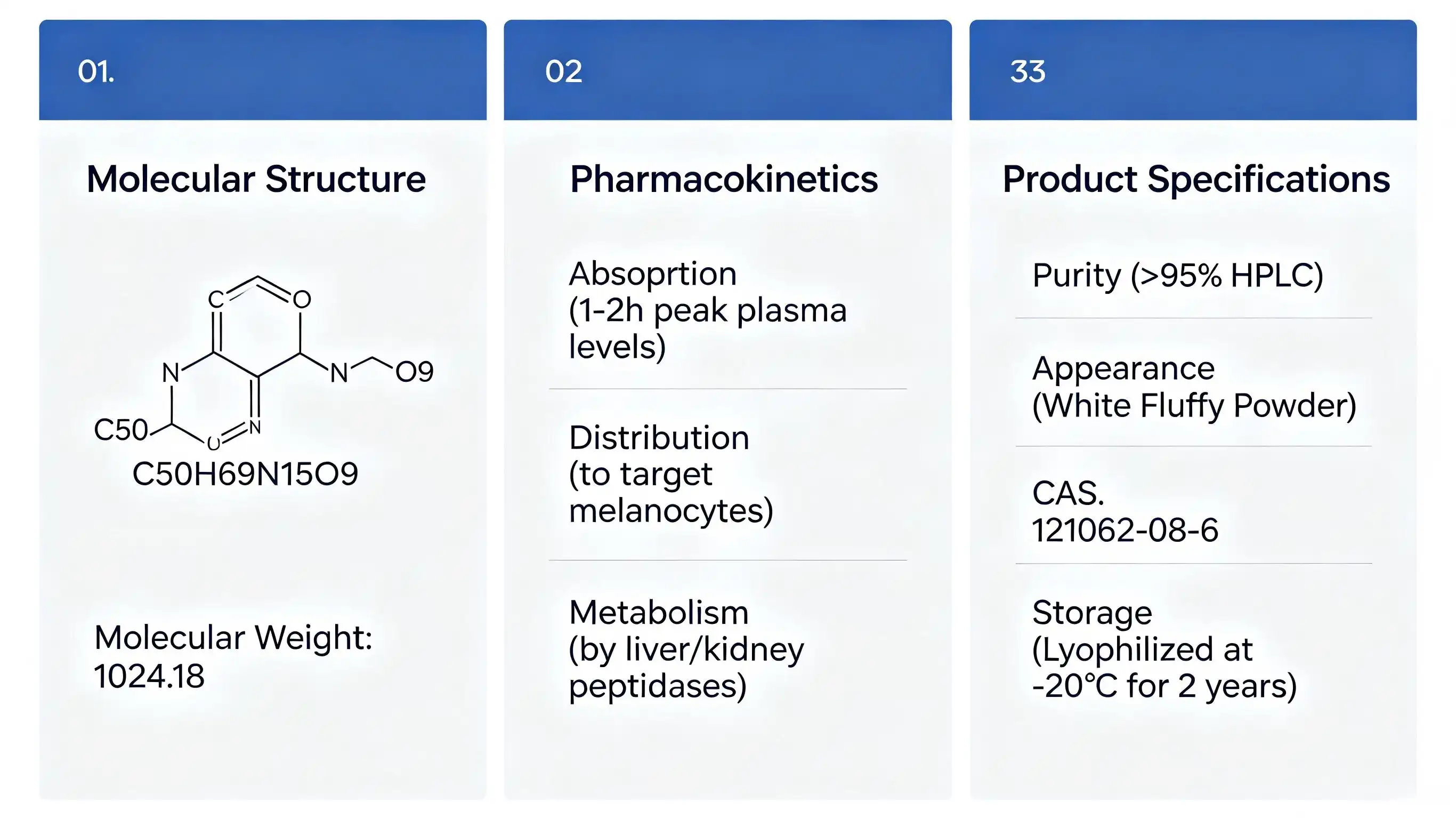
The synthetic analog's peptide sequence is made up of a cyclic heptapeptide structure with the formula C50H69N15O9 and the molecular weight 1024.18 (CAS: 121062-08-6). This shape makes it possible for high-affinity binding to melanocortin receptors, which is better than the wild hormone's receptor specificity. Its circular structure makes it more metabolically stable than straight peptide chains, which extends its half-life in living things.
A group of receptors called melanocortin receptors are called GPCRs. MC1R controls the processes that control pigmentation, and MC4R controls hunger and energy balance. Researchers have found that melanocortin analogs are about 1000 times more effective than α-MSH at MC1R sites. This higher potency means that less of the drug is needed, which is very important for buying managers who are looking at cost-per-dose economics in formulation creation.
Pharmacokinetics: Absorption, Distribution, and Metabolism
The peptide is quickly absorbed after being reconstituted and given; peak plasma values are reached in one to two hours. The chemical spreads throughout the body and gets to target melanocytes by passing tissue barriers. Mostly, peptidases in the liver and kidneys break down substances, and metabolites are then flushed out of the body through the kidneys.
Knowing these pharmacokinetic factors helps researchers and developers come up with dosing plans that keep effective levels while reducing side effects as much as possible. Usually, researchers start by slowly increasing the amount, from 0.25 mg to 0.5 mg, to see how much each person can handle before they hit maintenance doses of 0.5 mg to 1 mg. This tiered method lowers the risk of side effects that can happen when a big amount is given all at once.
Product Specifications for Industrial Applications
Melanocortin peptides that are good enough for study and preparation must meet strict standards for purity. The substance looks like a white or almost white fluffy powder, and its purity is usually higher than 95% (HPLC). Procurement managers should check specs like CAS registration (121062-08-6), EINECS number (1308068-626-2), and MDL number (MFCD01318793) when looking for pharmaceutical chemicals or cosmetic ingredients.
The chemical stays stable for two years when kept correctly at -20°C in lyophilized form, according to stability data. Once reconstituted with bacteriostatic water, it can be kept in the fridge at 2–8°C for about 30 days and will still be active. These handling factors have a direct effect on the operations of the supply chain. This is especially true for companies that handle custom synthesis orders or keep research reagent stocks.
The Benefits and Practical Applications of Melanotan II Powder
Enhanced Pigmentation Without UV Exposure
Melanin production can be started without ultraviolet light, which is the main advantage. UV light is needed for traditional sunbathing, which damages DNA over time and raises the risk of photoaging. Melanocortin peptides don't go through this route at all; instead, they stimulate melanogenesis through receptor-mediated intracellular signaling instead of stress reactions caused by radiation.
Medical and aesthetic schools that are working on safer photoprotection techniques might be interested in this process. Studies show that higher melanin level naturally blocks UV rays, making skin less likely to get redness and burn. Cosmetic companies that focus on effective skin protection see this as a way to set their products apart, especially in places where people are looking for alternatives to chemical sunscreens.
Comparative Analysis with Alternative Tanning Solutions
Comparing this peptide to Melanotan I and artificial bronzers that you put on your skin shows that it has clear benefits. Melanotan I is more selective for MC1R, but it takes more of it over time to get the same coloration. The second-generation version has wider receptor activity, which means it might have metabolic benefits in addition to its color-changing effects.
Topical spray tans and items containing dihydroxyacetone (DHA) give you brief color through surface oxidation processes instead of real melanin production. These treatments don't protect against UV rays and wash off in a few days. Injectable peptides like Melanotan II powder change the color of the skin in real, long-lasting ways that can last for weeks or months, based on the person's metabolic and upkeep routines. This durability factor is important for people who want long-lasting makeup results without having to reapply often.
Emerging Research Applications Beyond Pigmentation
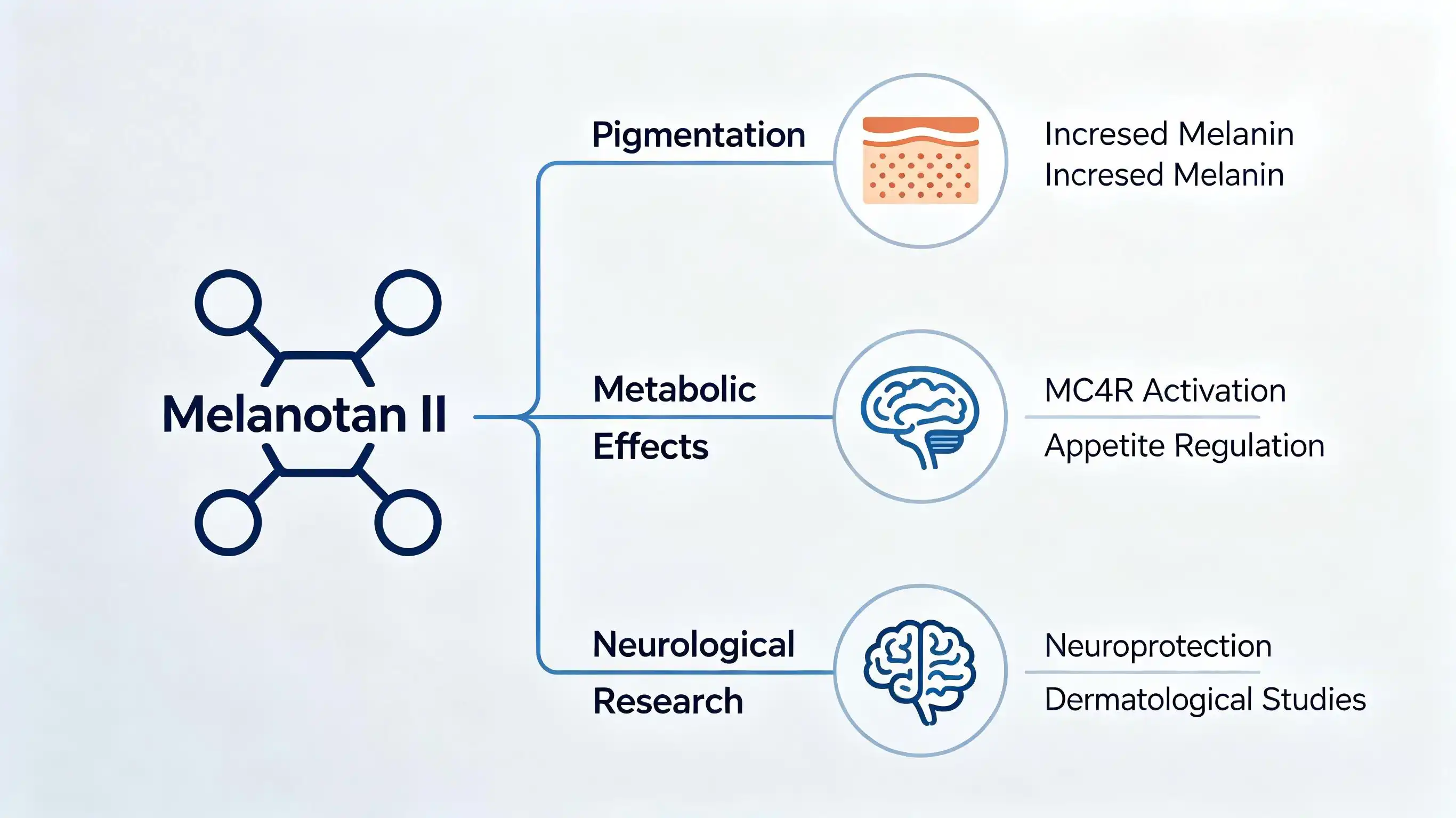
Scientists are looking into how melanocortin pathways affect sexual function, controlling hunger, and protecting neurons. When MC4R is activated, it affects appetite areas in the hypothalamus. Some study subjects reported eating less and losing only a little weight. In most cases, these effects are less important than color. However, drug companies doing metabolic research may find it useful to look into how these multi-receptors interact with each other.
Dermatology study labs use these peptides to learn more about how melanocortin signaling pathways work in different skin diseases. Being able to get research-grade materials that have been proven to be pure makes it possible to repeat experiments, which is very important for academic schools and CROs doing molecular studies.
Safety Profile and Side Effects: What Procurement Managers Need to Know
Common Adverse Reactions and Mitigation Strategies
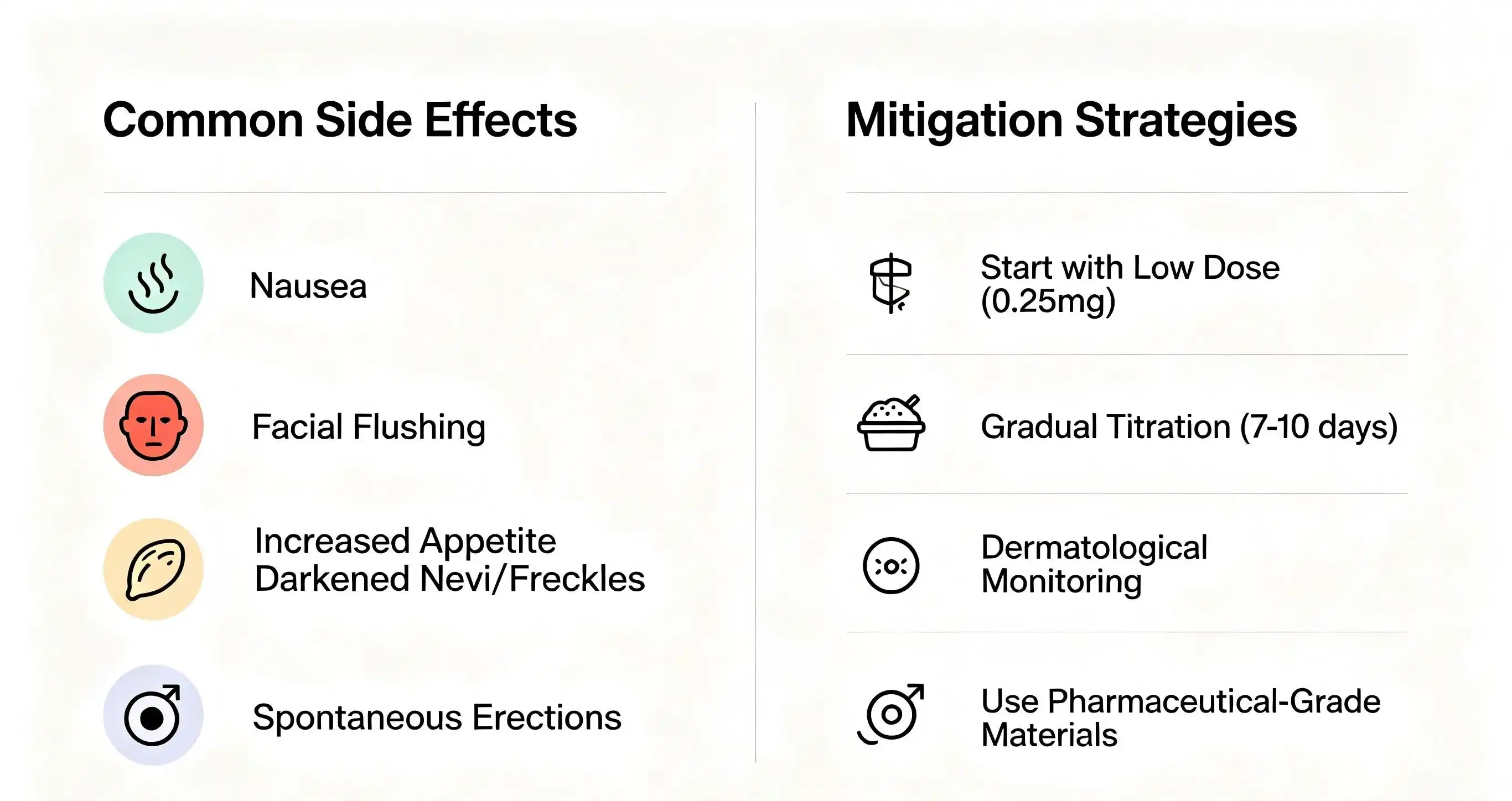
Clinical studies show a number of common side effects that can happen after taking melanocortin peptide. Most of the time, nausea, facial flushing, and changes in hunger happen during the first encounter. As the body gets used to the drug, these responses usually get less severe over time. Starting with low amounts (0.25 mg or less) and slowly raising them over 7 to 10 days makes the first reactions a lot less severe.
Some people's nevi or freckles get darker for a short time because a lot of melanocytes are activating. This is the compound's expected process, not a bad thing in and of itself, but users should still follow dermatological monitoring procedures. Medical aesthetic schools' quality assurance managers should make this advice part of their operational rules.
Another known affect is spontaneous erections, which happen more often at higher amounts and are caused by melanocortin working at non-selective receptor sites. This shows how important exact dosing methods are and why pharmaceutical-grade materials with proven potency are important for consistent results.
Regulatory Landscape and Compliance Considerations
The legal situation is very different in different parts of the world. The substance is not cleared by the FDA for use as a cosmetic or medicine in the United States. It is therefore considered an untested new drug. Similar rules apply to European markets, where the European Medicines Agency does not approve marketing applications. In Australia, you can only get it with a prescription.
Pharmaceutical businesses and makeup brands that are thinking about formula development face unique problems because of the rules and regulations in place. Legal compliance teams have to be very careful when dealing with these limits. For example, many organizations only allow buying for study purposes that are properly supervised by the institution. To avoid trade violations, trading companies that do business with other countries need a lot of information about the rules that apply to their products.
Quality Assurance and Supplier Certification Requirements
When making sourcing choices for Melanotan II powder, companies with strong quality management systems should be given the most weight. Procurement managers use ISO certification, GMP compliance paperwork, and third-party laboratory testing (COA with each batch) as minimum standards when they look at possible vendors. The fact that supporting documents like MSDS (Material Safety Data Sheets) and stability data are available shows how sophisticated the seller is.
For pharmaceutical R&D purposes, extra information like synthetic route details, impurity profiles, and the availability of reference standards becomes important. To meet the standards for regulatory filing, CROs that do preclinical studies need to do full chemical analysis. In competitive procurement reviews, suppliers who can provide these expert help materials stand out.
Operational Guidelines: Usage, Storage, and Handling of Melanotan II Powder
Reconstitution and Administration Protocols
Aseptic reconstitution method is the first step in proper treatment. The lyophilized powder needs to be mixed with bacteriostatic water at levels usually between 1 and 2 mg per milliliter. By reducing shear forces that can damage molecular structure, gentle swirling instead of violent shaking protects the stability of peptides.
Different applications use different administration methods. In research settings, subcutaneous injections are used at rotation spots to keep local reactions to a minimum. It is common for dosing plans to have a loading phase (daily administration until desired pigmentation) and then an upkeep phase (daily administration 1-2 times weekly). Documenting these methods helps make them repeatable in study settings and helps formulation scientists make delivery systems.
Storage Requirements for Optimal Stability
For peptide safety to be maintained, the climate must be controlled at all points in the supply chain. Lyophilized powder that is kept at -20°C in tightly sealed cases stays effective for two years. Moisture causes degradation, so including desiccant in packing is an important thing for suppliers to think about.
Once it has been restored, it must be kept cold at 2–8°C. It is best not to freeze restored liquids because the formation of ice crystals can damage the structure of peptides. These temperature-sensitive needs affect logistics planning, especially for packages going across foreign borders that need to be managed through the cold chain.
Supply Chain Logistics and Bulk Procurement Advantages
Reliable sellers keep ready-to-ship Melanotan II powder in area warehouses, which lets orders be filled quickly (within 1 to 3 days). This quick turn-around keeps research from being held up by pharmaceutical businesses that use just-in-time inventory methods. Shipping with well-known companies like DHL, FedEx, TNT, and EMS and using temperature-controlled packing makes sure that the goods get to their destination in perfect shape.
Businesses that need to keep buying things can save money by buying in bulk. Suppliers with monthly quantities of 50 kg or more can help with large-scale operations, such as CRO screening programs and OEM makers making their own formulas. Payment terms like T/T, LC, or DA make it possible for different organizations to use different buying strategies.
Companies that are making their own recipes can protect their customers' privacy with discreet packing. Labeling practices that don't reveal box contents are used by suppliers who know how to protect competitive information. This is especially important for developing new products in competitive markets.
Choosing the Right Melanotan II Powder Supplier: Ensuring Quality and Reliability
Critical Supplier Evaluation Criteria
Finding a reliable production partner requires a thorough evaluation of many factors. Verification of the product's identity through tests in a separate lab should be the minimum requirement. By asking for reference samples along with COA paperwork, procurement teams can make sure that the claimed specs are accurate before placing big orders.
The ability to make things is just as important. Suppliers with GMP-certified facilities have sophisticated process controls that ensure quality is the same from batch to batch. When they are available, site audit records let you see what the production areas and quality processes look like. Before adding sellers to lists of approved vendors, pharmaceutical buying teams often need this kind of paperwork.
Premium suppliers are different from basic suppliers because they offer technical help. Being able to offer custom synthesis services, change the spread of particle sizes, or create unique formulas adds strategic value that goes beyond just selling products. Suppliers who work with R&D teams as professional partners instead of just sources of materials are helpful.
Building Long-Term Strategic Partnerships
When it comes to the fine chemical business, trust and dependability are more important than simple price factors. Suppliers who show steady quality, reliable delivery schedules, and good communication earn preferred standing that lasts for more than one buying cycle.
Pharmaceutical companies care very much about keeping their supply chains running smoothly. When a material is used in commercial goods or research projects, it takes a lot of work to re-qualify new suppliers. This cost of moving makes it more difficult to break off a connection. Along with current price, smart buying strategies look at how stable the provider is, how profitable they are, and how much they can improve technology.
Another strategic benefit is the ability to customize. Formulation freedom is made possible by suppliers who offer peptide modification services, different salt forms, or custom packing solutions. Medical aesthetic companies that are making new transport methods can benefit from having partners who can change the specs to fit their own needs.
Geographic and Operational Considerations
Chinese companies control the markets for fine chemicals and peptide synthesis thanks to their improved technology, low prices, and large production capacities. This industry is exemplified by Xi'an Yihui Bio-technology, which has been in this business for 13 years and has global marketing networks that reach over 100 countries. Their ability to work together with pharmaceutical APIs, beauty ingredients, and study peptides makes it easier for companies to buy a lot of different kinds of products.
When evaluating suppliers, it's important to know about practical benefits like cheap minimum order quantities (MOQs), which let smaller study groups get high-quality products without having to commit to too much inventory. Because pharmaceutical trade happens all over the world, having professional customer service available 24 hours a day, seven days a week takes into account time zone differences that can cause contact delays.
Quality qualifications like ISO standards, Halal, and Kosher approvals make it easier for finished goods with these ingredients to get sold in more markets. Trading companies that serve customers in a variety of regions really value sellers that keep up-to-date licensing files that make following the rules easier in many places.
Conclusion
The melanocortin peptide pathway, as exemplified by Melanotan II powder, has strong benefits for improving pigmentation through receptor-mediated melanogenesis, even when the skin is not exposed to UV light. For pharmaceutical research and development teams, cosmetic formulators, and medical aestheticians, knowing the biochemical routes, safety concerns, and operating needs helps them make smart buying choices.
Quality control through approved suppliers, following the right dealing procedures, and building strategic partnerships are all important parts of successful buying strategies. Because the rules for these substances are so complicated, they need to be carefully managed to make sure they are followed. This makes it even more important to choose makers with a history of success. As more study is done to learn more about melanocortin pathways, they may be used for more than just color. They may also be used in metabolic and therapeutic areas.
FAQ
What purity level should pharmaceutical companies require when sourcing melanocortin peptides?
For pharmaceutical-grade uses, the purity must be at least 95%, which can be confirmed by HPLC analysis and detailed impurity profiling written in the Certificate of Analysis. Depending on the experimental technique, research uses may be able to handle slightly lower standards, but regulatory-compliant sourcing for any clinical pathway development needs the greatest purity standards that are available.
How long does melanin increase usually last after you stop using it?
Different people react differently depending on their metabolism and skin color, but most users notice a slow fading over two to four months after stopping. Maintenance plans that include regular low-dose administration can keep color going forever, though the best schedule for each person will depend on personal factors and ongoing skin evaluation.
What distinguishes this compound's legal status across major pharmaceutical markets?
As of now, the compound can only be used for study under the proper institutional control in the United States, the European Union, and many other places where it hasn't been approved for cosmetic or therapeutic use. Procurement teams have to make sure they are following local rules and keep records that support real scientific research instead of market distribution.
Partner with Xi'an Yihui for Premium Melanotan II Powder Supply
You can trust Xi'an Yihui Bio-technology to be your reliable melanocortin peptide supplier. They make pharmaceutical-grade products and offer full technical help that is suited to your buying needs. Our Melanotan II powder (CAS: 121062-08-6) meets strict quality standards and is guaranteed to be pure. Each package comes with full analytical paperwork, such as a COA, MSDS, and stability data.
Some of the benefits of manufacturing include ISO-certified facilities, ready-stock that can be delivered in one to three days from local stores, and flexible payment terms (T/T, LC, DA) that can be used with a variety of company policies. We can produce up to 50 kg per month and ship worldwide with DHL, FedEx, and other high-end carriers, so we can meet the needs of both research-scale needs and business production amounts. Our 13 years of experience working with pharmaceutical businesses, CROs, and sellers of cosmetic ingredients in more than 100 countries shows how reliable we are, which is important for keeping your supply chain running.
You can email our technical team at sales@yihuipharm.com or visit yihuipharm.com to talk about your specific peptide sourcing needs, ask for sample materials for quality testing, or learn more about our custom synthesis options. Our customer service is available 24/7, so you can talk to someone right away, no matter what time zone you're in. This makes it easy to integrate with your buying processes.
References
1. Dorr, R.T., Lines, R., Levine, N., Brooks, C., Xiang, L., Hruby, V.J., and Hadley, M.E. (1996). "Evaluation of melanotan-II, a superpotent cyclic melanotropic peptide in a pilot phase-I clinical study." Life Sciences, 58(20), 1777-1784.
2. Wessells, H., Fuciarelli, K., Hansen, J., Hadley, M.E., Hruby, V.J., Dorr, R., and Levine, N. (1998). "Synthetic melanotropic peptide initiates erections in men with psychogenic erectile dysfunction: Double-blind, placebo controlled crossover study." Journal of Urology, 160(2), 389-393.
3. Sharma, S.D., Granberry, M.C., Jiang, J., Leong, S.P., and Hadley, M.E. (1994). "Multifunctional melanotropic peptides: Structure-activity relationships of melanocyte stimulating hormone peptide analogues." Peptides, 15(7), 1249-1256.
4. Levine, N., Sheftel, S.N., Eytan, T., Dorr, R.T., Hadley, M.E., Weinrach, J.C., Ertl, G.A., Toth, K., McGee, D.L., and Hruby, V.J. (1991). "Induction of skin tanning by subcutaneous administration of a potent synthetic melanotropin." Journal of the American Medical Association, 266(19), 2730-2736.
5. Cone, R.D., Lu, D., Koppula, S., Vage, D.I., Klungland, H., Boston, B., Chen, W., Orth, D.N., Pouton, C., and Kesterson, R.A. (1996). "The melanocortin receptors: Agonists, antagonists, and the hormonal control of pigmentation." Recent Progress in Hormone Research, 51, 287-318.
6. Giuliani, D., Bitto, A., Galantucci, M., Zaffe, D., Ottani, A., Irrera, N., Neri, L., Cavallini, G.M., Altavilla, D., Botticelli, A.R., Squadrito, F., and Guarini, S. (2014). "Melanocortins protect against progression of Alzheimer's disease in triple-transgenic mice by targeting multiple pathophysiological pathways." Neurobiology of Aging, 35(3), 537-547.

Send Inquiry
You may like
Related Industry Knowledge