
Home / Knowledges
Knowledges
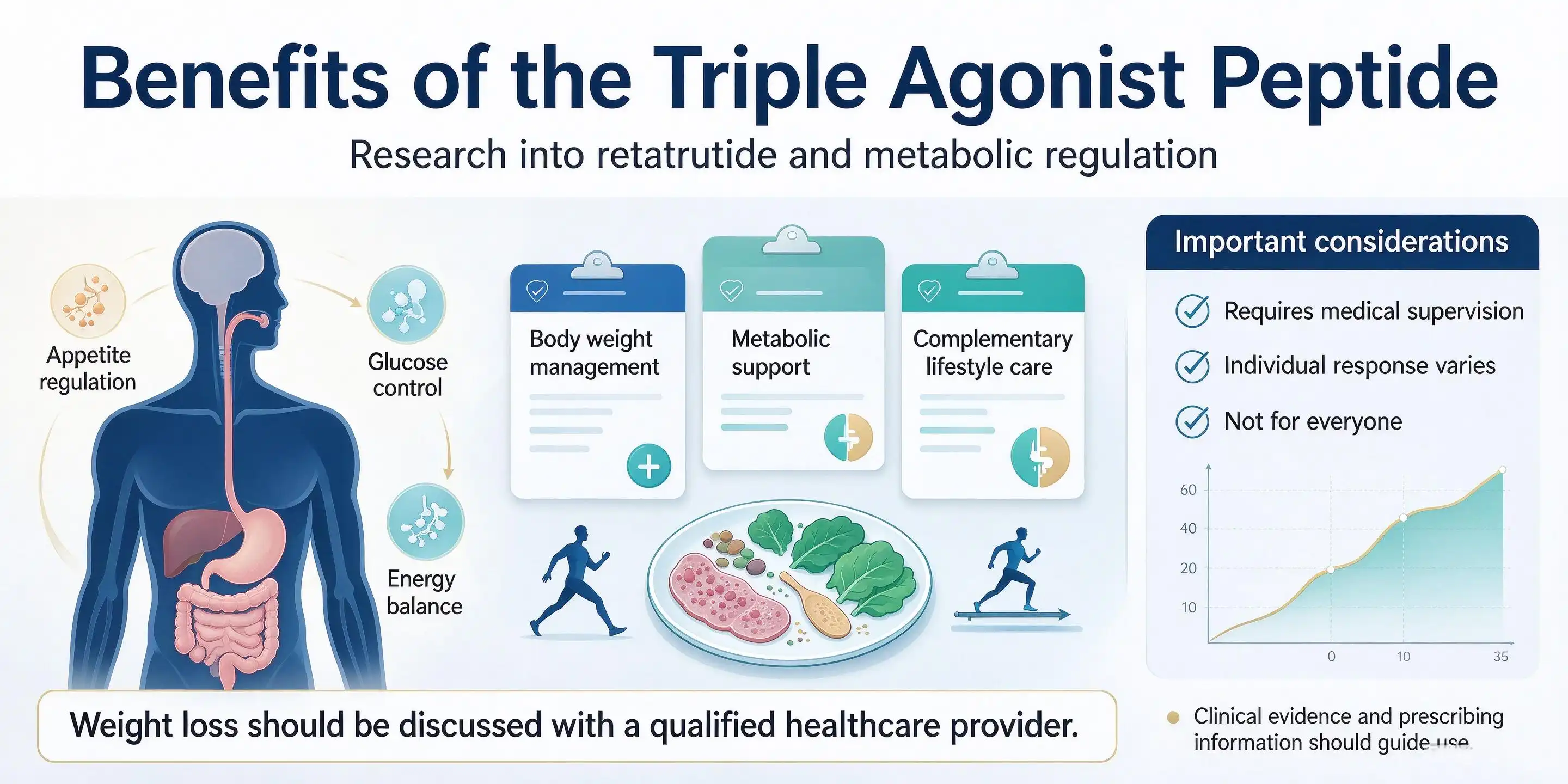
Retatrutide for Weight Loss: Benefits of the Triple Agonist Peptide
If you work in pharmaceutical R&D, peptide procurement, or metabolic research, you have likely heard growing discussion around triple agonist peptide retatrutide. As a triple agonist peptide, retatrutide simultaneously targets GLP-1, GIP, and glucagon receptors — three distinct metabolic pathways — within a single synthetic molecule. This multi-receptor approach distinguishes it sharply from older single or dual-agonist therapies. Phase 2 trial data published in The New England Journal of Medicine reported up to 24.2% mean body weight reduction over 48 weeks, a figure that has drawn serious attention from drug developers and research institutions worldwide.VIEW MORE
Acetyl Decapeptide-3 Powder Explained: How This Anti-Aging Peptide Supports Skin Repair
Acetyl decapeptide-3 powder (CAS 935288-50-9) is a synthetic signaling peptide with the sequence Ac-Tyr-Arg-Ser-Arg-Lys-Tyr-Thr-Ser-Trp-Tyr-NH₂ and a molecular weight of 1450.6 Da. It was engineered to mimic acidic fibroblast growth factor (aFGF), stimulating fibroblast proliferation and driving collagen and elastin production at the dermal level. For R&D teams and procurement managers in the skincare and dermo-cosmetic sectors, this peptide addresses a real formulation gap: delivering growth-factor-level biology without the instability of proteins. Its purity of ≥98.0% by HPLC makes it a dependable raw material for anti-aging product development.VIEW MORE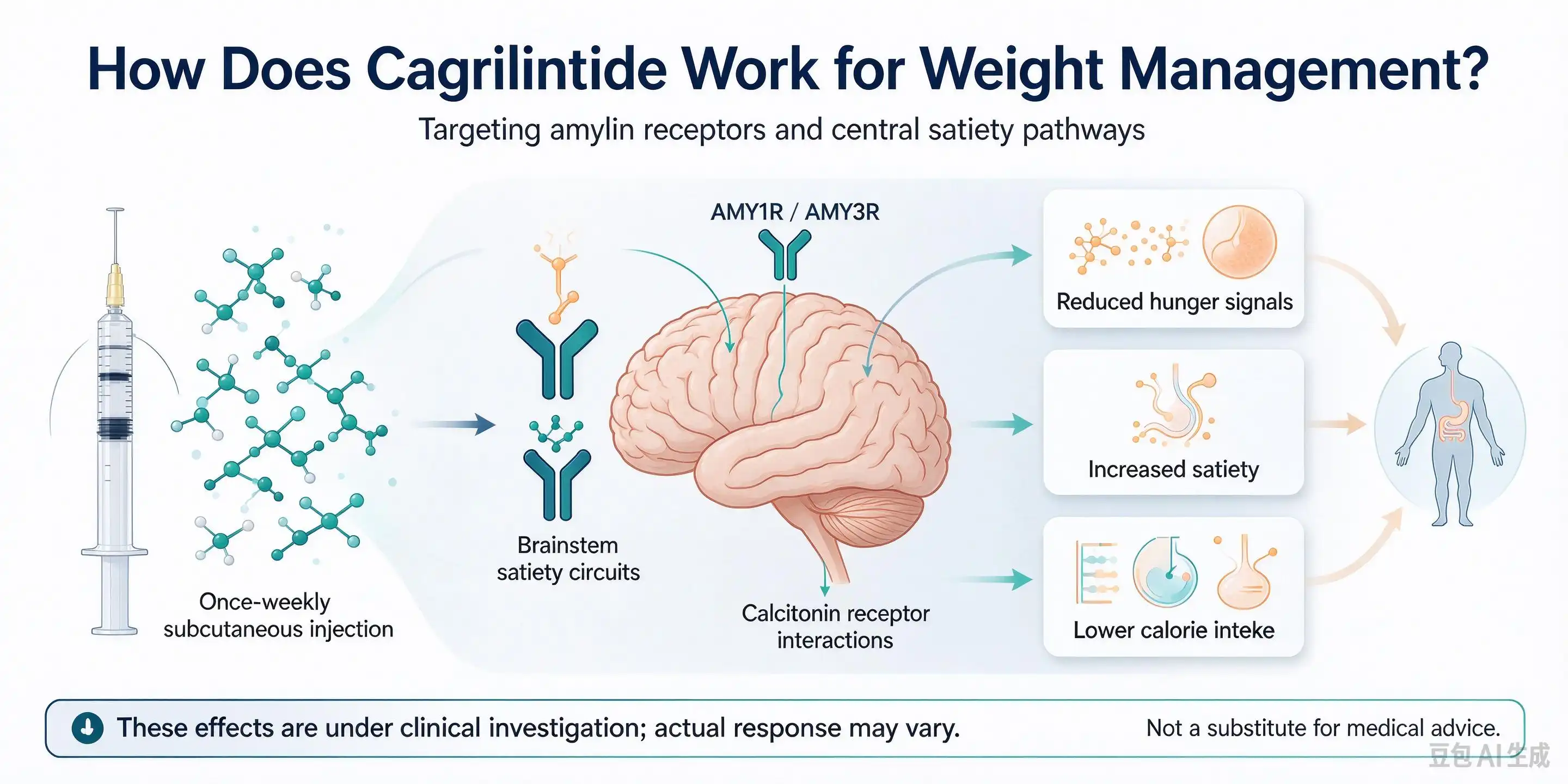
What is cagrilintide and how does it work for weight loss?
GLP-1 peptide cagrilintide is a fixed-ratio co-formulation combining cagrilintide, a long-acting amylin analog, with semaglutide, a well-established GLP-1 receptor agonist. Cagrilintide (CAS: 1415456-99-3) acts as a dual amylin and calcitonin receptor agonist (DACRA), working alongside GLP-1 activity to suppress appetite, slow gastric emptying, and reduce glucagon secretion. Together, these two mechanisms produce additive weight reduction that exceeds either agent alone. In Phase II trials, the combination achieved up to 15.6% body weight reduction at 32 weeks—results that have placed this peptide pairing at the forefront of metabolic drug research.VIEW MORE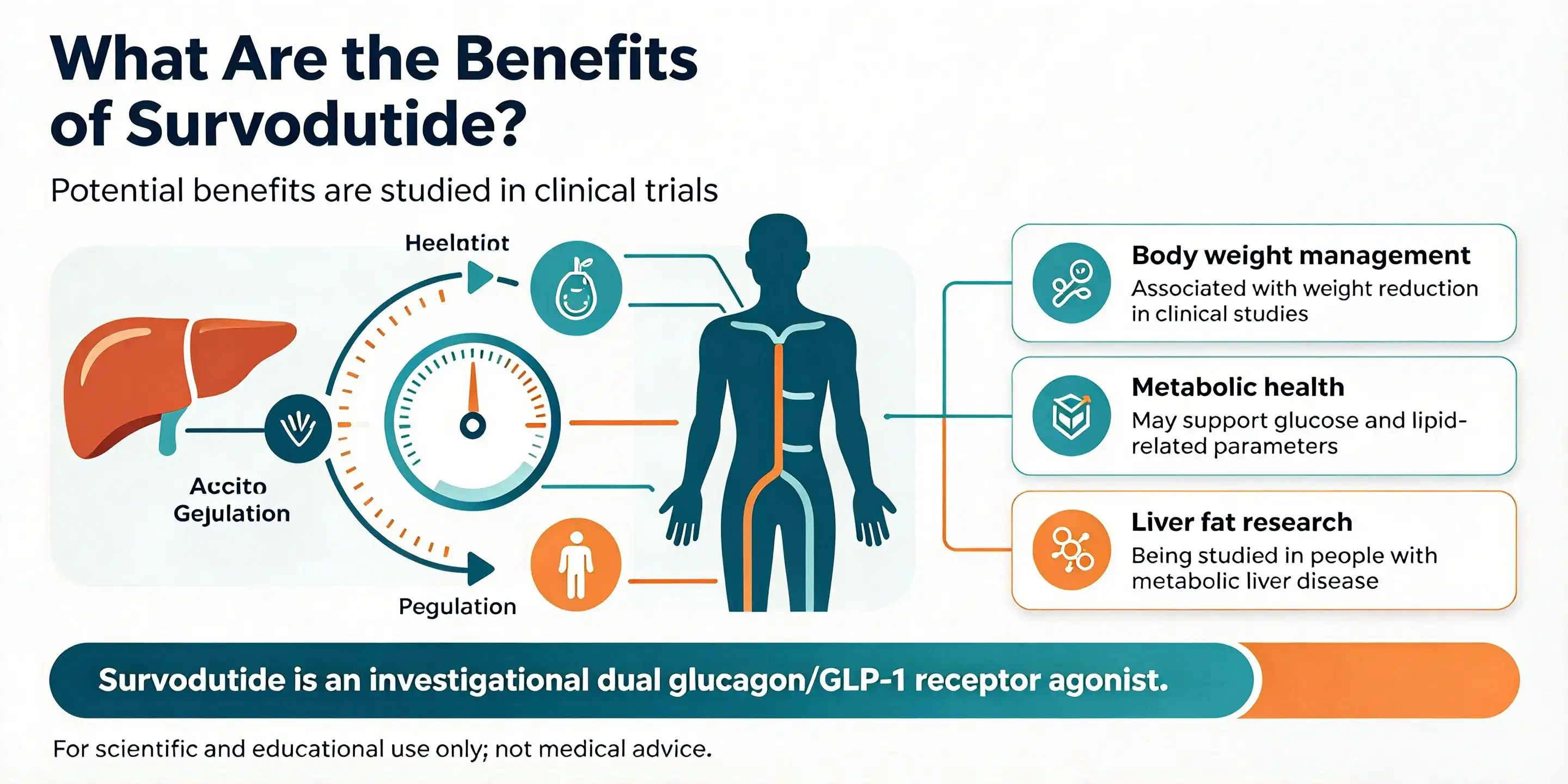
What are the benefits of Survodutide peptides?
Survodutide peptides offer a clinically significant advance in metabolic medicine by acting simultaneously on two receptor pathways—the glucagon receptor (GCGR) and the GLP-1 receptor (GLP-1R). This dual-agonist mechanism produces stronger weight reduction and improved liver fat clearance compared to single-receptor agents. For research teams and pharmaceutical procurement professionals, sourcing high-purity survodutide powder (CAS 2805997-46-8) means gaining access to a compound with a 99% assay rating, confirmed molecular weight of 4,231.62 Da, and reproducible batch quality—factors that directly affect experimental validity and downstream formulation success.VIEW MORE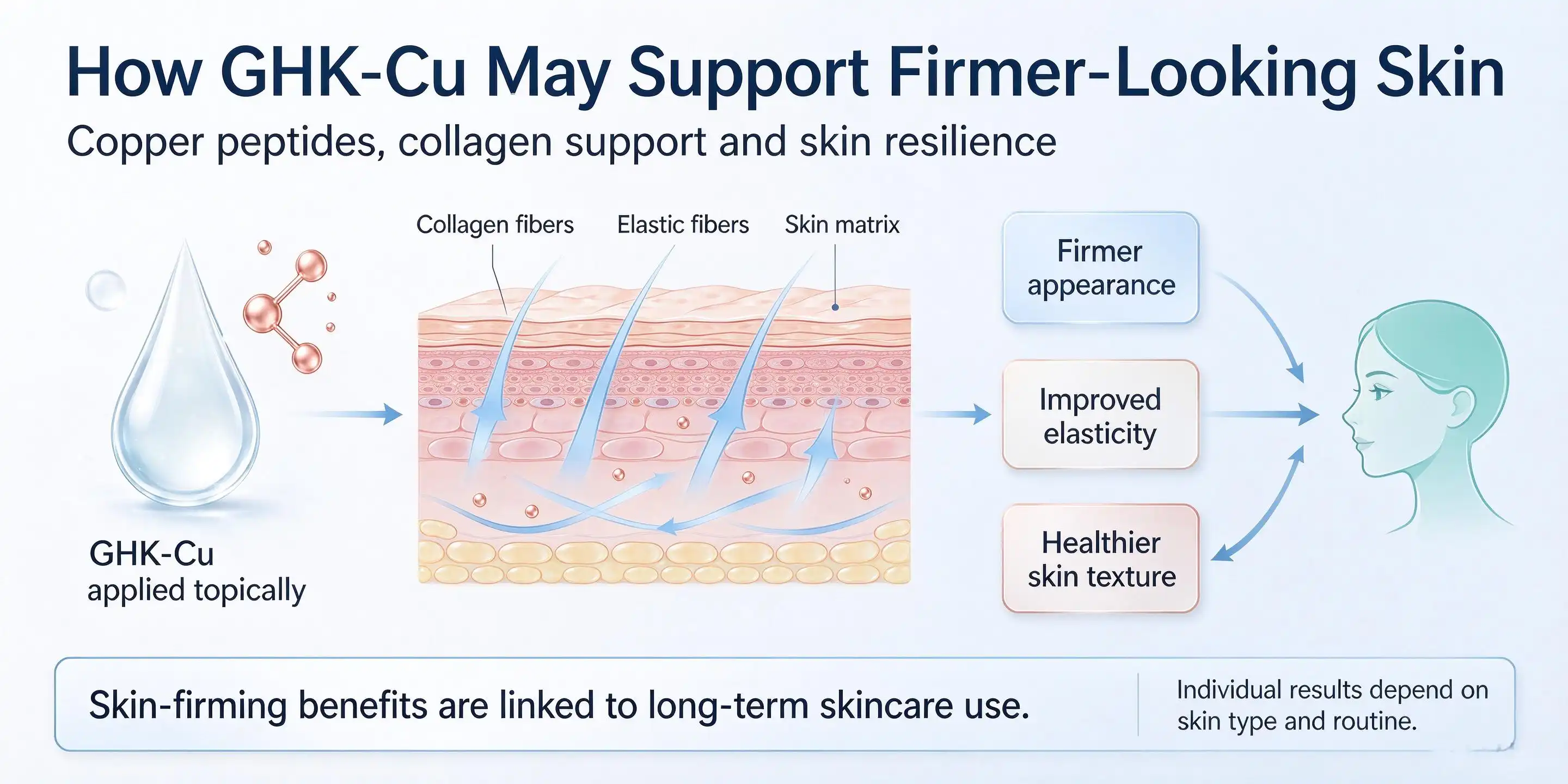
GHK-Cu Peptide Serum: Copper Peptides for Skin Firmness
GHK-Cu (Copper Tripeptide-1, CAS 49557-75-7) is one of the most studied signal peptides in modern skincare science. Originally isolated from human plasma, this tripeptide with sequence Gly-His-Lys-Cu²⁺ has earned a strong position in anti-aging formulation because of its documented ability to stimulate collagen synthesis, accelerate wound repair, and reduce oxidative stress. For B2B buyers developing premium serums or clinical-grade treatments, anti-aging GHK-Cu represents a scientifically backed, regulatory-friendly raw material that addresses real skin aging biology at the cellular level.VIEW MORE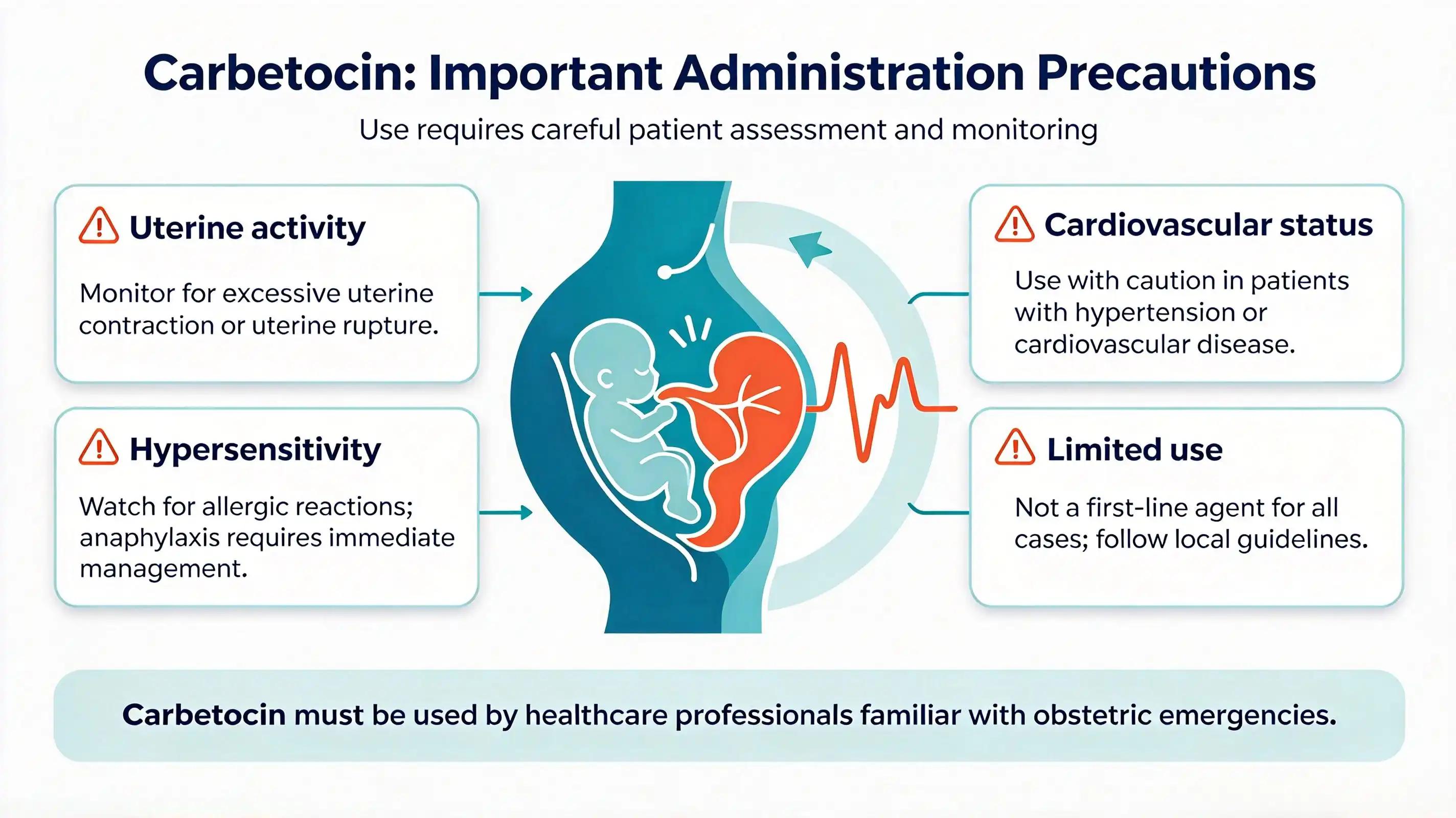
How do you administer carbetocin?
Carbetocin powder is administered as a single intravenous bolus injection immediately following delivery, typically after cesarean section under epidural or spinal anesthesia. The standard clinical dose is 100 micrograms (0.1 mg), delivered slowly over approximately one minute into a peripheral vein. This synthetic oxytocin analogue binds to uterine oxytocin receptors to induce sustained contractions, preventing postpartum hemorrhage more effectively than natural oxytocin due to its extended half-life and superior stability. Reconstitution must occur under sterile conditions using appropriate diluents before administration.VIEW MORE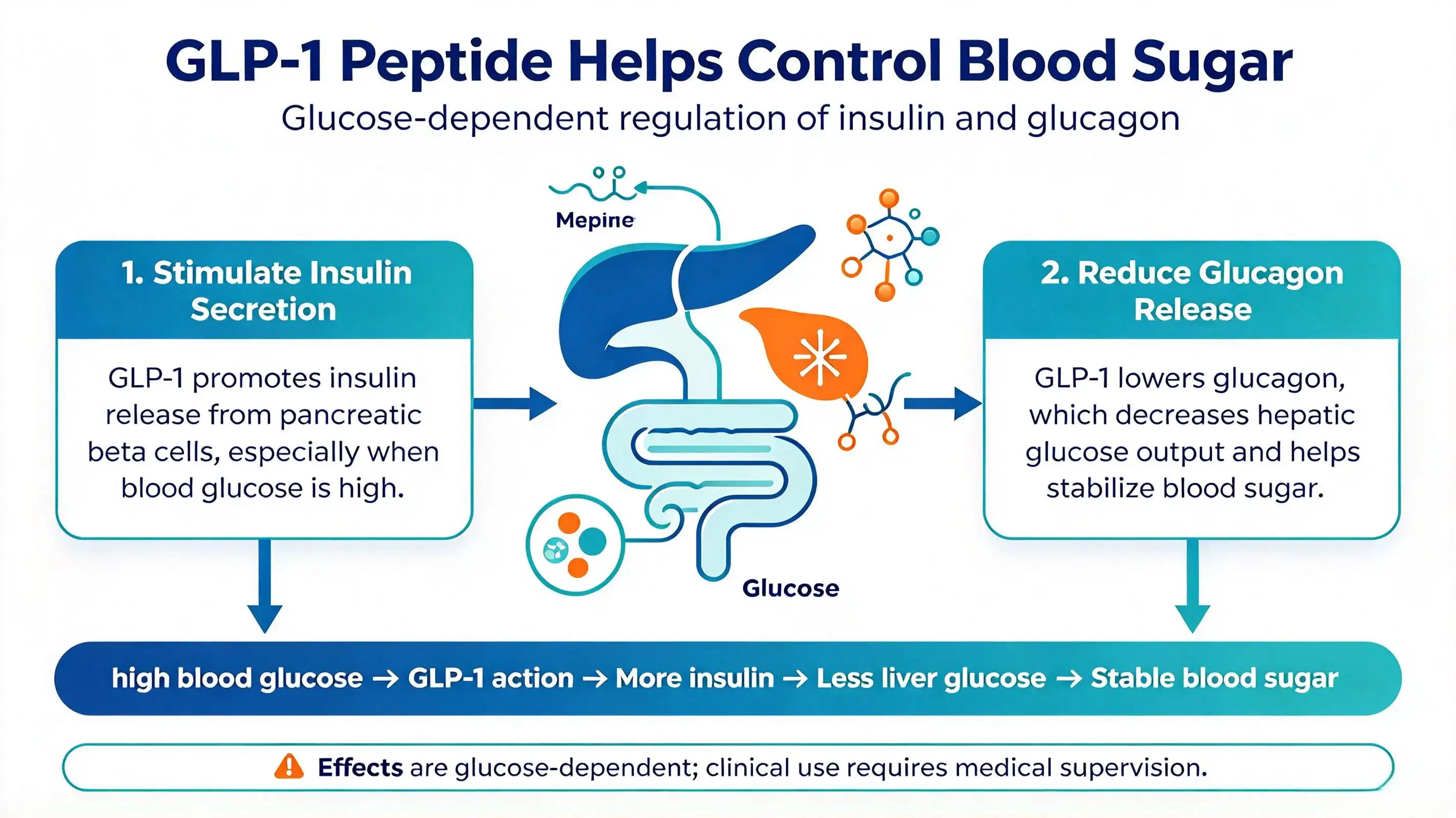
How GLP-1 Peptide Helps Control Blood Sugar and Appetite?
The GLP-1 peptide Liraglutide represents a breakthrough in metabolic regulation by mimicking the body's natural incretin hormones. This long-acting GLP-1 receptor agonist (CAS: 204656-20-2) works through multiple pathways to enhance glucose-dependent insulin secretion from pancreatic beta cells, suppress inappropriate glucagon release, and slow gastric emptying.VIEW MORE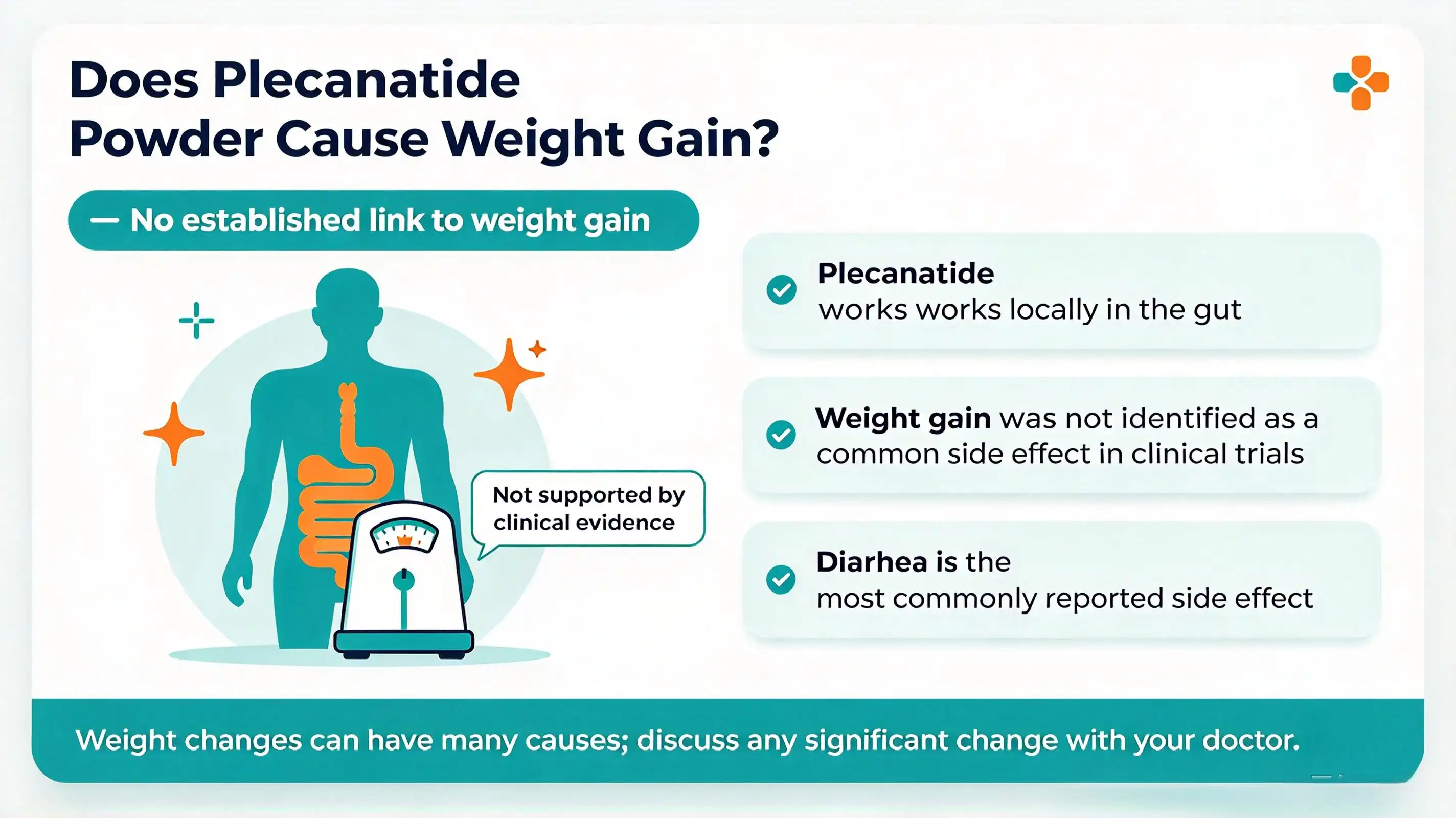
Does plecanatide powder cause weight gain?
Clinical trials and pharmacovigilance data consistently show that plecanatide powder does not cause weight gain. The synthetic peptide, classified as a guanylate cyclase-C agonist with CAS No. 467426-54-6, acts locally in the gastrointestinal tract without systemic absorption that would affect metabolic pathways or appetite regulation. Studies evaluating this peptide for irritable bowel syndrome with constipation and chronic idiopathic constipation have not identified weight gain as a common or expected adverse effect. Any weight fluctuations observed in patients typically relate to underlying health conditions, dietary patterns, or concurrent medications rather than the therapeutic agent itself.VIEW MORE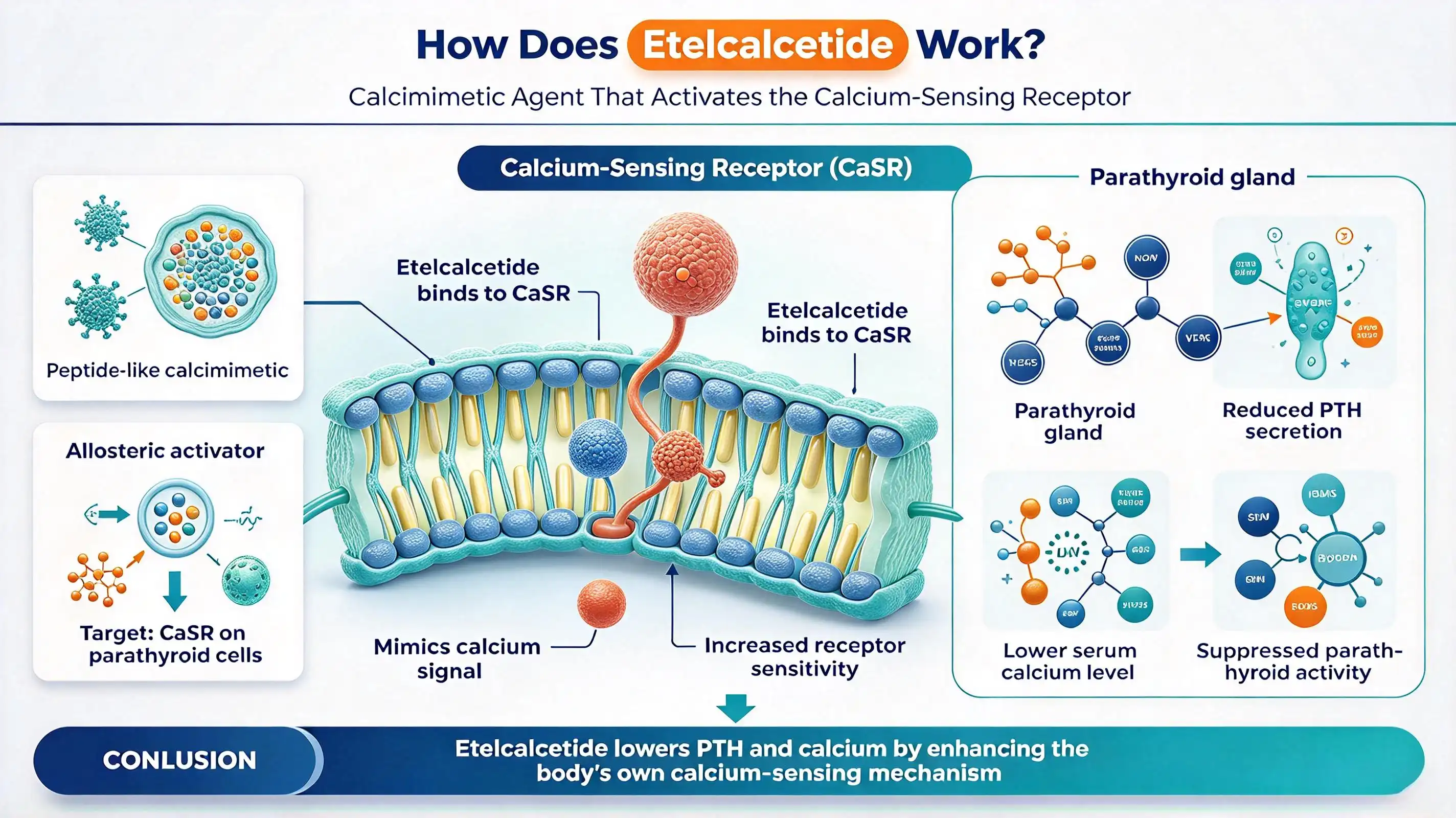
How Does Etelcalcetide Work?
Etelcalcetide hydrochloride represents a breakthrough in managing calcium metabolism disorders, particularly secondary hyperparathyroidism in patients undergoing dialysis. This synthetic calcimimetic peptide operates by binding directly to calcium-sensing receptors (CaSR) on parathyroid cells, triggering a conformational change that amplifies the receptor's sensitivity to extracellular calcium.VIEW MORE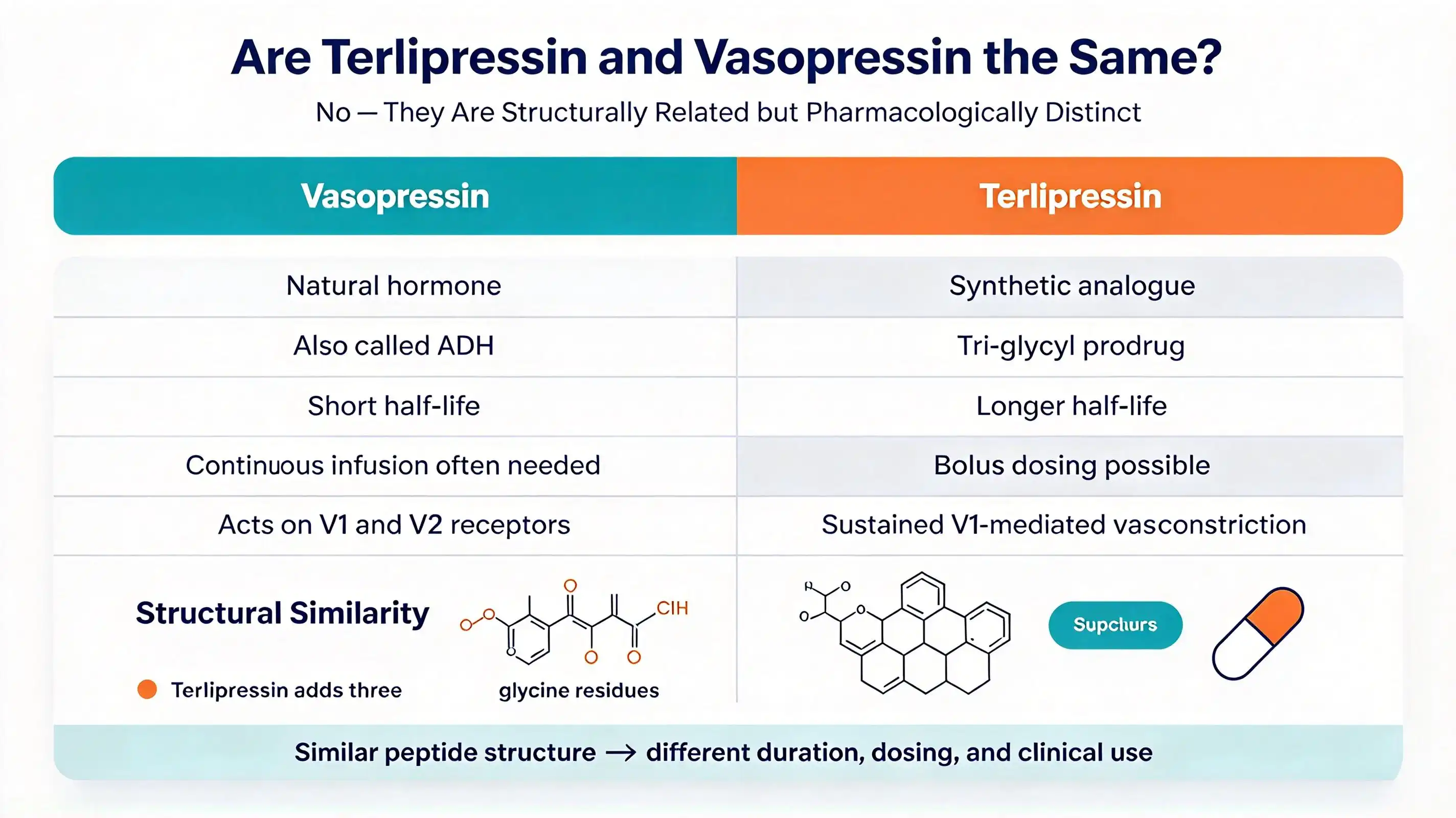
Are terlipressin and vasopressin the same?
No, terlipressin and vasopressin are not the same, though they share structural similarities as vasopressor peptides. Vasopressin is a naturally occurring hormone that regulates water balance and blood pressure, while terlipressin is a synthetic analogue designed for prolonged therapeutic action. Terlipressin powder (CAS No. 14636-12-5), with its molecular formula C₅₂H₇₄N₁₆O₁₅S₂, contains three additional glycine residues that act as a prodrug, gradually converting to the active form in vivo. This structural modification extends the half-life significantly—approximately 6 hours compared to vasopressin's 10-20 minutes—making terlipressin more suitable for clinical emergency scenarios requiring sustained vasoconstriction without continuous infusion.VIEW MORE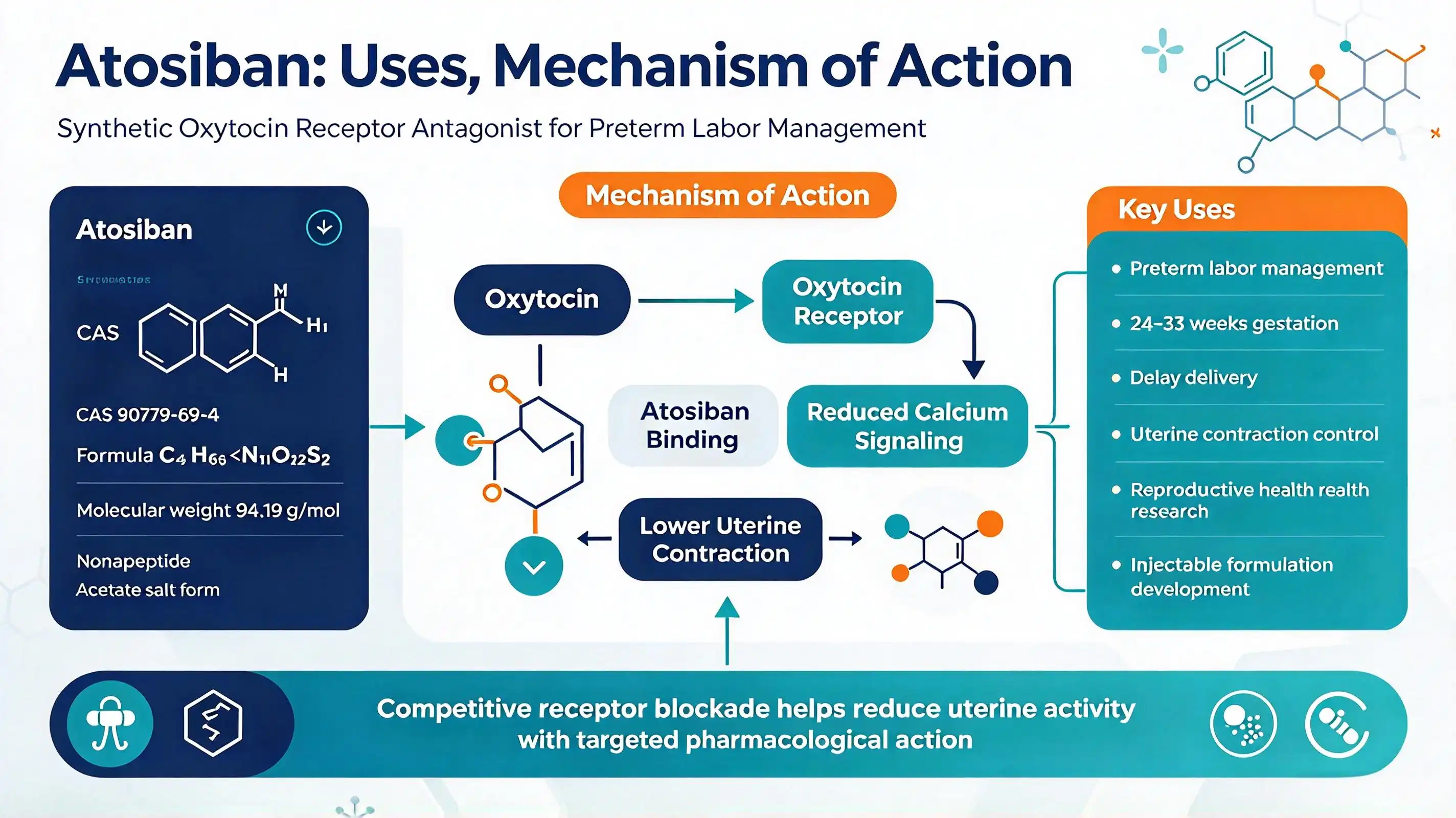
Atosiban: Uses, Interactions, Mechanism of Action
Atosiban powder serves as a vital pharmaceutical peptide used primarily in reproductive health research and preterm labor management. As a synthetic oxytocin receptor antagonist with the molecular formula C₄₃H₆₇N₁₁O₁₂S₂ (CAS No. 90779-69-4), this white to off-white peptide compound offers researchers and pharmaceutical manufacturers a reliable active pharmaceutical ingredient for developing tocolytic therapies. With an assay of 99% and HPLC purity ≥98%, the material meets stringent quality standards essential for scientific investigation into uterine relaxation mechanisms and obstetric drug development.VIEW MORE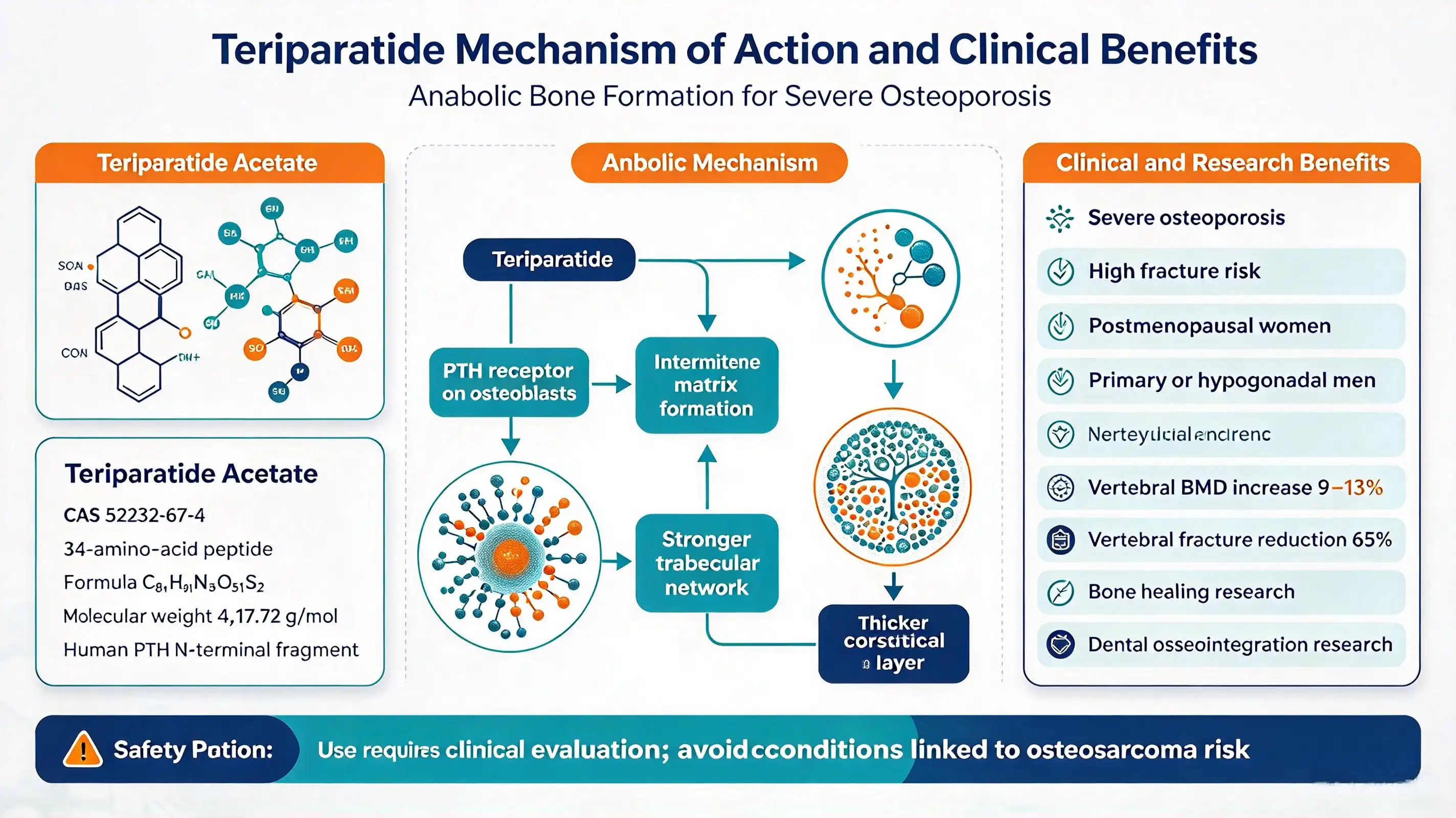
Teriparatide: Uses, Interactions, Mechanism of Action
Teriparatide API represents a breakthrough in osteoporosis therapy, functioning as a synthetic peptide that mirrors the biological activity of human parathyroid hormone. This pharmaceutical ingredient promotes bone formation through targeted osteoblast stimulation, making it invaluable for treating severe osteoporosis in high-risk fracture patients.VIEW MORE
- 1
- 2
- 3
- 4
- 5
- 6
- 31
Total 31 pages