
Home / Knowledges
Knowledges
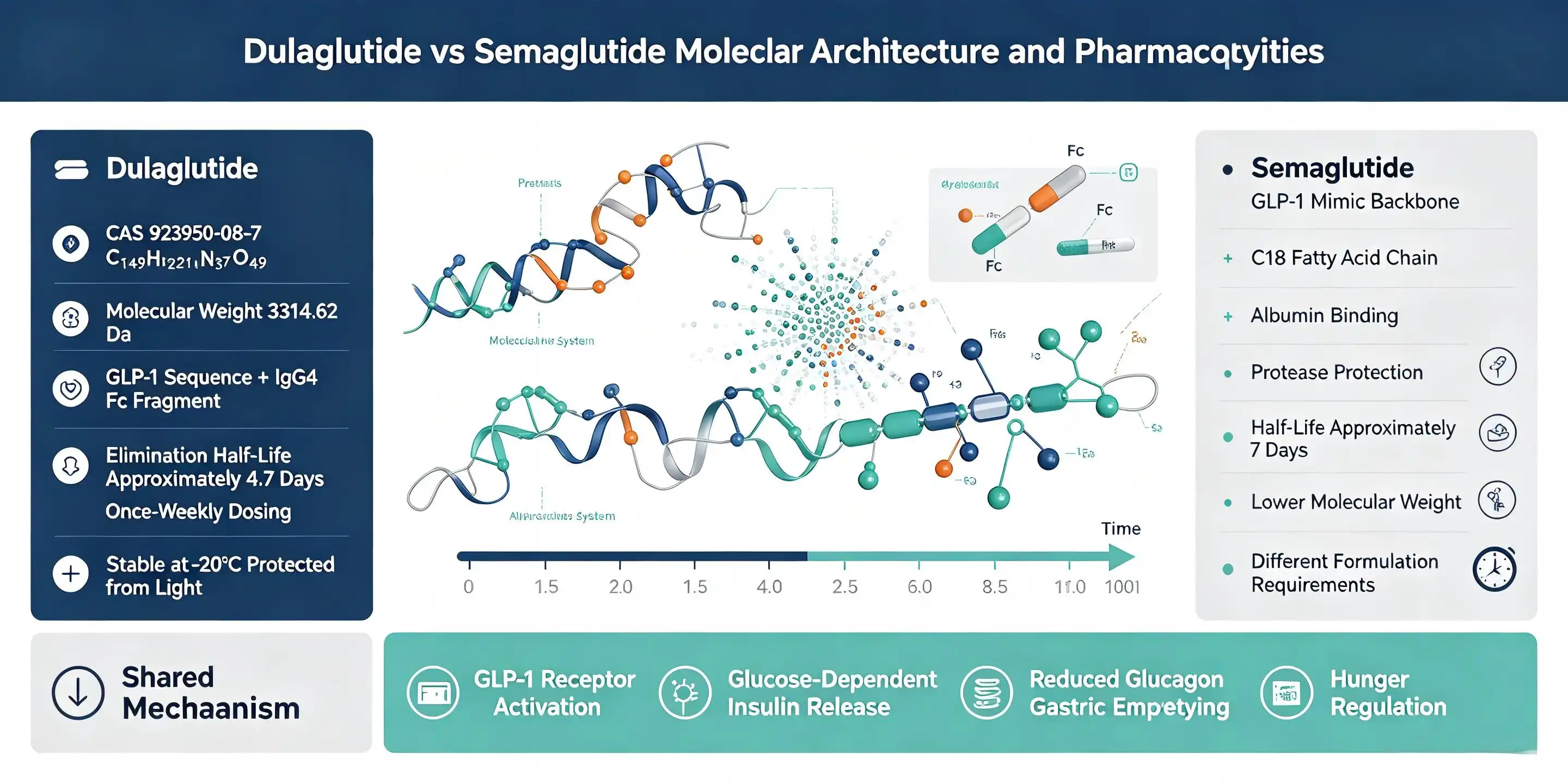
Dulaglutide vs. Semaglutide: Differences and Similarities Between the Two Medications
The use of GLP-1 receptor agonists is a big step forward in the fight against metabolic diseases. Two well-known pharmaceutical peptides in this group are Dulaglutide powder and semaglutide. The two drugs work on the glucagon-like peptide-1 receptor system. When taken once a week, they help keep blood sugar and weight in check. Even though these peptides do similar things, their molecular makeup, ability to bind, and ways of measuring clinical results are all very different.VIEW MORE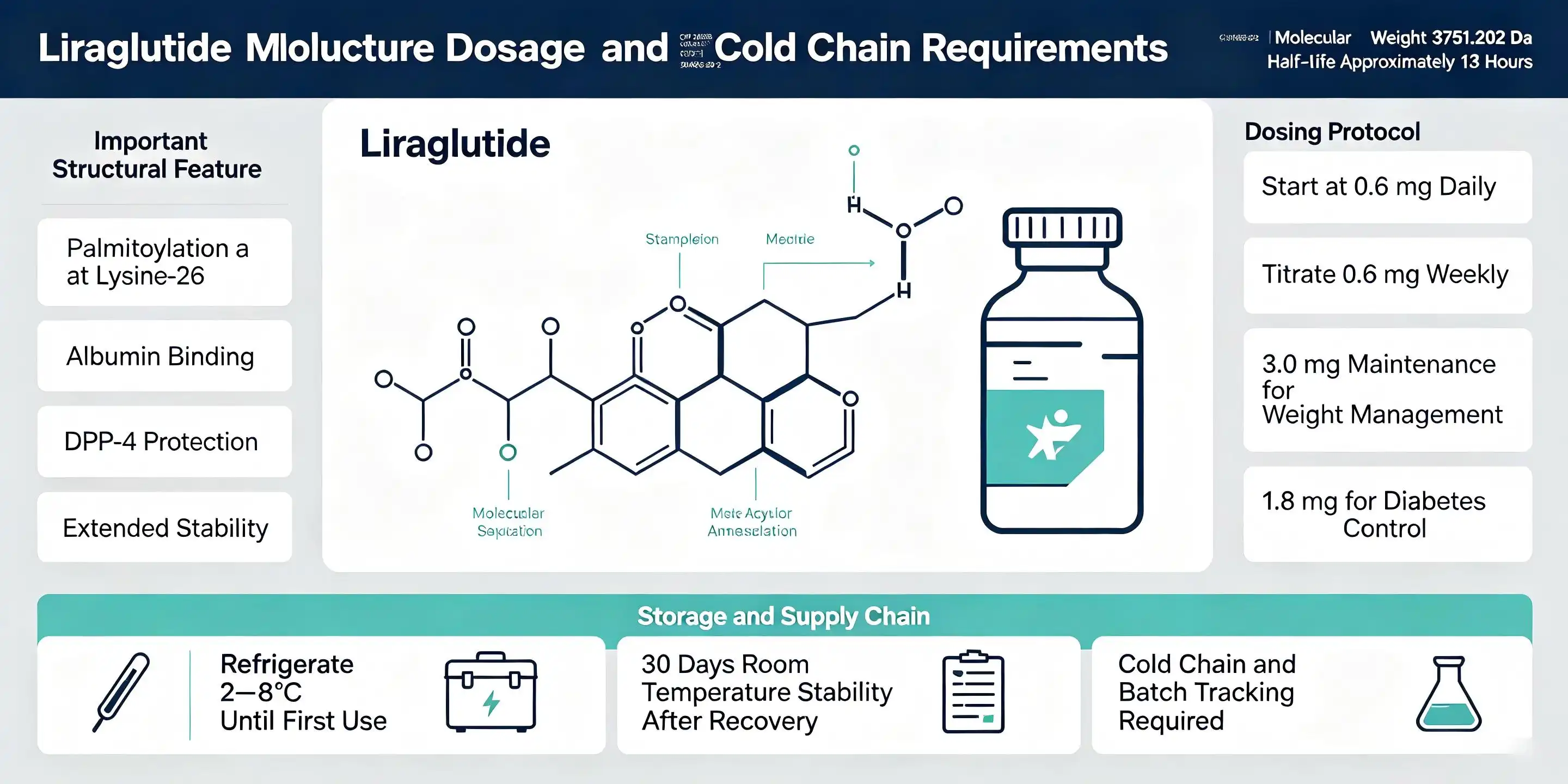
Is Liraglutide Effective for Weight Loss? Understanding the GLP-1 Peptide Therapy
Liraglutide works very well to help people lose weight because it binds to GLP-1 receptors. The GLP-1 peptide Liraglutide works like the incretin hormone found in nature. It does this by stimulating receptors that control glucose metabolism and hunger. Clinical data shows that people who take Liraglutide and make changes to their lifestyle lose an average of 5 to 10 percent of their starting body weight in six months. This peptide works by slowing the emptying of the stomach and sending stronger messages to the brain that you are full.VIEW MORE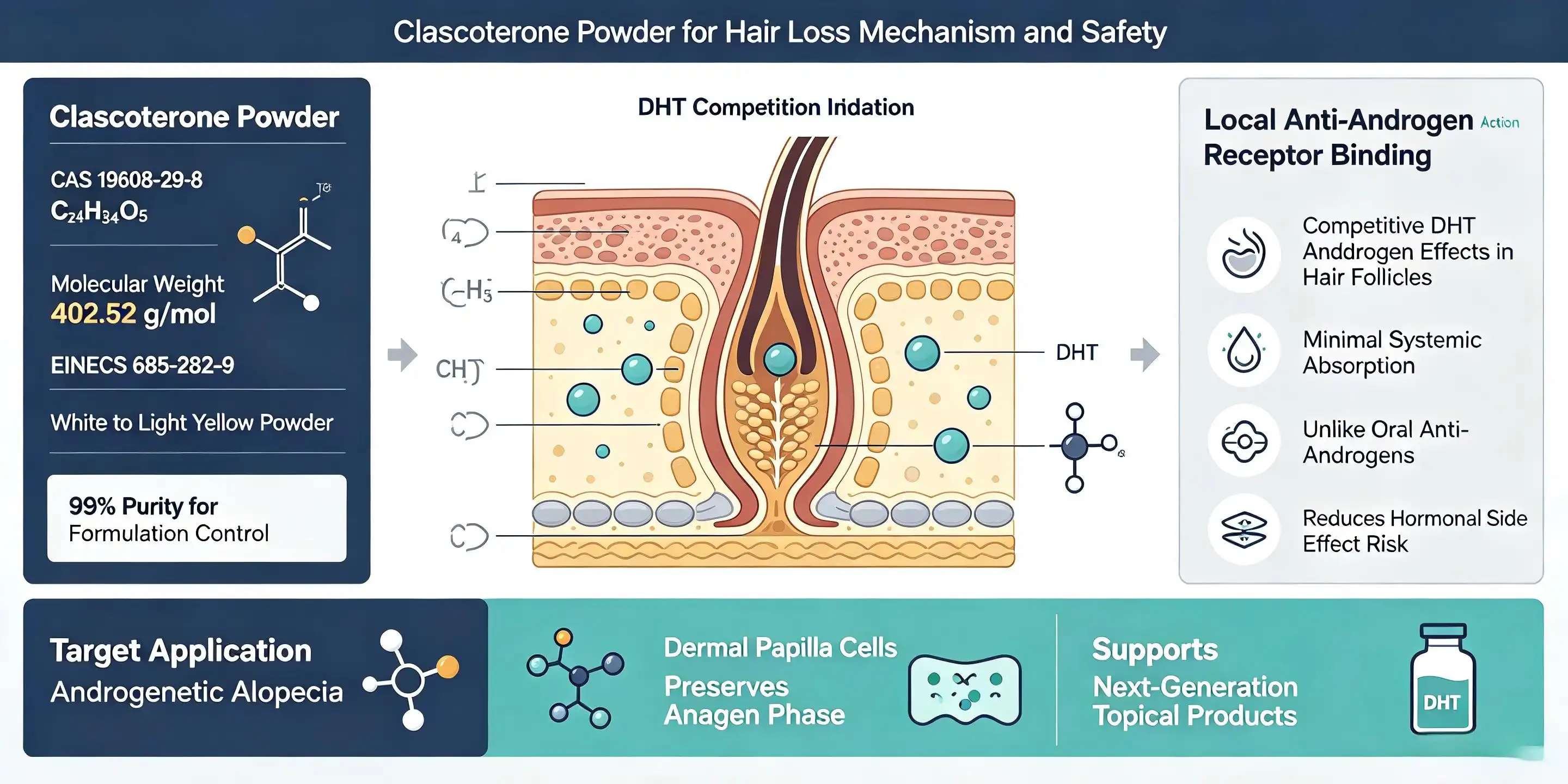
Clascoterone & Hair Loss: Does It Work & Is It Safe?
Androgenetic alopecia is a major clinical and economic issue in dermatology. It affects millions of people around the world. Clascoterone powder, a cosmetic anti-androgen with the chemical formula C24H34O5 and the CAS number 19608-29-8, has shown promise. This white to light yellow powder works by blocking androgen receptors directly in hair follicles, instead of going into the bloodstream like finasteride does. Topical formulations with this API have been shown in clinical tests to stop hair loss by blocking dihydrotestosterone (DHT) locally. This is a safer option with few side effects. This cortexolone derivative can be used by pharmaceutical companies and beauty formulators looking for new ingredients to make next-generation hair loss products that are backed by thorough dermatological research.VIEW MORE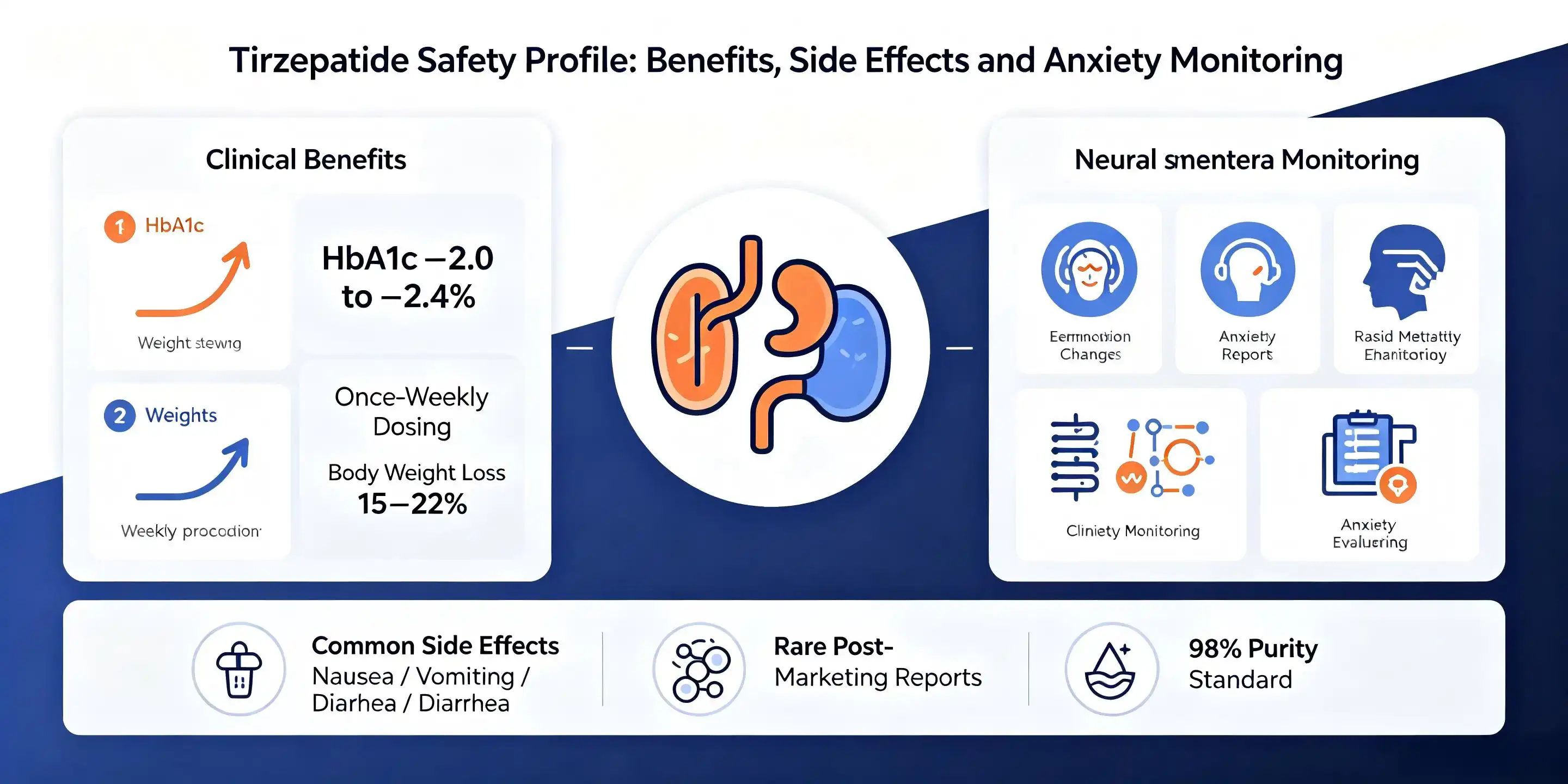
How long to feel effects of tirzepatide
Pharmaceutical companies and sourcing workers who are looking at this new dual-receptor agonist need to know when the effects of tirzepatide start to show up. When making goods with tirzepatide raw powder, most clinical observations show that patients start to notice results 4 to 7 days after their first dose, with blood sugar levels getting better first. Full healing effects, especially weight loss and long-lasting metabolic changes, usually show up after 4 to 12 weeks, but this depends on the dose and the patient. This variation shows how important it is to get high-quality raw materials that keep their bioactivity level steady throughout the supply chain.VIEW MORE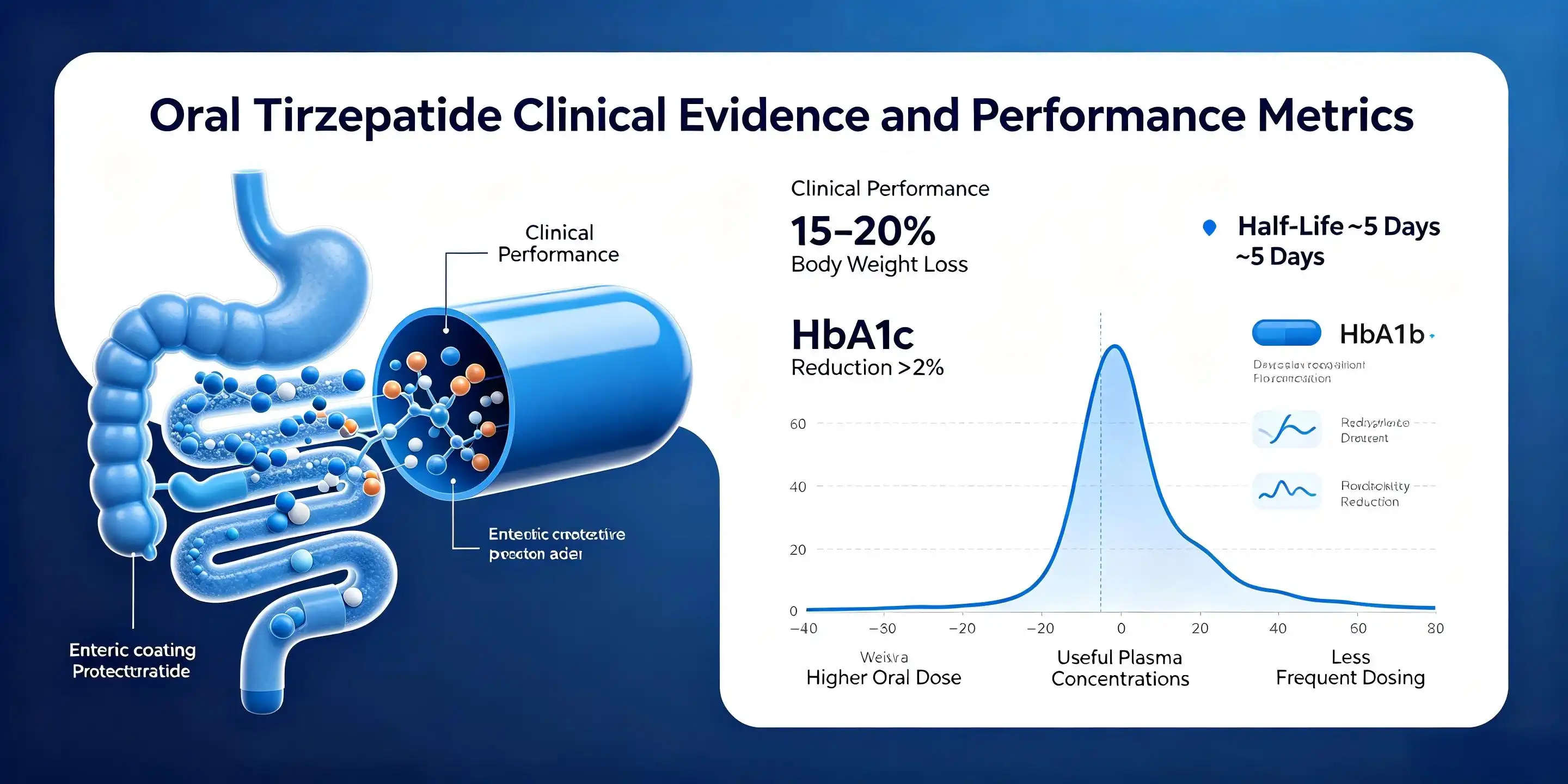
Does powder tirzepatide need to be refrigerated
tirzepatide powder needs to be kept cool in order to keep its structure and drug-like effects. Because it is made up of 39 different amino acids, this dual GLP-1/GIP receptor agonist peptide (CAS number 2023788-19-2) is very sensitive to changes in temperature. Tirzepatide powder keeps its >98% purity and has a two-year shelf life when kept in a controlled refrigerator at temperatures between 2°C and 8°C. Exposure to room temperature speeds up molecular breakdown, which hurts both the peptide's ability to treat diseases and its ability to meet regulatory standards, which are important for medicinal and study uses.VIEW MORE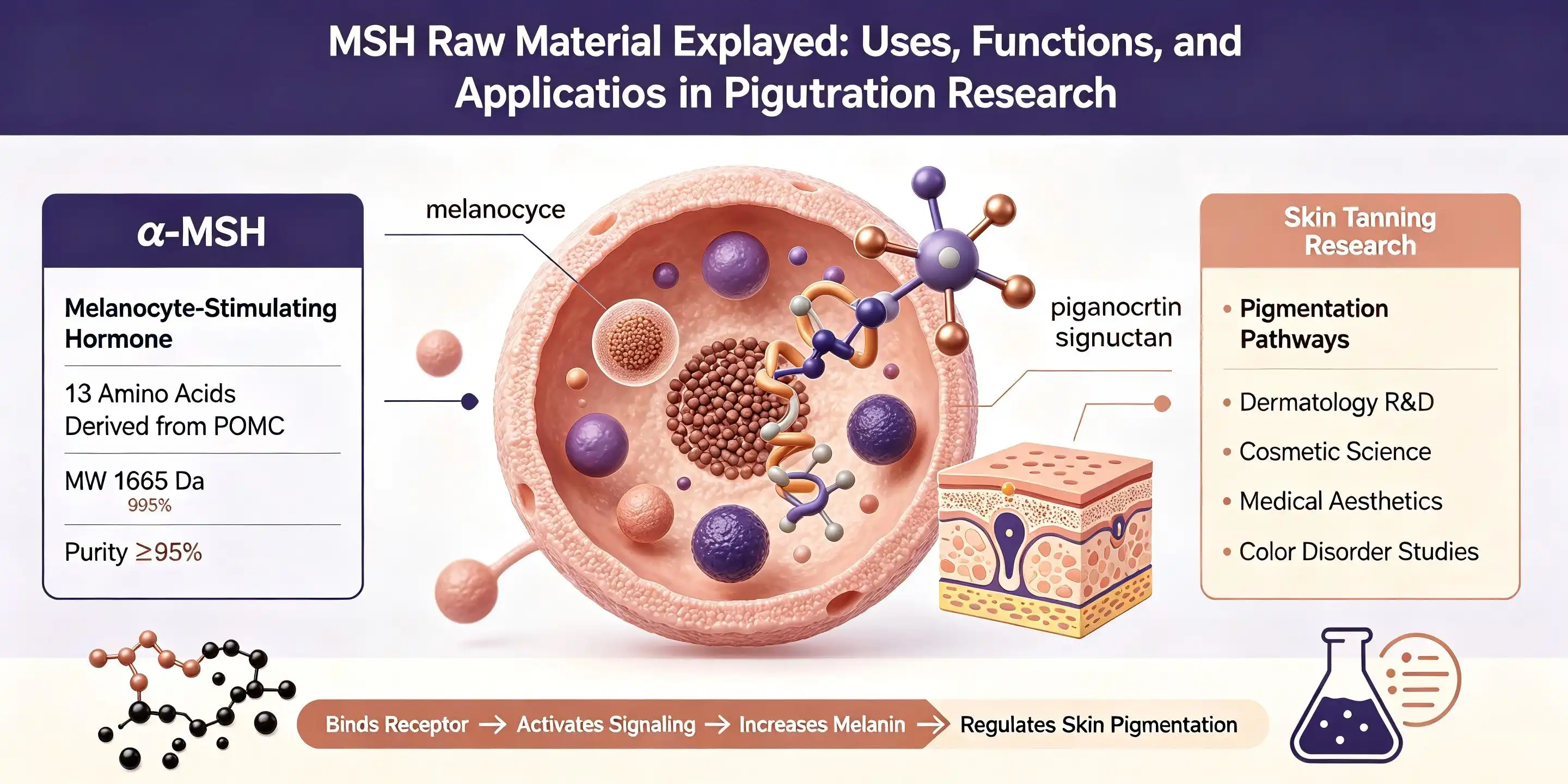
MSH Raw Material Explained: Uses, Functions, and Applications in Pigmentation Research
MSH raw material, which is formally called Melanocyte-Stimulating Hormone (α-MSH), is a peptide hormone that controls the production of melanin and the processes that make skin color. This bioactive substance is mostly used to study melanocytes in pigmentation research, which looks at skin tanning, pigmentation pathways, and communication processes that are connected to these. Researchers all over the world use this unique peptide to learn more about skin conditions and come up with new ways to treat color problems in the pharmaceutical, cosmetic, and medical aesthetics industries.VIEW MORE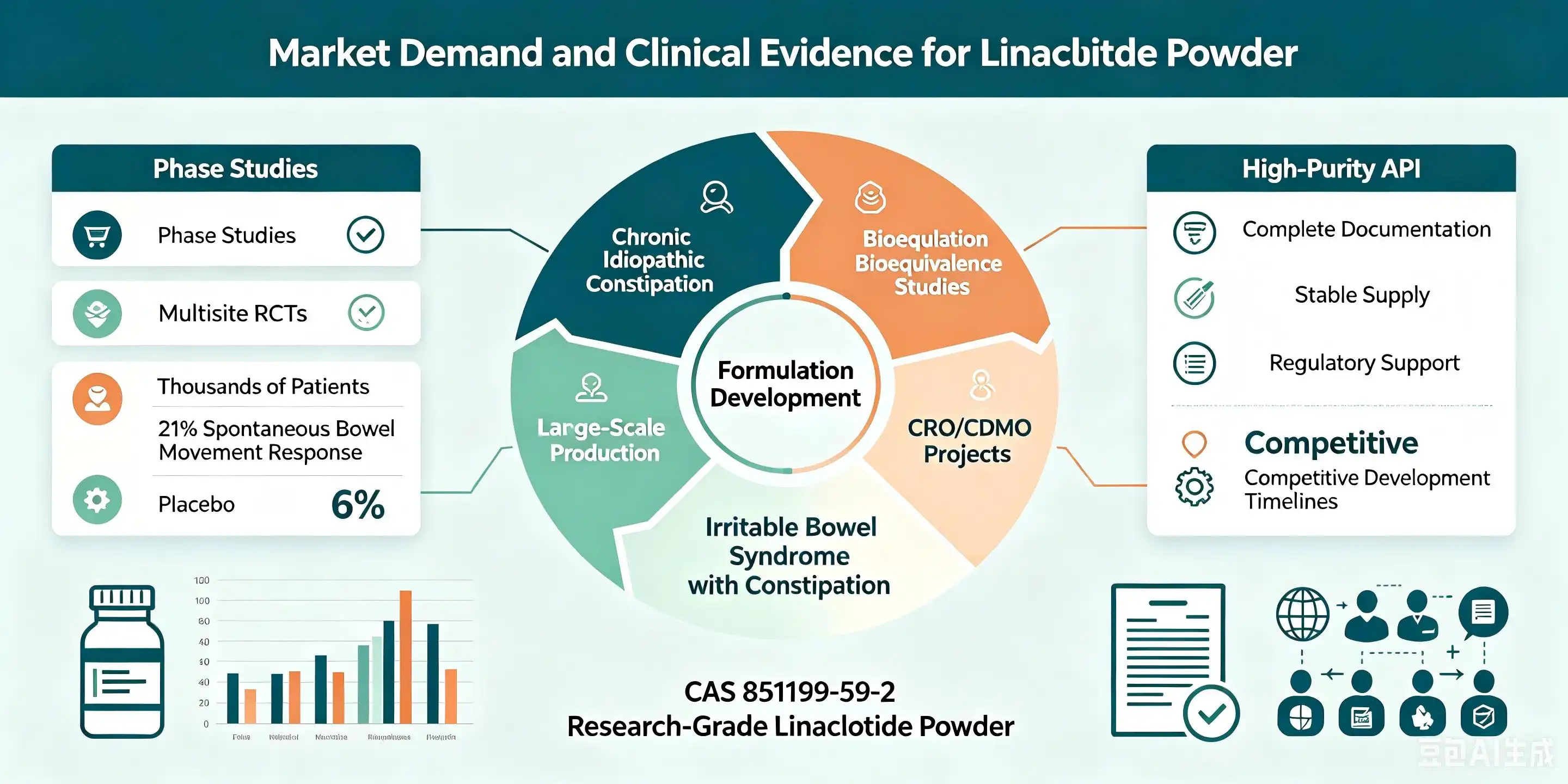
Linaclotide Management of Difficult Constipation
Linaclotide powder is a big step forward in treating tough constipation, especially in people who have chronic unexplained constipation or irritable bowel syndrome with constipation. This guanylate cyclase-C agonist peptide helps the body release more fluids and move things through faster, which is why it works better than most other treatments. Pharmaceutical companies and research centers are relying more and more on high-purity Linaclotide powder (CAS 851199-59-2) for formulating new drugs and doing clinical research. They know that it has better treatment potential and is backed by strong clinical proof.VIEW MORE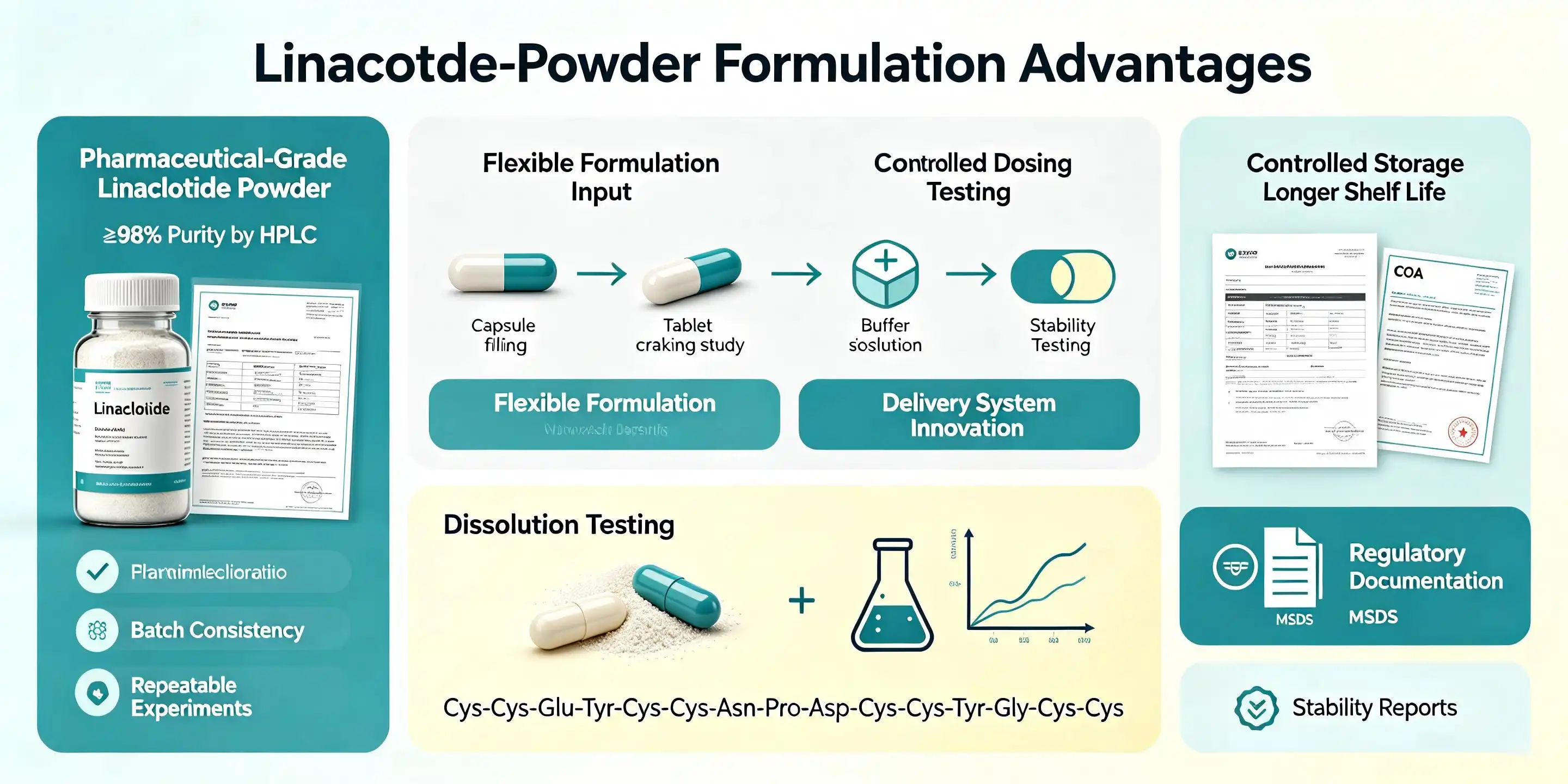
How does linaclotide work?
Linaclotide powder works as a guanylate cyclase-C (GC-C) agonist and is a new kind of medicinal peptide for studying stomach diseases. This pharmaceutical-grade peptide increases the production of cyclic guanosine monophosphate (cGMP) when it binds to GC-C receptors on intestine epithelial cells. Higher cGMP levels cause salt and bicarbonate to be released into the intestine, which increases the buildup of fluid and speeds up the passage times. The peptide changes how gut pain is felt at the same time by affecting submucosal nociceptive neurons. This helps with both constipation and stomach pain. When looking for research-grade materials, it's important for R&D teams working on gut therapies to understand this dual process.VIEW MORE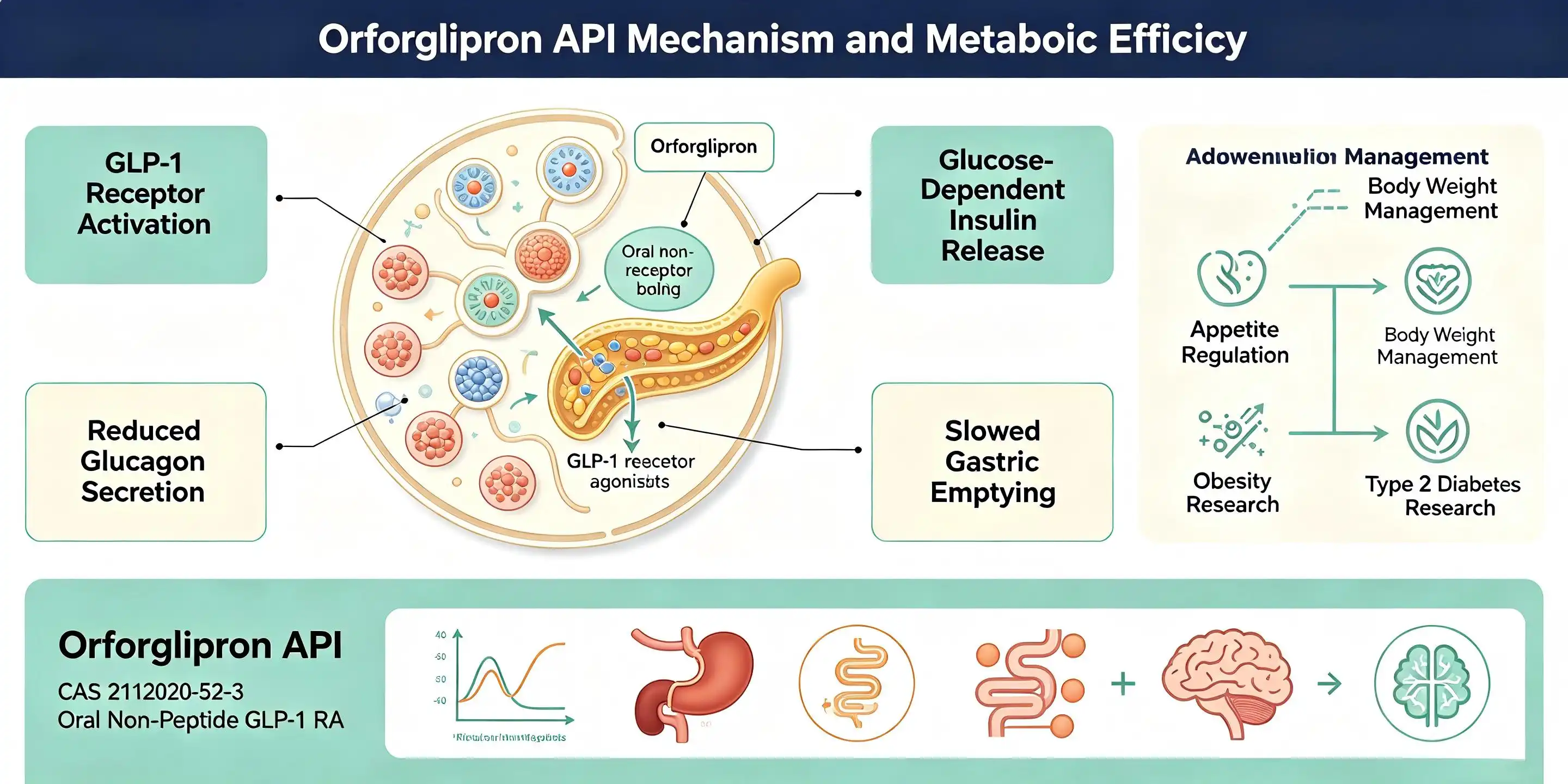
Factors That Affect Orforglipron API Pricing and Supply
It is important to know what affects the price and availability of Orforglipron API (CAS 2212020-52-3) when deciding how to buy it for metabolic research or the creation of anti-obesity drugs. This non-peptide GLP-1 receptor agonist that is taken by mouth has become a hopeful compound in the study of obesity and type 2 diabetes. However, its cost and supply are affected by a number of factors that are linked to each other. Access to raw materials, the difficulty of the synthesis process, the need to follow regulations, the output capacity, and the way the global market changes all play major roles. When procurement managers decide where to get APIs, they need to do more than just compare prices. They need to understand the factors that affect their choices, especially when they want to build long-term relationships with specialized sellers in the current competitive pharmaceutical market.VIEW MORE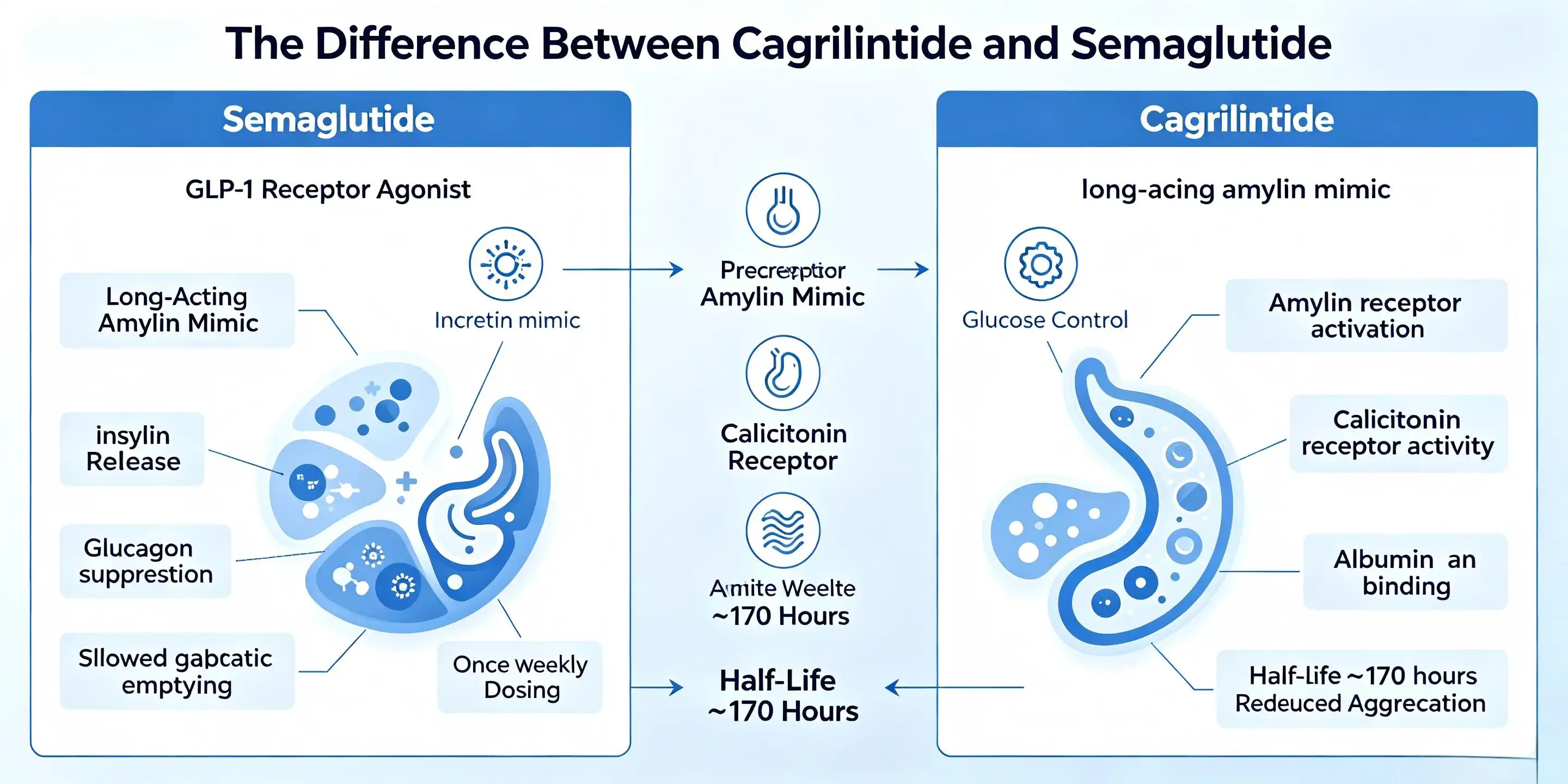
Cagrilintide vs Semaglutide: Which GLP-1 Peptide Is Better for Weight Loss?
The difference between Cagrilintide and Semaglutide is very important when looking at weight loss peptides for study or business development. As opposed to Semaglutide, which only works as a GLP-1 receptor agonist, GLP-1 peptide Cagrilintide works as a long-acting amylin mimic with its own unique receptor action. Both are very effective, but Cagrilintide's special dual mechanism—targeting both amylin and calcitonin receptors—often has synergistic effects when paired with GLP-1 therapies, which could lead to better weight loss results. When purchasing managers look at APIs for metabolic medicines, knowing these biological differences affects both the treatment plan and the choices made in the supply chain.VIEW MORE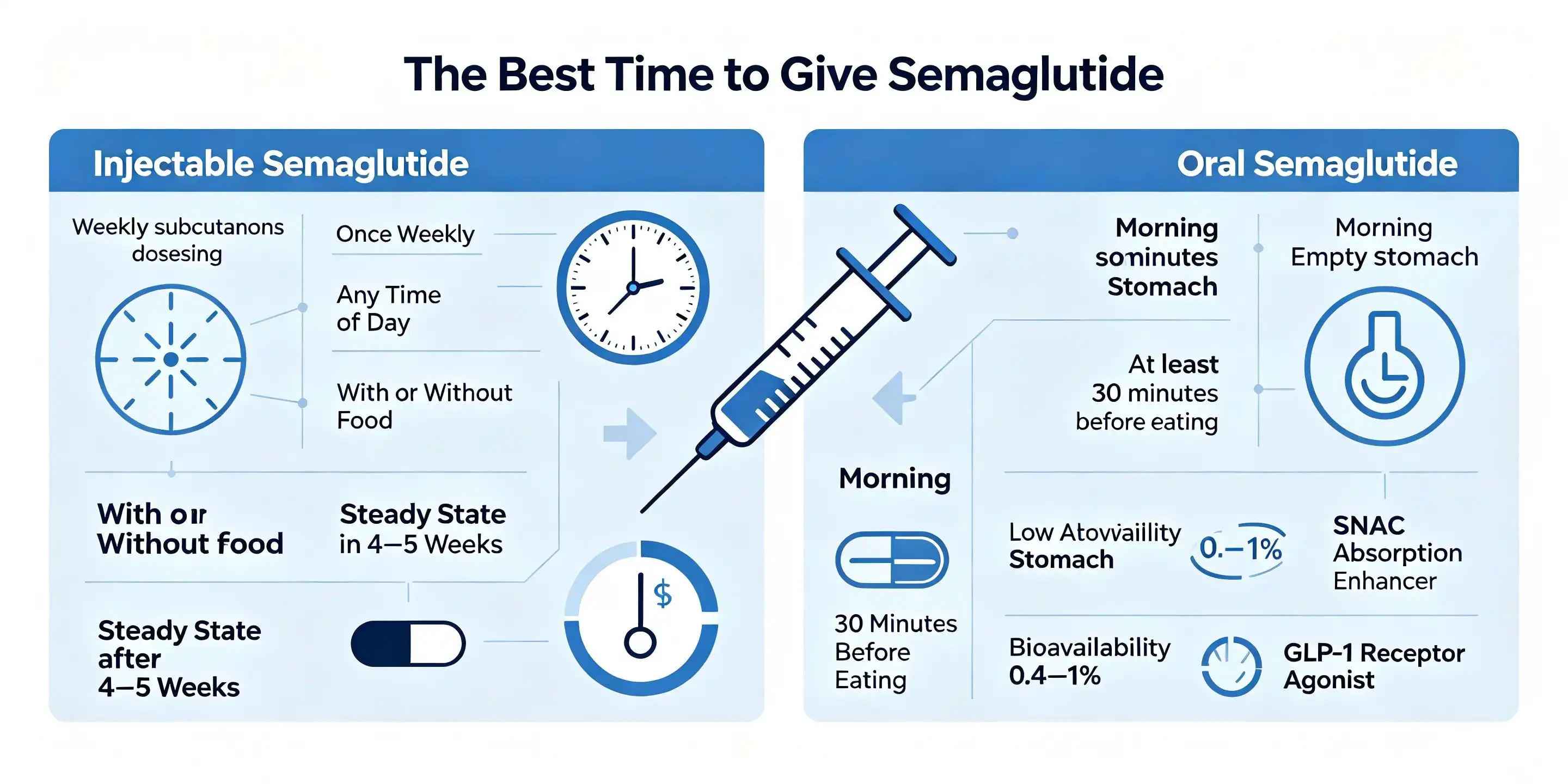
When is the best time to take semaglutide
The best time to give semaglutide is very important for getting the best results from weight loss and diabetes management plans. Subcutaneous semaglutide can be given once a week at any time of the day, with or without food. Oral formulations, on the other hand, must be taken on an empty stomach in the morning, at least 30 minutes before eating or drinking. When buying semaglutide powder (CAS 910463-68-2) as an active ingredient for research or pharmaceutical formulation, procurement professionals need to know that the quality and safety of the raw material have a direct effect on the bioavailability profiles and dosing methods of the final products.VIEW MORE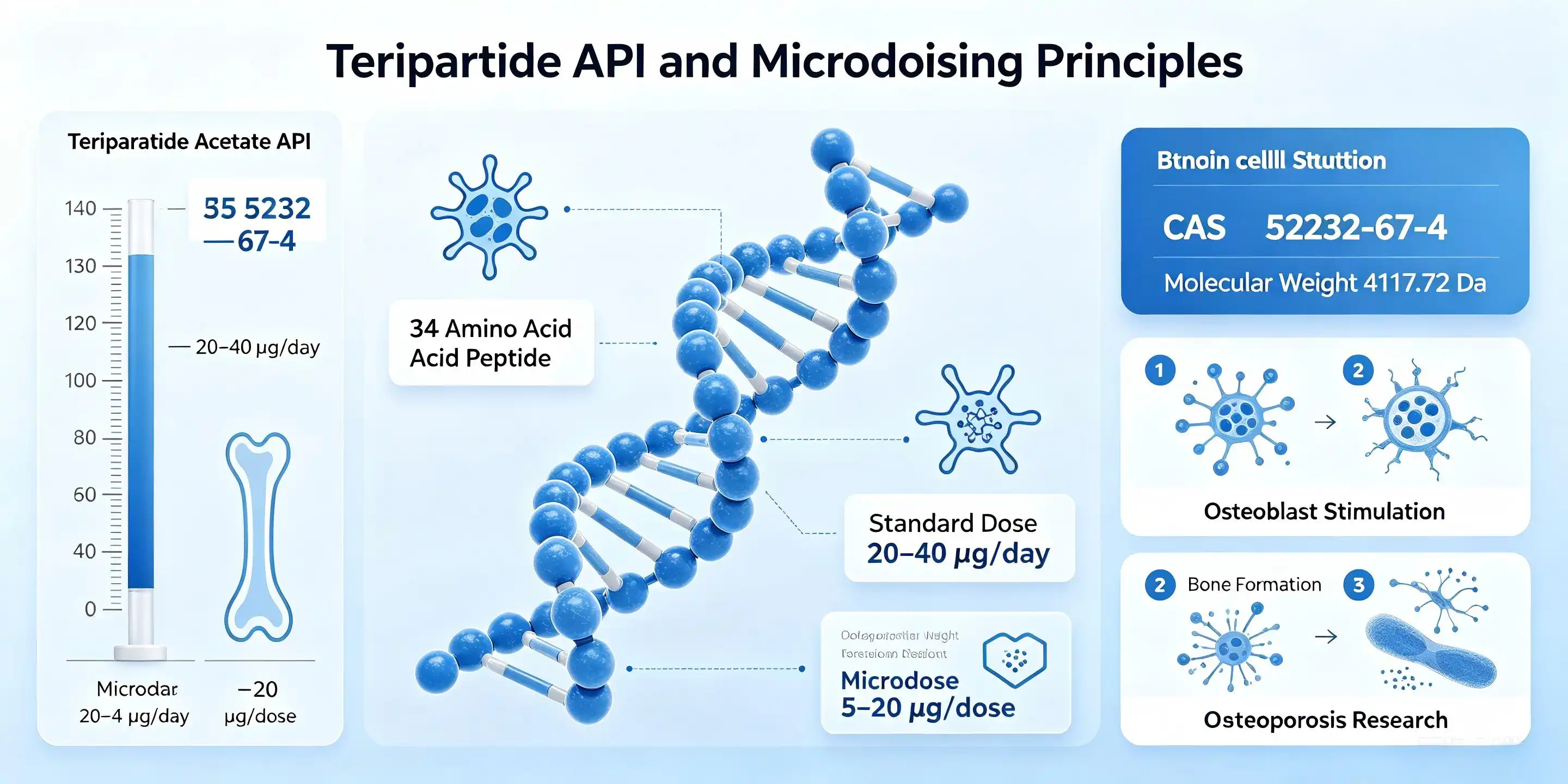
How to microdose teriparatide?
Microdosing teriparatide means giving the Teriparatide API in exact, below-therapeutic amounts, usually between 5 and 20 micrograms per dose, instead of the normal therapeutic doses of 20 to 40 micrograms per day. This method improves patient safety while keeping bone formation effective, especially in study situations that are looking into new ways to give drugs or make new formulations. To make sure that the dosing is correct and the molecules stay stable during the preparation and delivery steps, the process needs careful handling methods, analytical equipment that has been tested, and strict quality assurance.VIEW MORE
- 1
- 2
- 3
- 4
- 5
- 6
- 29
Total 29 pages