
What is the difference between plecanatide and linaclotide?
Plecanatide powder and linaclotide are two important guanylate cyclase-C (GC-C) agonists used in studies on gastric therapies and the creation of new drug formulations. Both substances help with chronic idiopathic constipation and irritable bowel syndrome with constipation, but they are very different in how they are structured, how they work, and how they affect patients. Procurement managers, R&D engineers, and quality assurance workers need to know these differences in order to make smart sourcing choices that meet legal standards, effectiveness requirements, and supply chain stability. This guide looks at the molecular features, therapeutic processes, and sourcing issues related to these two peptides. It helps B2B clients in the biotechnology and pharmaceutical industries choose the best ingredients and work with the best vendors.
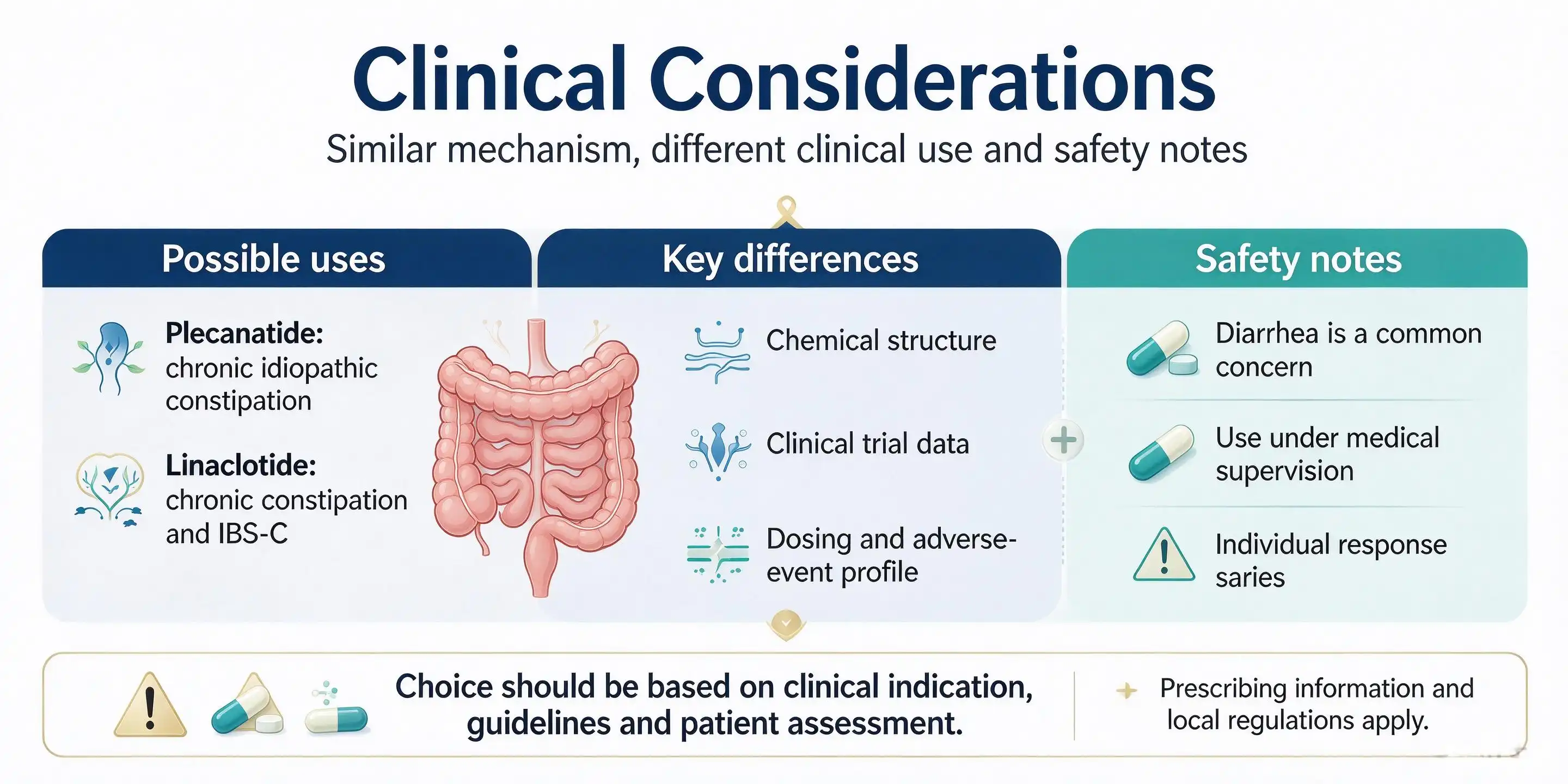
Overview of Plecanatide and Linaclotide
Both Plecanatide powder and linaclotide work as selective GC-C receptor agonists, acting like natural uroguanylin to increase the production of digestive fluid and improve the movement of the gut. Plecanatide powder (CAS No. 467426-54-6) is a man-made version of the natural substance. It has a molecular weight of 1584.77 g/mol and is made up of 16 amino acids, namely Asp-Glu-Cys-Cys-Glu-Tyr-Cys-Cys-Asn-Pro-Ala-Cys-Cys-Tyr-Gly-Cys-Cys-OH. Its structure allows pH-dependent activation, which means that the peptide mostly works in the acidic environment of the proximal gastrointestinal tract. This limits its exposure to the rest of the body and lowers the risk of side effects.
Linaclotide, on the other hand, is a 14-amino acid peptide that works in a similar way to linalool but binds to more receptors and stays active throughout the gut canal. This difference affects not only the treatment results but also the stability of the formulation, the dose needs, and the tolerance patterns of the patients.
Pharmacological Mechanism and Indications
Plecanatide powder turns on GC-C receptors on luminal enterocytes, which causes cyclic guanosine monophosphate (cGMP) to be made inside the cells. Higher cGMP levels cause chloride and bicarbonate to be released into the intestine while stopping salt intake at the same time. This makes the intestines hold more water and move more quickly. This limited activity profile helps Plecanatide powder's good safety features, since it doesn't absorb much into the body, so it doesn't have many side effects.
Although linaclotide works in a similar way, it stays in the receptors for longer and may be more effective at lower amounts. According to clinical research, linaclotide may help some patients quickly with their symptoms, but it comes with a slightly higher risk of diarrhea compared to Plecanatide powder.
Safety and Tolerability Profiles
Researchers have found that Plecanatide powder is generally well tolerated. The most common side effect noted was diarrhea, which was usually mild to moderate in intensity. Its pH-sensitive action lowers the chance of too much fluid release in the distal colon, which may help patients stick with their treatment plan. Linaclotide works, but it has been linked to more stomach problems, so it needs to be carefully chosen for patients and doses need to be titrated. Not only do these differences in safety affect how drugs are prescribed in clinical settings, but they also affect how drugs are made and the paperwork that is needed to get APIs.
Comparative Analysis of Plecanatide vs Linaclotide
When looking to buy Plecanatide powder and linaclotide, there are a number of technical and business factors that need to be carefully compared. Knowing these differences helps people make choices about which products to use based on specific therapeutic goals, legal systems, and market positioning strategies.
Molecular Structure and Stability
The molecular formula for Plecanatide powder is C₆₀H₉₃N₁₅O₂₄S₄. This shows that it is made up of a complicated peptide structure with four disulfide bonds that make the structure stiff and protect it from being broken down by enzymes in the digestive system. The white lyophilized powder form of Plecanatide powder is very stable when kept in controlled conditions. It usually needs to be kept cold, at 2–8°C, to keep the integrity of the peptide and purity levels above 98%, as tested by HPLC.
Linaclotide has a similar disulfide-bonded structure, but it has two fewer amino acids, which makes its molecular weight a little smaller. This difference in structure affects how well the substance dissolves, how well it works with other ingredients, and how bioavailable it is. Both peptides can dissolve in neutral water buffers, but Plecanatide powder dissolves better in slightly acidic pH ranges, which fits with how it works to activate cells locally.
Clinical Efficacy and Patient Outcomes
Comparative clinical studies have shown that both substances successfully help people with chronic constipation have more regular bowel movements and feel less pain in their abdomens. Plecanatide powder studies show stable effectiveness with a lower rate of treatment interruptions due to adverse events, showing better long-term tolerability. Linaclotide studies show that it starts working faster in some groups of people, which may be good for managing acute symptoms but needs to be closely watched to avoid having too many laxative effects.
From the point of view of buying, these differences in effectiveness mean that there are different ways to place products in the market. People who make medicines for people who are very sensitive to stomach side effects might choose Plecanatide powder, while people who want to treat symptoms quickly might choose linaclotide. Knowing these clinical details helps purchasing teams predict patterns of demand and make sure their inventory tactics are in line with those trends.
Regulatory and Quality Considerations
To make sure they meet FDA, EMA, and other governmental standards, both Plecanatide powder and linaclotide must go through strict quality control steps. APIs that are very pure (≥98% for Plecanatide powder) must come with a lot of paperwork, like Certificates of Analysis (COA), Material Safety Data Sheets (MSDS), and, if needed, Drug Master Files (DMF). To meet pharmaceutical-grade standards, the level of a single particle shouldn't be higher than 2.0%, and the level of peptide content should stay above 80%.
Purchasing managers should give more weight to sellers whose factories are GMP-certified, who have strict quality control measures in place, and who can be fully tracked throughout the supply chain. Checking the accuracy of the peptide sequence, the formation of disulfide bonds, and the lack of bacteria contamination are all important quality checks that have a direct effect on the safety and effectiveness of the end product.
Decision Criteria for B2B Procurement of Plecanatide and Linaclotide
To get these peptide APIs, you need to go through a multifaceted review process that balances quality assurance, legal compliance, and the reliability of the supply chain with cost. Professionals in procurement have to deal with complicated price structures, evaluate suppliers' skills, and build long-lasting relationships that help businesses stay in business.
Pricing Dynamics and Cost-Effectiveness
Plecanatide powder prices in bulk depend on how much you order, how pure you want it to be, and where your seller is located. The smallest amount that can be ordered is usually just one gram, and the price goes down as you buy more, up to 100 grams or 1 kilogram. Even though Plecanatide powder costs more than other laxative APIs, its better safety profile and lower chance of side effects can lead to lower total healthcare costs and better patient compliance, which makes the initial investment worth it.
Linaclotide prices tend to follow similar trends, but prices may be different for each compound depending on its supply on the market and how competitive it is. Total cost of ownership analyses should be carefully done by procurement teams. These should include not only the cost of purchase, but also the cost of storage, the cost of minimizing trash, and any costs that might come up because of problems with stability or compatibility.
Supplier Evaluation and Certification
Doing a lot of research is needed to find dependable Plecanatide powder makers. Suppliers-to-be should show that they are certified to ISO 9001 quality management and follow good manufacturing practices (GMP). If the market requires it, they should also have other certifications like Halal or Kosher. To stay in line with regulations and lower supply chain risks, it's important to keep records of where raw materials come from, how they're synthesized, and how consistent batches are with each other.
The kind of business partner that meets these high standards is Xi'an Yihui Bio-technology Co., Ltd. As a business with 13 years of experience making pharmaceutical peptides, they have modern processing equipment that can consistently deliver high-purity Plecanatide powder. Our ISO, Halal, and Kosher certificates show that we are dedicated to meeting the different rules and regulations in markets around the world, such as those in Europe, the United States, Japan, and South Korea.
Supply Chain Reliability and Logistics
Effective procurement includes more than just the original purchase deal. It also includes planning for logistics, keeping track of supplies, and having backup plans. Plecanatide powder that is available for instant shipment (in-stock state) gives purchasing managers the freedom to meet production needs without having to wait for longer lead times. There are different packaging choices for 1g to 1kg amounts, so they can be used for both study projects and commercial production runs.
Shipping rules that control temperature must be followed to keep peptides stable while they're in transit, especially for foreign packages that go through several climate zones. Suppliers who offer full transportation support, such as managing the cold chain and helping with customs paperwork, make it much easier for buying teams to do their jobs and lower the risk of product degradation.
Use Cases and Application Scenarios
When purchasing managers know how Plecanatide powder and linaclotide are used in certain situations, they can make decisions that meet the needs of end users and help achieve healing goals. These peptides play different parts in the development of medicines, in clinical study, and in commercial production.
Pharmaceutical Formulation Development
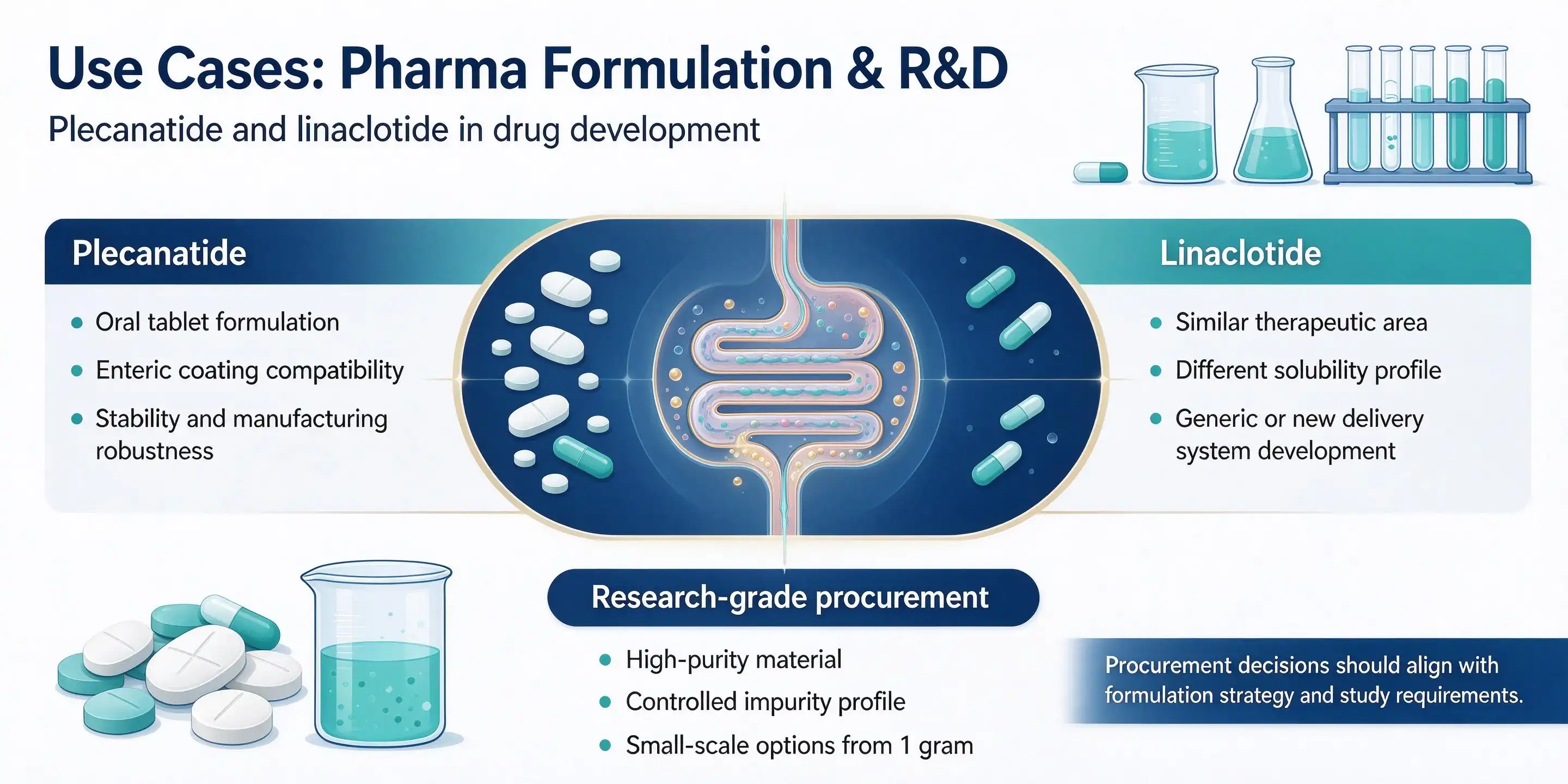
Plecanatide powder is a key component of oral pill formulas made to treat chronic constipation and IBS-C. Formulation experts like how stable it is and how it works with different ingredients and production methods without affecting the integrity of the peptide. The compound's ability to work with enteric coating technologies makes it even more useful in medicine by ensuring that it is released only in the right parts of the intestine.
Linaclotide is used in similar ways, but it may need a different preparation strategy to deal with its slightly different solubility properties. When pharmaceutical companies are making generic versions or new delivery systems, they can choose the best API for their technical limitations and market positioning goals if they understand these complex formulation requirements early on in the product development process.
Research and Development Applications
To learn more about GC-C receptor biology, intestinal fluid homeostasis, and new ways to treat gastrointestinal diseases, academic institutions, science startups, and pharmaceutical R&D teams use research-grade Plecanatide powder. High-purity materials with very few impurities (one impurity less than 2.0%) are easy to find. This makes sure that testing results are accurate and that they can be repeated in other labs.
For study projects with limited funds, there are small-scale procurement choices with 1-gram minimum order amounts that meet their needs while still upholding the same high quality standards that are used for bigger commercial batches. This adaptability helps new ideas all the way through the pharmaceutical process, from basic science studies to proof-of-concept studies done before the drug is tested on humans.
Contract Manufacturing and CDMO Partnerships
Contract development and manufacturing organizations (CDMOs) that help pharmaceutical companies with formulation need reliable sources of GMP-grade APIs that come with all the necessary legal paperwork. Plecanatide powder providers who can offer expert help, such as formulation advice and stability data, make these agreements much more valuable. Long-term supply deals that guarantee a certain amount of goods help CDMOs keep track of their stockpiles and make sure that their clients' production doesn't stop.
How to Source and Procure Plecanatide and Linaclotide Powders Efficiently?
Setting up effective ways to buy these specialized Plecanatide powder APIs needs careful planning, managing relationships with vendors, and constant quality checks. The tips below can help procurement pros get the most out of their sourcing methods and gain long-term competitive advantages.
Supplier Identification and Qualification
To find good providers, you should first do a lot of market research using trade shows, industry databases, and professional networks in the pharmaceutical peptide sector. Steps for verification should include asking for product details, looking over analysis certificates, and testing samples to make sure promises of purity and quality are true. Talking to technical support staff directly is a good way to find out how knowledgeable, quick, and dedicated a provider is to customer service.
Xi'an Yihui Bio-technology Co., Ltd. is ready to help you with your buying efforts by providing you with research-grade and pharmaceutical-grade Plecanatide powder along with all the necessary paperwork and technical support. Our skilled staff knows how difficult it can be to find peptide APIs and can give you personalized advice to make sure your needs are met quickly. We don't have to worry about delays that can throw off production plans because we have goods in stock and can ship them right away.
Quality Verification Protocols
When you get Plecanatide powder packages, you need to make sure the material is what the seller says it is and that it can be used for what it was meant to be used for. As part of the analytical testing, HPLC purity analysis (goal ≥98.0%), peptide sequence confirmation via mass spectrometry, moisture content measurement (≤10.0%), and acetate content assessment (5.0–12.0%) should all be done. Setting acceptance criteria that are in line with pharmacopeial standards saves activities further down the line from quality problems.
Keeping detailed records of all quality assurance activities provides audit trails that help with regulatory inspections and make it easier to start new projects for ongoing growth. Suppliers who provide batch-specific analytical data and keep lines of communication open about any quality issues show the relationship mindset that is needed for long-term buying success.
Contract Negotiation and Risk Management
When negotiating a contract, it's important to find a balance between competing prices and quality guarantees, on-time delivery, and rights for intellectual property. Specifications, acceptance criteria, testing duties, storage conditions, shelf-life promises, and how to handle materials that don't meet standards should all be spelled out in the contract. Volume guarantee terms can help you get better prices and make sure that suppliers will keep their capacity.
Some ways to lower the risk are to get multiple providers approved for key APIs, keep strategic store buffers, and set up backup plans for when supply problems happen. Regular supplier performance reviews that include measures like on-time delivery rates, quality incident frequency, and response to questions allow choices about supplier relationships and chances for ongoing growth to be based on data.
Conclusion
There are differences between Plecanatide powder and linaclotide that go beyond their chemical structures. These differences include how they work in the body, how safe they are, and how easy they are to get. Plecanatide's pH-dependent activation mechanism and high stability make it a good choice for drugmakers who want to make sure patients take their medicine as prescribed and stay safe over time.
To make smart buying choices, procurement professionals need to look at these technical differences along with business factors like how prices change, the supplier's skills, and compliance with regulations. Pharmaceutical companies can improve the development of new products and stay competitive in the changing gastrointestinal therapeutics market by working with seasoned manufacturers like Xi'an Yihui that offer both technical know-how and reliable supply capabilities.
FAQ
What is the primary difference between plecanatide and linaclotide?
Plecanatide powder and linaclotide are both guanylate cyclase-C agonists, but their amino acid sequences and drug effects are different. Plecanatide powder is made up of 16 amino acids and is activated by acidic environments, mostly in the upper digestive tract. This means that it only works in certain areas and is not absorbed by the body as a whole. Linaclotide is made up of 14 amino acids and binds to a wider range of receptors, which could mean it starts working faster. According to clinical research, Plecanatide powder is better tolerated and causes fewer drug discontinuations due to side effects. On the other hand, linaclotide may help some patients feel better faster.
Can plecanatide be procured in small quantities for research purposes?
Plecanatide powder can be ordered in quantities as low as 1 gram, which makes it easy for academic research institutions and pharmaceutical R&D labs to use in exploratory studies. The material meets strict quality standards and is ≥98.0% pure by HPLC, which means that the results of the experiments can be trusted. But it's important to know that Plecanatide powder can only be used for science study and can't be sold to regular people.
What quality certifications should I expect from a plecanatide supplier?
Plecanatide powder suppliers with a good reputation should keep their GMP certification for making medicines, their ISO 9001 quality management system certification, and, if needed for certain markets, their Halal and Kosher certificates. To back up regulatory entries, suppliers should give a lot of paperwork, like Material Safety Data Sheets, Certificates of Analysis with testing data specific to each batch, and maybe even Drug Master Files.
Partner with Xi'an Yihui for Pharmaceutical-Grade Plecanatide Powder
Plecanatide powder of pharmaceutical quality is available through a partnership with Xi'an Yihui. Xi'an Yihui Bio-technology Co., Ltd. sells high-quality Plecanatide powder that is made under strict GMP guidelines and has ISO, Halal, and Kosher approvals. As a seller of Plecanatide powder with 13 years of experience in making pharmaceutical peptides, we have a stable inventory, reasonable prices (starting at 1 gram), and the ability to ship right away. We serve over 100 countries. Our expert team offers full support during the whole procurement process, including help with formulation, legal paperwork, and customer service 24 hours a day, seven days a week. You can email us at sales@yihuipharm.com to ask for samples, get full quotes, or talk about your unique API needs.
References
1. Shailubhai K, Comiskey S, Foss JA, et al. Plecanatide, an oral guanylate cyclase C agonist acting locally in the gastrointestinal tract, is safe and well-tolerated in single doses. Digestive Diseases and Sciences, 2013, 58(9): 2580-2586.
2. Miner PB, Koltun WD, Wiener GJ, et al. A randomized phase III clinical trial of plecanatide, a uroguanylin analog, in patients with chronic idiopathic constipation. American Journal of Gastroenterology, 2017, 112(4): 613-621.
3. Rao S, Lembo AJ, Shiff SJ, et al. A 12-week, randomized, controlled trial with a 4-week randomized withdrawal period to evaluate the efficacy and safety of linaclotide in irritable bowel syndrome with constipation. American Journal of Gastroenterology, 2012, 107(11): 1714-1724.
4. Camilleri M, Vazquez-Roque MI, Carlson P, et al. Association of bile acid receptor TGR5 variation and transit in health and lower functional gastrointestinal disorders. Neurogastroenterology & Motility, 2011, 23(11): 995-999.
5. Chey WD, Lembo AJ, Lavins BJ, et al. Linaclotide for irritable bowel syndrome with constipation: a 26-week, randomized, double-blind, placebo-controlled trial to evaluate efficacy and safety. American Journal of Gastroenterology, 2012, 107(11): 1702-1712.
6. Castro J, Harrington AM, Hughes PA, et al. Linaclotide inhibits colonic nociceptors and relieves abdominal pain via guanylate cyclase-C and extracellular cyclic guanosine 3',5'-monophosphate. Gastroenterology, 2013, 145(6): 1334-1346.

Send Inquiry
You may like
Related Industry Knowledge