
What Is Atosiban Used For?
Atosiban powder is an important synthetic peptide ingredient for controlling preterm labor because it blocks oxytocin receptors. This material is pharmaceutical-grade (CAS No. 90779-69-4) and is mostly used by drug companies to make tocolytic injection preparations that stop uterine contractions before they should happen. With a molecular weight of 994.19 and a purity level above 98%, it is a safer alternative to traditional labor-inhibiting drugs because it doesn't have the heart problems that beta-mimetics do. People who buy and sell drugs in the pharmaceutical supply chain know that this peptide is an important active pharmaceutical ingredient (API) that meets the world's clinical need for safe and effective preterm birth interventions.
Introduction
Access to high-quality APIs that can be relied on is important in the global pharmaceutical industry, especially for critical care applications. Atosiban powder is one such crucial component, addressing a serious medical issue that affects about 15 million pregnancies every year around the world. Complications during preterm birth are still the main cause of neonatal death, so we need effective therapeutic interventions right away.
When looking for specialized peptides, B2B procurement managers who work in pharmaceutical manufacturing, research institutions, and clinical supply chains face some unique problems. In addition to looking at prices, procurement teams have to deal with complicated regulatory frameworks, make sure that suppliers follow GMP and FDA rules, and make sure that the supply chain stays stable at all times. When it comes to tocolytic drugs, the purity of the product has a direct effect on patient safety and therapeutic results.
This thorough guide solves these complicated buying problems by looking at Atosiban's medical uses, comparing benefits, buying strategies, and government rules. This resource gives you useful information that you can use to make decisions, whether you're a procurement manager looking for cheap ways to buy in bulk, an R&D formulation engineer looking at peptide purity requirements, or a quality assurance professional checking supplier certifications.
What Is Atosiban Powder and How Does It Work?
Understanding the Molecular Mechanism
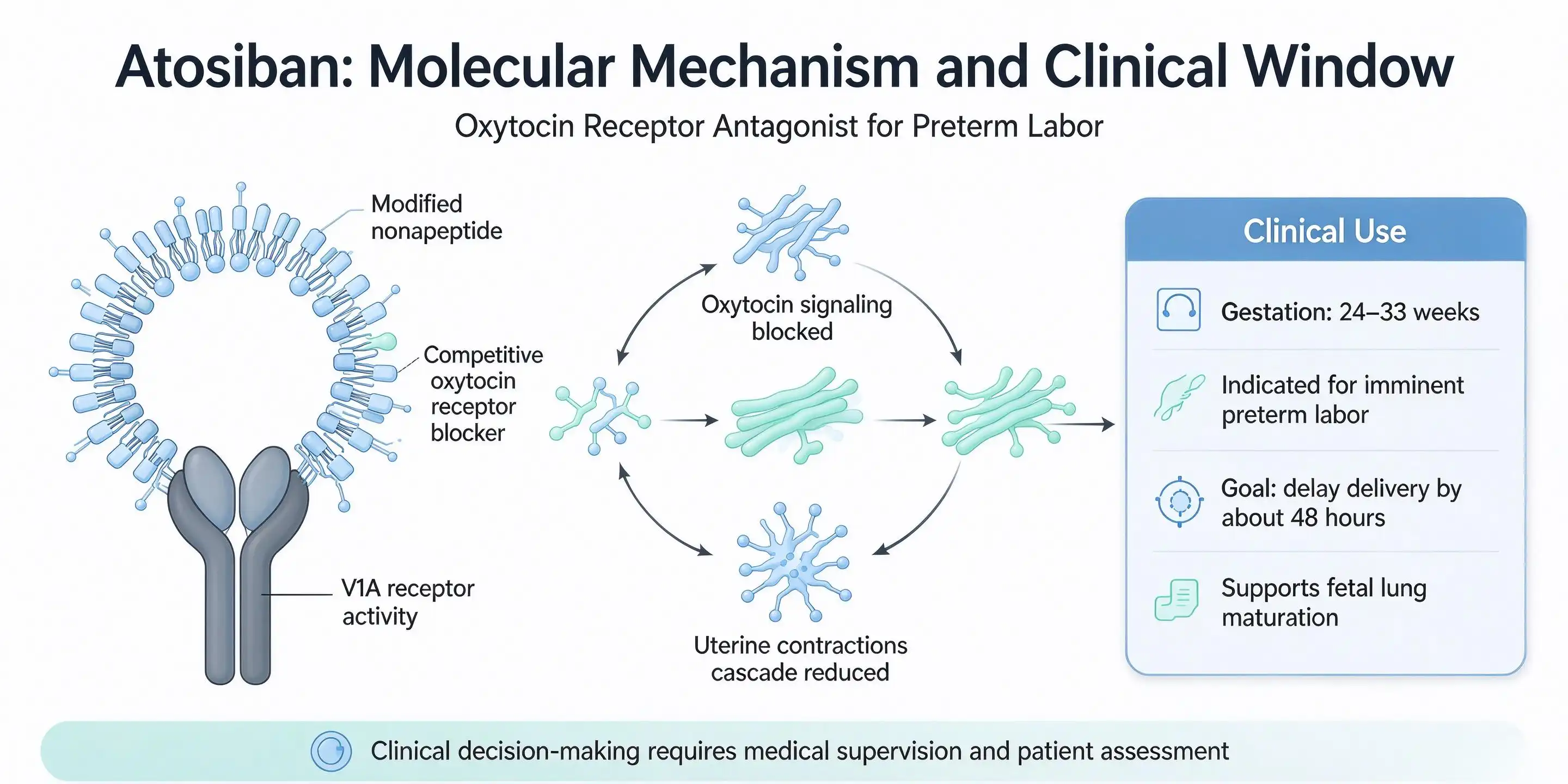
It is a modified nonapeptide counterpart of oxytocin that has had changes made to its structure that change it from an agonist to a competitive blocker. Its peptide sequence (D-Tyr-Iso-Thr-Orn-Ile-Gly-NH2) lets it bind specifically to oxytocin and vasopressin V1A receptors in the smooth muscle of the uterus. This competitive inhibition stops the natural oxytocin from starting the calcium release cascade inside cells, which is what normally causes the myometrium to contract.
Clinical Indications and Therapeutic Window
The main reason pregnant women between 24 and 33 weeks of gestation take this oxytocin antagonist is to delay an impending early birth. Atosiban powder is usually used in clinical situations where the cervix is opening up and the uterus is contracting normally, which creates an immediate delivery risk. The treatment goal is to add 48 hours to the pregnancy, which will give doctors more time to give corticosteroids to help the fetus' lungs develop properly.
Pharmaceutical companies and study institutions also use research-grade Atosiban powder to look into new uses besides stopping labor. New studies are looking into its possible uses in assisted reproductive technologies. For example, changing how contractile the uterus is during embryo transfer procedures may increase the chances of successful implantation. Specialized R&D facilities need small amounts of high-purity peptides for lab studies, which means that these growing research uses create more demand for buying.
Safety Profile and Clinical Outcomes
Compared to older tocolytic agents, the safety profile of this new drug from clinical trials is better. The peptide doesn't move through the placenta very much, so there is almost no drug exposure for the fetus and fewer problems for the newborn. When maternal side effects do happen, they usually show up as mild nausea or reactions at the injection site, not as severe tachycardia, pulmonary edema, or hyperglycemia that can happen with other drugs.
Usage Instructions, Dosage, and Benefits of Atosiban Powder
Standard Dosing Protocols for Pharmaceutical Manufacturing
When pharmaceutical companies make injectable tocolytic solutions, they use well-known dose guidelines that have been proven to work in clinical studies. The standard way to give it is in three steps: first, a bolus injection of 6.75 mg over one minute is given intravenously; next, a high-dose infusion of 18 mg/hour for three hours; and finally, a maintenance infusion of 6 mg/hour for up to 45 hours. It's possible to get treatment for up to 48 hours, which is the best amount of time for fetal lung maturation interventions.
When manufacturers figure out how much Atosiban powder they need to buy in bulk, they need to take these dose requirements into account. For one patient, a treatment course needs about 330 mg of the active peptide ingredient. However, because of the way the formula is made, it's usually necessary to buy materials with enough extra to cover manufacturing losses and stability testing protocols. When procurement teams know these clinical dosing parameters, they can more accurately predict the volume they will need and negotiate pricing structures with suppliers based on how much they think they will produce.
Key Clinical Benefits Driving Market Demand
The healing benefits go beyond just stopping contractions. Clinical outcomes data shows a number of strong benefits that influence decisions about procurement, including:
Neonatal outcome improvements: Less respiratory distress syndrome and fewer admissions to the neonatal intensive care unit are signs of better outcomes for newborns. Studies show that delaying birth by even 48 hours makes it much more likely that the baby will live and has fewer long-term growth problems.
Maternal safety advantages: One benefit for maternal safety is that there is no need for heart tracking, which can be hard to do with other tocolytic treatments. Healthcare facilities like how Atosiban administration lowers the cost of monitoring and the amount of work that nurses have to do. This creates institutional preference that affects how things are bought.
Treatment flexibility: The peptide's ability to work with a number of other conditions makes treatment more flexible. In contrast to beta-agonists that shouldn't be used in diabetic or heart patients, Atosiban stays effective in a wide range of patients. This increases its clinical utility and supports its higher price in some markets.
Safety Considerations for B2B Stakeholders
Quality assurance teams need to understand that the security of peptides has a direct effect on the safety of clinical trials. If you don't store or break down something properly, it can make breakdown products that cause immune responses you didn't expect or make therapies less effective. Specifications for buying things should clearly say that they need a Certificate of Analysis showing that the peptide content is more than 80%, the water content stays below 10%, and the single impurity amounts stay below 1.0%. These parameters make sure that formulated products keep their pharmacological activity level stable over time.
Comparing Atosiban Powder with Other Tocolytic Agents
Clinical Efficacy Analysis
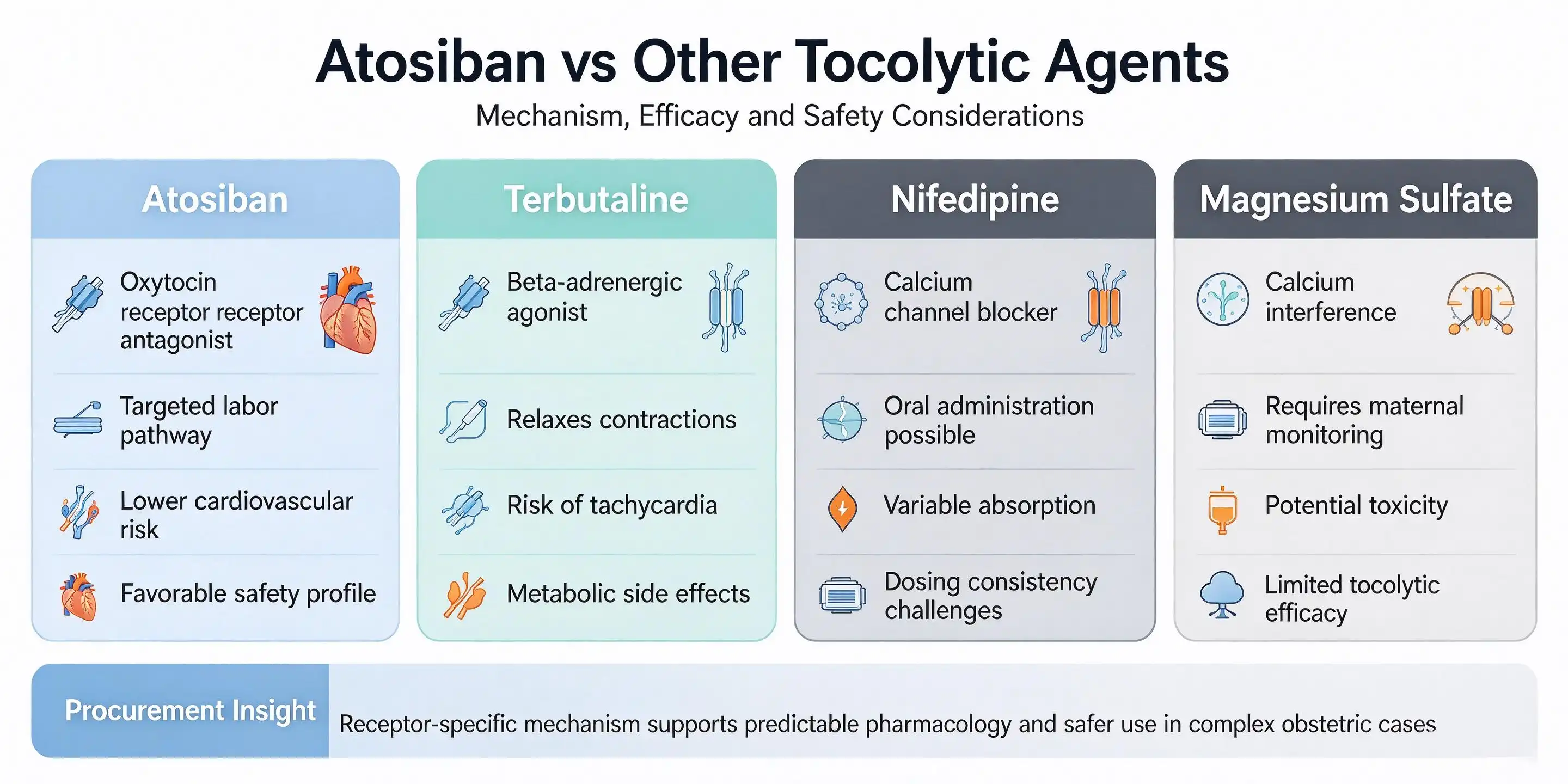
When procurement workers look at different tocolytic choices, they need to compare effectiveness data in order to make formulary decisions. Terbutaline, a standard beta-adrenergic agonist, also stops contractions, but it has serious side effects for the mother, such as tachycardia (heart rate over 120 beats per minute) and metabolism problems. Nifedipine is a calcium channel blocker that can be taken by mouth. It is easy to administer, but its absorption rates change over time, which makes it hard to keep dosing consistent. Because it can be toxic, magnesium sulfate needs to be constantly monitored by mothers, and recent meta-analyses show that it doesn't work as well.
Mechanism-Based Competitive Advantages
The receptor-specific process makes the drug different, which supports its market positioning. Beta-agonists activate adrenergic receptors all over the body, and calcium channel blockers affect many types of smooth muscle. The oxytocin antagonist method, on the other hand, targets the exact chemical pathway that starts labor. This pharmacological accuracy cuts down on side effects and drug combinations, which is especially helpful in complicated obstetric cases where multiple medicines are needed.
Understanding these differences in how they work helps R&D teams make new formulations or combination therapies. Baseline Atosiban powder is used as a standard by research centers that are looking into changing peptides to improve receptor selectivity or lengthen half-life. This creates a steady demand from academic and pharmaceutical research centers.
Branded Versus Generic Market Dynamics
The first named version set a clinical standard and gathered a lot of safety data, so it could be sold at a higher price in places that value track records. Now that generic alternatives are in the supply chain, they offer cost savings that procurement managers who care about prices will like. In this situation, it's important to be able to tell the difference in quality—generic providers need to show bioequivalence through thorough analytical tests and process validation.
When looking at generic suppliers, business-to-business buyers should not only look at price, but also at analytical documentation. Changes in how peptides are made can introduce small impurities that change how immunogenic they are or how stable they are. Getting full characterization data, like HPLC purity analysis, mass spectrometry confirmation, and endotoxin tests, helps make sure that generic options really meet the quality standards of reference products.
Procuring Atosiban Powder: Suppliers, Pricing, and Quality Assurance
Selecting Qualified Pharmaceutical Peptide Manufacturers
When buying pharmaceutical-grade peptides, you need to be very careful about which suppliers you choose. Reputable companies have separate facilities for making peptides, and the environment is controlled to make sure that the products are always the same. Some important requirements for qualification are ISO 9001 certification, which shows that the company has quality management systems, GMP compliance, which shows that the company uses pharmaceutical-grade manufacturing practices, and DMF registration, which shows that the company is ready to go with the regulators and add the API to marketed products.
Sourcing methods are affected by factors related to location. Manufacturers in established pharmaceutical hubs are more familiar with regulations and can make the documentation process easier. On the other hand, new suppliers in developing regions may offer lower prices, but they may have to wait longer to be qualified. The purchasing teams need to think about these things along with their own risk tolerance and compliance needs.
The technical skills of the supplier go beyond simple processing. Custom peptide modification services, help with developing analytical methods, and working together on stability studies are what set premium suppliers apart from commodity producers. Suppliers who offer combined technical support throughout product development processes are helpful for companies that want to make custom formulations or new delivery systems.
Understanding Bulk Purchasing Economics
Peptide pricing structures show how complicated synthesis is and how scale affects economics. Small study amounts, with a 1-gram minimum order, usually come with higher per-gram prices that range from a few hundred to over a thousand dollars. This is because of the costs of setup and quality control. Between 100 grams and 1 kilogram, there are big savings for buying in bulk. As fixed production costs are spread out over bigger batches, per-gram costs may drop by 30 to 50 percent.
Long-term agreements for supply have more economic benefits. When suppliers agree to annual volume forecasts, they can better plan production and buy raw materials, which saves them money that they usually share with customers through lower prices. But procurement teams have to weigh these cost savings against the costs of keeping inventory and the need to keep peptides stable, since Atosiban powder needs to be kept frozen at -20°C.
Total purchase costs are affected by the terms of payment and the value of the currency. When you buy something from another country, you run the risk of foreign exchange, and if you need a letter of credit, it could tie up your operating capital. These problems are taken care of by domestic providers, but their prices may be higher because they have to cover higher costs to operate in controlled markets.
Quality Assurance and Testing Requirements
Specifications for raw materials are the first step in ensuring complete quality assurance. Procurement paperwork should say that the peptide must be more than 98% pure by HPLC, that the acetate content must be between 5% and 12.0%, and that the water content must be less than 10%. Because these factors have a direct effect on the stability and therapeutic activity of the formulation, they must be met as quality gates.
A review of the Certificate of Analysis is the bare minimum of what is required for verification, but more thorough procurement programs add extra safeguards. Requesting to keep samples for testing by a third party outside of the source verifies what the seller says. Auditing supplier facilities on a regular basis makes sure that documented quality systems are still being followed. Setting up vendor qualification programs with clear performance metrics makes suppliers accountable and encourages them to keep improving their performance.
In pharmaceutical supply chains, traceability requirements need extra attention. Records for batches of raw materials should be linked to specific synthesis runs. This way, if quality problems happen later on, the root cause can be found. Suppliers who keep detailed records of the history of each batch show that their quality systems are mature, which lowers the risk of procurement.
Regulatory Compliance and Storage Guidelines for Atosiban Powder
Navigating International Regulatory Frameworks
To get FDA permission for goods that contain Atosiban, you need to show a lot of paperwork about the chemistry, production, and controls. The API maker has to give a Drug Master File with full instructions on how to make the API, how to analyze it, data on its safety, and quality standards. Buying from suppliers with established DMFs speeds up the regulatory approval process by making it easier for pharmaceutical companies to make final dosage forms with less paperwork.
The European Medicines Agency's rules are similar to those of the FDA, but they take into account things that are specific to the European Union. The European Pharmacopoeia's CEP approval shows that a product meets EU-specific quality standards. This makes it easier for products from different member states to get on the market together. To avoid legal delays, B2B buyers who want to sell to European markets should give priority to sellers who have the right CEP certifications.
Global supply chains are made more complicated by rules that are different for each country. Japan's PMDA, China's NMPA, and other national officials have different registration rules that may require testing or paperwork that is specific to the area. When setting up multi-regional supply chains, procurement strategies need to take these differences in regulations into account. This could mean that more than one qualified supplier is needed to deal with each regulatory jurisdiction.
Storage and Handling Protocols
For peptides to stay stable, the environment must be closely monitored at all stages of the supply chain. Atosiban powder needs to be kept at -20°C all the time in containers that are sealed and kept away from light and moisture. Temperature changes during shipping pose big quality risks, so you need validated cold chain logistics with constant temperature monitoring and written protocols for temperature deviations.
Specifications for purchases should make it clear what kinds of shipping conditions are allowed. Dry ice stays frozen while it's being shipped, but procurement teams have to coordinate delivery times so that items don't have to stay in shipping containers for too long. Some suppliers offer verified shipping containers with temperature data loggers that show that the cold chain has been kept intact, which meets quality assurance standards.
Once received, proper storage is very important. Pharmaceutical-grade coolers with alarms, backup power sources, and continuous temperature recording keep material investments safe and make sure that products stay fresh. Using first-in, first-out inventory rotation based on when the items were manufactured stops them from being stored for longer than the two-year stability time that has been proven.
Documentation and Compliance Best Practices
Regulatory compliance isn't just about the API; it also includes full paperwork paths. Copies of supplier certifications, batch-specific Certificates of Analysis, Material Safety Data Sheets, and any relevant correspondence about quality issues or changes to specifications should be kept in procurement records. This archive of documents is very helpful during quality reviews or checks by regulators.
When getting pharmaceutical chemicals, you should pay extra attention to change control processes. Any changes made to the steps used for synthesis, the suppliers of raw materials, or the analytical methods could affect the quality of the final product, which would require regulatory notification. Procurement agreements should require suppliers to inform buyers of planned changes sufficiently in advance to complete impact assessments and implement necessary validation studies or regulatory reports.
Conclusion
Atosiban powder is an important pharmaceutical ingredient that fills important gaps in the treatment of preterm labor. It is in high demand from pharmaceutical companies, research institutions, and clinical supply chains because it is safe, works only on certain receptors, and is becoming more accepted in clinical settings. For procurement to go well, many things need to be balanced, such as seller quality and compliance qualifications, pricing and volume economics, legal requirements across target markets, and strict quality assurance processes.
Professionals in procurement who know about both the clinical context and the technical details put their companies in a good position to get reliable supplies of this important peptide while still meeting the quality standards needed for patient safety. The market is expected to keep growing thanks to new research applications and changing rules. This makes strategic relationships with suppliers and thorough procurement strategies more valuable.
FAQ
What makes Atosiban safer than other tocolytic agents during pregnancy?
Atosiban's receptor-specific method means that it only acts on uterine tissue. This means that it doesn't have the wide-ranging effects on the heart and metabolism that beta-adrenergic agonists do. The minimal placental transfer means that the drugs don't reach the fetus very much, which lowers the risk of complications for the baby. Clinical data shows much lower rates of maternal tachycardia, hypotension, and hyperglycemia compared to other medications. This makes it especially good for people who already have heart or metabolic problems.
How can procurement teams verify Atosiban powder authenticity from suppliers?
The first step in verification is a full study of the Certificate of Analysis, which shows that the HPLC purity is higher than 98%, the peptide content is higher than 80%, and the amount of impurities stays within the acceptable range. Asking for testing by a third party through independent analytical laboratories gives you even more peace of mind. Supplier checks that look at quality processes and manufacturing facilities are a more thorough way to check. If you look in regulatory databases for DMF registration and certification status, you can be sure that the business is a real pharmaceutical-grade one and not a research chemical supplier that doesn't follow pharmaceutical quality standards.
What are typical lead times for bulk Atosiban powder orders?
Standard items in stock that weigh between 1 and 100 grams usually ship within days if the supplier keeps them in stock. Larger custom orders of kilograms or more usually take 4 to 8 weeks to make, purify, and test for quality. You might be able to pay more for rush output. Long-term supply deals that include expected volumes allow suppliers to keep a buffer stock, which cuts down on wait times and makes sure that production operations can keep running.
Partner with a Trusted Atosiban Powder Supplier
Xi'an Yihui Bio-technology Co., Ltd. is a specialized company that makes and sells research-grade and pharmaceutical-quality peptides to businesses around the world that work in biotechnology research, pharmaceutical manufacturing, and clinical supply. With more than 13 years of technical knowledge and exports to more than 100 countries, we know the exact standards that procurement workers need when they need to find important APIs.
Our Atosiban powder (CAS 90779-69-4) is more than 98% pure, as shown by HPLC analysis. We have full scientific evidence, which includes peptide content assays, impurity profiles, and stability data. We offer a range of packaging choices, from 1g for study purposes to 1kg for large orders. All of our products are made under strict controls and are stored properly at -20°C. We also offer fast shipping from a well-stocked inventory. Our ISO, Halal, and Kosher certificates show that we are dedicated to high standards that meet a wide range of legal requirements.
Xi'an Yihui offers competitive prices and low minimum order quantities, and they also offer all the technical support that R&D teams and quality assurance professionals need. Our applications team can help you with developing new formulations, making sure they are stable, and putting together legal paperwork. The responsive customer service infrastructure is always on to answer questions about purchasing, technology issues, and coordinating operations across time zones.
Reach our procurement specialists directly at sales@yihuipharm.com to discuss your specific requirements, request detailed product specifications, or arrange supplier qualification discussions. Visit yihuipharm.com to explore our complete portfolio of pharmaceutical peptides, APIs, and cosmetic ingredients. Let us demonstrate how a reliable manufacturing partner with proven quality systems and global distribution capabilities can strengthen your supply chain resilience while meeting the rigorous standards your customers expect.
References
1. Worldwide Atosiban versus Beta-Agonists Study Group. "Effectiveness and Safety of the Oxytocin Antagonist Atosiban versus Beta-Adrenergic Agonists in the Treatment of Preterm Labour." British Journal of Obstetrics and Gynaecology, vol. 108, no. 2, 2001, pp. 133-142.
2. Romero, Roberto, et al. "The Preterm Labor Syndrome: Biochemical, Cytologic, Immunologic, Pathologic, Microbiologic, and Clinical Evidence that Preterm Labor is a Heterogeneous Disease." American Journal of Obstetrics and Gynecology, vol. 168, no. 1, 1993, pp. 287-298.
3. Flenady, Vicki, et al. "Oxytocin Receptor Antagonists for Inhibiting Preterm Labour." Cochrane Database of Systematic Reviews, no. 6, 2014, Article CD004452.
4. Lamont, Ronald F. "The Development and Introduction of Anti-Oxytocic Tocolytics." British Journal of Obstetrics and Gynaecology, vol. 110, Supplement 20, 2003, pp. 108-112.
5. Valenzuela, Guillermo J., et al. "Maintenance Treatment of Preterm Labor with the Oxytocin Antagonist Atosiban: The Atosiban PTL-098 Study Group." American Journal of Obstetrics and Gynecology, vol. 182, no. 5, 2000, pp. 1184-1190.
6. Shim, Jae-Yoon, et al. "Regulatory Aspects and Quality Requirements for Pharmaceutical Peptides: A Global Perspective." Journal of Pharmaceutical Sciences, vol. 106, no. 4, 2017, pp. 968-977.

Send Inquiry
You may like
Related Industry Knowledge