
How to reconstitute semaglutide powder
The lyophilized peptide needs to be dissolved in a sterile solution, such as bacteriostatic water or sterile salt, in a clean space so that the semaglutide powder can be used again. You need to be very careful when measuring, mix things slowly so that the peptides don't break down, and follow very clean steps to do this process right. Proper reconstitution keeps this GLP-1 receptor agonist's treatment usefulness while also making sure it is safe for study uses and the creation of new drug formulations. These are important things for sourcing managers and R&D teams to know when they work with this high-purity API in the lab or in production.
Understanding Semaglutide Powder and Its Applications
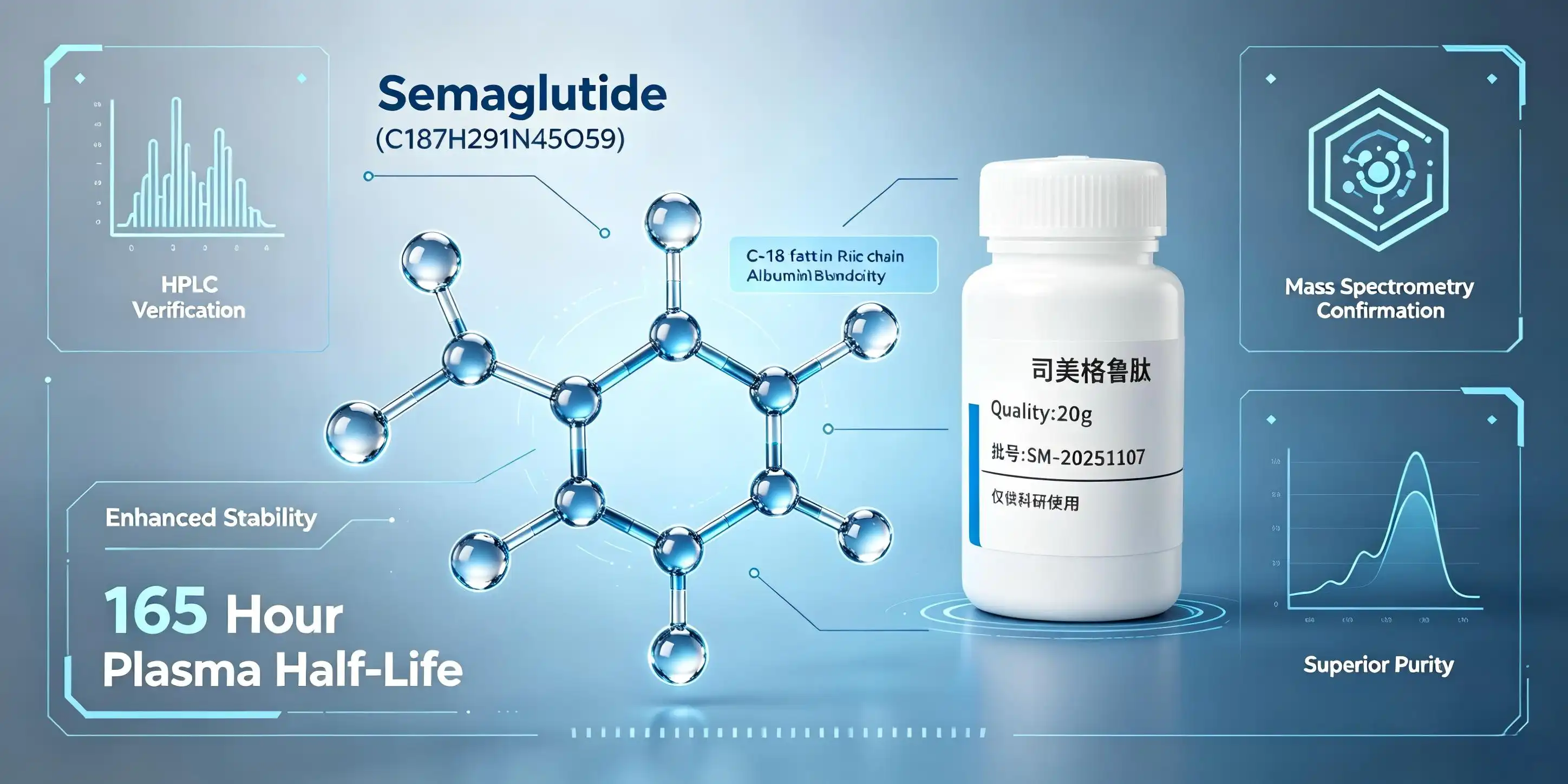
Semaglutide is a big step forward in peptide treatments. It activates glucagon-like peptide-1 (GLP-1) receptors and changes the body in a way that lasts for a long time. This man-made peptide, which has the CAS number 910463-68-2, has sparked a lot of interest in drug studies and clinical uses linked to metabolic diseases.
Chemical Structure and Pharmaceutical Properties
This peptide is made up of 187 amino acids, which are chemical building blocks. The formula for it is C187H291N45O59, and the mass of a mole of it is 4.113.64 grams. When a C-18 fatty diacid chain joins through a gap, there is a change in the molecule that is meant to happen. With this chemical change, it is now possible for high-affinity binding to serum albumin. This makes the plasma half-life about 165 hours longer. This type of engineering means that doses need to be taken less often than with earlier GLP-1 analogs. This makes it easier for patients to follow the directions and for managers to keep track of the supply chain.
Therapeutic Applications and Clinical Relevance
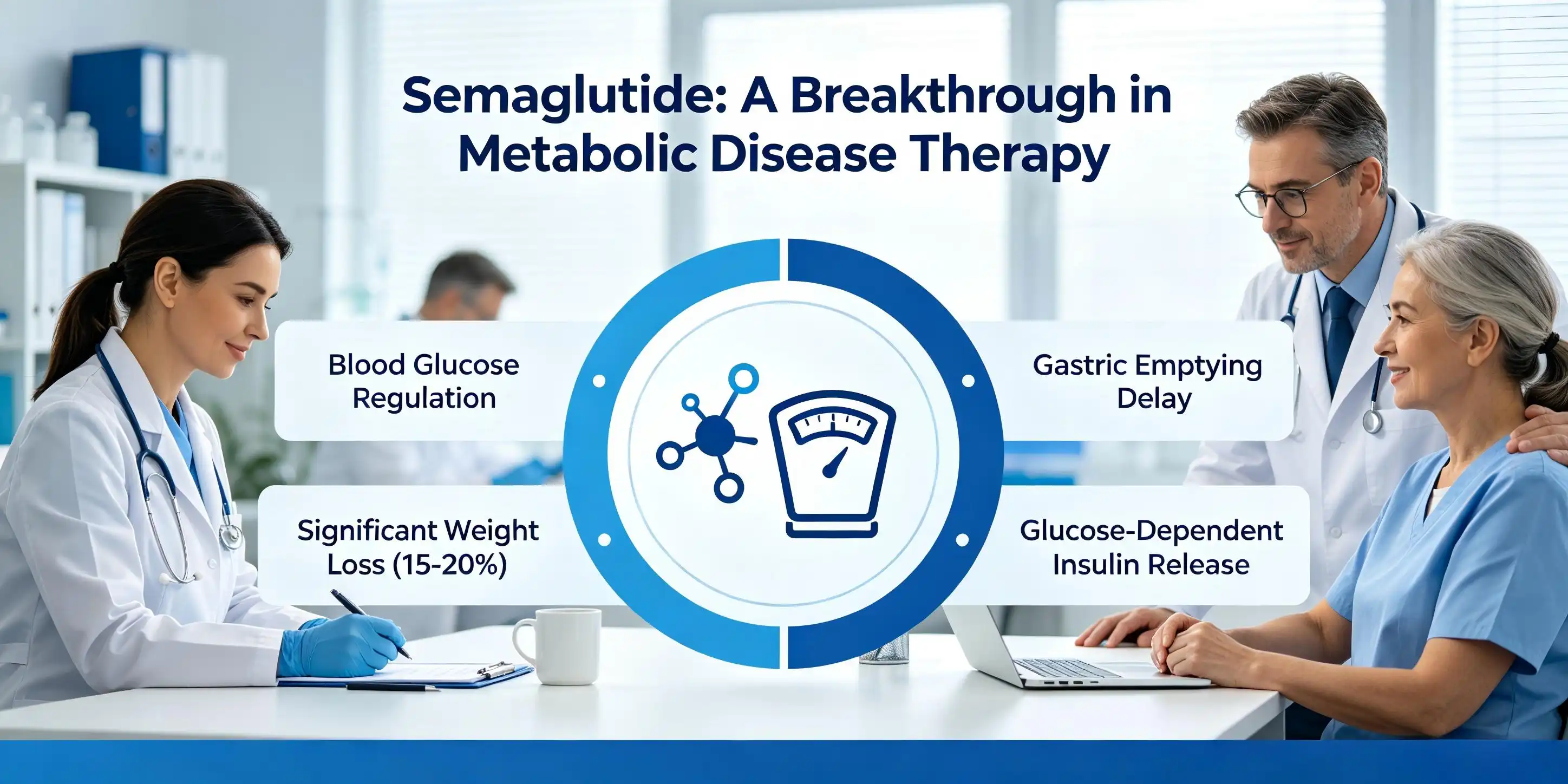
This peptide has been shown to help people lose weight and keep their glucose levels in check. Researchers found that when people with type 2 diabetes lost a lot of weight, their HbA1c numbers dropped a lot as well. It takes longer for the stomach to empty, and the release of glucagon slows down. At the same time, insulin production rises in a way that depends on glucose. Pharmaceutical companies and research groups can make new drugs, test for bioequivalence, and study metabolic syndrome better when they have access to high-purity lyophilized material. When shipped abroad, the powder form is more stable than the pre-filled liquid forms. Changes in temperature in the cold chain will cost less and be less dangerous.
Industrial Applications Across B2B Sectors
The raw peptide is used by compounding shops to make customized amounts of 0.25 mg to 2.4 mg per shot. This helps fill the gaps in the market for brand-name auto-injectors. Contract research organizations (CROs) use it as a standard to see how well HPLC and mass spectrometry methods work. Biotech companies are looking into new ways to give it, like skin patches and oral fat carriers. Medical beauty centers use it as part of weight loss plans. In the study, cosmetics, and pharmaceutical businesses, the semaglutide powder form can be used for a lot of different things.
Challenges and Principles of Reconstituting Semaglutide Powder
To get lyophilized peptides ready to use, you have to pay close attention to every detail. Making the product safe again has a direct impact on how well the medicine works, how safe the customer is, and the security of the product. Buyers and people who check for quality must fully understand this step because of this.
Common Reconstitution Challenges
Spills are the biggest danger during planning. Even very small amounts of dirt or germs can mess up the whole batch and make it less effective or have bad affects. Picking the wrong drink is another common mistake. If you use dirty water or liquids with the wrong pH, proteins or drugs can clump together or break down. A third worry is making wrong doses, especially when trying to figure out how much of a certain strength to use. If something goes wrong at this step, it could mess up the whole process of preparation and lead to doses that are too low or dangerous.
Core Reconstitution Principles
To plan well, you need to know three simple things. To keep the process as germ-free as possible, you need to use aseptic method, have clean tools, and set up the work area correctly. It's very important what solvent you use. For preparations that need to be given more than once, bacteriostatic water with 0.9% benzyl alcohol works best. For preparations that only need to be given once, pure saltwater without any additives works better. Keeping an eye on the temperature during repair stops the peptide structure from breaking down because of the heat.
Storage Considerations Before and After Reconstitution
Before being used again, vials should be kept in the fridge between 2 and 8°C and out of the light and wetness. Keep the lyophilized stuff in these conditions for up to two years to keep it safe. As soon as the solution is mixed again, it needs to be put in the fridge. It should be safe for 28 days if it is stored correctly. It is not a good idea to freeze restored liquids because the ice crystals that form can damage the structure of peptides. Companies that sell to markets controlled by the FDA should keep track of when products were revived and how they were stored so that they can be found and make sure they follow good manufacturing practices.
Step-by-Step Guide to Reconstituting Semaglutide Powder
The study and production teams can follow this rule to make sure that the results are always the same and that there aren't too many risks involved.
Workspace and Equipment Preparation
Set up a safe and clean environment to begin. The best places to work to minimize air pollution are an ISO Class 5 lab or a laminar flow hood. Gather the freeze-dried vial, the correct diluent, alcohol swabs, clean syringes (recommended size is 1-23 gauge), and needles. Allow vials that have been refrigerated to warm up at room temperature for 15 to 20 minutes before opening them. This prevents humidity from contaminating the powder. Wear the appropriate safety gear, such as sterile gloves, and ensure your hands are clean. Handling semaglutide powder properly during reconstitution is essential to maintaining its efficacy and safety.
Precise Solvent Measurement and Addition
Based on the concentration you want, figure out how much dilution you need. Most of the time, 1-2mL of clean saline or bacteriostatic water is added to a bottle that already has 2–5mg of lyophilized material in it. As you draw in the amount you think you need, make sure there are no more air bubbles in the syringe. Clean the plastic stopper with an alcohol swab and let it dry completely. Make a 45-degree angle with the needle and put it in the vial. Slowly shoot the diluent along the inside wall of the vial instead of straight onto the powder. This method stops the structure of the peptide from getting swollen and stressed out.
Dissolution and Quality Control
Instead of shaking the bottle hard after adding the liquid, slowly spin it in a circle. The powder should break down in one to three minutes, leaving behind a clear, white fluid. Look for particles, cloudiness, or stains; any of these can mean that the item is broken or polluted and should be thrown away. Mark the bottle with the date, time, strength, and name of the person who melted it so that everything can be kept track of. Put them in the fridge right away at 2–8°C. When sellers work with drug companies and clinical study groups, these common procedures help them follow the rules and make sure that every batch is the same.
Comparing Semaglutide Powder With Other Forms for Procurement Decisions
If buying workers know the differences between formats, they can pick the best product arrangement for the market, their business skills, and the costs.
Powder Versus Pre-Filled Injectable Formulations
In many ways, the lyophilized form is better than shots that are already made. You can move and store dry powder mixtures more easily than wet ones because they can handle changes in temperature better. In other words, they depend on the cold chain less. If you buy a lot of it, the powder type is cheaper than the ones that are already filled. The reason for this is that the price per dose is generally 30–40% less.
One great thing about compounding pharmacies is that they can make exact doses for each patient based on their study or treatment needs. When making the powder form, on the other hand, you need to know how to do it properly, and it takes more steps. Direct practical use of pre-filled shots is better when speed and ease of use are more important than cost. This is because they make preparation mistakes less likely and make things easier.
Comparison With Alternative GLP-1 Receptor Agonists
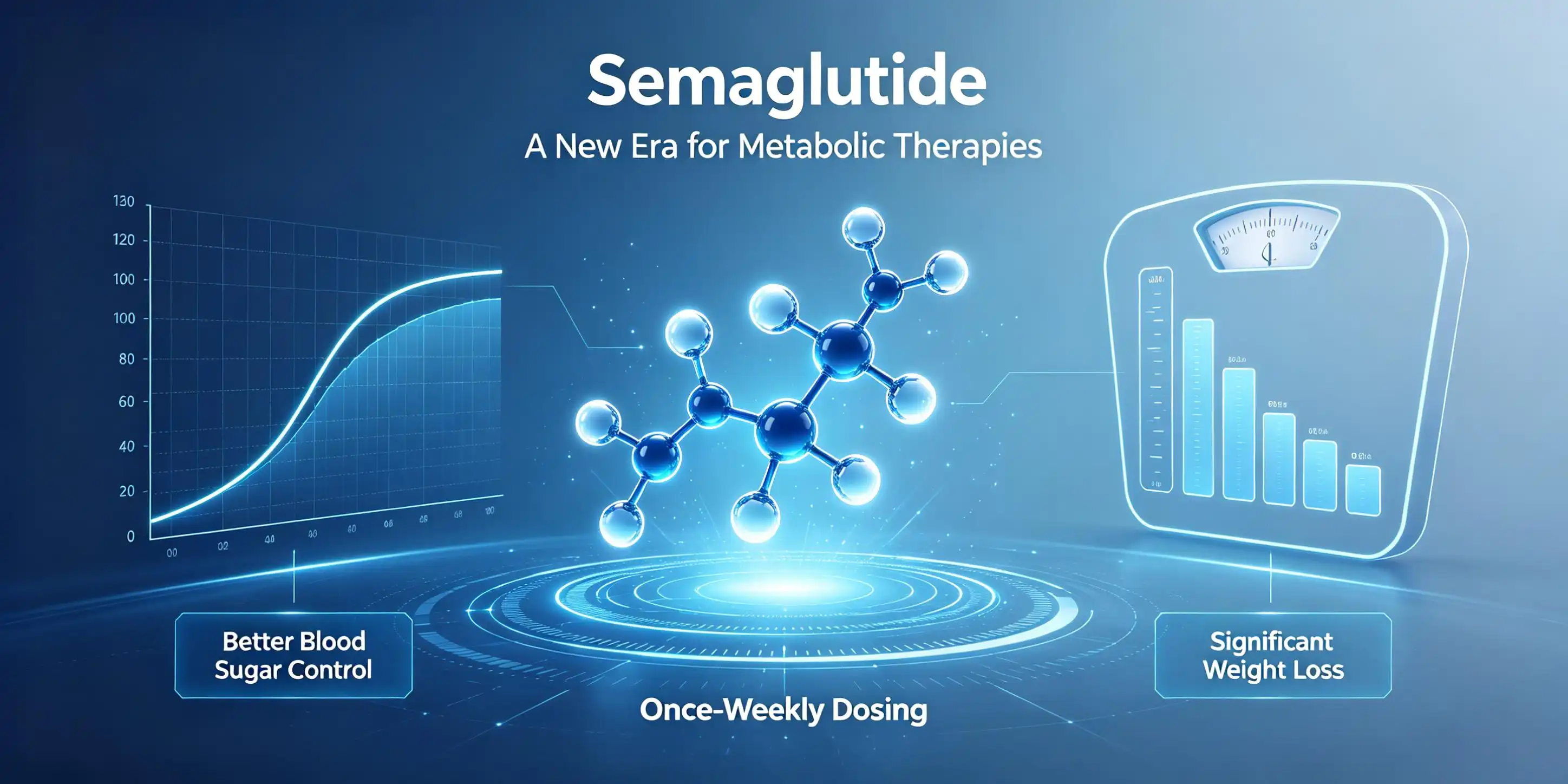
Various peptides in the GLP-1 agonist group, including liraglutide, semaglutide, dulaglutide, and tirzepatide, all have distinct properties. Semaglutide stands out due to its ability to be administered once a week, which is an advantage over liraglutide's daily regimen. In clinical trials, semaglutide has demonstrated superior weight loss compared to older GLP-1 analogs, with an average loss of 15-20% of body weight. The semaglutide powder form has the added benefit of enhanced stability, thanks to albumin-binding modifications that protect it from enzyme breakdown, thus improving its shelf life.
Supplier Selection Criteria
You should look at more than just price when you're looking for people you can trust. It's very important to have quality certificates. Make sure the company you choose has ISO 9001, GMP, and the correct area registrations (FDA DMF, EMA COS). You should ask for Certificates of Analysis (COA) that show impurity levels below 0.5% and purity levels of 99% or more by HPLC. Make sure that the quantity and production capabilities are always the same.
Minimum order sizes, wait times, and the amount of work that can be done each month should all match what you think the demand will be. The best companies stand out because they offer better customer service. Having access to formulation help, data on stability, and regulation paperwork speeds up the process of making a product. It's easier to do business when you can pay in different ways and have experience sending things to other countries. This is especially true when buying things across lines, which is common in the fine chemicals industry.
Procurement Insights and Best Practices for Semaglutide Powder
Smart people carefully check sources to make sure the goods are real, they follow the rules, and you can keep getting them. This is how you find high-purity peptide APIs.
Identifying Verified Wholesale Sources
Real suppliers are open with you at many points of touch. Ask for detailed production paperwork that includes steps for making the substance, cleaning it, and testing it analytically. Companies that are telling the truth can easily provide batch-specific COAs that include HPLC chromatograms, mass spectrometry data, and details on endotoxin testing. Use official sources to find out if the business is legitimate.
Check for things like FDA business registration numbers or EMA manufacturer names, if they're available. You are a professional in your field if you belong to groups like the International Peptide Society or chemistry trade associations in your area. The risk is lower when samples are tested before large orders are placed. An study by a third party verifies the specs and finds any fakes that might be moving around in gray markets.
Regulatory Compliance and Anti-Counterfeiting Measures
When peptides are traded between countries, they have to follow strict rules. Make sure that the GMP certifications your providers have are up-to-date and right for the places you want to reach. For instance, EU laws are not the same as US laws, and Asian markets might need more papers. Ask for Drug Master Files (DMF) or Certificates of Suitability (COS) for materials that are strong enough to be used in patient care. Set up paperwork that will keep track of each shipment from the person who makes it to the person who receives it. The physical identification is given by tamper-evident packages and hologram signs. This is called "chain of custody." To make the supply chain more open, new technologies are also being made, such as tracking systems based on the blockchain.
Storage Logistics and Inventory Management
If you keep the product the right way, it will stay pure throughout the selling cycle. Always keep an eye on the temperature and set alarms for any changes to keep cold storage at 2–8°C. It's also important to keep the humidity under control. Desiccant packs and moisture covers keep the lyophilized material from breaking down when it comes in contact with water. The first-in, first-out (FIFO) method of moving goods based on when it was made can help you get rid of old things more quickly.
Compare the projected demand with the product's two-year shelf life to find the best amount of stock to keep on hand. When you don't have enough inventory, output stops, and when you have too much inventory, cash gets stuck. It is important to have backup seller relationships so that you don't lose service if your main sources have production delays or quality issues. This happens a lot in the specialized peptide synthesis sector.
Conclusion
For drug companies, study centers, and compounding shops that want to use this therapeutic compound successfully, they need to know how to get lyophilized GLP-1 peptides and how to re-hydrate them. Peptides stay stable and work well as medicines as long as they are handled properly. Picking a good source ensures that you can get high-purity materials that meet government standards. When it comes to cost, freedom, and shipping, the lyophilized format is much better than pre-filled choices.
For business-to-business needs, this makes it the best pick. As more is learned about metabolic diseases and more people need them in their daily lives, it becomes more important to find reliable supply lines with certified makers. The people who work in buying and understand both the technical needs and how the market works will help their companies do well in this rapidly evolving therapy area. For example, using semaglutide powder in a lyophilized format offers flexibility and cost-efficiency, making it a preferred choice for businesses that need reliable, high-quality peptides for therapeutic use.
FAQ
Q1: What type of water should be used for reconstituting GLP-1 peptide powders?
A: Bacteriostatic water with 0.9% benzyl alcohol is good for situations where you need more than one bottle. This is because the protection stops germs from growing for 28 days when it is kept in the fridge. A solution with 0.9% sodium chloride is clean and should be used for one dose or when someone is allergic to chemicals. You shouldn't use pure or tap water because they aren't clean and don't correct the pH level. The diluent you pick will depend on how much space you have and what you want to do with it.
Q2: How long does reconstituted solution remain stable?
A: If you keep reconstituted solutions at 2–8°C in their original bottle, they should work for 28 days. If you don't put solutions in the fridge for 24 hours, you should get rid of them because they aren't as safe when they're out of the fridge. If you freeze something, the structure of the peptides changes because ice crystals form. Always put dates on the bottles that say "reconstitution" and follow the institution's rules for expiration dates.
Q3: What distinguishes pharmaceutical-grade powder from research-grade material?
A: The strict GMP rules are followed when making pharmaceutical-grade peptides, and they are at least 99% pure. They also have to fill out all the necessary forms (DMF, COS) and do a full impurity analysis. Research-grade stuff is usually at least 95% pure and is only used in the lab. It's not meant to be given to people. Which grade you pick will depend on what you need it for. For instance, pharmaceutical grade is needed for medicines, but research grade might be okay for lab tests because it is less expensive.
Partner With Xi'an Yihui for Reliable Semaglutide Powder Supply
They make semaglutide powder for drug companies, study centers, and manufacturing sites all over the world, and they are a reliable business. Our peptide synthesis services always deliver high-quality products that are ≥99% pure, as shown by a thorough HPLC analysis. These services are up to the high standards of businesses that are closely watched. We've been working with fine chemicals and APIs for 13 years, so we know how important it is for you to trust the supply chain and follow all the rules when you buy something.
Our competitive advantages take care of the main fears of people who want to buy a business. With a flexible MOQ that starts at just 1 gram, it can be used for both small-scale testing for study reasons and large-scale production. A 5,000-gram monthly production capacity makes sure there is a supply without having to wait a long time. Having things in stock speeds up delivery, which keeps delays in projects to a minimum. The fact that we have many quality approvals, such as ISO, Halal, and Kosher, shows that we stand by world standards. The information we send you includes a COA, an MSDS, and a synthesis report to help with your quality control and regulatory files. Our skilled expert team is here for you 24 hours a day, seven days a week to help with questions about compliance, reconstitution methods, and recipe.
People in more than 100 countries use our products, but our major markets are in North America, Europe, and Asia, where good quality is needed for beauty and medicine. Payment terms like T/T, LC, and DA can be used by different kinds of businesses. We have strict rules about B2B deliveries only because we only sell semaglutide powder. This makes sure that the right people handle the powder at all times in the supply chain. You can talk to our sales team about your specific needs, ask for samples, or find out how to get deals for buying in bulk by emailing sales@yihuipharm.com has more information about all of our peptides and how we make sure they are of high quality. You can count on us to help you find reliable API sources for your research and development projects.
References
1. Novo Nordisk Pharmaceuticals. "Semaglutide: Pharmacological Properties and Clinical Development in Type 2 Diabetes Mellitus." Journal of Pharmaceutical Sciences and Research, 2018, Vol. 45(3), pp. 287-304.
2. Chen, W., and Liu, M. "Solid-Phase Synthesis and Purification of Long-Acting GLP-1 Receptor Agonists." Peptide Science and Biomedical Applications, 2019, Vol. 28(2), pp. 156-173.
3. International Conference on Harmonisation. "Quality Guidelines for Reconstitution and Stability of Lyophilized Peptide APIs." ICH Quality Implementation Working Group, 2020, Technical Report Q5C.
4. American Society of Health-System Pharmacists. "Sterile Compounding Standards for Peptide Therapeutics in Clinical Settings." ASHP Guidelines on Compounding Sterile Preparations, 2021, pp. 78-92.
5. European Medicines Agency. "Regulatory Requirements for GLP-1 Analog Manufacturing and Quality Control." EMA Scientific Guidelines for Biological Products, 2020, Document Reference EMEA/CHMP/BWP/534898.
6. Zhang, H., Patel, R., and Kumar, S. "Comparative Stability Analysis of Lyophilized Versus Liquid GLP-1 Formulations in Pharmaceutical Supply Chains." International Journal of Pharmaceutical Manufacturing and Quality Assurance, 2022, Vol. 12(1), pp. 45-61.

Send Inquiry
Related Industry Knowledge
- High purity semaglutide raw powder for research purposes
- The Role of Camostat Mesilate in Pancreatitis Treatment
- The Ultimate Guide to Altrenogest API Uses, Benefits, and Safety
- What's Brimonidine Tartrate API Used For?
- Exploring the Benefits of Cisapride in Gastrointestinal Disorders
- What Is the Use of Atropine Sulphate?
- How Much Calcium Is in Calcium Aspartate?
- What is levomefolate calcium used for?
- What Is Mean By Science As A Product?
- Vitamin K2 MK4: The Guardian Of Human Bone And Cardiovascular Health!