
Is Liraglutide Effective for Weight Loss? Understanding the GLP-1 Peptide Therapy
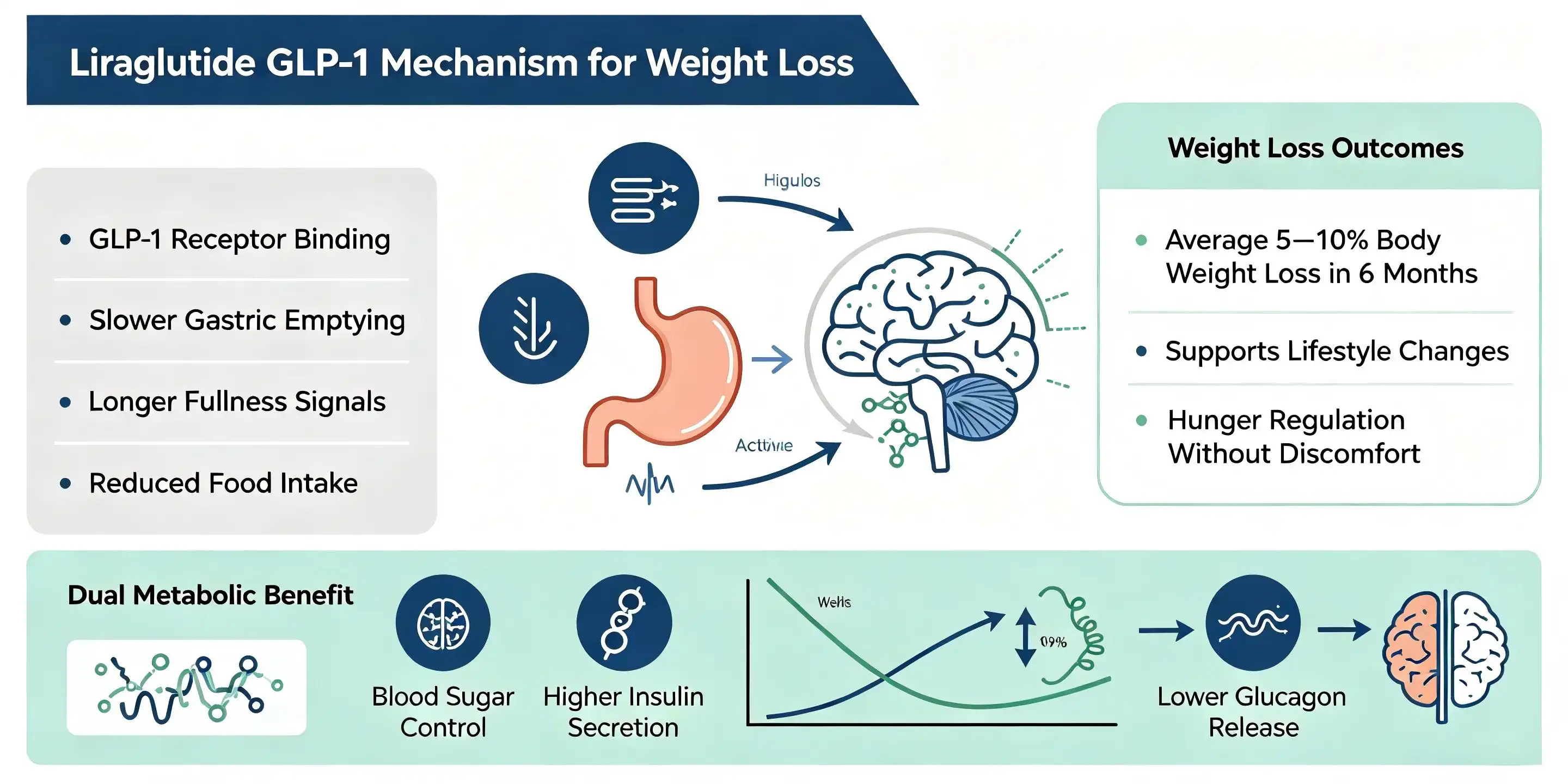
Of course, Liraglutide works very well to help people lose weight because it binds to GLP-1 receptors. The GLP-1 peptide Liraglutide works like the incretin hormone found in nature. It does this by stimulating receptors that control glucose metabolism and hunger. Clinical data shows that people who take Liraglutide and make changes to their lifestyle lose an average of 5 to 10 percent of their starting body weight in six months. This peptide works by slowing the emptying of the stomach and sending stronger messages to the brain that you are full.
This creates a physiological setting that is good for maintaining a healthy weight. Liraglutide can help with more than just weight loss; it can also help control blood sugar levels. This makes it a more appealing therapeutic choice for pharmaceutical makers, research institutions, and formulation experts looking for approved peptide APIs for next-generation metabolic therapies.
What Is Liraglutide and How Does It Work?
Liraglutide is a complex step forward in peptide therapeutics. It was designed to treat metabolic diseases by changing specific receptors. As procurement workers look at peptide providers, they need to know about the molecular structure and how this substance works so that they can match product specs with study or clinical uses.
Classification and Molecular Structure
Liraglutide (CAS 204656-20-2) is a man-made version of human glucagon-like peptide-1. Its structure is 97% the same as that of the natural hormone. Its molecular formula is C172H265N43O51, and its molecular weight is 3751.202 Da. This puts it in the therapeutic peptide group, which means it can be given under the skin. Palmitoylation at lysine-26 through a glutamic acid spacer is the important chemical change that allows non-covalent binding to blood albumin.
This acylation keeps the peptide from being broken down quickly by dipeptidyl peptidase-4, which increases its half-life from minutes to about 13 hours. These kinds of stability traits have a direct effect on formulation needs and storing guidelines, which are very important things for procurement teams that are in charge of biological inventories that need to be kept at a certain temperature.
Mechanism of Action in Weight Management
Liraglutide's healing effect depends on its ability to connect with GLP-1 receptors found in pancreatic beta cells, the digestive tract, and parts of the brain that control hunger. When a receptor is activated, several bodily processes start at the same time. When glucose levels rise, pancreatic insulin production goes up. This lowers the risk of hyperglycemia compared to treatments that don't use incretins. At the same time, glucagon release slows down, which further stabilizes glucose levels after a meal. Within the digestive system, gastric emptying slows down a lot.
This makes it take longer for nutrients to be absorbed and sends signs of fullness that last longer. The effects on the hypothalamus are especially useful for weight loss because activating receptors in areas that control hunger makes people eat less food even if they don't feel sick. These many ways that Liraglutide works explain why it is used for both managing diabetes and controlling long-term weight. This helps companies that are making combination medicines or doing study on how well different treatments work.
Dosage Specifications and Administration Protocols
Liraglutide is usually started at a dose of 0.6 mg per day, which is injected under the skin. The dose is then increased by 0.6 mg every week until it reaches the maintenance dose of 3.0 mg for weight management (1.8 mg maintenance is used for diabetes control). This titration plan sets beneficial blood levels while minimizing side effects on the digestive system. When figuring out bulk needs or formula scalability, procurement specs must take these dosing factors into account.
The need for keeping in a cold place (2–8°C) until the first use, followed by 30 days of stability at room temperature after recovery, puts specific demands on the supply chain. Distributors who work with medical aesthetics institutes or clinical research organizations need to be able to handle cold chains and have batch tracking systems that keep track of everything throughout the delivery network. Knowing these operating factors helps purchasing managers judge the skills of suppliers in more ways than just comparing prices.
Effectiveness of Liraglutide for Weight Loss: Clinical and Real-World Evidence
To properly evaluate therapeutic peptides, we need to look closely at both clinical data and real-world success measures. There is a lot of evidence that Liraglutide helps people lose weight. This evidence comes from controlled trials, post-marketing monitoring, and comparative effectiveness studies. All of these studies help with figuring out how to best buy the drug and how to sell it.
Clinical Trial Outcomes and Weight Reduction Data
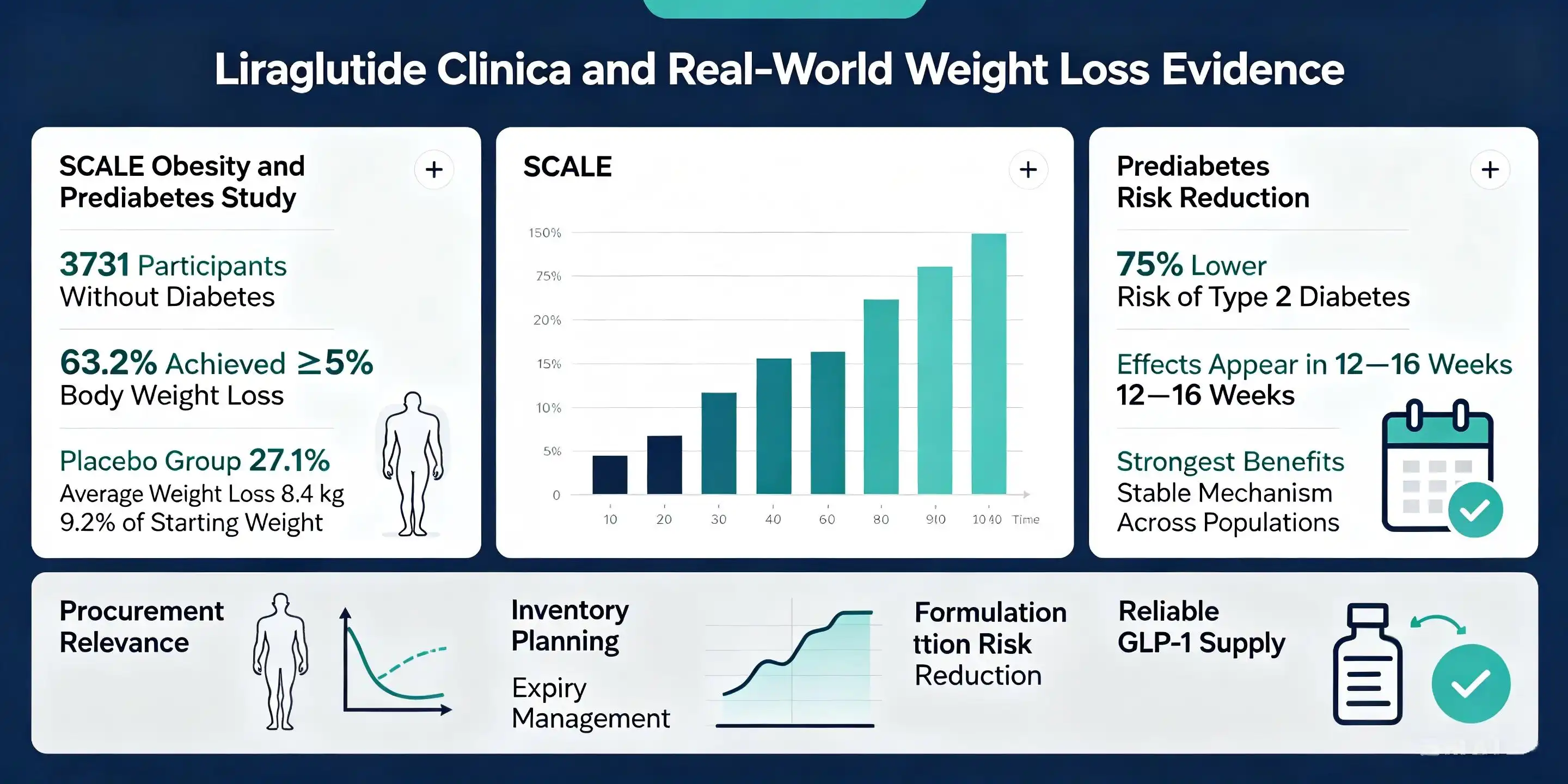
The SCALE (Satiety and Clinical Adiposity – Liraglutide Evidence) study scheme gives the most complete proof that GLP-1 peptide Liraglutide works to lose weight. The SCALE Obesity and Prediabetes study included 3,731 people who did not have diabetes. Over 56 weeks, 63.2% of those who took Liraglutide lost at least 5% of their body weight, while only 27.1% of those who took a placebo did the same. The treatment group lost an average of 8.4 kg (9.2% of their starting weight), while the control group lost only 2.8 kg. These differences set clinically important limits.
At the same time, glycemic factors got better, and people who were prediabetic had a 79% lower chance of getting type 2 diabetes. These effects usually show up 12 to 16 weeks after starting the daily dose, but the strongest benefits last for six months. When planning for inventory needs and managing expiration dates, procurement workers who help with pharmaceutical research or clinical study supply must keep these dates in mind. The fact that Liraglutide works the same way in different groups of people shows that its mechanism is stable. This lowers the risk of formulation for generic makers or copycat manufacturers who want to get into the GLP-1 market.
Comparative Analysis with Alternative GLP-1 Agonists
The GLP-1 receptor agonist class includes a number of different substances with different pharmacokinetic patterns and levels of effectiveness. A newer version called Semaglutide helps people lose more weight (12–15%) by improving the way its receptors work and making it easier to take once a week. But Liraglutide still has benefits like well-known safety profiles, a lot of real-world data covering more than a decade, and more government approvals in more places.
Dulaglutide and exenatide have different chemical properties, but they don't have as big of an impact on weight as Liraglutide. When it comes to buying things, cost plays a big role. Liraglutide is in the middle of the price range, making it easier to get than Semaglutide while also working better than older drugs. Supply chain security is another thing that sets Liraglutide apart. It is made in established manufacturing networks with multiple approved producers.
This lowers the risk of being dependent on a single source, which is very important for wholesalers who manage hospital formularies or pharmacy networks. When looking at different ways to get products, procurement managers should ask for comparison absorption data and stability testing results to make sure the products are the same.
Safety Profile and Long-Term Considerations
Liraglutide's safety record includes more than 5 million patient-years of exposure, showing that most of the side effects are related to the stomach. About 40% of people who start taking a new drug feel sick at first, but this usually goes away within a few weeks as the amount is titrated up or down. Serious side effects are still very rare. For example, thyroid C-cell tumors have been seen in rat studies but have not been proven in human groups in 15 years of pharmacovigilance.
The rate of pancreatitis seems to be similar to the rate of diabetes in the general population, but tracking is still going on. Cardiovascular outcome studies (LEADER study) showed a 13% drop in big unfavorable cardiac events, which means that the drug is useful for more than just weight loss. These safety factors have a direct effect on the legal paperwork that is needed for buying contracts.
Quality assurance teams have to make sure that sellers give full Certificates of Analysis (COA), HPLC purity reports showing that the product is ≥98.0% pure, and mass spectrometry proof of the molecular identity. Regulatory managers looking for facilities that are controlled by the FDA need to be able to access the Drug Master File (DMF) and show proof of GMP certification in order to meet audit standards.
Market Comparison and Procurement Insights for Liraglutide
As more ways to treat obesity are found and new competitive goods come out, the business world around GLP-1 peptide Liraglutide and other GLP-1 medicines is changing quickly. To make the best buying choices in this constantly changing market, procurement workers need up-to-date information on price structures, the stability of supply channels, and quality verification procedures.
Competitive Positioning and Market Dynamics
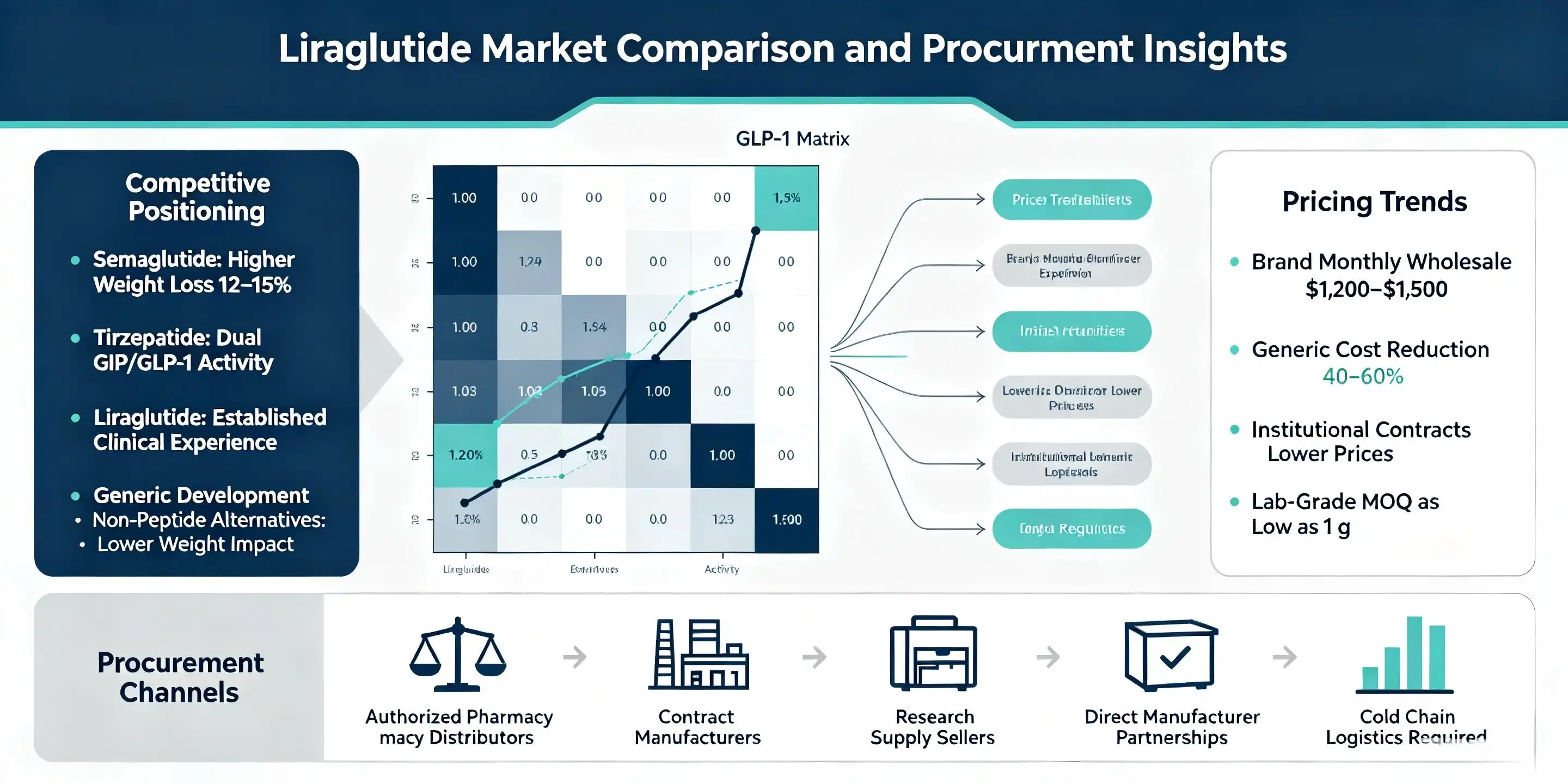
In the market for weight control drugs, Liraglutide has a well-established place, fighting with both pharmacological alternatives and non-peptide obesity drugs. Orlistat and phentermine-topiramate are older pill choices that work in different ways but usually don't help people lose as much weight or keep it off. The GLP-1 class is the most popular because it works better, is safer, and works with the way fat affects the body. In the GLP-1 market, Semaglutide and tirzepatide (a dual GIP/GLP-1 agonist) are putting more pressure on Liraglutide.
These drugs help people lose weight more effectively by changing how receptors interact with each other. Even with all of this competition, Liraglutide stays relevant in the market for a number of reasons. It has a lot of clinical experience, which gives conservative formulary committees and institutional review boards that watch over research procedures trust. Different areas have different patent systems. In some places, generic Liraglutide development is moving forward, which gives buyers who are looking to save money chances to get it.
Liraglutide is being used more and more in weight loss and medical aesthetic clinics as part of full plans. This is driving demand through non-traditional outlets. Liraglutide is a well-known name that patients are already familiar with, which helps distributors who work with these groups more than new agents who need to spend a lot of time learning about the product.
Pricing Trends and Procurement Channels
In the U.S., the monthly wholesale costs for brand-name Liraglutide are usually between $1,200 and $1,500. However, institutional contracts and foreign buying can make prices much lower. Generic versions are becoming available in some areas and can cut costs by 40 to 60 percent, though the level of government approval varies by area. When buying Liraglutide raw materials or finished products, procurement managers have to deal with a lot of different channels.
Authorized pharmacy distributors charge more than other companies but offer legal security and a clear chain of custody. Contract production companies and research supply sellers can work with custom formulation projects or small-batch research needs. For lab-grade materials, the minimum order quantity (MOQ) is often as low as 1g. For long-term large purchases, direct manufacturer ties become possible, especially for companies that make generic drugs or private-label drugs. When it comes to prices, quality assurance, legal paperwork, and supply continuity, each route has its own set of risks and benefits.
As part of due research, suppliers should show proof that they have GMP certifications, ask for data on testing data that is unique to each batch, and confirm that there are systems in place to keep fake products from getting into the system. Because peptide synthesis happens all over the world, buying from Asian makers can save you money. However, importers must make sure they follow the rules of the target country and keep the logistics of temperature control during international shipping.
Quality Verification and Supplier Selection Criteria
When looking for GLP-1 peptide Liraglutide providers, you need to use strict review systems that look at more than just price. The most important requirement is analytical verification—suppliers must show that their HPLC is consistently pure (≥98.0%), with individual impurities below 0.5%. Confirmation by mass spectrometry of the right molecular weight (3751.202 Da) stops problems with replacement or degradation. Checking the order of peptides using amino acid analysis or peptide mapping is important for making sure the structure is correct. This is especially important for Liraglutide, which has a 31-amino acid chain with site-specific palmitoylation.
Regulatory compliance paperwork tells the difference between trustworthy providers and dishonest ones. An ISO 9001 certification for quality management is a basic level of guarantee. An ISO 13485 certification for medical equipment or a GMP certification for pharmaceutical APIs shows that the quality systems are more advanced.
Suppliers who want to do business with research institutions should keep the right material safety paperwork (MSDS) and handle chemicals in a way that follows lab safety rules. Batch traceability systems that let you keep track of things from the time they are synthesized until they are distributed meet legal reporting requirements and allow for recalls if quality problems show up after they have been distributed.
Reliability in lead times has a big effect on planning purchases, especially for clinical trial supplies where dosing schedule changes could hurt the purity of the study. Preferred suppliers keep strategic inventory levels that allow for quick delivery, and they should be able to say that standard amounts are in stock. Finally, expert support skills set apart the best partners. Suppliers who offer formulation advice, help with stability studies, and custom synthesis for changed analogs add value beyond just selling goods.
Integrating Liraglutide in B2B Procurement Strategies
When buying specialized peptide medicines like Liraglutide strategically, you need to find ways to combine research needs, government rules, and business goals. Pharmaceutical companies, research institutes, and healthcare delivery systems can all benefit from organized ways to handle their suppliers and their portfolios.
Demand Assessment Across Buyer Profiles
When looking for Liraglutide products, different types of organizations have different ways of buying things and setting priorities. Pharmaceutical and biotechnology businesses working on biosimilar or generic drug projects need pharmaceutical-grade APIs along with full regulatory paperwork to back up their accelerated drug applications (ANDAs) or regulatory submissions. Their buying amounts change based on when they are in the development stage. It starts with kilograms for recipe development and bioequivalence studies and goes up to multiple kilograms or tons when the product is ready for sale.
These buyers put a high value on GMP compliance, DMF supply, and the ability to increase production capacity. Different research institutions and university labs buy in different amounts. For example, mechanical studies, analog development, or comparison research, they usually buy between 1 gram and 100 grams. Instead of helping with regulatory filings, they focus on things like material purity, analysis paperwork, and flexible order minimums. Medical aesthetic clinics and compounding pharmacies are new buyers that are looking for finished formulations or bulk active ingredients for personalized patient treatments. They have to work within complicated legal frameworks that are different in each country.
Cosmetic ingredient sellers who want to use peptides in anti-aging or metabolic formulas need to make sure the materials they use are safe and of cosmetic grade. Trading companies and business-to-business (B2B) sites that combine demand from many end users try to get the best prices and the largest networks of suppliers. Effective procurement strategies divide these types of people into groups, changing the criteria used to choose suppliers, the terms of the contract, and the quality standards to fit the needs and risk limits of each company.
Quality Assurance and Regulatory Compliance Frameworks
Strong quality systems separate buying operations that always produce materials that are in line with regulations from those that have problems with regulations or products that don't work. Before placing an order, you should go through a thorough process to qualify the seller.
This should start with a desktop audit that looks at the supplier's certifications, analytical skills, and quality control systems. When key suppliers help with large-scale operations, they have to allow on-site visits to check out the industrial settings, how paperwork is done, and the skills of the staff. When new materials come in, they need to be tested for certain quality characteristics that aren't covered by the supplier's license.
For example, identity must be confirmed using spectroscopic methods, purity must be measured using HPLC, and research-grade materials need to be tested for microbiology. Multiple checkpoint reviews built into batch release processes keep non-conforming material from getting into production streams or clinical applications. Unexpected quality loss can be avoided with change control systems that make sure suppliers are informed of changes to the manufacturing process. Regulatory intelligence tracking keeps an eye on how requirements change across target markets.
For example, FDA rules, EMA guidelines, and ICH harmonized standards are always being updated, so buying teams have to stay up to date. Certificates of Analysis, stability data, regulatory communication, and audit trails can all be organized by documentation management systems. These systems help with regulatory reviews and product liability defense. Building these quality assurance skills takes money but reduces risk by a large amount. This is especially true for businesses that are regulated by the FDA or that want to sell their products in foreign markets where breaking the rules can have very bad business effects.
Emerging Trends and Innovation Considerations
The world of GLP-1 medicines is changing quickly, and buying plans need to be able to keep up with this. Dual and triple receptor agonists that combine GLP-1 action with GIP, glucagon, or other incretin pathways are showing better results in clinical testing. This could change how people choose to buy medicines in three to five years.
Oral GLP-1 versions that answer worries about injection resistance are moving forward through late-stage studies, but problems with bioavailability make them not yet commercially viable. If successful development keeps up, long-acting formulas that extend dosing times to monthly administration could cause problems with products that are taken once a week or every day.
Based on these new developments in the process, procurement organizations should build ties with suppliers that cover both current goods and new analogs, so they can easily change their portfolios as market conditions change. More and more, sustainability factors are affecting buying choices. For example, corporate buyers are looking at how suppliers handle trash and whether they use green chemicals. Usually, synthesizing proteins creates a lot of liquid waste and harms the environment.
This makes it possible for companies that use better production methods to stand out. Recent global problems have made supply chain stability more important. This has led to buying strategies that use a variety of geographic sources, keep strategic inventory buffers, and find backup sellers for essential materials. Companies that need a steady supply of Liraglutide should build ties with several qualified suppliers in different production regions. They should be willing to pay a little more, but this will protect them from single-point failures.
Conclusion
GLP-1 peptide Liraglutide has been shown to help people lose weight because it changes the way GLP-1 receptors work. This change leads to clinically significant weight loss, which has been backed up by a lot of study data and real-life experience. When analyzing this peptide therapeutic, procurement workers need to look at more than just effectiveness data. They also need to think about legal compliance, quality verification, source reliability, and market positioning. All of these factors affect sourcing choices.
As new GLP-1 analogs and other mechanisms come out, the competitive scene changes. However, Liraglutide stays relevant thanks to its well-established safety profiles, wide range of clinical uses, and new generic possibilities. Effective procurement strategies divide corporate needs into groups, set up strict quality control systems, and stay up to date on how new technologies are changing future treatment choices. Peptide markets are growing because more and more people have metabolic diseases. Strategically getting validated compounds like Liraglutide puts companies in a good situation to take advantage of possibilities in drug development, research progress, and clinical service delivery.
FAQ
How long does liraglutide take to produce noticeable weight loss results?
Based on clinical data, the first weight loss usually shows up 4 to 8 weeks after hitting therapeutic maintenance doses, but each person's reaction is different. The strongest results happen gradually over 6 months of regular use. The dose-escalation procedure, which lasts for several weeks, slows the full therapeutic effect but makes the drug easier for the stomach to handle. Procurement teams that help with clinical programs should plan supply coverage that lasts at least six months so that they can see all of the effectiveness measures and keep people from stopping treatment too soon because of supply interruptions.
What safety considerations affect liraglutide procurement decisions?
Some of the most important safety issues are stomach problems like sickness, vomiting, and diarrhea, a possible risk of pancreatitis that needs to be monitored, and possible thyroid problems based on data from animals. Quality assurance teams have to make sure that sources give them materials that don't have any aggregates or breakdown products that could make them more immunogenic. Proper storing conditions, like keeping the temperature between 2 and 8°C, stop peptides from breaking down, which could change their safety ratings. Regulatory paperwork proving GMP production under controlled conditions lowers the risks of contamination that come with peptide synthesis.
Are generic liraglutide versions available, and how do they compare?
As regional patents run out, generic versions of Liraglutide have started to appear in some areas, though access varies a lot from place to place. Bioequivalence guidelines say that the drugs must have the same pharmacokinetic profiles and therapeutic outcomes as named drugs. When evaluating generic makers for purchases, it's important to make sure they provide full analytical comparability data, stability tests to prove equivalent shelf life, and regulatory approvals specific to the target markets. Cost cuts of 40 to 60 percent are common with generics, which creates procurement value for price-sensitive uses where regulatory routes allow generic replacement.
Partner with Xi'an Yihui for Premium Liraglutide API Sourcing
The GLP-1 peptide Liraglutide provider you can trust is Xi'an Yihui Bio-technology Co., Ltd. They provide research-grade peptide materials that meet the high quality standards needed by pharmaceutical development, research institutions, and specialized manufacturing projects. Our Liraglutide (CAS 204656-20-2) is ≥98.0% pure by HPLC and comes with full analytical paperwork such as a certificate of analysis (COA), HPLC chromatograms, and proof by mass spectrometry. With different packaging choices (1g/bag, 100g/bag, 1kg/bag) and a low MOQ of 1g, we can meet the needs of both small study projects and large business needs.
Our in-stock availability means that we can ship right away, removing the uncertainty of wait times that can delay projects. Xi'an Yihui offers reasonable prices, quality management that is ISO-certified, full regulatory support documents, and technical advice from our team of experienced professionals. Our 13 years of experience in fine chemicals make us the perfect long-term partner for you whether you're making new products, doing comparison research, or getting reliable peptide raw materials for manufacturing.
Email our skilled team at sales@yihuipharm.com for full product details, personalized quotes, and purchasing options that are made to fit your needs. You can look at our full range of peptides at yihuipharm.com and learn why pharmaceutical businesses in Europe, the US, and Asia choose Xi'an Yihui as their main Liraglutide producer.
References
1. Pi-Sunyer X, Astrup A, Fujioka K, et al. A Randomized, Controlled Trial of 3.0 mg of Liraglutide in Weight Management. New England Journal of Medicine. 2015;373(1):11-22.
2. Marso SP, Daniels GH, Brown-Frandsen K, et al. Liraglutide and Cardiovascular Outcomes in Type 2 Diabetes. New England Journal of Medicine. 2016;375(4):311-322.
3. Wadden TA, Hollander P, Klein S, et al. Weight maintenance and additional weight loss with liraglutide after low-calorie-diet-induced weight loss: the SCALE Maintenance randomized study. International Journal of Obesity. 2013;37(11):1443-1451.
4. Nauck MA, Meier JJ. Management of endocrine disease: Are all GLP-1 agonists equal in the treatment of type 2 diabetes? European Journal of Endocrinology. 2019;181(6):R211-R234.
5. Htike ZZ, Zaccardi F, Papamargaritis D, Webb DR, Khunti K, Davies MJ. Efficacy and safety of glucagon-like peptide-1 receptor agonists in type 2 diabetes: A systematic review and mixed-treatment comparison analysis. Diabetes, Obesity and Metabolism. 2017;19(4):524-536.
6. Blonde L, Russell-Jones D. The safety and efficacy of liraglutide with or without oral antidiabetic drug therapy in type 2 diabetes: an overview of the LEAD 1-5 studies. Diabetes, Obesity and Metabolism. 2009;11(Suppl 3):26-34.

Send Inquiry
Related Industry Knowledge