
High purity retatrutide peptide powder for laboratory research
When labs and drug research teams want to do metabolic studies that can be repeated, they have to get Retatrutide peptide powder that has been confirmed pure. This triple receptor activator that works on GLP-1, GIP, and glucagon receptors is a big step forward in our understanding of how fat and type 2 diabetes work. High-purity formulations—meeting ≥99% HPLC standards—get rid of the differences in results that are caused by impurities. This makes sure that the results of study show the real pharmacodynamics and not the effects of contaminants. As Eli Lilly moves forward with Phase III trials, labs all over the world are buying more research-grade materials to go along with clinical studies and look for new ways to use these materials in therapy.
Understanding Retatrutide Peptide Powder: Uses, Benefits, and Mechanism
Triple Receptor Activation for Metabolic Research
Retatrutide peptide powder works in a way that is different from single-target peptides in terms of how it works chemically. This man-made peptide has a biochemical action that is being studied in great detail because it activates GLP-1, GIP, and glucagon receptors all at the same time. The GLP-1 part raises insulin production while lowering glucagon production, which directly addresses glucose spikes after a meal.
When you activate GIP, it makes insulin work better and helps your body use fats more efficiently. On the other hand, when you activate glucagon receptors, your body uses more energy through thermogenesis. This multi-target method is especially useful for labs studying weight loss pathways because it better models the complexity of how humans control their metabolism than single-therapy models.
With a molecular weight of 4731.33 Da, its complex structure is shown by the formula C221H342N46O68. Because of this, strict cleaning methods are needed. Material that is good for pharmaceutical use has a peptide content of at least 85%. The rest is made up of counter-ions and managed moisture levels below 5%. When we sell to research institutions, it's very important to stick to these specs, since even small changes can throw off dose-response curves in preliminary studies.
Applications in Diabetes and Obesity Research
At the moment, research teams use highly pure materials in a number of different testing settings. In vitro tests use reconstituted peptide to check how quickly receptors bind and how signaling pathways work after that. To mimic human exposure patterns, animal models need exact dose methods, which are usually given subcutaneously at set times. The peptide is stable in physiological settings, which means it can be studied for longer periods of time without breaking down much. This is an important functional benefit over GLP-1 analogs that are not as stable.
In addition to basic metabolic research, labs are looking into effects on cardiovascular health and renal function, which is in line with Eli Lilly's current Phase III trial objectives. The peptide's ability to lower hunger through pathways in the central nervous system while also raising energy use in the body's edges makes it a useful tool for studying how satisfaction and thermogenesis work in the brain.
Comparison and Evaluation of Retatrutide Peptide Powder for B2B Procurement
Retatrutide vs. Semaglutide and Tirzepatide
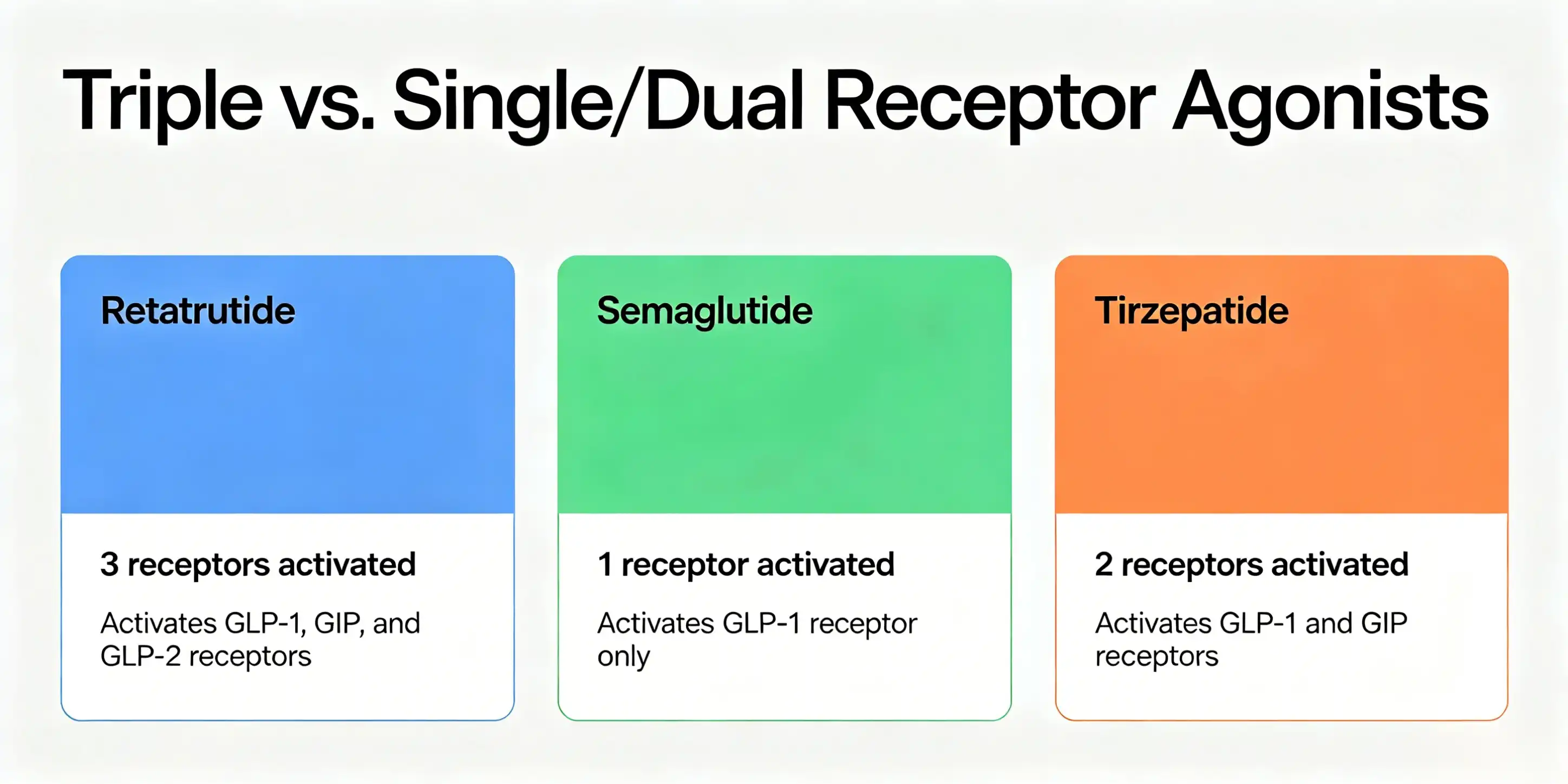
A lot of the time, procurement managers compare this peptide to well-known GLP-1 receptor agonists. Semaglutide is a one-target GLP-1 mimic that controls glucose well but doesn't work with both incretin and glucagon. When tirzepatide is used, it activates both GLP-1 and GIP, but not glucagon receptors. The triple-agonist makeup of Retatrutide peptide powder should make it better at helping people lose weight and speed up their metabolism, but there haven't been many direct head-to-head tests yet.
From the point of view of sources, there are important changes. Semaglutide's raw material comes from a number of different makers who offer grades of purity ranging from 98 to 99%. Because tirzepatide is younger, it has higher prices and fewer sellers that have been checked out. Early users in research institutions are getting Retatrutide peptide powder from specialized makers like Xi'an Yihui, who can make sure that the product is consistent from batch to batch, which is important for longitudinal studies.
Practical Procurement Considerations
When looking at providers, B2B buyers should put more than just price at the top of their list. The Certificate of Analysis (COA) must include HPLC chromatograms to prove purity, mass spectrometry results to prove molecular identity, and endotoxin tests results for use in living things. Finding out the peptide amount through amino acid research makes sure you get the active ingredient and not just salt mass. Peptides that are made for cosmetics or nutraceuticals don't have the strict quality controls that are needed for real metabolic study.
Based on what CRO partners have said, the dependability of the supply chain is often more important than small cost savings. A formulation laboratory said that a low-cost source sent material that was only 92% pure instead of the required 99% purity. This meant that the material had to be re-synthesised, which pushed back the deadline by six weeks. Established providers with ISO9001 and ISO22000 standards show that they have process controls that lower these kinds of risks.
Procurement Essentials: Sourcing High Purity Retatrutide Peptide Powder
Supplier Verification and Quality Assurance
Getting High Purity Retatrutide peptide powder is a Crucial Part of the Acquisition Process. Finding reliable makers takes more work than just searching online. Ask companies that make pharmaceutical-grade peptides for proof that they follow GMP guidelines. Even though HALAL and KOSHER standards may not seem related, they often mean that a company has a thorough quality management system. Check to see if the seller has the right storage facilities. Peptide stability drops quickly above -15°C, so it's very important to handle the cold chain from synthesis to shipping.
When pharmaceutical businesses and study institutions work with us, they often ask for small samples before they commit to bulk sales. This method lets internal checking be checked against reference standards. Usually, to get something, you have to buy 1–10g samples, check their purity in-house using HPLC, and make sure they work biologically in the right assay methods before ordering 100g or kilogram amounts.
Pricing Structures and Order Flexibility
For research-grade materials, bulk price usually works in levels of quantities. Orders for 1 to 10 grams could cost anywhere from $800 to $1200 per gram, based on the pure grade and the size of the synthesis batch. When you order 100g, the unit cost usually goes down by 30–40%, and when you order kilograms, you get even bigger savings. Costs should be weighed against inventory risk, though, because peptides have short shelf lives and material that hasn't been used is an investment that has already been lost.
Terms of payment depend on the seller and the size of the order. Xi'an Yihui can handle T/T, LC, and DA setups, which gives organizations with different buying strategies more options. In study settings that move quickly, lead times are very important. Ready-to-ship items in local warehouses can be delivered in one to three days by DHL or FedEx, instead of the two to three weeks it usually takes for direct orders from factory sites. When trial timelines are sped up, this speed can be project-critical.
Proper Handling, Storage, and Usage Guide for Laboratory Researchers
Optimal Storage Conditions
Keeping the purity of peptides starts as soon as the material gets to your lab. The lyophilized powder should be kept at -20°C ± 5°C in the covered bottle it came in. Amber jars or foil wrapping can help keep the molecules safe from light, since photodegradation can break delicate peptide bonds. Avoid repeated freeze-thaw cycles. Instead, divide bigger amounts into usable parts as soon as the package is opened to keep moisture from condensing when the temperature changes.
Controlling the humidity is also very important. Desiccator boxes or sealed bags with desiccant packets are good places to store samples. Peptides can absorb water, even when they are in powder form. This makes hydrolysis processes easier, which lowers their purity over time. When kept properly, material stays stable for up to two years, but we suggest checking its strength with HPLC before using stock that is getting close to its expiration date.
Reconstitution Protocols
To keep bioactivity and stop clumping, reconstitution needs to be done carefully. Slowly bring the covered bottle to room temperature. Rapid heating can cause condensation, which can break down the structure of the peptide. Slowly add sterilized water, PBS, or acetate buffer along the wall of the tube instead of directly on the powder. Instead of forceful shaking, gentle spinning breaks down the material without creating mechanical stress that helps aggregates form.
The apps that come after determine which restoration buffer to use. Simple water solutions can be used for in vitro receptor binding tests, but buffered isotonic preparations are usually needed for in vivo studies. Target concentrations are usually between 0.5 mg/mL and 5 mg/mL. Higher concentrations raise the risk of clumping, and very weak solutions may stick to the sides of containers. Reconstituted peptide should be used within 48 hours, or it can be divided into smaller amounts and frozen at -80°C to keep it for longer.
Quality Verification Upon Receipt
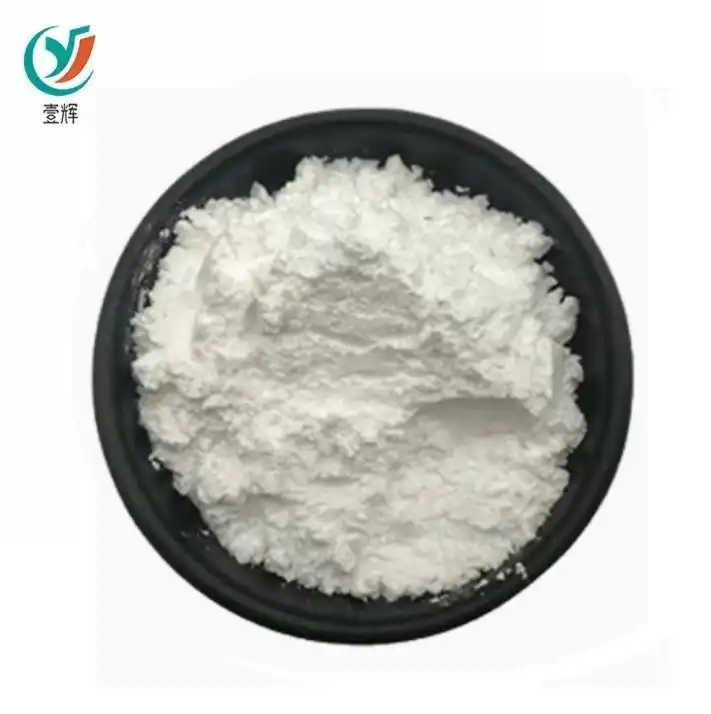
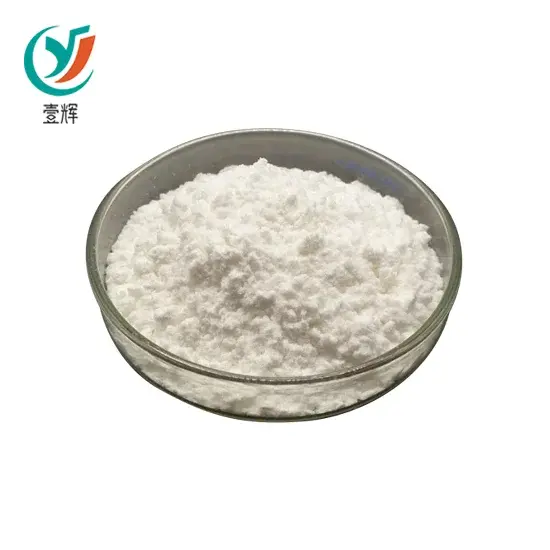
High-tech labs check the quality of new materials, including Retatrutide peptide powder, before putting them into important tests. A close look shows that the powder is white to off-white and doesn't have any coloring that would suggest oxidation. Mass measurement makes sure that the amounts of things in the bottle match what is written on the label. By comparing HPLC samples to verified reference standards, identity and purity are proven. These steps find mistakes made by the seller or damage that happened during shipping and stop it before it affects the study results.
Future Trends and Research Directions in Retatrutide Peptide Powder Development
Emerging Therapeutic Applications
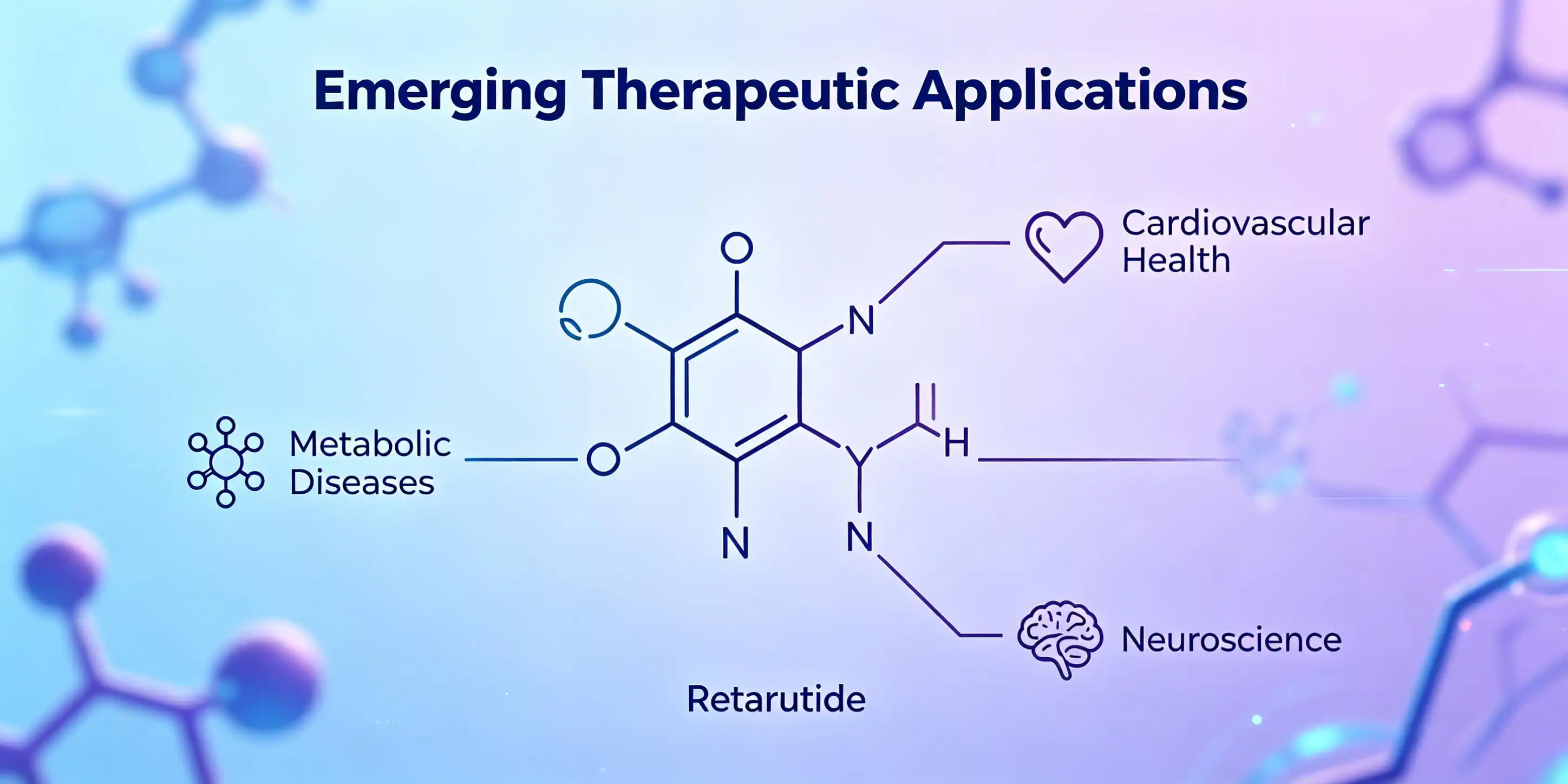
The main focus of current study uses for this peptide is on metabolic diseases, but its mechanism suggests that it could be used for more than that. Cardiovascular research teams are looking into whether the benefits seen in metabolic studies—lowering lipids and reducing inflammation—can also be used to avoid atherosclerosis. Neuroscience labs are looking into how GLP-1 receptor pathways protect neurons, which could lead to more uses in models of neurodegenerative diseases.
New manufacturing technologies are getting around problems that exist now. Solid-phase peptide synthesis (SPPS) works well for small amounts used for study but is too expensive for large amounts used for business. Better scalability and lower production costs are promised by recombinant production methods that use modified yeast or bacterial expression systems. These improvements will slowly lower the cost of acquisition, which will allow academic schools to afford longer-term studies.
Regulatory Landscape Evolution
As clinical development moves forward, rules about research-grade materials are getting stricter. In its advice on peptide drug substances, the FDA stresses the importance of process validation and impurity analysis. The European Medicines Agency also has rules that say peptide clusters and breakdown products need to be carefully described. These changing rules are good for serious researchers because they raise the quality of the materials, but they may limit the suppliers that can help them because smaller makers may find it harder to pay the costs of compliance.
So, procurement tactics need to change to fit. Supply disruptions can be avoided by making makers who spend in regulatory compliance infrastructure your favorite suppliers. It becomes more useful to have long-term supply deals with quality guarantees than to buy things when you see them. These relationships make sure that material specs stay the same and can be tracked as research moves from finding to preclinical development.
Conclusion
To get high-purity Retatrutide peptide powder, you have to find a balance between quality standards, supplier dependability, and realistic operations. The peptide's complicated triple-receptor process makes it very useful for studying metabolism, but only when the material is very pure and stable. Professionals in charge of buying things should give preference to certified sellers with clear quality systems, a range of ordering choices, and quick expert support. Following the right procedures for handling and storing materials protects their purity during study projects. As manufacturing technologies improve and clinical development moves forward, early supplier ties set laboratories and pharmaceutical companies up for long-term success in this study area that is changing quickly.
FAQ
How can I verify the purity of Retatrutide peptide powder before large-scale procurement?
Ask for an analysis certificate that includes HPLC chromatograms showing peak purity of at least 99%, mass spectrometry confirming the molecular weight of 4,731.33 Da, and amino acid analysis confirming peptide content of at least 85%. Suppliers with a good reputation include these papers with every batch. Before you buy a lot of something, order a small sample and use verified reference standards to do your own independent testing in your lab.
What shipping conditions protect peptide integrity during international transit?
Lyophilized powder should be sent in packages that are sealed and have dry ice or gel packs inside to keep the temperature below -15°C during transport. Courier companies like DHL and FedEx offer temperature-controlled shipping that can be tracked. Make sure that your seller uses the right cold chain packing. Items that have been exposed to Retatrutide peptide powder room temperature for a long time may not be as pure when they arrive.
Can suppliers accommodate custom synthesis or modified peptide sequences?
Xi'an Yihui is one of many specialized makers that give custom peptide synthesis services for study purposes. Custom work needs clear instructions on how to change the order, the pure grade, and the amount needed. Lead times can be anywhere from 4 to 8 weeks, based on how complicated the synthesis is. For basic store things that are already in stock, lead times are only 1 to 3 days.
Partner with Xi'an Yihui for Reliable Retatrutide Peptide Powder Supply
You can trust Xi'an Yihui Bio-technology as a source of Retatrutide peptide powder because they have been making pharmaceutical APIs for 13 years and have strict quality control systems in place. Our ISO9001, ISO22000, HACCP, HALAL, and KOSHER certificates show that we are dedicated to meeting the high standards that pharmaceutical researchers and CRO partners expect.
We keep ready-to-ship items in U.S. stores so that they can be delivered quickly (within 1 to 3 days), keeping your study on schedule. No matter if you need 1g for initial validation tests or 100g for long preclinical projects, our flexible packaging can meet your needs. Our technical team offers full support, including COA paperwork, help with reconstitution, and storing suggestions. Contact our B2B sales team at sales@yihuipharm.com to discuss your project requirements, request samples, or obtain competitive bulk pricing for your laboratory's metabolic research initiatives.
References
1. Jastreboff AM, Kaplan LM, Frías JP, et al. Triple-Hormone-Receptor Agonist Retatrutide for Obesity: A Phase 2 Trial. New England Journal of Medicine. 2023;389(6):514-526.
2. Rosenstock J, Frias J, Jastreboff AM, et al. Retatrutide, a GIP, GLP-1 and glucagon receptor agonist, for people with type 2 diabetes: a randomised, double-blind, placebo and active-controlled, parallel-group, phase 2 trial conducted in the USA. Lancet. 2023;402(10401):529-544.
3. Müller TD, Finan B, Bloom SR, et al. Glucagon-like peptide 1 (GLP-1). Molecular Metabolism. 2019;30:72-130.
4. Nauck MA, Quick DR, Wefers J, Meier JJ. GLP-1 receptor agonists in the treatment of type 2 diabetes – state-of-the-art. Molecular Metabolism. 2021;46:101102.
5. Frias JP, Davies MJ, Rosenstock J, et al. Tirzepatide versus Semaglutide Once Weekly in Patients with Type 2 Diabetes. New England Journal of Medicine. 2021;385(6):503-515.
6. Drucker DJ. Mechanisms of Action and Therapeutic Application of Glucagon-like Peptide-1. Cell Metabolism. 2018;27(4):740-756.

Send Inquiry
Related Industry Knowledge
- Does semaglutide give you energy
- Why Dihydromyricetin is a Game-Changer in Health Supplements
- How Pyrantel Pamoate Works Against Worms
- Are There Any Side Effects of Brimonidine Tartrate API?
- How Much Withanolides in Ashwagandha?
- What are the benefits of Ginkgo Biloba Extract for memory?
- What Does Apigenin Do for the Body?
- What is calcium malate?
- Is aniracetam legal?
- What Is A Example Inhibitor?