
Does semaglutide give you energy
As a drug action, semaglutide does not directly increase energy levels. The main ingredient in the drug is raw semaglutide (CAS: 910463-68-2), which works as a GLP-1 receptor agonist to control glucose metabolism and hunger suppression instead of increasing energy output. However, patients may feel more energetic in a roundabout way by losing weight, controlling their blood sugar better, and speeding up their metabolism. Clinical findings show that the first few weeks of treatment can cause temporary tiredness because of changes in the digestive system. However, long-term metabolic gains often lead to a return of energy balance in people who are overweight or have type 2 diabetes.
Understanding Semaglutide – Mechanism and Primary Applications
Semaglutide is a big step forward in metabolic medicine because it targets glucagon-like peptide-1 receptors all over the body in a very smart way. This peptide-based medicine sets off a chain of biochemical reactions that completely change how the body handles glucose and controls hunger.
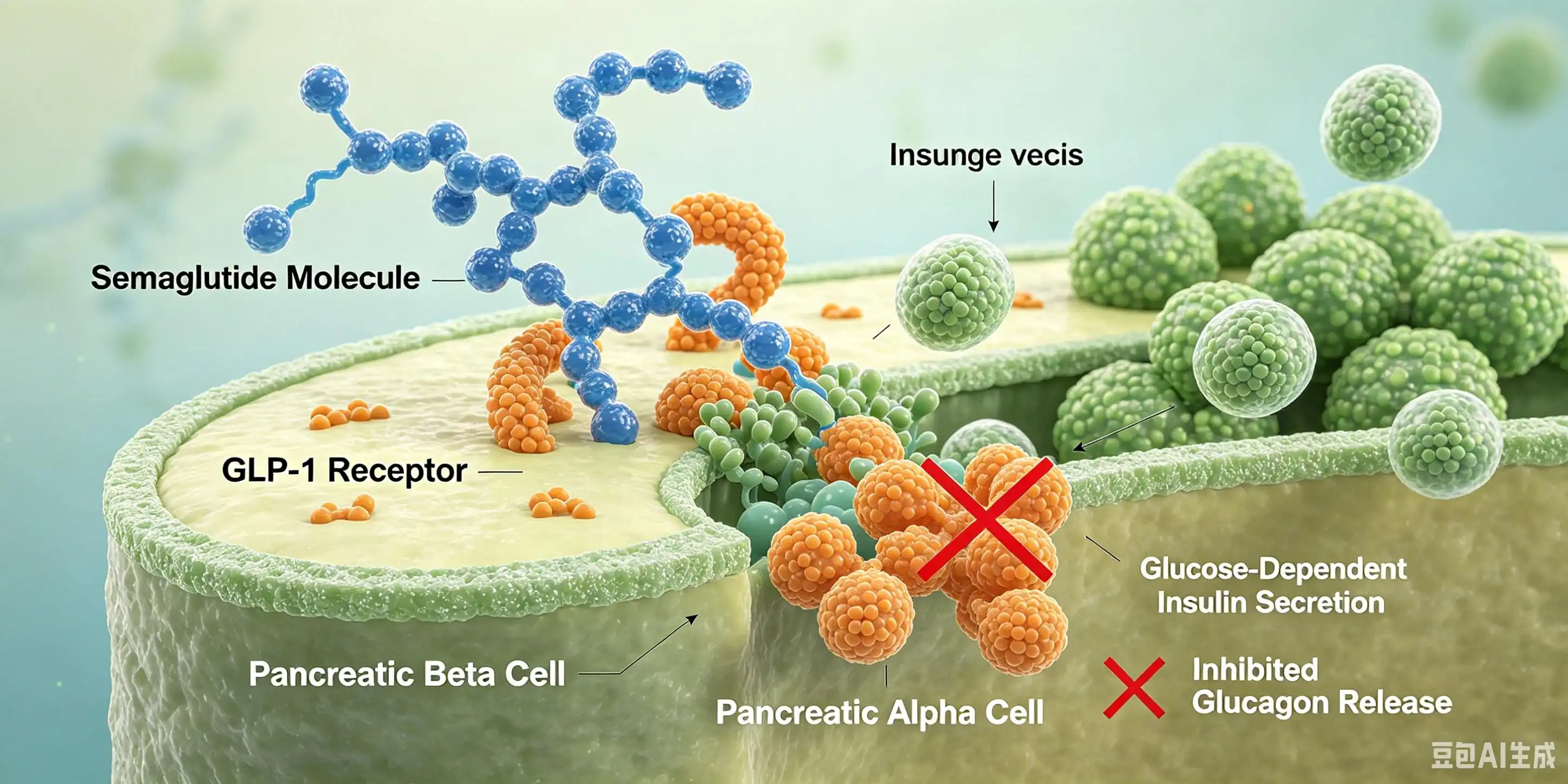
How Semaglutide Works at the Molecular Level?
Binding to GLP-1 receptors on pancreatic beta cells starts insulin production that depends on glucose levels, while at the same time stopping alpha cells from releasing too much glucagon. This two-step process keeps blood sugar levels in a healthy range and prevents dangerous hypoglycemic episodes. The chemical structure of the peptide has been changed at position 8 by replacing aminoisobutyric acid with a fatty acid and at position 26 by acylation of a fatty acid. This gives it a half-life of about 165 hours, compared to the minutes of original GLP-1.
Primary Clinical Applications
Regulatory authorities have given the go-ahead for two different types of semaglutide preparations. Weekly subcutaneous administration is a good way to handle type 2 diabetes; in clinical studies, it led to HbA1c drops of 1.5% to 2.0%. Weight management apps help people lose an average of 12 to 15 percent of their body weight over 68 weeks when they make changes to their lifestyle. Pharmaceutical businesses, compounding shops, and research institutions that need highly pure active ingredients place a lot of business-to-business demand for these products.
Metabolic Impact Beyond Glucose Control
The molecule affects more than one metabolic route; these are not its main targets. Gastric emptying slows down a lot, which makes fullness cues last longer and makes people eat less. Through hypothalamic circuits, effects on the central nervous system change how hunger is controlled. These big changes in metabolism help us figure out how semaglutide indirectly affects how much energy we feel, even though it doesn't have any direct boosting effects in its drug profile.
Does Semaglutide Affect Energy Levels? Scientific and Clinical Perspectives
To understand how energy changes during semaglutide treatment, you need to be able to tell the difference between the drug's direct effects and its secondary metabolic effects. Clinical study gives us more detailed information about how this healing peptide affects the health of patients.
Clinical Evidence on Energy Modulation
Results from phase III clinical studies show complicated effects on energy. The SUSTAIN study series found that between 11 and 17 percent of subjects felt tired during the first stages of treatment, especially when the dose was increased. On the other hand, these affects usually go away in 4 to 8 weeks as the body adapts. Long-term data from 52-week studies show that people who lose a lot of weight report having more energy than they did at the start. This suggests that metabolic health improves in a way that doesn't directly help the person.
Direct Versus Indirect Energy Effects
When turned into medicinal goods, raw semaglutide powder does not contain any stimulants or substances that boost mitochondrial activity. The peptide doesn't improve the mechanisms for oxidative phosphorylation or make cells make more ATP. Instead, energy levels rise because of lower inflammation that comes with losing weight, better insulin sensitivity that lowers metabolic stress, and better heart health as body composition changes. Professionals in procurement should correctly explain these processes to clients further down the chain so that they know what to expect.
Comparative Analysis with Other GLP-1 Therapies
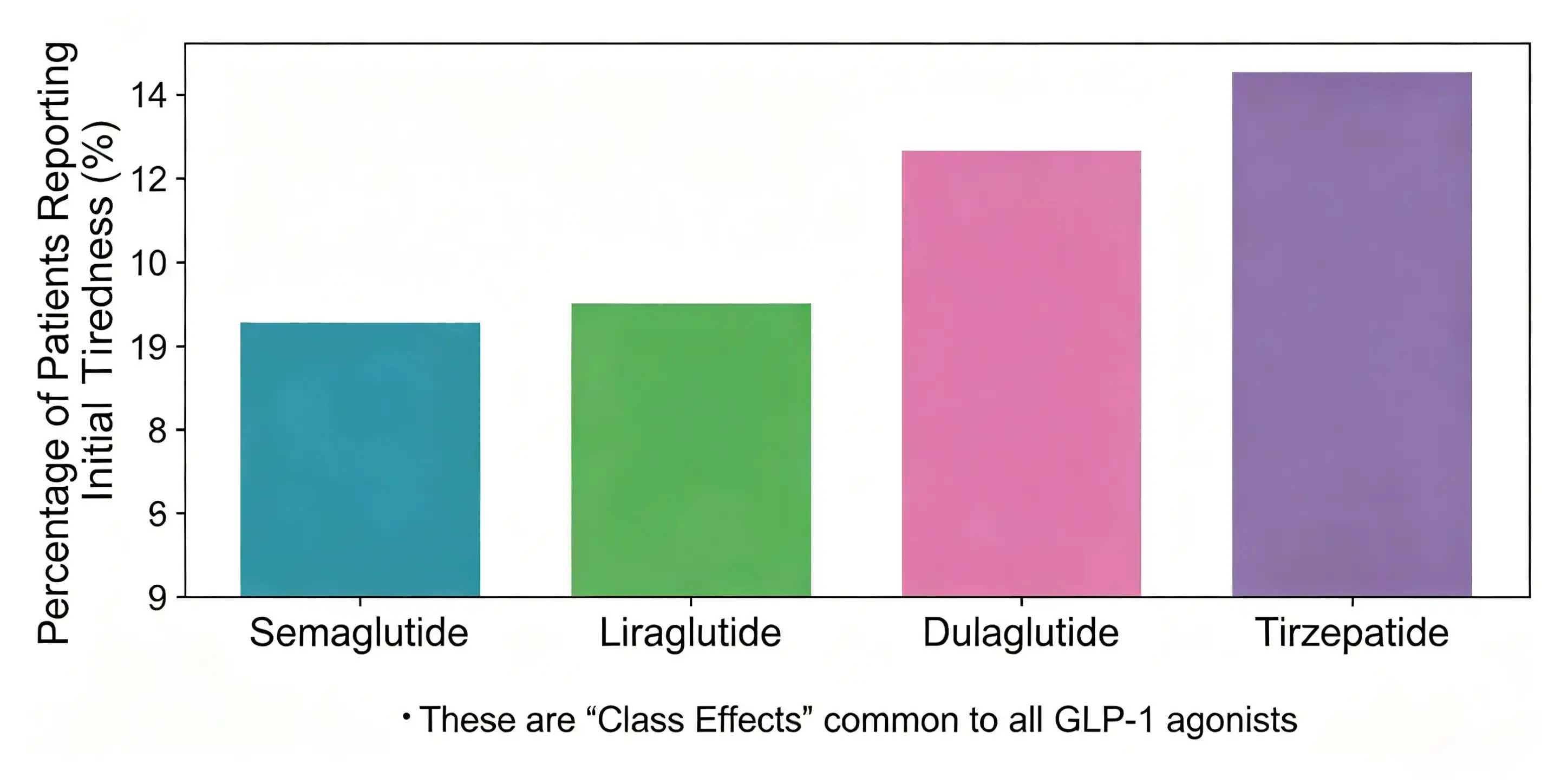
Compared to liraglutide, dulaglutide, and tirzepatide, semaglutide has similar features when it comes to energy. A review of all the studies that tested GLP-1 receptor agonists found that the rates of people reporting tiredness were about the same (9–14%) for all of them. Based on this regularity, it seems that class effects, not molecule-specific traits, are what control energy-related feelings. Tirzepatide, which works on both GLP-1 and GIP receptors, slightly raises the rate of initial tiredness but doesn't change the long-term energy results.
Semaglutide Safety, Side Effects, and Dosage Considerations for Energy Management
When energy-related side effects could affect end-user compliance and treatment results, safety profiles play a big role in buying choices. A full understanding of the trends of adverse events leads to better product placement and teaching for customers.
Common Side Effects Impacting Energy Perception
Gastrointestinal problems are the most common side effects, happening to 40 to 50 percent of people during their first treatment. About 20 to 30 percent of patients experience nausea, which can make them feel very tired by making them lose their hunger and being uncomfortable. 8–12% of users vomit, which could lead to dehydration and chemical issues that show up as tiredness. Most of the time, these affects are strongest during the first month of treatment and get a lot weaker as the treatment goes on. Knowing this trend of time helps procurement managers give their clients advice on how to help patients in ways that keep them coming back.
Dosage Optimization Strategies
Usually, therapeutic treatments start with 0.25 mg once a week for four weeks, then move up to 0.5 mg, then 1.0 mg, and possibly even 2.0 mg for weight loss or 2.4 mg for long-term weight loss. This slow adjustment reduces the chances of stomach problems and the energy problems that come with them. The requirements for raw semaglutide powder must allow for correct compounding across this dose range. This means that the powder must meet high purity standards (≥99%) and have uniform potency. Getting API that meets the standards for pharmaceutical grade makes sure that makers further down the line can safely make formulations that allow for the right dose escalation procedures.
Managing Energy-Related Adverse Events
Maintaining adequate hydration, eating smaller meals more often, and scheduling injections for days when less exercise is possible are some of the clinical best practices for reducing energy changes. Healthcare professionals are increasingly suggesting temporarily stopping doses if severe nausea makes it hard to eat, and then starting again at lower amounts. Because of these practical reasons, compounding pharmacies choose different types of packaging, like flexible amount choices instead of fixed-dose presentations.
Market Overview and Procurement Insights for Semaglutide Raw Material
The global market for semaglutide raw materials is very active, with patent laws, government rules, and changing patient needs all playing a role. When procurement workers look for this important peptide API, they have to think about a lot of things.
Current Market Landscape
The need for pharmaceutical-grade semaglutide powder has grown a lot, and market studies predict that it will continue to grow at rates higher than 18% per year until 2028. This growth is due to more uses, more people being overweight, and more people accepting peptide treatments. Finding raw materials is mostly done by specialized peptide synthesis makers who can meet strict quality standards. This molecular entity can be identified by its CAS: 910463-68-2, which makes sure that purchases are made correctly across foreign supply lines.
Pricing Dynamics and Procurement Considerations
The price of raw semaglutide depends on how hard it is to make, the purity grade, and the amount of the order. For small amounts, research-grade material usually costs between $180 and 280 per gram. On the other hand, pharmaceutical-grade API that meets current Good Manufacturing Practice standards costs between $320 and 480 per gram, based on how full the documentation is and whether it has regulatory compliance certifications. Bulk sales of more than 100 grams can often get savings of 15 to 25 percent. Costs and quality standards must be balanced by procurement managers, especially when providing goods for controlled pharmaceutical manufacturing or clinical research.
Regulatory Environment and Compliance Requirements
When you buy things internationally, you have to deal with a lot of different rules and regulations. According to US FDA rules, semaglutide is a prescription drug that needs Drug Master File paperwork before it can be made for sale. The European Medicines Agency requires full chemical analysis, which includes stability data, peptide sequencing, and impurity profiles. Because of these needs, buyers prefer providers with ISO 9001 quality management systems and Certificates of Analysis that describe HPLC purity, peptide content, cleanliness, and endotoxin levels in great detail.
Alternative Therapeutic Options
A study of the competitive environment shows that there are a number of other GLP-1 treatments and new dual agonists. Tirzepatide activates both GLP-1 and GIP receptors at the same time, which makes it more effective at losing weight but more expensive. Liraglutide is an option to daily injections that costs less than APIs but needs to be given more often. Metformin and other traditional treatments can help control blood sugar without the need for injections, but they don't help people lose weight. Because of how competitive the market is, many buyers are looking for portfolio methods that include different peptide APIs to serve a wide range of market groups.
Conclusion
Semaglutide doesn't directly boost energy, but it does affect health through processes that improve metabolism. raw semaglutide powder is the main ingredient that makes a lot of different medicinal uses possible, like managing diabetes and helping people lose weight. There is clinical proof that the first few weeks of treatment may cause temporary fatigue due to changes in the digestive system. However, as the treatment goes on, weight loss and metabolic gains often lead to a better sense of energy. Professionals in procurement have to judge sellers based on their cleanliness standards, proof that they follow regulations, how reliable their supplies are, and how well they can help with technical issues. Being able to tell the difference between direct pharmacological effects and secondary metabolic benefits is important for placing semaglutide-based goods correctly in medicinal markets that are very competitive.
FAQ
Q1: Does semaglutide directly increase energy levels?
A: The answer is no, semaglutide does not directly stimulate or boost energy. Once the GLP-1 receptors are turned on, the peptide controls glucose metabolism and hunger. Patients usually say they feel more energetic because of side effects like losing weight, controlling their blood sugar better, and having less inflammation, not because their cells are directly making more energy.
Q2: What side effects might temporarily reduce energy during treatment?
A: GI side effects like nausea, vomiting, and loss of appetite can briefly lower energy levels, especially during the first few weeks of treatment and as the amount is increased. Most of the time, these affects go away in 4 to 8 weeks as the body adjusts. Keeping yourself hydrated and eating well can help keep your energy up during change times.
Q3: How does semaglutide compare to other GLP-1 therapies regarding energy effects?
A: GLP-1 receptor agonists like liraglutide, dulaglutide, and semaglutide all have similar energy-related patterns based on results from clinical trials. Reports of fatigue run from 9 to 14 percent for all of these compounds, with no major differences between them. This suggests that the compounds have class effects rather than molecule-specific traits. When making procurement choices, small changes in energy use should not be given more weight than effectiveness, dosing regularity, and cost.
Partner with Xi'an Yihui for Reliable Raw Semaglutide Supply
Pharmaceutical-grade raw semaglutide powder (CAS: 910463-68-2) is supplied by Xi'an Yihui Bio-technology Co., Ltd. It is designed to meet the needs of pharmaceutical companies, research institutions, and specialized blending uses around the world. Our skills as a raw semaglutide provider go beyond just providing basic materials. We can also provide full supply chain solutions that meet the complex needs of peptide API procurement.
Our production procedures make sure that the quality is always up to international standards. Each batch is ≥99% pure, which is proven by approved HPLC methods and full peptide sequencing confirmation. The chemical formula is C187H291N45O59, and its molar mass is 4,113.64 g/mol. The impurity profile stays below 0.5%, which makes the composition reliable for processing further down the line. There are 1g, 5g, and 10g packaging choices that can be used for both research-scale development and small-batch commercial production. Custom amounts can also be ordered upon request. Scaling partnerships from the early stages of research to commercial launch is made possible by a monthly supply capacity of up to 5000g. The safety of products is maintained for two years when kept at 2°C to 8°C, and there is a lot of data to back this up. Samples make it possible to do full qualification testing before signing bigger contracts for purchases, which lowers the risk in the supply chain.
With 13 years of experience making peptides and fine chemicals, Xi'an Yihui has developed delivery networks that reach over 100 countries. Our quality certificates, which include ISO standards, guarantee that our producing methods are always the same. Different buyers around the world can choose how they want to pay, using T/T, LC, or DA terms. The professional technical team is available 24 hours a day, seven days a week. They can help you with things like synthesis routes, formulation compatibility, and regulatory documentation needs. They work with you on your growth rather than just giving you materials. Get in touch with sales@yihuipharm.com to talk about your needs for raw semaglutide for sale and find out how our pharmaceutical-grade peptide solutions can help your product creation and manufacturing processes.
References
1. Wilding JPH, Batterham RL, Calanna S, et al. Once-Weekly Semaglutide in Adults with Overweight or Obesity. New England Journal of Medicine. 2021;384(11):989-1002.
2. Marso SP, Bain SC, Consoli A, et al. Semaglutide and Cardiovascular Outcomes in Patients with Type 2 Diabetes. New England Journal of Medicine. 2016;375(19):1834-1844.
3. Davies M, Pieber TR, Hartoft-Nielsen ML, et al. Effect of Oral Semaglutide Compared With Placebo and Subcutaneous Semaglutide on Glycemic Control in Patients With Type 2 Diabetes. JAMA. 2017;318(15):1460-1470.
4. Knudsen LB, Lau J. The Discovery and Development of Liraglutide and Semaglutide. Frontiers in Endocrinology. 2019;10:155.
5. Rubino D, Abrahamsson N, Davies M, et al. Effect of Continued Weekly Subcutaneous Semaglutide vs Placebo on Weight Loss Maintenance in Adults With Overweight or Obesity. JAMA. 2021;325(14):1414-1425.
6. Nauck MA, Quast DR, Wefers J, et al. GLP-1 Receptor Agonists in the Treatment of Type 2 Diabetes – State-of-the-Art. Molecular Metabolism. 2021;46:101102.

Send Inquiry
Related Industry Knowledge
- What's the Uses and Benefits of Carbocisteine?
- What is the Uses and operations of Tranexamic Acid?
- What's Brimonidine Tartrate API Used For?
- Is phenolphthalein a pH indicator?
- Is Ascorbyl Palmitate Natural?
- Does Quercetin Dihydrate Help Gut Health?
- Is Pizotifen Malate Effective for Migraine Prevention?
- How Is Pizotifen Malate Used in Medical Treatment?
- Is brimonidine tartrate a beta blocker?
- What Is Calcium Malate Used For?