
Does tirzepatide help with inflammation
New study on the mitochondrial peptide tirzepatide powder has shown other applications outside type 2 diabetes and obesity. This dual GIP/GLP-1 receptor agonist significantly reduces systemic inflammatory indicators including interleukin-6 or high-sensitivity C-reactive protein, according to new clinical data. This is primarily done by helping individuals lose weight and increase metabolism. Tirezepatide powder may treat metabolic dysfunction, a major source of persistent low-grade inflammation, but it doesn't concentrate on inflammatory pathways. This makes it valuable for medication makers and research institutes seeking holistic inflammatory treatments.
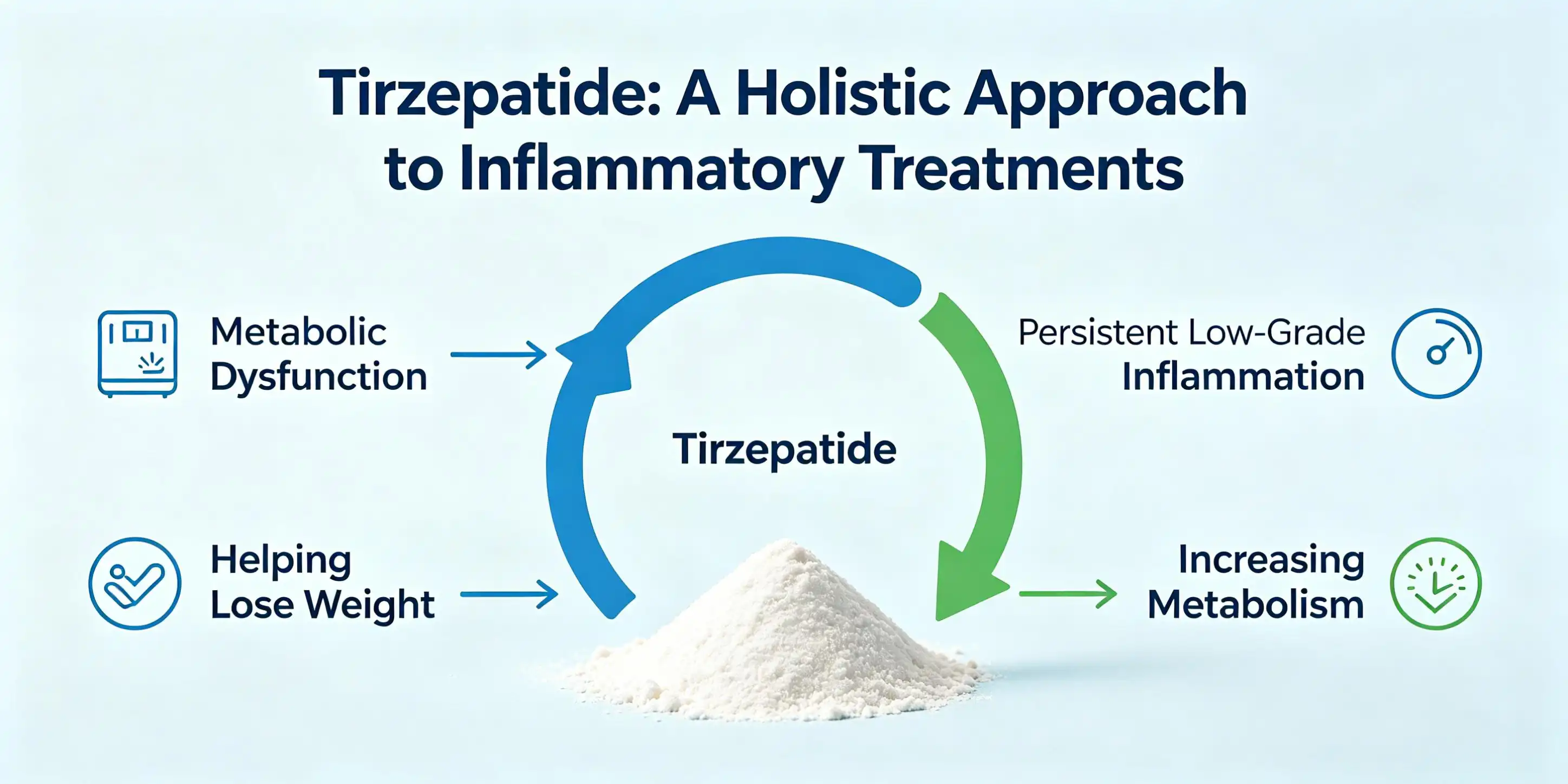
Understanding Tirzepatide Powder and Its Mechanism of Action
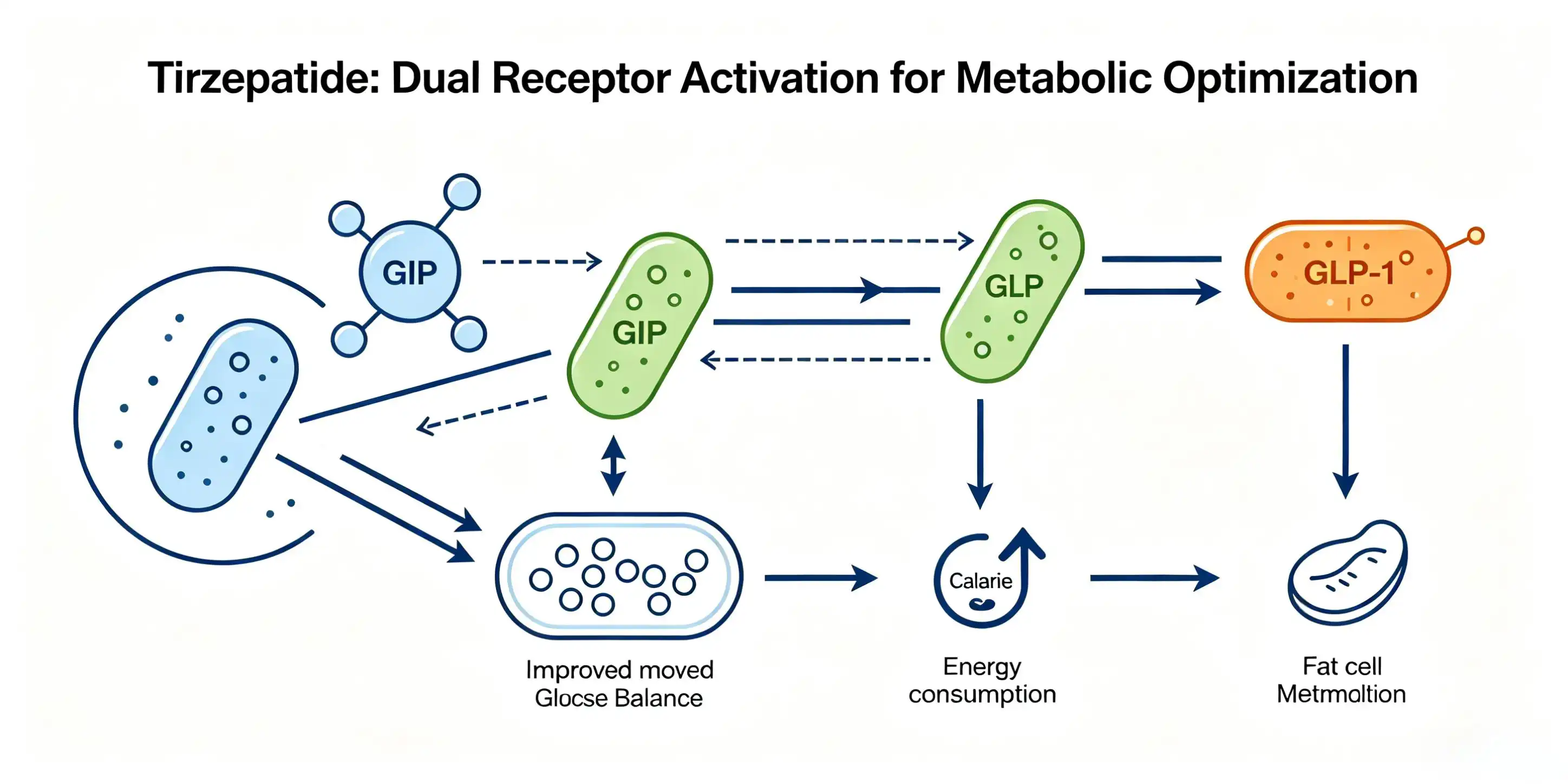
With the discovery of tirzepatide, a manufactured 39-amino acid peptide that is a major step forward in metabolic treatments, the pharmaceutical industry has made huge strides forward. This new substance works by activating two different types of receptors at the same time: glucose-dependent insulinotropic polypeptide (GIP) and glucagon-like peptide-1 (GLP-1). Together, these receptors have effects that go far beyond just controlling blood sugar.
Dual Receptor Activation and Metabolic Optimization
Tirzepatide binds to GIP and GLP-1 receptors with great strength due to its chemical structure. This initiates parallel signaling pathways that alter the glucose balance, energy consumption, and fat metabolism. The GLP-1 component delays stomach emptying, inhibits the release of needless glucagon, and promotes insulin release in a glucose-dependent manner. Activating GIP also improves the function of insulin and modifies the use of fats in fatty tissue. Together, these actions create a metabolic environment that reduces the inflammatory load associated with insulin resistance and excess body fat.
Indirect Modulation of Inflammatory Pathways
Tirzepatide has been linked to reduced inflammation, however it mostly acts by improving metabolism rather than directly combating inflammation. Chronic low-grade inflammation brought on by obesity & insulin resistance is indicated by elevated levels of cytokines that such interleukin-6 and tumor necrosis factor-alpha. Tirzepatide breaks toward metabolic foundation that sustains this inflammatory state when it aids in significant weight loss and improves insulin function. Tirzepatide's half-life is extended to around five days when a C20 fatty diacid is added to its structure. This is a crucial advantage for maintaining the anti-inflammatory benefits since it can support metabolism even when taken just once a week.
Pharmacokinetic Considerations for Research Applications
Researchers and drug companies that are making similar drugs or studying metabolic-inflammatory interactions need to know a lot about tirzepatide's pharmacokinetics. The peptide binds strongly to albumin because it has a fatty acid side chain. This helps it stay in the blood for a longer time and keep its plasma amounts fixed. When doing preclinical studies with tirzepatide powder, researchers must follow the right reconstitution methods and storage conditions to keep the peptide's stability and get consistent results in studies that focus on inflammation.
Scientific Evidence: Tirzepatide's Role in Inflammation Management
The results of clinical trials have repeatedly shown that tirzepatide can lower a number of inflammatory biomarkers. This is strong proof for pharmaceutical companies that are looking at its possibility for use in more than just diabetes management.
Clinical Trial Findings on Inflammatory Markers
The SURPASS clinical trial program, which included more than 10,000 people in various studies, found that patients who were given tirzepatide had significantly lower amounts of high-sensitivity C-reactive protein (hs-CRP). These drops were strongly linked to how much weight was lost, with people who lost 15 to 20 percent of their body weight showing the biggest drops in inflammation markers. Notably, drops in hs-CRP started to show up as early as 12 weeks into the treatment, before the biggest weight loss results. This suggests that the treatment was working in two ways to fight inflammation.
Cardiovascular and Metabolic Inflammation Outcomes
In addition to improving a few biomarkers, tirzepatide has real effects on inflammation linked to the heart. Interleukin-6, adiponectin, and leptin levels were studied and found to be moving in a good direction toward anti-inflammatory patterns. Adiponectin levels rose significantly while pro-inflammatory adipokines dropped. These changes lead to better capillary function and less stiffness in the arteries, which is especially interesting for drug makers who are working on heart and metabolic diseases.
Safety Profile Regarding Inflammatory Responses
For legal and quality assurance reasons, tirzepatide's inflammatory safety profile must be extensively examined. Unlike some diabetes medicines that may increase inflammatory markers, tirzepatide reliably decreases inflammation without causing pro-inflammatory reactions. GI symptoms including nausea and vomiting are seldom related to high inflammation marker levels and diminish as therapy continues. Long-term chronic inflammatory disease research and medication development with tirzepatide powder is safe.
Understanding these clinical results helps procurement managers put quality standards in context when they are looking at supply chain partners. To get the same therapeutic benefits in product development and to make sure that the inflammatory response is lowered consistently from batch to batch, it is important to use high-purity tirzepatide powder (≥98% by HPLC) that has been properly characterized.
Comparative Analysis: Tirzepatide vs Other Diabetes and Anti-Inflammatory Treatments
To place tirzepatide in the larger therapeutic landscape, it needs to be systematically compared against well-known treatments, especially when it comes to how well it works to reduce inflammation and how easy it is to get.
Comparison with GLP-1 Mono-Agonists
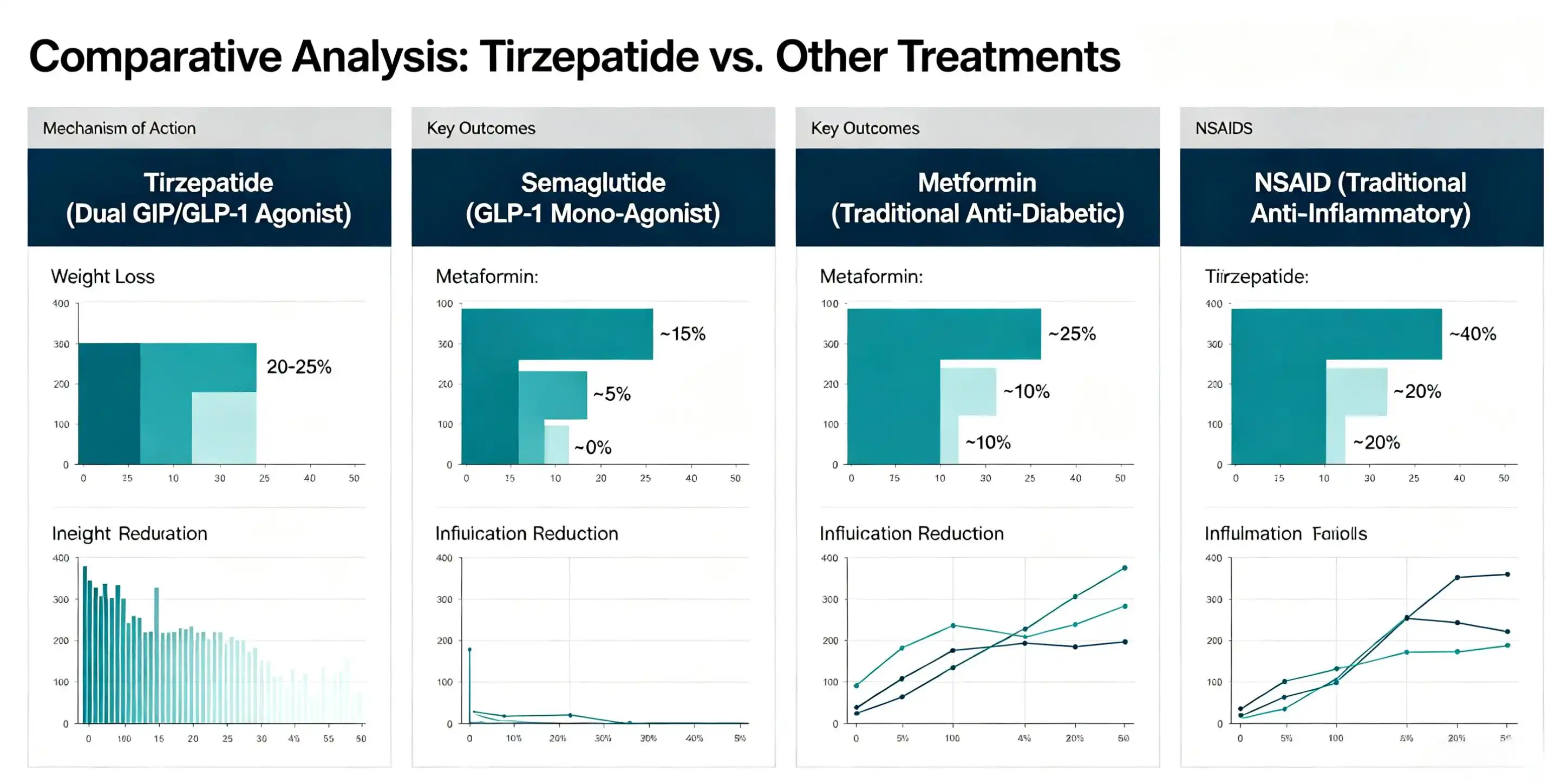
Semaglutide, which is the most popular GLP-1 receptor agonist right now, has big anti-inflammatory effects by helping people lose weight and speeding up their metabolism. Comparisons between the two drugs, on the other hand, show that tirzepatide causes more weight loss (20–25% vs. 15–17% at highest doses) and bigger decreases in inflammatory markers. The dual agonism seems to lower hs-CRP levels about 30% more than GLP-1 mono-agonists do at the same amount of weight loss, which suggests that it has anti-inflammatory effects beyond just weight loss. This difference in effectiveness makes the case for tirzepatide-based development projects very strong for pharmaceutical makers and CRO/CDMO companies that are looking at peptide APIs for anti-inflammatory uses.
Traditional Anti-Diabetic Agents and Inflammation
Metformin is the first-choice drug for diabetes. It has some anti-inflammatory effects because it activates AMPK and has been shown to lower CRP levels in some studies. Still, its anti-inflammatory benefits aren't as strong as tirzepatide's, especially in people who are very overweight. Even though insulin treatment is necessary for many people to control their blood sugar, it doesn't deal with inflammation and may even make it worse when it causes weight gain. This big difference makes tirzepatide stand out as a special kind of diabetes medicine that also treats the inflammation part of metabolic disease.
Limitations of Traditional Anti-Inflammatory Therapies
NSAIDs and corticosteroids are still commonly used to treat inflammation conditions, but they have a lot of problems when used to treat metabolic diseases. NSAIDs don't help with blood sugar levels and may raise the chance of heart disease in diabetics. Corticosteroids actively slow down the metabolism of glucose and make people gain weight, which means they don't help with metabolic-inflammatory diseases. Tirzepatide's ability to lower inflammation while improving metabolic factors is a very different way of treating inflammation—it targets inflammation at its metabolic source instead of just masking its symptoms. Because of this mechanistic edge, tirzepatide is a valuable tool for drug makers working on the next generation of metabolic therapies that help more than one system.
Practical Guidelines for Using Tirzepatide Powder
To use clinical proof in real life, you need to know about both clinical practices and supply chain issues. This is especially true for B2B stakeholders who are in charge of research projects or pharmaceutical development.
Clinical Dosing and Administration Protocols
Tirzepatide is slowly increased in dose, starting at 2.5 mg once a week and going up by 2.5 mg every four weeks until it reaches effective maintenance amounts between 10 and 15 mg once a week. This adjustment plan keeps side effects on the digestive system to a minimum while still letting the metabolism adapt. When using tirzepatide powder for study purposes, it must be reconstituted with bacteriostatic water or the right pharmaceutical-grade diluents according to strict aseptic procedures. The restored solution stays stable for about 28 days when kept in a refrigerator (2–8°C), but it is best to use it right away to protect the purity of the peptides.
Procurement Considerations for Research and Development
When companies need to get tirzepatide powder for research, formula creation, or clinical studies, they have to make a number of important supply chain decisions. The most important quality factor is purity, and pharmaceutical-grade material should show that it is at least 98% pure by HPLC with full impurity analysis. For injectable uses, the Certificate of Analysis (COA) should show the amount of peptides, sequence proof using mass spectrometry, leftover fluid testing, and the amount of bacterial endotoxin.
Different providers have different minimum order amounts. For research-grade items, the smallest amount needed is usually 100 mg, but for pharmaceutical development projects, the largest amount needed could be a kilogram or more. Xi'an Yihui keeps a ready stock of up to 5,000g per month, which means that order sizes can be changed to fit both test studies and needs for larger production. Lead times are very important for keeping projects on schedule. Keeping goods in a nearby warehouse lets it be delivered in one to three days by fast carriers like DHL, FedEx, and TNT, which cuts project delays by a lot compared to orders straight from the manufacturer.
Quality Assurance and Regulatory Documentation
Quality managers and pharmaceutical developers must ensure that their suppliers' licenses satisfy legal requirements for the intended applications. The ISO9001 accreditation ensures that the quality A management system complies with regulations. Certain markets are satisfied by the ISO22000, HACCP, or HALAL, and KOSHER certifications. Tirzepatide may aid with skin problems and anti-aging, but before it may be used in cosmetics, it must have the necessary certification as a cosmetic ingredient. Although various businesses have distinct purchasing procedures, payment options like T/T, the LC, and DA can accommodate them. Long-term alliances with reputable vendors can also be adaptable.
Future Prospects and Strategic Implications for B2B Stakeholders
As study on tirzepatide changes, it seems that it could be used for more types of therapies. This could have big effects on how pharmaceutical companies buy drugs and how they build their portfolios.
Emerging Research Directions
Researchers are still looking into what tirzepatide can do for people with non-alcoholic steatohepatitis (NASH), a disease that causes the liver to become very inflamed. Initial results showing significant decrease in liver fat and improvement in inflammatory markers suggests tirzepatide as a possible treatment for NASH, a market with few approved treatments and a lot of unmet needs. More study needs to be done on how this can be used in polycystic ovary syndrome (PCOS), a condition where metabolic failure leads to inflammatory reproductive problems. Pharmaceutical firms and research institutions can get ahead of the curve in new therapeutic areas by focusing on these growing uses.
Strategic Portfolio Integration
When deciding whether to add tirzepatide to development projects, procurement managers and business development workers should think about a number of things. Patent settings are tricky to get around in. For example, the main part of tirzepatide is protected by a patent, but there are chances for new formulations, transport methods, and combination treatments. Working with well-known API providers who offer detailed paperwork and regulatory help lowers compliance risks and speeds up development times. The dual indication profile for diabetes and inflammation could lead to faster regulatory paths, since proof of effectiveness in one indication could help speed up approval processes for diseases that are similar.
Supply Chain Resilience and Vendor Selection
You must consider more than simply pricing when evaluating suppliers in order to create robust supply chains. Scalability and manufacturing capability ensure that suppliers can assist with initiatives from market production to research without needing to change vendors, which would necessitate additional approval studies. For companies without their own peptide expertise, technical assistance options like bespoke synthesis, analytical technique development, and formulation guidance are highly helpful. Geographic variety may save you money while maintaining quality standards through stringent vendor certification procedures, particularly when it comes to reaching Chinese manufacturers with well-established international shipping networks.
Conclusion
Because tirzepatide has such strong metabolic effects, its anti-inflammatory qualities become a useful side effect. Even though it's not a straight anti-inflammatory, this dual GIP/GLP-1 agonist targets inflammation at its metabolic source by helping people lose a lot of weight and making insulin work better. Key inflammatory indicators like hs-CRP and interleukin-6 have been shown to go down significantly in clinical studies involving tirzepatide powder, leading to changes in cardiovascular and metabolic health. For people who work in pharmaceutical development, research, and purchasing, tirzepatide is a chance to create treatments that can deal with both metabolic dysfunction and the inflammation that comes with it. This is something that is becoming more and more important for managing chronic diseases as a whole.
FAQ
Does tirzepatide directly target inflammatory pathways?
Different from NSAIDs and corticosteroids, tirzepatide is not a straight anti-inflammatory drug. It actually lowers inflammation in a roundabout way by fixing metabolic failure, which is what causes long-term low-grade inflammation in obesity and diabetes. When you take tirzepatide, you lose a lot of weight and your body's insulin sensitivity improves. These effects lower inflammation in fat cells and the production of inflammatory markers throughout the body.
How quickly do anti-inflammatory effects appear with tirzepatide treatment?
In clinical research, hs-CRP levels drop meaningful amounts within 12 weeks of starting tirzepatide therapy, which is often before the person loses the most weight. This timeline shows that reducing inflammation is caused by both direct metabolic effects and weight-dependent processes. Researchers should plan their testing times so that they can record both early and long-lasting anti-inflammatory reactions.
What inflammatory markers show the greatest improvement with tirzepatide?
High-sensitivity C-reactive protein (hs-CRP) shows the most regular and noticeable drops, with therapeutic amounts usually resulting in drops of 30 to 40 percent. Levels of interleukin-6 also drop a lot, while levels of adiponectin, an anti-inflammatory adipokine, rise a lot. All of these changes in markers show better metabolic-inflammatory patterns that are related to the development of cardiovascular and metabolic diseases.
Partner with Xi'an Yihui for High-Quality Tirzepatide Powder Supply
Xi'an Yihui Bio-technology can help you get the tirzepatide powder you need by providing pharmaceutical-grade materials that meet strict international standards. We have been making tirzepatide powder for a long time and have ISO9001, ISO22000, HACCP, HALAL, and KOSHER certifications. We offer stable quality and full analytical data to back it up. Our ready-to-ship inventory guarantees delivery within one to three days to meet your research and development deadlines.
Our expert team can help you with anything from reagent-grade material for exploratory studies to pharmaceutical-grade API for clinical development. They can give you customized support that includes purity standards, stability data, and regulatory paperwork. You can get in touch with our dedicated B2B team at sales@yihuipharm.com to talk about your specific needs, ask for COA paperwork, or get competitive quotes for partnerships with tirzepatide powder suppliers that put quality, dependability, and technical excellence first.
References
1. Jastreboff AM, et al. Tirzepatide Once Weekly for the Treatment of Obesity. New England Journal of Medicine, 2022; 387(3):205-216.
2. Sattar N, et al. Tirzepatide cardiovascular event risk assessment: a pre-specified meta-analysis. Nature Medicine, 2022; 28(3):591-598.
3. Rosenstock J, et al. Efficacy and safety of a novel dual GIP and GLP-1 receptor agonist tirzepatide in patients with type 2 diabetes (SURPASS-1): a double-blind, randomised, phase 3 trial. The Lancet, 2021; 398(10295):143-155.
4. Frias JP, et al. Tirzepatide versus Semaglutide Once Weekly in Patients with Type 2 Diabetes. New England Journal of Medicine, 2021; 385(6):503-515.
5. Hartman ML, et al. Effects of novel dual GIP and GLP-1 receptor agonist tirzepatide on biomarkers of non-alcoholic steatohepatitis in patients with type 2 diabetes. Diabetes, Obesity and Metabolism, 2020; 22(6):979-993.
6. Wilson JM, et al. The dual GIP and GLP-1 receptor agonist, tirzepatide, improves insulin sensitivity and reduces inflammation in adipose tissue. Journal of Clinical Endocrinology & Metabolism, 2021; 106(2):e1042-e1054.

Send Inquiry
Related Industry Knowledge
- Innovative Uses of 2- Undecanone in Food and Beverage Industry
- How Dihydromyricetin Supports Liver Health
- How does Disulfiram API Work?
- Is phenolphthalein a pH indicator?
- what is Side Effects of Using Crotamiton API
- Is Dihydromyricetin Safe
- How to Mix Semaglutide Powder?
- Can vitamin k1 cause blood clots?
- What Is Mean By Science As A Product?
- Is Calcium Malate A Good Form Of Calcium?