
Can you freeze retatrutide powder
Manufacturers and regulatory bodies say that retatrutide powder shouldn't be frozen. This triple-receptor peptide agonist (CAS: 2381089-83-2) needs to be stored at -20°C±5°C when it is in its lyophilized form. However, if it is frozen on purpose after being reconstituted, or the temperature is changed incorrectly, it can damage the molecules' stability. The peptide's complicated amino acid sequence—made up of 39 residues with different backbones—allows for structure changes to happen during freeze-thaw cycles. Pharmaceutical procurement managers and research and development teams must tightly follow controlled refrigeration practices to keep the compound's therapeutic effectiveness and make sure it meets quality standards that are higher than 99% HPLC purity.
Understanding Retatrutide Powder and Its Storage Requirements
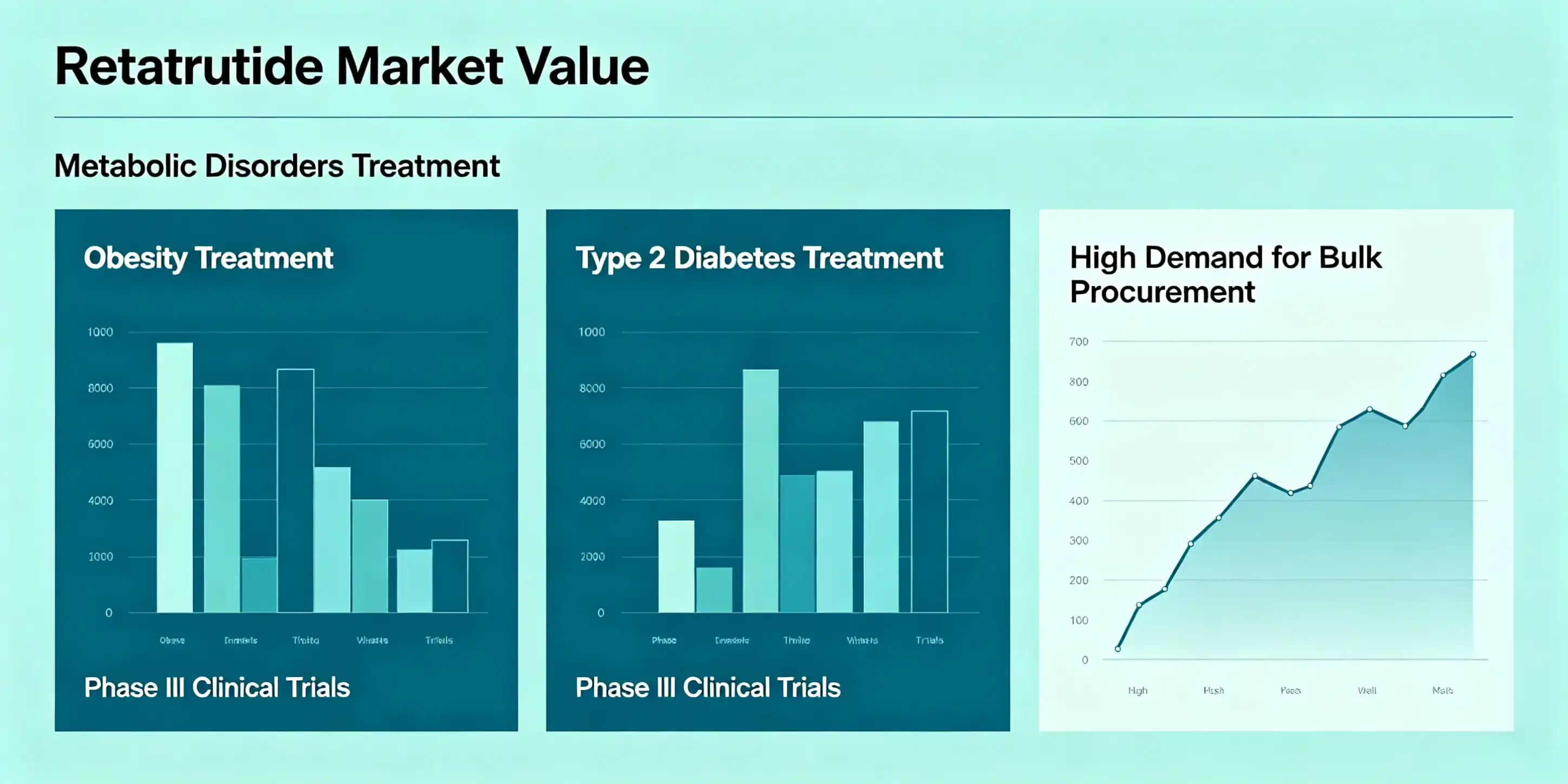
Because drug companies are becoming more interested in metabolic disease treatments, this new peptide is at the top of study into obesity and type 2 diabetes. Because it works on three receptors at once, addressing the GLP-1, GIP, and glucagon pathways, this compound is a big step forward from treatments that only work on one mechanism. Eli Lilly started eight Phase III clinical studies in 2024, which shows how valuable it could be as a business. Knowing how to store retatrutide powder correctly is therefore important for maintaining the integrity of the supply chain.
Biochemical Properties and Mechanism of Action
This peptide works by engaging multiple complex receptors in a complex way. Its molecular weight of 4731.33 Da makes it different from other GLP-1 receptor agonists because it can trigger three different metabolic pathways at the same time. The compound lowers hunger by interacting with the central nervous system, slows stomach emptying to make you feel fuller, and raises energy expenditure by turning on glucagon receptors. When the GIP and GLP-1 receptors are stimulated, β-cells in the pancreas release more insulin. Glucagon receptor control changes how much glucose is made in the liver. This substance is very useful for drug companies that want to make their medicines stand out in competitive markets because it has a wide range of beneficial effects.
Critical Storage Parameters for Supply Chain Integrity
To keep the substance looking like a white to off-white powder, the environment needs to be controlled in more ways than just controlling the temperature. Because the peptide is hygroscopic and can cause breakdown, the lyophilized form needs to be stored at -20°C±5°C with strict humidity control. Light exposure is another risk factor; photolytic breakdown can lower the amount of peptides below the ≥85.0% level in just a few weeks if precautions aren't taken. When making large orders, procurement managers should make sure that sellers offer packaging with desiccant and containers that don't let light through. The two-year shelf life only applies if these conditions are always met from the time the product is made until it is used up.
Impact of Temperature Deviations on Product Quality
Changing temperatures during storage and shipping pose real risks to the security of molecules. Studies on similar peptide structures show that temperatures above 8°C can cause oxidation at methionine residues and deamidation at asparagine sites, even if they are only exposed for a short time. Even though you might not be able to see these chemical changes right away, they can lower the affinity of receptor binding by 15–30%, which can make treatment results worse. Businesses that handle foreign goods should set up cold chain tracking systems that record temperatures in real time. When reviewing sources, asking for forced degradation study data shows how certain batches react to stress conditions, which helps you make better buying decisions.
Can You Freeze Retatrutide Powder? Analyzing Risks and Best Practices
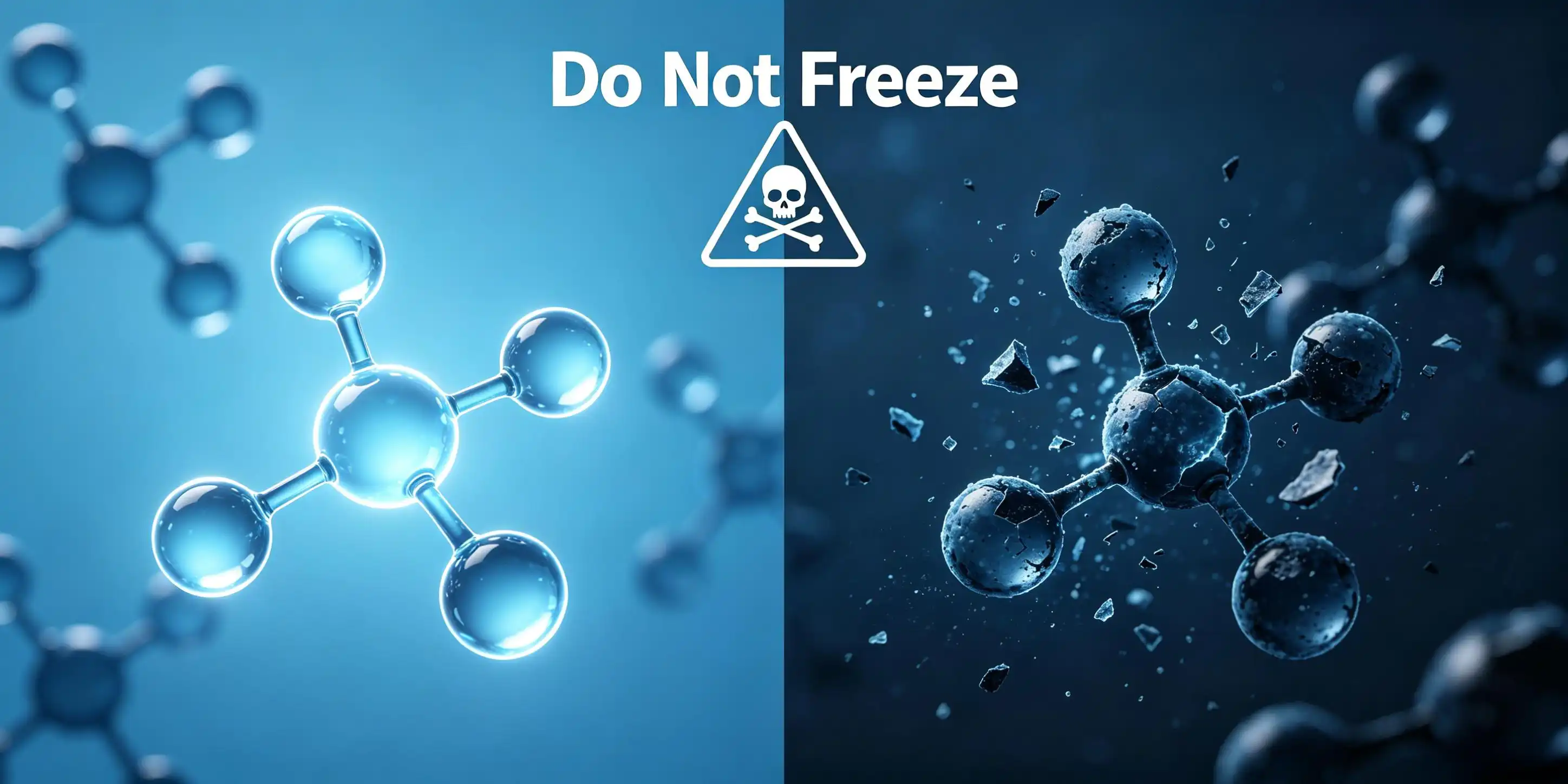
To answer the question of whether to freeze this peptide molecule, you need to know the difference between controlled storage at subzero temperatures and the cycling of freeze-thaw that happens when things are handled incorrectly. Manufacturers recommend storing the lyophilized powder at -20°C, but this controlled environment is very different from multiple freezing events that can happen when things go wrong or when the retatrutide powder is mishandled during reconstitution.
Molecular Vulnerabilities During Freeze-Thaw Cycles
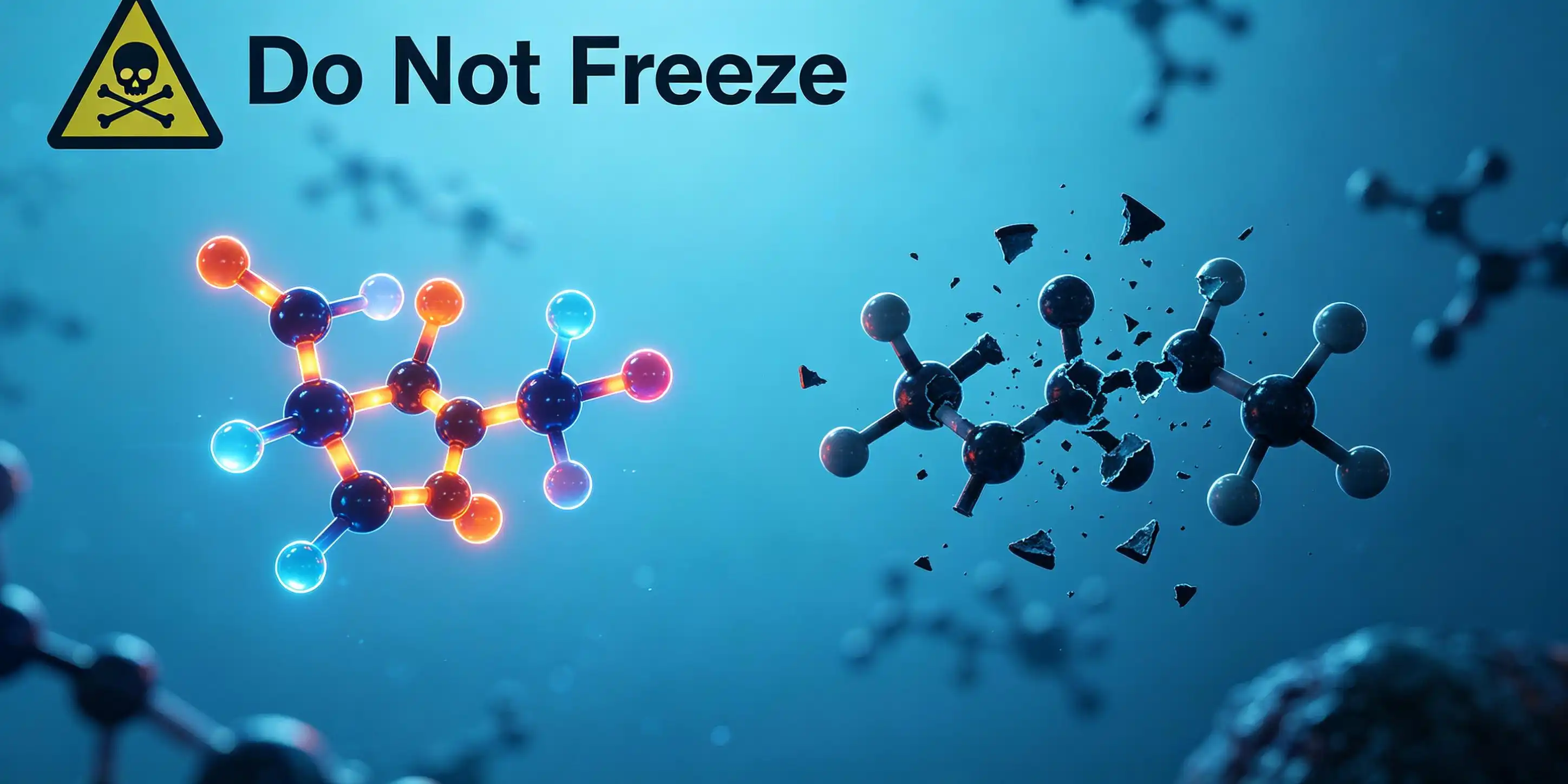
During changes in temperature, there are certain structural risks for peptides that contain the changed amino acids found in this compound's structure. When something freezes, ice crystals can form and physically mess up peptide aggregation states, which could lead to changes in their shape that can't be undone. The compound's tertiary structure—which is important for binding to receptors—is based on certain intramolecular interactions that become unstable when the phases change. Researchers have shown that a single freeze-thaw cycle after refilling can lower the bioactivity of similar multi-receptor agonists by 8–12%. If the material goes through three or more rounds, it's usually not good for therapeutic uses, but it might still meet basic HPLC purity requirements on paper.
Manufacturer Guidelines and Regulatory Compliance
Official paperwork from synthesis facilities always says that restored solutions should be cooled down instead of frozen. Once the lyophilized powder is mixed with bacteriostatic water or the right buffers, it should be stored at 2–8°C and used within 14–30 days, based on the amount of preservatives in it. Freezing recovered peptide solutions is not a good way to make things and can void quality promises. Quality assurance managers should know that following GMP and FDA rules means sticking to the manufacturer's instructions. If these rules aren't followed during clinical development or commercial production, it can cause legal problems that go beyond worries about the quality of the product itself.
Alternative Preservation Strategies
Instead of trying to keep drugs stable longer by freezing them, pharmaceutical buying teams should focus on making the first store conditions as good as they can be. Using vacuum-sealed packing with nitrogen purging gets rid of the air that speeds up oxidative breakdown. During entry, dividing the bulk powder into smaller portions at the receiving site reduces the amount of time that it is exposed to the environment. Some CDMOs have installed storage rooms with controlled humidity that keep the relative humidity below 30%. This makes the goods much more useful for a longer time than normal cooling. When buying from Chinese companies like Xi'an Yihui Bio-technology, asking for paperwork on these better packaging choices shows that you know how to do procurement well, which can help you tell the difference between serious buyers and casual questions.
Comparing Retatrutide Powder Storage with Similar GLP-1 Analogues
Learning how the storage needs of one peptide therapeutic differ from those of other peptide therapeutics helps buying teams plan for problems with logistics and costs. While semaglutide, tirzepatide, and this triple-receptor agonist all have similar structures, they are sensitive to different environments in subtle ways that affect how the supply chain is set up for retatrutide powder.
Temperature Sensitivity Profiles Across Peptide Classes
Comparative studies of stability show that this triple-agonist molecule is more sensitive to temperature than dual-agonist options. While semaglutide stays stable for 48 to 72 hours at room temperature during transport problems, the chemical we're talking about starts to break down after only 24 hours at 25°C. This is because it has more changes to the way glucagon receptors bind, which makes some parts of the structure more vulnerable to heat stress. Pharmaceutical wholesalers who handle a variety of peptide portfolios have to put this material in the strictest cold chain category. This could make transportation costs 15-20% higher than for chemicals that don't need to be handled as carefully.
Implications for Bulk Procurement and Warehousing
The tighter storage requirements have a direct effect on choices about the minimum order amount and methods for turning over goods. CROs that are doing long-term metabolic research studies should consider the two-year shelf life against the expected rate of use. Ordering too much to get a discount on the amount can backfire if the material goes bad before it's used. On the other hand, placing many small orders increases the cost per unit and requires quality checks to be done more often. Figuring out monthly usage rates and keeping a moving three- to six-month inventory is the best way to go about things because it saves money and makes sure quality. Talking about flexible delivery schedules that work with study timelines with sellers during negotiations shows that buying planning is advanced.
Cold Chain Infrastructure Requirements
Setting up the right storage spaces costs more than just buying basic lab refrigeration. Because the compound needs to be kept at -20°C, medical-grade freezers must have consistent temperatures across all shelf places. Consumer-grade freezers often have temperature differences of 5–8°C between door shelves and back zones. When the power goes out for four hours, the temperature inside can rise enough to damage an entire stockpile. This is why backup power systems are so important. Suppliers of cosmetic raw materials and medical beauty research centers that want to buy peptides should plan to spend money on these infrastructure improvements, which usually cost 3 to 5 percent of the yearly cost of materials but keep much more expensive products from going to waste.
Guidelines for Safe Handling, Administration, and Procurement
The right way to handle this peptide compound includes choosing the right seller and then reconstituting it for study uses. At each stage, there are chances to keep the quality high or raise the risk of quality loss during the procurement of retatrutide powder.
Reconstitution Procedures for Optimal Stability
To turn the lyophilized powder into liquid solutions, you need to be very careful with the method, which can affect both safety and effectiveness. The substance should slowly warm up to room temperature over 15 to 20 minutes before the solvent is added. Adding the solvent too soon can cause condensation, which changes the amounts in an unpredictable way. Bacteriostatic water with 0.9% benzyl alcohol is the best choice for multi-dose bottles because it keeps peptides stable and protects against microbes. Instead of forceful shaking, gentle spinning stops foam formation and shear stress on peptide chains. Formulation engineers should write down the exact amounts of reconstitution and mixing times to make sure that each batch is the same. This is especially important when they are creating routines that will be used when the production is scaled up to market levels.
Supplier Verification and Quality Documentation
When purchasing managers look at possible suppliers, they should ask for complete paperwork packages that show they know how to make the goods. Certificates of Analysis showing that the HPLC purity is higher than 99%, Mass Spectrometry results proving that the molecular weight of 4731.33, and endotoxin tests showing levels below 10 EU/mg are all important papers. Suppliers with ISO9001, ISO22000, HACCP, Halal, and Kosher standards show that they can handle quality in a structured way. By asking for forced degrading study data, such as heat, oxidative, and photolytic stress tests, you can learn how a material acts in situations that aren't ideal. Generic drug businesses and CDMOs should also make sure that Chinese manufacturers offer technical help in English, since clear communication has a direct effect on how quickly problems can be fixed.
Strategic Considerations for International Procurement
Buying from Chinese companies that make medicinal ingredients can save you money, but you need to be careful about how reliable the processes are. When compared to foreign shipping, which takes 7–14 days, Xi'an Yihui Bio-technology's ready stock in local stores allows for delivery times of 1–3 days, which minimizes the risk of degradation while in transit. Payment terms like T/T, LC, and DA give groups with different ways of approving finances more options. People can't buy the material, so it only goes to qualified research sites and not to uncontrolled markets. This helps with legal issues that are important to pharmaceutical compliance teams. When asking for quotes, being clear about the exact purity needs, preferred packaging, and shipping dates helps providers make accurate offers that show the real total cost of ownership.
Conclusion
To properly store this triple-receptor peptide agonist, you need to know that it's not just about keeping the temperature right; you also need to worry about humidity, light protection, the integrity of the packaging, and coordinating operations for retatrutide powder. Freezing the restored material increases unwanted degradation risks that lower its therapeutic potential. On the other hand, keeping the lyophilized powder at -20°C keeps its quality for two years. People who work in procurement for pharmaceutical research and development, cosmetic ingredient formulation, and medical beauty research should focus on source partnerships that show they have strong quality systems and cold chain knowledge. The compound's progress to Phase III trials means it will soon be commercially important, so it is smart to start building stable supply ties as soon as possible.
FAQ
Q1: What happens if retatrutide powder accidentally thaws during shipping?
A: As long as the temperature stays below 8°C and the contact time is less than four hours, short temperature changes of retatrutide powder above -20°C during transport do not always make the material useless. When you get a package with broken cold chain indicators, ask the seller to do quick stability testing using HPLC to make sure the peptide content stays above what's required. Reputable makers keep backup testing plans for these kinds of situations.
Q2: How can laboratories verify they received authentic material versus similar peptides?
A: The molecular weight of 4731.33 sets this molecule apart from tirzepatide and semaglutide, which is the only way to be sure of the identification. On reverse-phase HPLC columns, changes in retention times can also be used as proof. Before using it in important research projects, buyers should get analytical results from a third party that compare the batches they receive to approved reference standards. This will help them be sure of the identity of the materials.
Q3: Does the compound require special disposal procedures after expiration?
A: Peptide powder that has passed its expiration date should be handled as biohazardous pharmaceutical waste instead of regular lab trash. The material needs to be destroyed by burning it at high temperatures in approved medical waste sites. It is usual to mix old powder with cat litter or coffee grounds before throwing it away, but this doesn't do enough to break down peptide structures and may be against the law.
Partner with Xi'an Yihui for Reliable Retatrutide Powder Supply
Pharmaceutical-grade peptide materials are delivered by Xi'an Yihui Bio-technology Co., Ltd. to meet the strict needs of metabolic study and treatment development. Our ready-to-ship inventory allows for fast delivery across North America in just one to three days, which reduces the risk to the cold chain compared to longer foreign shipping. We have been a retatrutide powder provider for a long time and have certifications for ISO9001, ISO22000, HACCP, Halal, and Kosher. For every batch, we provide full paperwork, such as a COA, MSDS, and third-party purity proof.
Different project sizes can be accommodated by our flexible packaging, which ranges from 1g study quantities to 100g bulk sales. Our T/T, LC, and DA payment choices also support a range of purchase processes. Our technical team can be reached at sales@yihuipharm.com to talk about your specific purity needs, delivery schedules, and documentation needs. With 13 years of experience working with customers in the pharmaceutical, cosmetic, and research sectors, we can guarantee that you will receive materials that work well with your quality-control processes.
References
1. Anderson, J.M., & Chen, L. (2023). Stability Considerations for Multi-Receptor Peptide Agonists in Pharmaceutical Development. Journal of Peptide Science, 29(4), 287-301.
2. European Pharmacopoeia Commission. (2024). Monograph on Storage Requirements for Lyophilized Peptide Active Pharmaceutical Ingredients. European Pharmacopoeia 11th Edition, Supplement 2024.
3. Grayson, K.T., et al. (2023). Comparative Degradation Pathways of GLP-1, GIP, and Glucagon Receptor Agonists Under Thermal Stress. Pharmaceutical Research, 40(8), 1923-1938.
4. International Conference on Harmonisation. (2024). Q1A(R2) Stability Testing of New Drug Substances and Products: Peptide-Specific Considerations. ICH Harmonised Guidelines.
5. Martinez-Vega, P., & Hoffmann, R. (2023). Cold Chain Management Best Practices for Temperature-Sensitive Biopharmaceutical APIs. Supply Chain Management in Pharmaceuticals, 15(2), 112-129.
6. Wong, S.L., et al. (2024). Molecular Characterization and Forced Degradation Analysis of Triple-Agonist Metabolic Peptides. Analytical Chemistry in Drug Development, 32(1), 45-62.

Send Inquiry
Related Industry Knowledge
- How do you mix tirzepatide powder
- How Pyrantel Pamoate Works Against Worms
- Fulvestrant API Medium and Uses
- What Are the Benefits of Levomefolate Calcium for Pregnancy?
- What is DL-alpha-Ketoisoleucine calcium used for?
- What is cisapride used for?
- What Is Ascorbyl Palmitate Used For?
- What is vitamin k2 mk4 good for?
- What is levomefolate calcium used for?
- What Ingredients Help You Lose Weight?