
When is the best time to take semaglutide
The best time to give semaglutide is very important for getting the best results from weight loss and diabetes management plans. Subcutaneous semaglutide can be given once a week at any time of the day, with or without food. Oral formulations, on the other hand, must be taken on an empty stomach in the morning, at least 30 minutes before eating or drinking. When buying semaglutide powder (CAS 910463-68-2) as an active ingredient for research or pharmaceutical formulation, procurement professionals need to know that the quality and safety of the raw material have a direct effect on the bioavailability profiles and dosing methods of the final products.
Understanding Semaglutide and Its Mechanism of Action
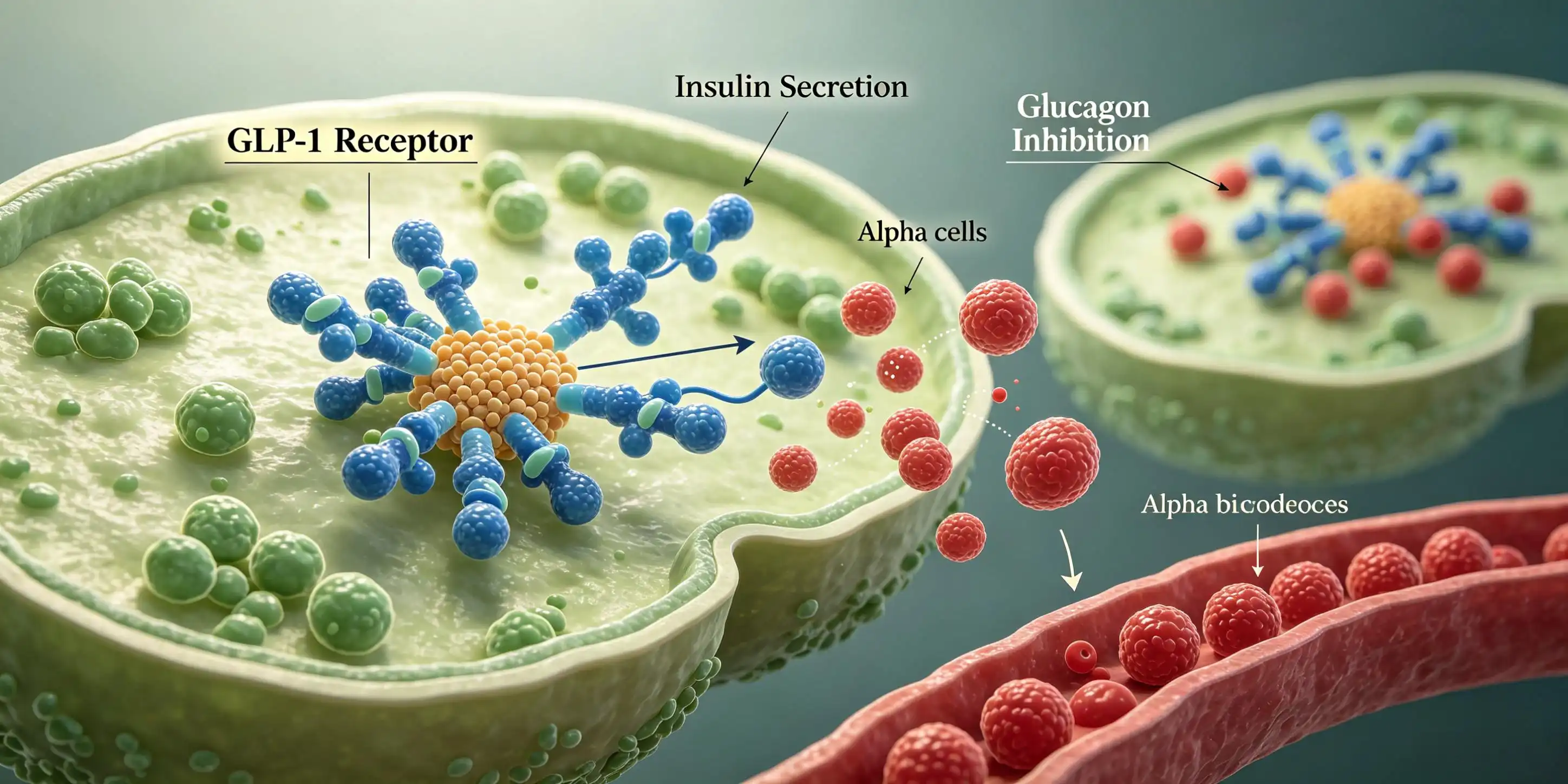
Semaglutide works as a very selective long-acting GLP-1 receptor agonist, acting like the incretin hormone that controls the balance of glucose in the body in a number of ways. At the molecular level, this peptide analogue links to GLP-1 receptors on pancreatic beta cells. This increases insulin release in a way that depends on glucose while at the same time stopping alpha cells from releasing glucagon. This two-way system lowers the risk of hyperglycemia without raising the risk of hypoglycemia.
Molecular Structure and Pharmaceutical Forms
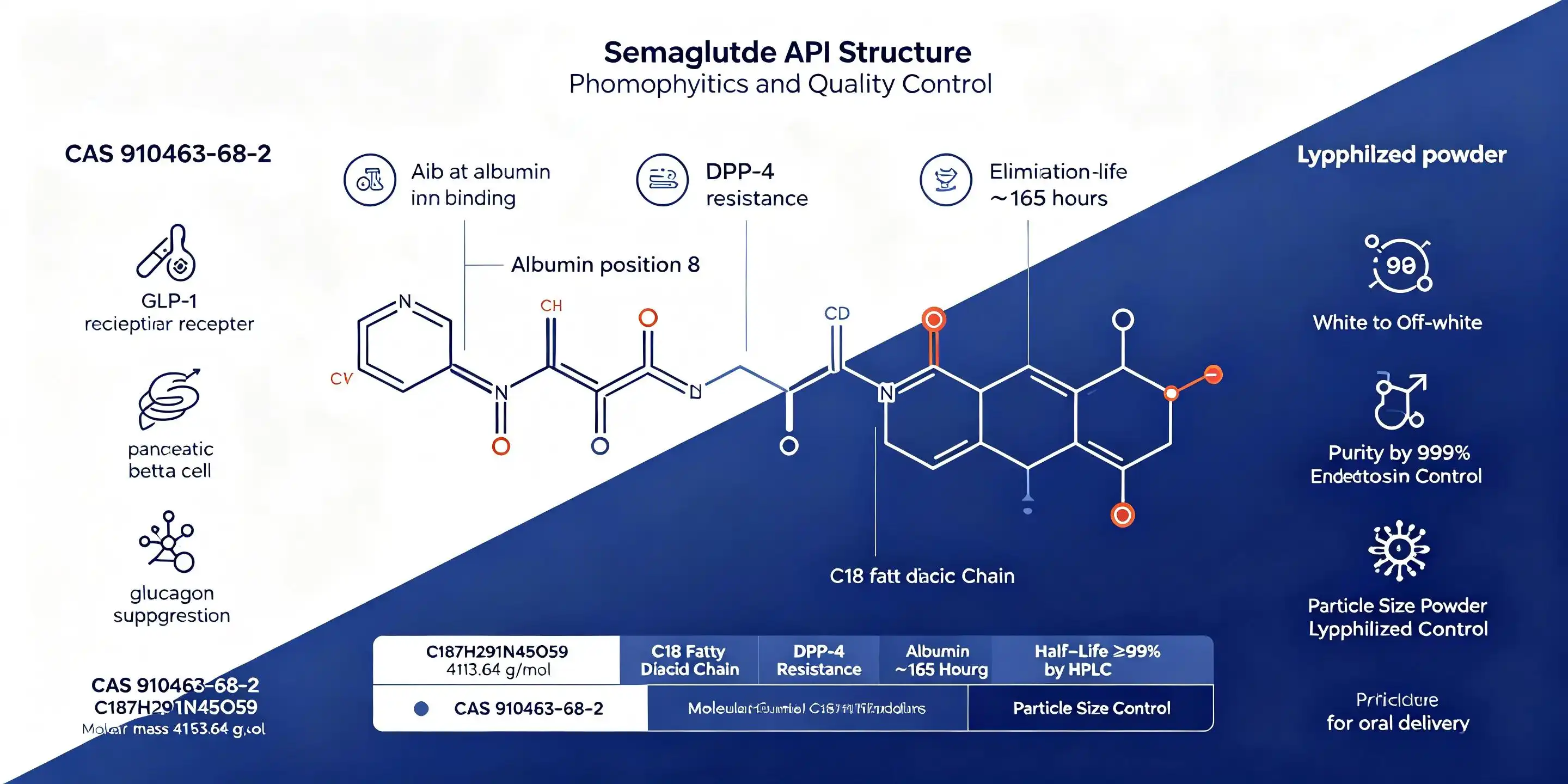
The molecular formula for the compound is C187H291N45O59, and its molar mass is 4,113.64 g/mol. Its structure has been changed in important ways, notably by replacing aminoisobutyric acid (Aib) at position 8 and adding a C18 fatty diacid chain attachment at lysine-26. This makes it resistant to breakdown by dipeptidyl peptidase-4 and able to bind albumin. Because these structure changes make the elimination half-life longer—to about 165 hours—weekly dosing plans are possible.
Pharmaceutical-grade material goes through strict solid-phase synthesis, which makes lyophilised powder that is white to off-white and has a purity level of at least 99% by HPLC analysis. The raw API is the building block for both injectable and new oral delivery systems. Each needs a different way of being made, which changes when it is given.
Pharmacokinetics Influencing Timing Decisions
The dynamics of absorption are very different between formulations. Injectable semaglutide gets its highest level in the blood within one to three days of being given. After four to five weeks of weekly dosing, it reaches steady-state levels. This longer absorption profile lets you choose any time within 24 hours, though sticking to the same plans every week is best for therapeutic steadiness.
Oral formulations have a lot more problems with bioavailability; even when fasting is perfect, they can only absorb 0.4% to 1%. Because it contains absorption enhancers like SNAC (sodium N-[8-(2-hydroxybenzoyl) amino] caprylate), it must be taken in the morning on an empty stomach and then you must wait 30 minutes before eating or drinking anything other than water.
When procurement teams look at API specs for different product development processes, they need to know about these differences in pharmacokinetics. When compared to injectable types, material meant for oral products has to meet very strict standards for cleanliness and particle size control.
Best Time to Take Semaglutide – Scientific and Clinical Insights
Evidence-based time methods that balance effectiveness with patient adherence factors have been set up by large-scale clinical programs like the SUSTAIN and PIONEER studies. The results of these studies help both end-users who are administering APIs and people who are buying APIs make decisions about what formulation-specific APIs they need.
Injectable Formulation Timing
The SUSTAIN clinical study series, which included more than 8,000 people with type 2 diabetes, showed that giving the drug subcutaneously once a week controls blood sugar levels consistently, even when the shot is given before or after a meal. The participants' HbA1c levels dropped by 1.5% to 1.8% across all dosing schedules. This shows that food intake does not change the bioavailability of injectables.
Healthcare professionals usually suggest setting up a fixed weekly plan that works with the patient's daily habits so that doses are missed less often. Monday morning injections work well with work plans, or injections are given on the weekends when patients have more time to deal with possible side effects during dose-escalation stages. The 7-day dosing window gives you up to three extra days if the planned day doesn't work out, as long as there is at least 48 hours between doses.
Oral Formulation Requirements
The results of the PIONEER study showed that oral semaglutide's already low bioavailability drops very quickly when given with anything other than water. To follow the protocol, participants had to take tablets as soon as they woke up with up to 120ml of water. They then had to fast for 30 minutes before they could eat breakfast or take any other medications.
This strict time limit comes from the absorption booster mechanism, which raises the pH of the stomach for a short time to make it easier for peptides such as semaglutide powder to pass through the walls of the stomach. If you eat or drink something during this important time, it cancels out the enhancer benefit and greatly lowers absorption. Clinical results showed that sticking to the right schedule was linked to HbA1c drops of 1.0 to 1.4%, which is close to how well injectables work despite the problems that come with the oral route.
Powder Form Considerations for Compounding
Pharmaceutical compounders and research institutions that use bulk API need to be aware that reconstituted solutions are not as stable as commercial devices that are already filled. Solutions stay effective for 56 days when kept in the fridge at 2–8°C after being reconstituted according to the right steps. This time frame affects how dose schedules are planned for clinical trials or specialised compounding pharmacy work.
The raw material is stable when stored properly and has a two-year shelf life at 2-8°C in sealed cases. This gives buyers a choice in how to get it, but batch testing for purity loss becomes very important as the expiration dates get closer.
Practical Guidelines for B2B Procurement: Usage, Storage, and Handling
When procurement teams look for APIs for research or pharmaceutical manufacturing, they have to think about different operational issues than when they look for finished products. Specifications for materials, rules for handling them, and methods for qualifying suppliers all have a direct effect on the quality of finished goods and compliance with regulations.
Reconstitution and Preparation Protocols
To keep the molecular integrity of lyophilised peptide powders, precise reconstitution techniques are needed. Adding sterile bacteriostatic water or the right buffer solutions slowly is the standard procedure. The powder should be allowed to dissolve completely without being stirred too much, as this can break down peptide structures. For study purposes, the usual concentrations are between 1 and 5 mg/ml. However, different standards may be needed for pharmaceutical making depending on the final dosage form.
Some common mistakes in preparation are using the wrong solvents, using too much heat to speed up the dissolution process, or introducing contamination by not following proper aseptic procedures. These mistakes can cause batches to clump together, oxidise, or become contaminated with bacteria, which means they can't be used for research or pharmaceutical purposes. The requirements for procurement should include clear instructions on how to reconstitute the substance and suggested solvents that will work with the intended use.
Storage and Stability Management
For peptide API preservation, keeping the cold chain intact throughout the supply chain is very important. During transport and storage, materials should stay between 2°C and 8°C and should never go through freeze-thaw cycles that damage the molecular structure. The contracts for buying things should say that the temperature of the goods must be tracked during shipping, and that data logger records must be used to prove that the goods were exposed to heat during travel.
The benefits of buying in bulk must be weighed against the short shelf life of the goods. The two-year stability standard gives buyers some inventory freedom, but those who buy a lot of things should set up first-in, first-out rotation systems and reorder points that take into account normal usage rates plus safety stock so they don't end up with too much material that is about to go bad. Even though the cost per gram is higher, smaller batch sizes may be more cost-effective for research institutions with unpredictable usage patterns.
Supplier Qualification and Certification
When you choose a supplier with care, you can avoid quality problems that can spread through production lines or study projects. Important things to look at when judging something are whether it has GMP certification, a history of regulatory inspections, and the ability to do analytical testing. It is important for suppliers to give full Certificates of Analysis that show HPLC purity profiles, mass spectrometry confirmation, bacterial endotoxin levels, residual solvent content, and water content by Karl Fischer titration.
Xi'an Yihui Bio-technology Co., Ltd. is ISO certified and sells research-grade materials that are ≥99% pure, have impurity levels of ≤0.5%, and have been tested for stability to support the two-year shelf life. The facility can produce up to 5,000g per month, which is enough for both small study amounts (1g minimum order) and big manufacturing numbers. Qualified business accounts can choose from T/T, LC, or DA terms for payment.
Before placing a big order, people who work in procurement should ask for example samples to be analysed. Reliable suppliers can meet these needs by sending 1g samples that purchasing laboratories can test on their own to make sure the specifications match what the vendor says they can do. When qualifying new providers or looking at cheaper options to current sources, this step of verification is very helpful.
Comparing Semaglutide Powder with Alternative GLP-1 Products
There are a lot of established compounds in the market that are GLP-1 receptor agonists, including semaglutide powder, which is one of the most widely referenced forms for oral formulation studies. Each one has its own procurement issues, such as where to get it, how to formulate it, and where to place it in the market. Comparative research helps procurement teams choose materials that are in line with the needs of the target market and the strategy goals of product development.
Efficacy and Timing Comparisons
Liraglutide, the GLP-1 analogue from the previous generation, needs to be injected under the skin every day because its half-life is only 13 hours, while semaglutide's is 165 hours. This basic difference in pharmacokinetics leads to different user experience patterns, with weekly doses being more likely to be adhered to in situations involving managing a chronic disease. In head-to-head clinical trials, semaglutide led to a 1.8% drop in HbA1c levels while liraglutide only caused a 1.2% drop, even though both drugs bound to GLP-1 receptors more efficiently. This suggests that the effects of semaglutide go beyond just extending the half-life.
Dulaglutide is another weekly option that is similar in how easy it is to take, but in clinical studies it was a little less effective. The molecular engineering methods are different. Dulaglutide uses an immunoglobulin G4 Fc fragment fusion, while semaglutide changes an albumin-binding fatty acid. These differences in structure affect how hard it is to make and how much it costs, which has an effect on API pricing structures.
Formulation and Administration Factors
For GLP-1 agonists, injectable form is still the most common way to give them, but oral semaglutide's arrival on the market is a big step forward in technology. When it comes to formulations, the need for an absorption booster in oral formulations makes them more complicated and expensive than simple injectable treatments. When making oral products, procurement teams need to find not only the API but also pharmaceutical-grade absorption enhancers and specific enteric coating materials.
User compliance research shows that oral administration is strongly preferred, even though it requires fasting and has lower bioavailability, especially among patients who don't like needles. This choice divides the market into different groups, but the 50–100x API amount needed for oral vs. injectable versions has a big effect on how fast materials are used up and how much is planned for inventory.
Market Dynamics and Pricing Considerations
The demand for GLP-1 agonist APIs has skyrocketed around the world since they were given more reasons to be used for weight control besides diabetes treatment. This rise in demand has made supply lines tighter and changed how prices are set for all GLP-1 chemicals. Lead times for some suppliers have been pushed back from 4 to 12 weeks, according to procurement teams. Spot market prices are also subject to change based on supply availability.
Larger purchases through bulk procurement agreements can save you a lot of money. Usually, discounts start at 100 grams and go up to 500 grams and 1 kilogram. Contract manufacturers that work with pharmaceutical companies often agree to yearly supply contracts with set delivery dates. In exchange for supply security and budget stability, these companies give up the freedom of spot market prices. For research institutions that only need to buy small amounts, consortium purchasing arrangements may be helpful. These arrangements pool demand across multiple laboratories to get better prices while keeping individual order quantities small.
When looking at competitive prices, raw API costs range from $8 to $15 per gram for research-grade material in small amounts. For pharmaceutical-grade material, costs drop to $4 to $8 per gram when manufacturing more than 1 kg of API per year. These numbers show how the market is right now, but they could change if supply and demand change or if rules change that affect production capacity.
Addressing Safety, Side Effects, and Special Use Cases
Clinical safety studies show that time of dosing can affect how well a drug is tolerated, especially during dose-escalation phases when gastrointestinal side effects are most common. Understanding these connections helps both end users and procurement make decisions about the most important areas for formulation development.
Common Side Effects and Timing Mitigation
The most common side affect mentioned was feeling sick, which happened to 20–40% of patients during the first few weeks of treatment. Based on clinical experience, giving injectable doses in the evening instead of the morning may have less of an effect on symptoms, since high plasma amounts happen while you sleep and are less aware of feeling sick. This change in time doesn't affect the drug's pharmacokinetic patterns or effectiveness—whether using injectable solutions or semaglutide powder for reconstitution—but it does make the drug easier for people to tolerate.
Oral formulations have different side effects because of the absorption enhancer part. The required waiting period is mostly for bioavailability reasons, but it may also lower the number of times people feel sick by keeping them from eating right away during peak absorption stages. In clinical trials, 10-15% fewer people reported feeling sick when oral versions were used instead of injected ones. This is despite the fact that taking something by mouth is usually linked to more stomach problems.
Dose escalation protocols have a big effect on tolerability, no matter when the drug is given. Usually, treatment starts with 0.25 mg once a week for four weeks, then moves up to 0.5 mg, then 1.0 mg, and up to 2.0 mg if the patient needs more help controlling their blood sugar or losing weight. This slow increase lets the GLP-1 receptor get used to the higher dose, which lowers the severity of side effects compared to starting therapy at therapeutic doses.
Special Population Considerations
Semaglutide can't be used during pregnancy because there aren't enough safety data on human pregnancies and studies on animal reproduction show that it is harmful to growth. Women who want to have children should stop treatment at least two months before they plan to get pregnant. This gives the body time to completely get rid of the drug because its half-life is longer. These limits don't have an effect on the speed of administration, but they are important safety information that procurement teams should share through product literature and technical documents.
Renal impairment doesn't have a big effect on semaglutide pharmacokinetics, so patients with kidney disease don't need to change their dose. This feature sets it apart from some other diabetes medicines that need complicated renal dosing protocols. The clinical simplicity makes it easier for a wider range of people to use and makes it easier for doctors to prescribe to patients who have more than one condition.
In clinical studies, older adults handle semaglutide about the same as younger adults. However, dose escalation is done more slowly in this group because they are more likely to have gastrointestinal problems to begin with. The once-a-week plan is especially helpful for older people whose complicated drug schedules make it hard to stick to their schedules.
Conclusion
The best time to give semaglutide depends a lot on whether it is an injectable or an oral form. For injectable forms, weekly subcutaneous dosing gives you a lot of freedom, but for oral forms, you have to strictly follow morning fasting rules. These timing issues come from the way molecular engineering strategies are built into the API structure—whether that API is presented as semaglutide powder for reconstitution or as a ready-to-use solution—and how they affect the drug's pharmacokinetic properties.
When purchasing raw materials, people in charge of procurement need to know how formulation-specific needs affect quality standards, storage processes, and the order of goals for qualifying suppliers. As the market for GLP-1 receptor agonists grows in both diabetes and weight management, there is a steady need for pharmaceutical-grade APIs that meet strict standards for purity and stability. Qualified suppliers can then be strategic partners in the development and commercialisation of new products.
FAQ
Can semaglutide injection timing be adjusted weekly?
With injectable versions, you can change the day of the week you give the medicine as long as there are at least 48 hours between doses. This allows for changes in the patient's lifestyle without affecting the effectiveness of the therapy, though sticking to the same weekly schedule is best for maintaining stable plasma concentrations.
Does meal timing affect injectable semaglutide absorption?
Clinical pharmacokinetic studies show that eating doesn't have a big effect on how well subcutaneous semaglutide is absorbed or used by the body. Patients can shoot before, during, or after meals without having to change their doses. This is very different from oral forms, which require strict fasting compliance.
What storage conditions does bulk API require during shipping?
Temperature-controlled logistics that keep the peptides between 2 and 8°C during transit are necessary to protect their integrity. Contracts for buying things should include language about insulated packaging with refrigerant systems and data logging devices that keep track of continuous thermal monitoring. If a material's temperature goes outside of the acceptable range, it needs to be tested again by an analyst before it can be used.
Partner with Xi'an Yihui for Pharmaceutical-Grade Semaglutide Powder Supply
You can trust Xi'an Yihui Bio-technology Co., Ltd. to make semaglutide powder that meets strict international quality standards for study and medicinal use. Our building has ISO, Halal, and Kosher certifications, and it works with science, pharmaceutical, and research companies in North America, Europe, and the Asia-Pacific region. We have been experts in peptide synthesis and fine chemical production for 13 years, and we always deliver high-quality products backed by full analytical documentation, such as HPLC purity profiles, mass spectrometry confirmation, and full regulatory compliance packages.
Our semaglutide powder (CAS 910463-68-2) is as pure as ≥99% in tests, with impurities kept to ≤0.5%. It comes in 1g, 5g, or custom packaging options to meet the needs of both exploratory research and large-scale manufacturing. Minimum order quantities start at just 1g, and samples are available for qualification testing. Our monthly production capacity of 5,000g can keep up with rising demand without causing supply problems. Materials are shipped directly from stock and are stable for two years if stored properly.
During the entire product development cycle, our technical support team provides reconstitution guidance and formulation consulting. You can talk to our procurement specialists at sales@yihuipharm.com about your unique needs, ask for Certificates of Analysis, or set up sample evaluation packages to help your source qualification processes.
References
1. Marso SP, Bain SC, Consoli A, et al. "Semaglutide and Cardiovascular Outcomes in Patients with Type 2 Diabetes." New England Journal of Medicine, 2016, 375(19):1834-1844.
2. Davies M, Pieber TR, Hartoft-Nielsen ML, et al. "Effect of Oral Semaglutide Compared With Placebo and Subcutaneous Semaglutide on Glycemic Control in Patients With Type 2 Diabetes: A Randomized Clinical Trial." JAMA, 2017, 318(15):1460-1470.
3. Wilding JPH, Batterham RL, Calanna S, et al. "Once-Weekly Semaglutide in Adults with Overweight or Obesity." New England Journal of Medicine, 2021, 384(11):989-1002.
4. Buckley ST, Bækdal TA, Vegge A, et al. "Transcellular Stomach Absorption of a Derivatized Glucagon-Like Peptide-1 Receptor Agonist." Science Translational Medicine, 2018, 10(467):eaar7047.
5. Nauck MA, Petrie JR, Sesti G, et al. "A Phase 2, Randomized, Dose-Finding Study of the Novel Once-Weekly Human GLP-1 Analog, Semaglutide, Compared With Placebo and Open-Label Liraglutide in Patients With Type 2 Diabetes." Diabetes Care, 2016, 39(2):231-241.
6. Lau J, Bloch P, Schäffer L, et al. "Discovery of the Once-Weekly Glucagon-Like Peptide-1 (GLP-1) Analogue Semaglutide." Journal of Medicinal Chemistry, 2015, 58(18):7370-7380.

Send Inquiry
Related Industry Knowledge