
What Is Teduglutide Used For?
Teduglutide powder is primarily indicated for the treatment of short bowel syndrome (SBS), a condition characterized by inadequate nutrient and fluid absorption due to significant intestinal resection or dysfunction. This pharmaceutical-grade peptide (CAS 467426-48-0) functions as a glucagon-like peptide-2 (GLP-2) analog, directly targeting intestinal rehabilitation. In research and clinical development contexts, high-purity teduglutide powder serves as a critical API for organizations focused on gastrointestinal therapeutics, enabling scientists to explore its regenerative mechanisms in controlled settings where precision and documented quality matter most.
Understanding Teduglutide Powder: Uses and Mechanism of Action
Primary Therapeutic Application in Short Bowel Syndrome
People who have had a lot of intestine surgery because of Crohn's disease, mesenteric ischemia, injuries, or birth defects can develop short bowel syndrome. Because of this, the shorter gut length makes digestion and absorption worse, leaving many people in need of parenteral nutrients. Teduglutide powder solves this problem by acting like the natural GLP-2 hormone, which is very important for keeping the structure and function of the intestines. Clinical studies have shown that Teduglutide powder therapy can lower the need for parenteral support in adult patients. This is a big step forward from traditional supportive care.
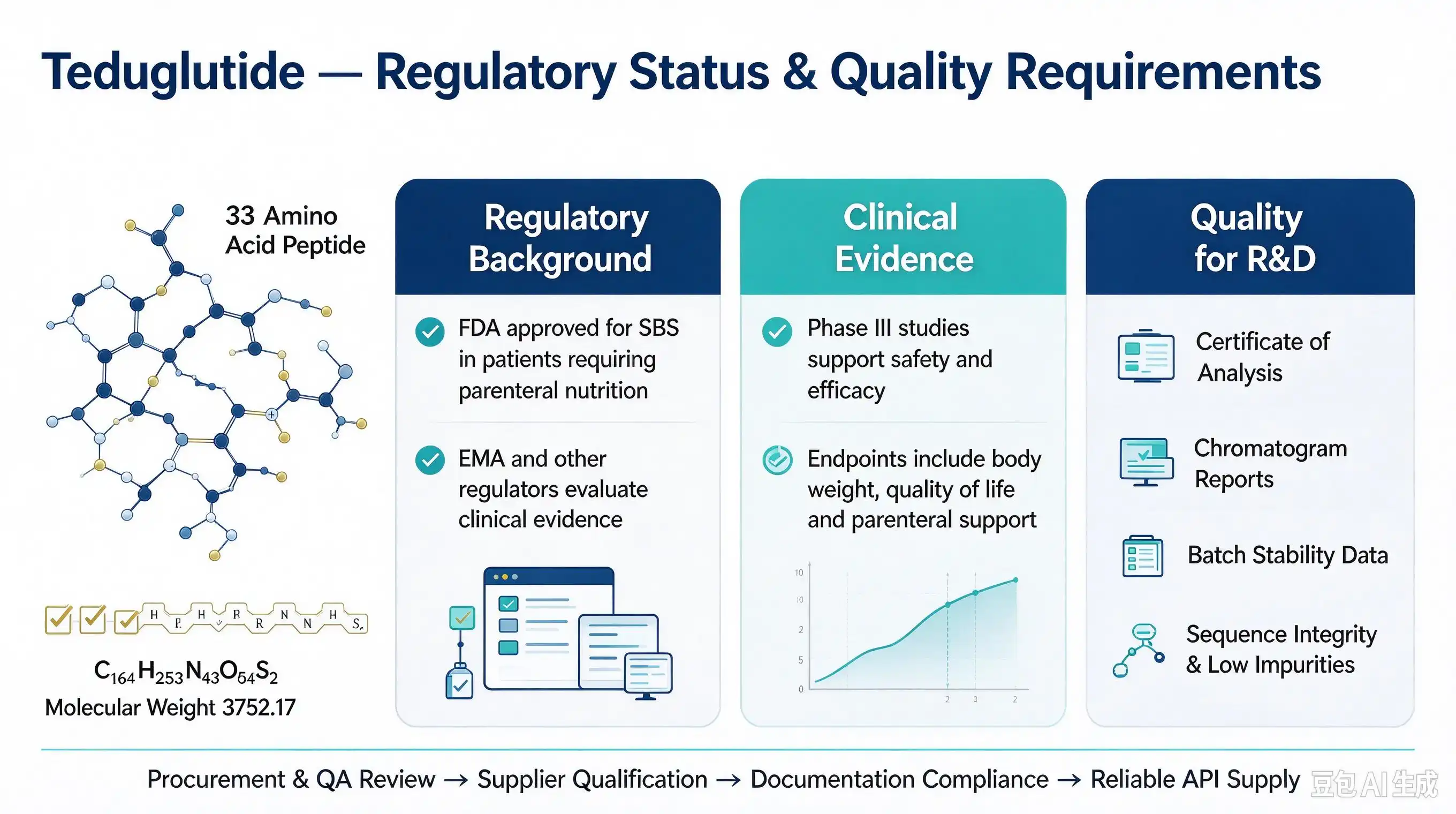
In 2012, the FDA cleared Teduglutide powder for people with SBS who still need parenteral nutrition. This was because it has a unique ability to improve the ability of the intestines to absorb nutrients. Years of study into GLP-2 biology were confirmed by this regulatory milestone, which made the peptide a key part of specialized gastrointestinal care. When purchasing this compound, it's helpful to know that it has a long history of use in clinical trials. This shows that it is a valid medicine and that the supply chain must follow strict quality standards.
Molecular Mechanism: How GLP-2 Analogs Stimulate Intestinal Adaptation
Teduglutide powder works by attaching to GLP-2 receptors that are found all over the digestive tract, but mostly in the small intestine. When this receptor is activated, it starts a chain of effects in the intestines that include more crypt cells dividing, fewer enterocytes dying, higher villus height, and better blood flow to the mesenteric area. The peptide's 33-amino-acid sequence (molecular formula C₁₆₄H₂₅₃N₄₃O₅₄S₂, molecular weight 3752.17) is very similar to endogenous GLP-2, but it has some changes that make it less likely to be broken down by dipeptidyl peptidase-4. This makes its biological half-life longer from minutes to hours.
These changes at the molecular level lead to observable clinical outcomes. Researchers who have looked into Teduglutide powder's affects have found that it boosts the surface area of the intestinal mucosa, improves the expression of nutrient transporters, and improves the barrier function. R&D teams can better understand why purity standards are so important when they know that contaminants or sequence differences could change how well a drug binds to a receptor or cause immunogenic risks, which would compromise the truth of the study and put patients at risk.
Regulatory Status and Clinical Evidence Base
In addition to the FDA's approval of SBS, the European Medicines Agency and other foreign regulatory bodies are also interested in Teduglutide powder. Patients from many countries took part in pivotal Phase III studies that produced strong safety and effectiveness data that are used to guide both clinical practice and ongoing research projects. Over the course of 24 weeks, these studies usually looked at changes in body weight, quality of life, and the amount of IV feeding given.
When managers of procurement and quality assurance check the credentials of suppliers, they look at these regulatory filings. Manufacturers of Teduglutide powder for study should be ready to provide full paperwork that meets the standards set during the compound's clinical development. This includes certificates of analysis, chromatogram reports, and batch stability data. This documentation environment supports compliance checks and makes sure that peptides can be tracked, which are important things to think about when adding specialized peptides to academic research portfolios or pharmaceutical development processes.
Practical Guidelines: Dosage, Administration, and Storage of Teduglutide Powder
Dosage Considerations in Research and Clinical Contexts
Teduglutide powder is usually given under the skin once a day at a dose based on the patient's weight, which is 0.05 mg/kg. However, study uses may look into different dosing schedules to find out more about dose-response relationships, the best time to take the drug based on nutrient intake, or how it works with other therapeutic agents. Teams working with Teduglutide powder in pre-formulation or formulation development have to carefully figure out reconstitution amounts to reach goal concentrations. This shows how important it is to have pure starting materials every time.
The analytical standards needed for correct dosing estimates are given by the product specs, which list ≥98% purity (HPLC) and 99% assay. Even small changes in the amount of peptide can throw off experimental results or make the formulation less stable. When buying things for pharmaceutical research and development, purchasing managers should make sure that the suppliers use tested analytical methods and can show representative chromatograms that show the products are free of major impurities or degradation products.
Storage Requirements and Handling Protocols
Strict environmental controls are necessary to keep Teduglutide powder pure. There should be no light or wetness in the cases where the peptide is kept. It should be kept at -20°C or below. Freeze-thaw cycles break down peptide structure, so separating it into single-use amounts as soon as it arrives reduces the risks of handling. Temperature-controlled transportation are a must for bulk packages, whether they are 1g for study or 1kg for industry.
Here are practical storage guidelines that ensure product viability throughout the supply chain:
- Temperature Management: Keep things frozen during transport by following proven cold-chain protocols and keeping an eye on them all the time. Suppliers should include data on temperature changes with every shipment so that teams receiving the goods can check for quality issues before using the materials in production or research.
- Packaging Integrity: Vacuum-sealed paper bags with desiccant are the best way to keep dampness out. For bigger orders (100g and 1kg formats), secondary containment may be used to keep the goods from getting damaged while they are being handled. The packaging should make it clear how long it needs to be stored and include batch-specific stickers to make sure the food can be tracked.
- Documentation Requirements: Every shipment must have a COA that lists the product's purity, identity, heavy metals, heavy solvents, and microbial limits. MSDS paperwork helps lab workers handle things safely and tells them how to respond to emergencies. These papers have two purposes: they make sure that the information can be used right away and they help with regulatory checks.
These rules protect the big investment that high-purity peptides are while also keeping the integrity of research. As part of the initial approval process, companies that want to work with peptide providers should check how they store and ship their products.
Side Effect Profile and Risk Management Considerations
Knowing Teduglutide powder's safety profile helps with both practical use and planning study. In clinical studies, side effects that were often noted were headaches, stomach pain, and reactions at the injection site. Because GLP-2 makes intestinal mucosa grow faster, it could speed up the growth of tumors in people who already have active cancer. This is a bigger worry. Because of this trait, patients must be carefully screened in clinical settings, and experiments studying intestinal regeneration must be carefully planned.
Managers in charge of regulations and quality like it when thorough safety data backs up the risk estimates that are needed for investigational methods. Research-grade Teduglutide powder suppliers help keep this safety environment in good shape by enforcing strict quality control that gets rid of as many adventitious agents, endotoxins, and chemical impurities as possible. These are things that could throw off safety assessments or add variables to controlled studies.
Teduglutide Powder vs Other Treatment Forms and Alternatives
Formulation Comparisons: Powder Versus Ready-to-Use Solutions
Teduglutide powder mostly gets to patients as a lyophilized powder that needs to be mixed with water before it can be injected. This format is more stable than liquid formulations, which have trouble keeping the integrity of the peptides when stored for a long time. Ready-to-use options make management easier, but they usually need to be kept in the fridge and have shorter shelf lives. From a purchasing point of view, powder formulations make global distribution easier by making the cold chain less complicated. This is especially helpful for companies that support research sites in many different regions.
Buying powder in bulk for pharmaceutical development gives you more options. Formulation scientists can make reconstitution vehicles that are unique to the delivery systems they are studying, change concentration ranges, and add stable excipients that fit those needs. Because it can be used in so many ways, research-grade Teduglutide powder is still the best choice for early-stage development work, even though commercial versions use standard reconstitution methods.
Therapeutic Alternatives in the Short Bowel Syndrome Landscape
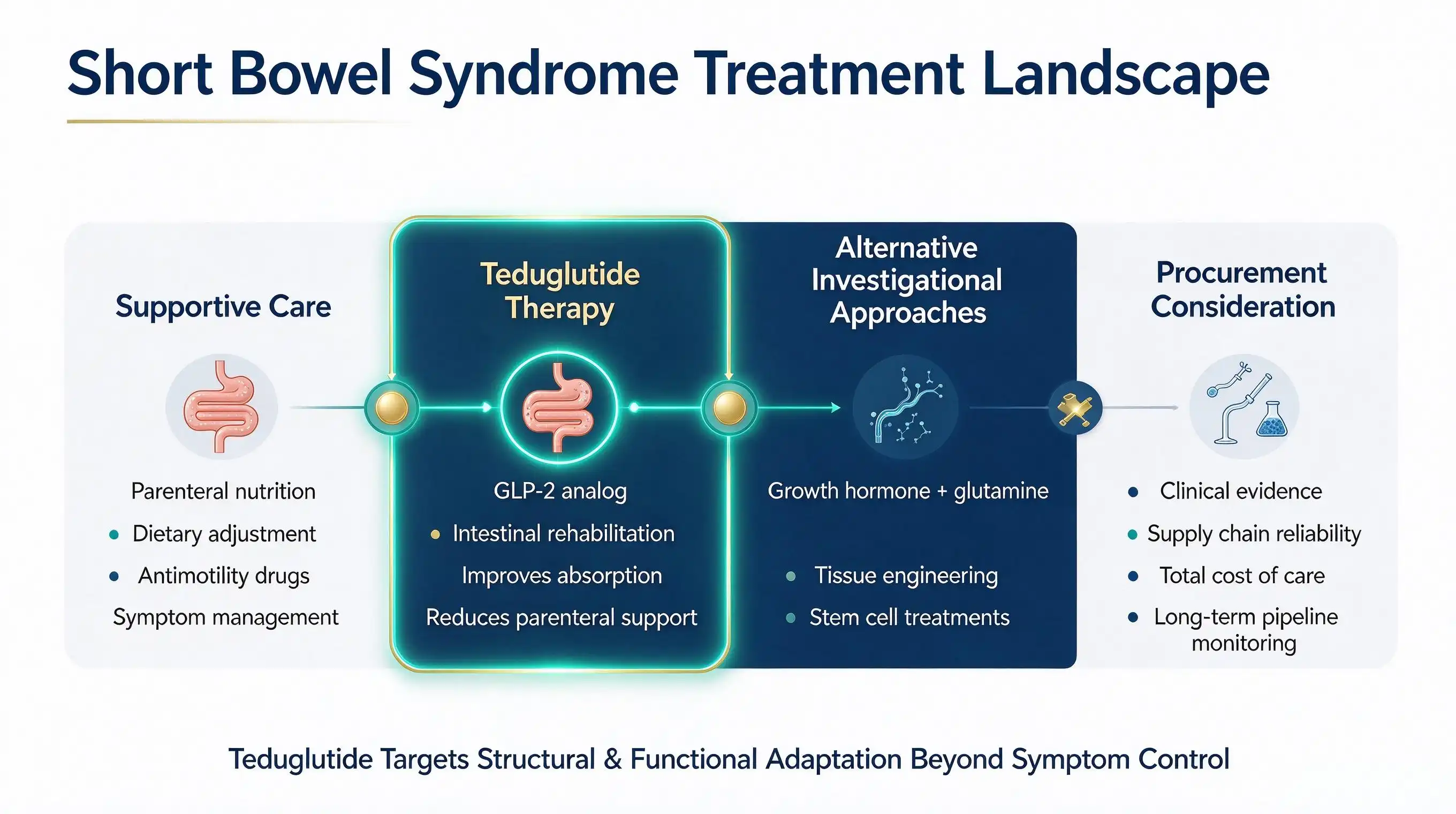
In the world of SBS treatment, Teduglutide powder fills a unique role. Traditional methods focus on nutritional support, such as parenteral nutrition supplements, dietary changes, and antimotility drugs, which only treat symptoms and don't help the intestines adapt. As an alternative intestinotropic approach, growth hormone combined with glutamine has been looked into, but it hasn't been widely used in clinical settings yet because of mixed results in terms of effectiveness and worries about side effects.
When you compare these options, you can see how Teduglutide powder is different. Supportive care takes care of short-term food problems, but Teduglutide powder targets the underlying structural and functional problems. This drug's ability to change diseases makes it a premium treatment option and affects how much money is spent on buying it. When companies look at adding Teduglutide powder to their formularies or study programs, they weigh the initial costs against the chance of lowering the number of people who need parenteral feeding and the problems that come with it.
New methods of regenerative medicine, like tissue engineering and stem cell treatments, are long-term threats to our business, even though they are still mostly being studied. Procurement strategists keep an eye on this pipeline activity to predict changes in the market, while also being aware of Teduglutide powder's near-term dominance in clinically proven intestinal rehabilitation.
Procurement Insights: How to Buy Teduglutide Powder for Your Business
Supplier Qualification: Essential Verification Metrics
To find pharmaceutical-grade peptides, you have to do a lot more than just compare prices when you look at suppliers. Manufacturers that can be trusted follow GMP guidelines that are right for the size of their business, keep their ISO certifications (ISO 9001 for quality management and ISO 13485 if they support medical device integration), and make auditing easy. These certifications show that there are strict quality controls in place that make sure there is little difference between batches. This is very important when Teduglutide powder identity has a direct effect on the consistency of research or formulations.
Synthesis skills should also be checked during verification. Manufacturers of custom peptides that use solid-phase peptide synthesis (SPPS) must confirm their purification processes, which are usually reversed-phase HPLC, and show that their analytical methods are reliable by submitting method validation paperwork. Suppliers who offer Teduglutide powder at 99% assay with ≥98% purity have put money into both improving the synthesis process and doing more thorough analyses. This is reflected in their prices, but it is worth it because it lowers the risks further down the line.
Ask for reference accounts from companies that are similar to yours, like CROs that do peptide research, pharmaceutical companies that have pipelines focused on GI issues, and academic institutions that run clinical trials. These peer references give information about how responsive a provider is, how good their technical help is, and how they solve problems that specifications alone can't.
Navigating Regulatory Compliance for Cross-Border Procurement
Getting peptides from other countries involves navigating complicated rules and regulations. Teduglutide powder is an active ingredient in finished drugs and is considered a medicinal API. Depending on how it will be used, it may be subject to different import rules. Research-grade material marked "for scientific research only" usually goes through less strict controls than material meant for making drugs for sale, but both types of material need accurate customs paperwork that lists the CAS number (467426-48-0), chemical formula, and intended use.
Regulatory teams should work with sellers who have export licenses for controlled drugs and know how to make business bills that customs officials in the destination countries will accept. The following should be in documentation packages:
- Material Safety Data Sheets: These are in line with GHS standards and list hazards along with handling instructions that help customs officials and people who are receiving the goods.
- Certificates of Origin: These prove where the goods were made and are used to figure out tariffs and trade agreements that affect the total cost of goods arriving at the port.
- Regulatory Status Letters: Making it clear that the material is not meant to be eaten by humans in its current form; telling the difference between study supplies and finished medicines, which are brought into the country in different ways.
These papers make it easier to get goods through customs and keep buyers from getting fined for shipments that aren't properly documented or declared. When companies make regular purchases from the same supplier, the supplier who templates these documentation packages makes it easier for the company to handle repeat orders.
Pricing Structures and Order Optimization Strategies
The price of peptides is affected by many factors that affect costs, such as the amino acids used as raw materials, the difficulty of synthesis (33-residue sequences take longer to make than shorter ones), the yield of processing, and the testing requirements. Teduglutide powder has a molecular weight of 3752.17 Da and contains methionine residues that are easily oxidized. This means that the synthesis process needs to be carefully watched, which affects the cost of production.
Minimum order quantities (MOQ) of 1g allow for exploratory study and let sellers spread out the costs of setup over a large enough volume of material. Organizations that expect regular use should discuss bulk price tiers, which usually start at 100g and 1kg and lower the cost per gram by a large amount. For these large purchases, it's important to carefully balance the need to predict demand with the need to think about shelf life, even though frozen storage can extend viability.
The terms of payment are another part of negotiations. Established suppliers may offer net-30 or net-60 terms to qualified institutional buyers. This makes managing cash flow easier than the usual requirement of payments when working with a new supplier. Letters of credit make it easier to do bigger foreign deals because they protect both sides. Buyers get assurances about shipments, and sellers get payment guarantees that don't depend on the buyer's creditworthiness.
Why Choose Teduglutide Powder — Value Proposition for Procurement Managers
Balancing Quality, Efficacy, and Supply Chain Stability
When buying things in the pharmaceutical and biotechnology industries, people don't just look at the cost; they also look at the total value provided over the lifespan of the product. Getting high-purity Teduglutide powder from trusted sources lowers the risk of having to do more work, backs up regulatory applications with solid analytical data, and cuts down on trial variation that could cause research timelines to slip. When you compare these quality benefits to the real cost of failed tests or discarded batches, they often outweigh small price increases.
When peptides are used in ongoing clinical trials or production schedules, supply reliability is very important. Suppliers who keep inventory all year and show they can produce a range of quantities, from gram-scale research samples to kilogram-scale development batches, are essential for keeping programs running smoothly. To lower the risk of supply, procurement managers check out secondary sources and build relationships with primary suppliers by using clear demand signals and consistent order patterns.
Supplier Partnership: Beyond Transactional Relationships
The best peptide providers see themselves as expert partners instead of just sellers. This partnership model shows up as a number of value-added services that set suppliers apart in competitive bids:
- Custom Synthesis Capabilities: Companies creating new GLP-2 analogs or Teduglutide powder derivatives profit from providers that let them change the sequence, provide analog libraries, and help with understanding the structure-activity relationship. By letting you quickly access chemistry versions, these features shorten the time it takes to make early discoveries.
- Analytical Method Development: When suppliers spend money on improving methods, they can send validated HPLC methods to client laboratories. This makes sure that the analysis stays the same throughout the development process. This technical shift helps with regulatory applications and studies that compare things.
- Regulatory Support Documentation: Suppliers with a lot of experience and knowledge of the DMF (Drug Master File) method offer paperwork packages that fit perfectly into regulatory files. Their regulatory affairs teams know what the health authority wants and can answer common questions about deficiencies before they happen.
These aspects of a partnership make it more expensive to switch suppliers, which keeps relationships stable once they're set up. To get these benefits of working together, procurement plans should focus on developing suppliers by spending time building relationships, sharing future demand estimates, and getting suppliers involved in technical problem-solving.
Market Dynamics and Forward-Looking Considerations
As more clinical evidence comes in and more patients can get Teduglutide powder therapy, the intestinal rehabilitation market will continue to change. Pediatric uses are a new area of growth, and researchers are looking into the best way to dose and ensure long-term safety in younger SBS patients. Combination treatments that use Teduglutide powder along with microbiome modulators or additional growth factors may make them more effective. This has created a need for research-grade materials to support these studies.
Professionals in procurement who keep an eye on these trends set up their companies to take advantage of new opportunities. Getting to know wholesalers who can help with expanding production, staying in line with changing regulations, and backing new ways of formulating products makes sure that the supply chain is ready when market conditions change. With this strategic sourcing view, procurement goes from being a practical buying task to a way to gain a competitive edge.
Conclusion
Teduglutide powder is a special kind of pharmaceutical peptide that has been shown to help people with short bowel syndrome and is now being used more and more in research to help the digestive system heal itself. Because it works like a GLP-2 analog and has strong clinical evidence and regulatory approval, it is a useful compound for companies working on intestinal therapies or doing research in this area.
Paying attention to things like seller qualifications, following the rules, quality paperwork, and supply chain security is important for successful buying because they all work together to protect the integrity of materials and keep programs running. As the market changes to include youth uses and research into combination therapies, an organization's ability to compete in this highly specialized therapeutic area will depend on its strategic buying relationships with skilled suppliers.
FAQ
How quickly does teduglutide demonstrate clinical efficacy in research models?
In preclinical research, changes in the intestines can usually be seen within one to two weeks of starting treatment. However, for clinically significant results in human trials, treatment must be continued for 12 to 24 weeks. When planning to buy Teduglutide powder for long research protocols, these dates should be taken into account when figuring out how much stuff is needed.
What specialized storage is necessary during bulk shipment?
During transport, the goods must be kept frozen at -20°C or lower. Suppliers should use cold-chain transportation that has been tested and is backed up by ongoing temperature tracking and records. When items arrive, they must be put straight into -20°C freezers to keep them from going bad. This is especially important for orders of 100g or more, since it takes longer to thaw if protocols are broken.
Can research-grade teduglutide powder substitute for injectable formulations in comparative studies?
Research-grade powder has the same molecular structure (sequence and molecular weight), but it doesn't have the fill-finish processes or formulation ingredients that are used in commercial injectables. These differences need to be taken into account in comparative absorption studies. When reconstitution freedom is more important than normal display requirements, the powder form is best for mechanistic research, formulation creation, and in vitro studies.
Partner with Xi'an Yihui for Research-Grade Teduglutide Powder Supply
Xi'an Yihui Bio-technology Co., Ltd. is ready to help you with your pharmaceutical research and development projects by making Teduglutide powder to exact specs. Our HPLC material is ≥98% pure and comes with full documentation packages that include COA, MSDS, and detailed chromatograms to meet your compliance needs. The minimum order quantity (MOQ) is as low as 1g. Since 2010, we have been producing Teduglutide powder for customers in Europe, the United States, and Asia. We offer affordable prices, steady in-stock availability, and knowledgeable technical support.
Our ISO, Halal, and Kosher certifications show that we are dedicated to quality systems that meet global standards. Contact our team at sales@yihuipharm.com to talk about your unique peptide needs, get a quote, or look into your choices for custom synthesis. When purchasing important study chemicals, procurement managers need a stable supply chain and thorough analysis. We provide both. Check out yihuipharm.com to learn more about our wide range of peptides and find out why top pharmaceutical businesses choose Xi'an Yihui for their API needs.
References
1. Jeppesen PB, Pertkiewicz M, Messing B, et al. Teduglutide reduces need for parenteral support among patients with short bowel syndrome with intestinal failure. Gastroenterology. 2012;143(6):1473-1481.
2. Drucker DJ, Yusta B. Physiology and pharmacology of the enteroendocrine hormone glucagon-like peptide-2. Annual Review of Physiology. 2014;76:561-583.
3. Buchman AL, Katz S, Fang JC, Bernstein CN, Abou-Assi SG. Teduglutide, a novel mucosally active analog of glucagon-like peptide-2 for the treatment of intestinal failure associated with short bowel syndrome. Clinical Gastroenterology and Hepatology. 2010;8(4):302-309.
4. Schwartz LK, O'Keefe SJ, Fujioka K, et al. Long-term teduglutide for the treatment of patients with intestinal failure associated with short bowel syndrome. Clinical and Translational Gastroenterology. 2016;7(2):e142.
5. Kocoshis SA, Merritt RJ, Hill S, et al. Safety and efficacy of teduglutide in pediatric patients with intestinal failure due to short bowel syndrome: A 24-week, phase III study. Journal of Parenteral and Enteral Nutrition. 2020;44(4):621-631.
6. Tappenden KA. Intestinal adaptation following resection. Journal of Parenteral and Enteral Nutrition. 2014;38(1 Suppl):23S-31S.

Send Inquiry
You may like
Related Industry Knowledge