
Melanotan I Powder: A Complete Guide to Peptide Research and Melanogenesis Support
Melanotan I powder is a cutting-edge synthetic peptide chemical that has drawn a lot of attention in the fields of pharmaceutical research, cosmetic formulation, and skin innovation. This peptide is a manufactured version of alpha-melanocyte-stimulating hormone. It is an important ingredient for companies that want to improve melanogenesis study and make skincare products that work.
Because the compound can speed up natural pigmentation processes, it is a very useful raw material for R&D teams, OEM makers, and sourcing workers who are looking for ways to protect against UV light and improve pigmentation. In a world market that is becoming more and more competitive, it is important for people who want to set their product lines apart while still following the rules and making sure quality is high to understand this peptide's scientific background, legal issues, and source strategies.
Understanding Melanotan I Powder: Science and Mechanism
Chemical Structure and Composition
The exact sequence of the peptide is: Ac-Ser-Tyr-Ser-Nle-Glu-His-D-Phe-Arg-Trp-Gly-Lys-Pro-Val-NH2. Its molecular formula is C78H111N21O19, and its molecular weight is 1646.85. This white powder substance meets strict purity standards and is usually provided at 95% or 98% HPLC assay levels. It can be bought under the CAS number 75921-69-6 in its free base form. The synthesis process uses solid-phase peptide synthesis methods, which make sure that the amino acid sequences are always the same and that the structures are stable. This is what pharmaceutical and beauty R&D teams need for consistent formulation results.
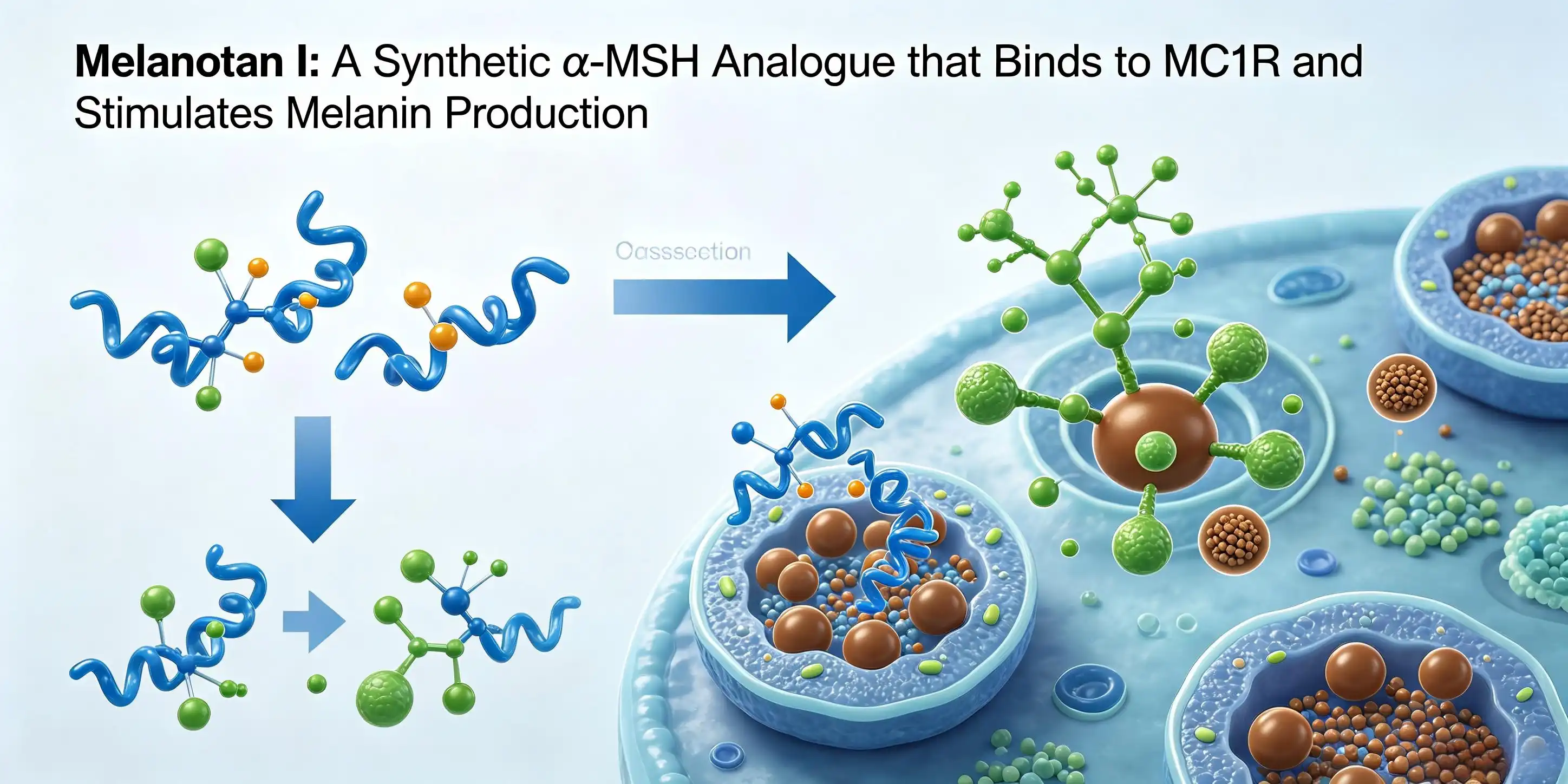
Mechanism of Melanogenesis Activation
The peptide only binds to melanocortin-1 receptors on the surfaces of melanocyte cells when it is introduced into cellular systems. When this receptor is activated, it starts a series of biochemical signals involving cyclic AMP pathways that increase the activity of the tyrosinase enzyme. Tyrosinase speeds up the process of turning tyrosine into melanin precursors, which increases the amount of melanin that is made and deposited in skin cells. This focused receptor interaction explains why the chemical works so well at making things darker without UV light. It gives researchers a controlled way to study melanogenesis processes that aren't affected by environmental factors.
Practical Benefits for Commercial Applications
The peptide does more than just stimulate melanin. It also has a number of other biological effects that make it more valuable for business. Researchers have found that it might help control hunger and reduce inflammation, but these benefits are still being studied. As a building block for cosmetics, the chemical can be used to make items that help with hypopigmentation, photoprotection, and artificial tanning. It's used by pharmaceutical researchers to look into melanocortin receptor pathways that are connected to metabolic diseases and skin conditions. This makes it a useful tool in many therapeutic areas and market product categories.
Melanotan I Powder vs Alternatives: Comparative Analysis
Structural and Safety Profile Distinctions
This peptide version has a longer chain of amino acids than Melanotan II, but it doesn't have the cyclic structure that Melanotan II does. Melanotan I powder exhibits this structural difference, which leads to a stronger binding to the MC1R receptor, stopping unwanted physiological reactions from happening when the receptor is activated by something other than its intended target. The more targeted receptor interaction profile makes it a better choice for uses that need strict safety paperwork from a legal and safety assessment point of view. When reviewing suppliers and planning formulations for controlled markets, procurement managers and quality assurance teams should put these structural factors at the top of their lists.
Comparison with Traditional Tanning Methods
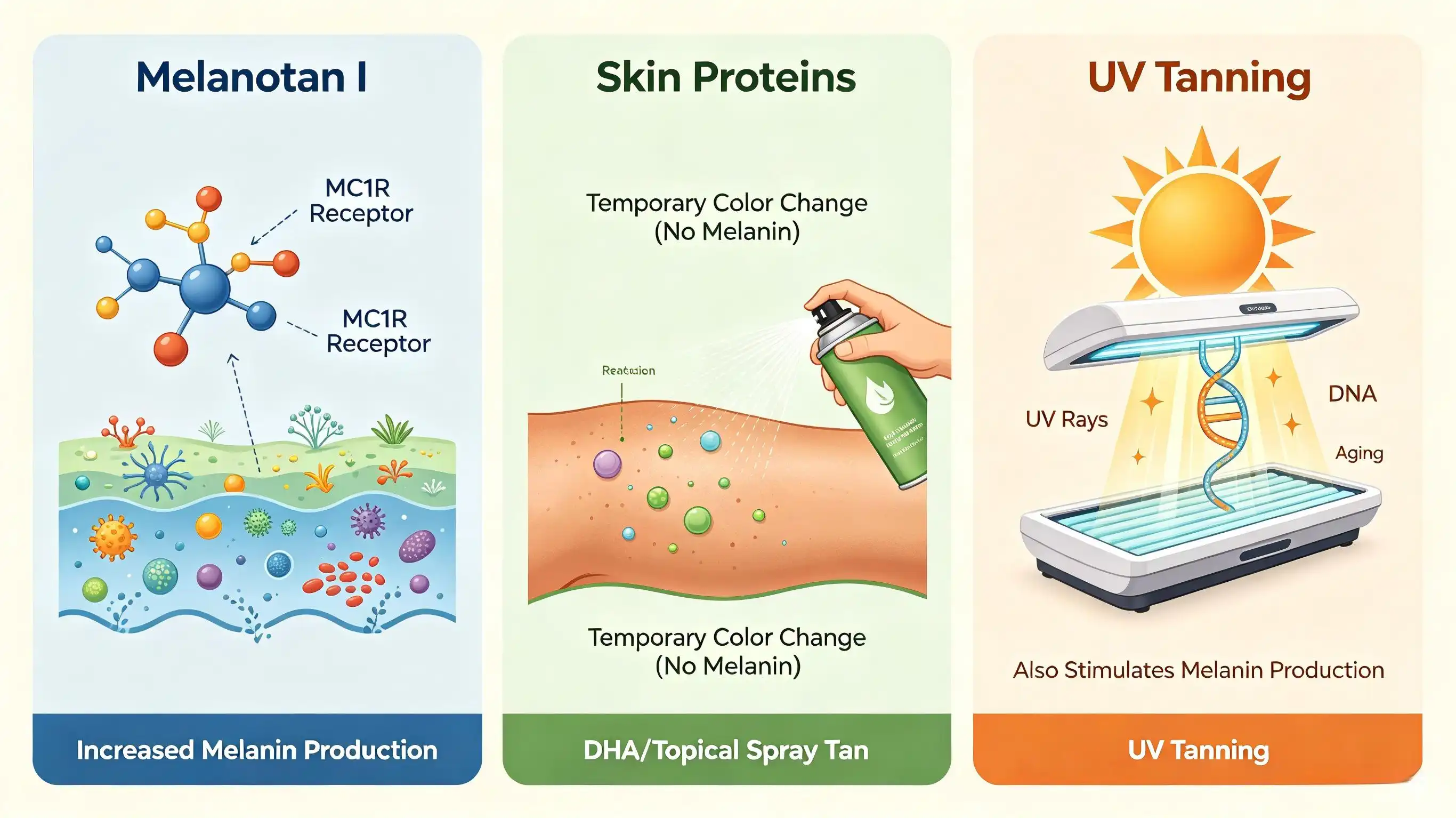
Traditional UV-based tanning methods, like laying out in the sun or using tanning beds, have well-known risks, such as DNA damage, aging, and the chance of getting cancer. The peptide gives a pigmentation route that isn't dependent on UV light. This gets rid of these direct radiation risks and makes the pigmentation process more controlled and predictable. This difference lets brands make strong value offers based on safety and effectiveness for goods aimed at the medical aesthetics and dermatology channels. A study of costs shows that the peptide needs an initial investment, but it will save businesses money in the long run by getting rid of the need for UV exposure equipment and the legal issues that come with it.
Alternative Pigmentation Technologies
The cosmetic tanning market is mostly made up of topical spray tanning solutions and products that are based on dihydroxyacetone. These products work by reacting chemically with skin proteins instead of making melanin. These options offer short-term color changes that don't affect the body's natural pigmentation processes. This creates unique market positioning possibilities. People and workers who want more physiologically integrated solutions that use endogenous biological processes like peptide-based methods. Product development teams can find the right uses and markets for their products by understanding these mechanism-based differences. This helps them meet their business goals and customer needs.
Safe and Effective Use of Melanotan I Powder
Dosing Protocols for Research Applications
Dosing ranges in the lab are usually between 0.5 mg and 2 mg per administration. However, methods can be changed depending on the needs of the experiment and the model systems used. When making a market formulation, research and development teams have to set concentration limits that are a good mix between safety and effectiveness. They have to think about things like the delivery vehicle, how often the formulation will be used, and how deeply it will penetrate target tissues. Managers of quality control should use standardized reconstitution methods with sterile water or the right buffers, and they should stick to proven practices that keep the stability of the peptides and stop them from breaking down during the preparation stages.
Storage and Stability Considerations
For peptide safety to be maintained, the climate must be controlled at all points in the supply chain. The substance should be kept in lyophilized powder form at temperatures between -20°C and -80°C to keep it safe from light and moisture, which can speed up degradation. Once restored, solutions stay stable at their best for only a short time when kept in the fridge, so it's important to be very careful about when they'll be used. With a two-year shelf life if kept properly, procurement managers can safely set up inventory strategies that protect supply while maintaining product quality. This is especially important for companies that run foreign distribution networks.
Risk Mitigation Strategies
When used in the right study settings, Melanotan I powder may cause short-term nausea, swelling, or reactions at the injection site. Formulation experts should think about these things when they create products, choosing the best delivery methods and excipients to keep the effectiveness while minimizing discomfort. As part of quality assurance processes, full tests must be done for bacterial endotoxins, heavy metal contamination, and the purity of peptides. These are important factors that regulatory managers look at when they are putting together paperwork for FDA, EMA, or other regulatory applications. Setting up strong safety profiles through organized testing helps with both meeting compliance goals and boosting the market's trust.
Procurement Insights for Melanotan I Powder: Sourcing and Buying Guide
Supplier Qualification Criteria
Finding reliable peptide manufacturers requires a careful analysis of a number of different capability factors. Quality licenses, such as ISO standards, GMP compliance, and REACH registration, are basic ways to show that a company knows how to make things and is aware of the rules that apply. Purchasing teams should ask for complete paperwork packages that include Certificates of Analysis, MSDS datasheets, and peptide synthesis reports that show stability from batch to batch. Manufacturing facilities that have been producing pharmaceutical-grade goods for a long time, use tested analytical methods, and have clear quality management systems are better buying partners because they can support long-term supply relationships that are necessary for controlled product development.
Commercial Terms and Logistics
Bulk buying strategies can help prices go down, especially for makers and wholesalers who have to keep track of regular production plans. Flexible payment terms like T/T, LC, or DA allow businesses of all kinds and in all areas of the world to meet their complex financial planning needs. Logistics skills should be carefully evaluated—reliable partners keep ready-to-ship goods in strategically placed stores so they can be delivered quickly, within one to three days, preventing production delays. Expertise in international shipping choices such as DHL, FedEx, TNT, EMS, and freight forwarding makes sure that transactions across borders go smoothly, even when dealing with customs rules and cold chain standards that are important for keeping peptides intact.
Knowing how much a normal supply can hold helps buyers make sure their ideas are in line with how things actually work. For most business and study uses, monthly production volumes of around 5000 grams are more than enough, but custom synthesis capabilities should be checked for unique needs. Different suppliers have different minimum order quantities, competitive pricing structures, and bulk discount levels. This is why it is important to do a lot of research on the market and compare suppliers before deciding on a chosen vendor. Companies that are going to release a new product or do research should start talking to possible providers early on and look at their expert support, pricing, and logistics skills.
Real-World Applications and Customer Insights
Integration in Research Programs
Researchers at universities and drug companies use Melanotan I powder a lot to study melanocortin receptors and look for links between pathways that control color and bigger bodily processes like energy metabolism and immune system control. For these study purposes, you need highly pure reagent-grade materials that have been fully characterized for analysis. This is in line with the specific needs that come up when buying things for a lab. Universities that do dermatology research say that combining cell culture models and animal studies has worked well, producing data that improves both basic knowledge and the field of applied medicine.
Commercial Skincare Development
Cosmetic companies that want to appeal to high-end and effectiveness-focused customers have added the peptide to new skin care formulas that are meant to help with hypopigmentation and protect against UV rays. OEM makers have heard good things about the ingredient's ability to stay stable in formulations and work well with popular cosmetic excipients, which lets them make a wide range of products, from serums to creams. Medical aesthetic schools looking into professional-grade treatments like the compound's mechanism-based approach, which fits with the focus of the sector on interventions with scientific proof and results that can be measured.
Market Reception and Challenges
According to customer feedback, formulators are very interested in finding unique ingredients with engaging stories about how well they work. Consistency in quality becomes the most important issue, with buyers stressing how important it is for suppliers to be reliable and for paperwork to be full during regulatory review processes. Some clients have trouble at first figuring out how to handle the complicated rules for foreign shipping and cold chain operations. This shows how important it is to work with experienced suppliers who offer full support services. Overall, the market response is still good among professional B2B customers who value innovation, scientific reliability, and supply chain dependability over price-driven commodity sourcing approaches.
Conclusion
The peptide's unique location at the hub of peptide science, dermatological research, and commercial beauty innovation opens up exciting business possibilities for companies working in research, cosmetics manufacturing, and drug development. Melanotan I powder, with its well-studied process targeting melanocortin receptors, better safety profile compared to options, and wide range of possible uses, makes it a desirable raw material for companies that want to add scientifically sound ingredients to their product lines. Paying close attention to a supplier's qualifications, quality paperwork, and logistics skills is important for successful buying because they make sure that materials can be accessed consistently and meet strict performance and regulatory standards that are needed to stay competitive in the market.
FAQ
What is the typical shelf life for Melanotan I peptide?
The peptide stays stable for about two years if it is kept properly as a lyophilized powder at temperatures between -20°C and -80°C and away from light and moisture. You should keep reconstituted solutions in the fridge and use them within the time limits that have been proven to work for your recipe. These limits are usually measured in days to weeks, but can be longer or shorter based on the buffer composition and storage conditions.
Can this peptide be incorporated into topical skincare formulations?
The molecular structure and size of the drug make it hard for topical uses to go through the skin. Most of the study and business uses are focused on injectable delivery methods that make sure the drug is bioavailable. Formulation scientists who are interested in external delivery should look into penetration enhancers and delivery vehicle technologies that can get past the stratum corneum barrier. However, it is still important to make sure the products work by testing them properly.
What documentation should buyers expect from reputable suppliers?
Suppliers should include batch-specific Certificates of Analysis that prove the peptide sequence, purity levels through HPLC, and contamination testing results in their full paperwork packages. Material Safety Data Sheets, production site approvals (GMP, ISO), and regulatory status paperwork all help with planning to be in compliance. Manufacturers with a good reputation give peptide synthesis reports that explain how they make the materials and how they test them for quality. This gives procurement and quality assurance teams faith in the stability and traceability of the materials.
Partner with Xi'an Yihui for Premium Melanotan I Powder Supply
Pharmaceutical-grade peptides are made by Xi'an Yihui Bio-technology Co., Ltd., which has been making specialized products for 13 years and works with research institutions, beauty brands, and pharmaceutical companies in more than 100 countries. Our Melanotan I powder supplier can consistently produce 5000g per month, test it thoroughly with HPLC to make sure it is 95–98% pure, and provide you with all the paperwork you need to meet legal standards.
We keep ready stock in stores that are placed in a way that makes delivery times between one and three days, which keeps your R&D and production plans on track. Our ISO, Halal, and Kosher certifications show that we are dedicated to quality standards, and our expert team is available 24 hours a day, seven days a week to help you with recipe development and purchasing. Email our team at sales@yihuipharm.com to talk about your unique needs, get COA paperwork, or set up a sample evaluation for your next project to build a new product.
References
1. Hadley ME, Dorr RT. Melanocortin peptide therapeutics: historical milestones, clinical studies and commercialization. Peptides Journal, 2006.
2. Abdel-Malek Z, Swope VB, Suzuki I, et al. Mitogenic and melanogenic stimulation of normal human melanocytes by melanotropic peptides. Proceedings of the National Academy of Sciences, 1995.
3. Levine N, Sheftel SN, Eytan T, et al. Induction of skin tanning by subcutaneous administration of a potent synthetic melanotropin. Journal of the American Medical Association, 1991.
4. Dorr RT, Lines R, Levine N, et al. Evaluation of melanotan-II, a superpotent cyclic melanotropic peptide in a pilot phase-I clinical study. Life Sciences, 1996.
5. Eberle AN, Mild G, Froidevaux S. The melanocortin peptides: chemistry and molecular biology. Current Medicinal Chemistry, 2004.
6. Sawyer TK, Sanfilippo PJ, Hruby VJ, et al. 4-Norleucine, 7-D-phenylalanine-alpha-melanocyte-stimulating hormone: a highly potent alpha-melanotropin with ultralong biological activity. Proceedings of the National Academy of Sciences, 1980.

Send Inquiry
You may like
Related Industry Knowledge