
How to store semaglutide powder
To store semaglutide powder properly, it needs to be kept at a temperature between 2°C and 8°C in a refrigerator. It also needs to be kept dry with sealed, desiccant-filled containers and protected from light with opaque containers. This GLP-1 receptor agonist peptide (CAS 910463-68-2) breaks down quickly in less-than-ideal conditions, which lowers its purity level to less than 99% and makes it less useful for therapy. Pharmaceutical companies, research centers, and wholesalers must follow proven cold chain procedures to keep the integrity of their products during the procurement, storage, and shipping stages. This is to make sure that they follow GMP and FDA rules.
Understanding Semaglutide Powder and Its Storage Requirements
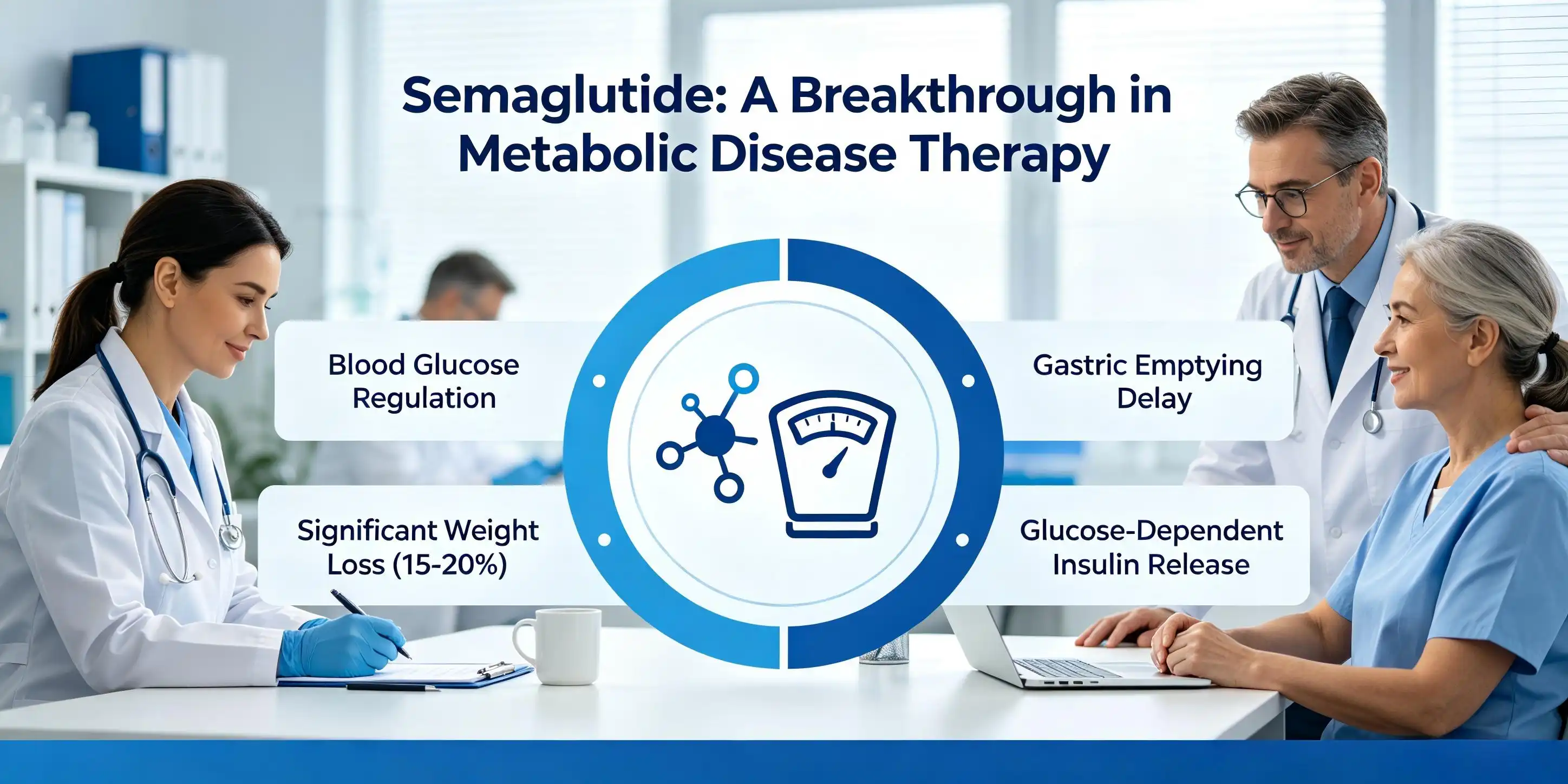
The chemical formula for semaglutide is C187H291N45O59, and it is a synthetically engineered peptide analog that was made for study into metabolic disorders and drug creation. Its special structure change—with an Aib replacement at position 8 and C18 fatty acid acylation at Lysine 26—makes it very good at binding albumin and not breaking down easily by DPP-4 enzymes. Because of these chemical features, it has a long half-life of about 165 hours, which makes it very useful for making treatments for chronic diseases.
Why Proper Storage Matters for Peptide Stability
The pharmaceutical-grade peptide is more sensitive to external factors that can cause molecular changes that can't be undone. Different changes in temperature cause peptide chains to clump together, creating high-molecular-weight species that lose their biological function. Exposure to moisture speeds up hydrolysis processes, which break peptide links and break the molecule into pieces that can't do anything.
Oxidation caused by light targets certain amino acid residues, mainly tryptophan and methionine, changing the three-dimensional structure needed for GLP-1 receptor binding. These breakdown routes have a direct effect on the test value and could lower it below the 99% purity level within days if the conditions are not right.
Regulatory Expectations for API Storage
Regulatory authorities set up systems for compliance that require strict environmental controls for active pharmaceutical chemicals. GMP standards list approved storage methods that include written records of temperature maps, humidity tracking, and steps to keep products from getting contaminated.
Teams in charge of quality assurance must keep full records of each batch, which should include Certificates of Analysis showing HPLC purity profiles, mass spectrometry proof, and bacterial endotoxin testing results below 10 EU/mg. When choosing suppliers, purchasing managers should make sure the company is ISO certified, ask for stable study data that shows the product's shelf life under certain conditions, and make sure the seller can provide required paperwork like COAs, MSDSs, and impurity profiles for each batch.
Key Factors Affecting the Storage of Semaglutide Powder
Controlling the temperature is the main thing that determines stability for semaglutide powder.
Temperature Control: The Primary Stability Determinant
Refrigeration between 2°C and 8°C protects the structure of peptides by lowering the kinetic energy that drives processes that break them down. Commercial-grade medicinal freezers with digital temperature loggers and alarm systems keep an eye on things all the time and let staff know right away if the temperature goes too far. Temperature mapping studies should make sure that storage areas are cooled evenly and find any hot spots near doors or air systems.
To avoid heat stress, workers must only be exposed to atmospheric conditions for short amounts of time (usually less than 30 minutes) when moving large amounts of material. It is not recommended to freeze below 0°C because the formation of ice crystals can physically change the structure of peptides and cause them to clump together irreversibly when they thaw.
Moisture Barrier Systems and Humidity Management
Hygroscopic peptides easily take in water from the air, which starts hydrolytic breakdown that breaks down peptide links. For multi-layered moisture protection to work, you need to use metal foil bags with heat-sealed closures and desiccant sachets with silica gel or molecular sieves that are built right in. Putting humidity markers inside packages lets you see what the environment is like.
They change color when the relative humidity (RH) level goes above the safe limits, which are usually set at 40% RH. Using dehumidification systems, warehouses that store bulk items should keep humidity levels between 30 and 40 percent relative humidity (RH). This is especially important in warm or subtropical areas where humidity levels are usually higher than safe levels.
Light Protection and Photostability Considerations
Ultraviolet and visible light waves speed up photochemical processes that make free radicals. These radicals hit amino acid residues in the peptide sequence that are weak. The damaging wavelengths can be blocked by amber glass containers or dark plastic bottles made from high-density polyethylene. These containers can still react chemically with peptide APIs. Using newspaper boxes for secondary packaging blocks light even more while it's being stored or transported. Laboratory handling methods should limit light exposure as much as possible by doing reconstitution and aliquoting tasks in dimly lit rooms or in laminar flow hoods with viewing screens that are tinted amber.
Best Practices for Storing Semaglutide Powder in Bulk and Retail Settings
Maintaining environmental consistency ensures that semaglutide powder retains its high purity threshold throughout its storage life.
Warehouse Infrastructure for Large-Scale Storage
For storage facilities that hold pharmaceuticals, you need separate cold rooms with backup cooling systems to keep the temperature stable even if one of the systems breaks down. Walk-in freezers made for storing APIs have stainless steel shelves that keep things clean and let air flow. This way, product containers don't come into direct touch with cooling surfaces, which could cause temperature differences in certain areas.
FIFO rotation should be used in inventory management systems so that older stock is used up before it goes bad. This is done by putting newer batches behind older stock. Controlling access with electronic locks and entry logs keeps things safe while keeping track of people's moves for future use in an audit trail.
Monitoring systems for the environment keep track of temperature and humidity in storage areas all the time by sending readings to central databases that set off automatic alarms when parameters change too far from what is expected. Uninterruptible power sources and emergency generators are examples of backup power systems that keep refrigerators running when the power goes out. The accuracy of measurements is checked by regularly calibrating tracking equipment against standards that can be traced back to NIST. Calibration papers are kept in quality documentation systems.
Cold Chain Logistics for Transportation
Validated shipping containers use phase-change materials or dry ice to keep temperatures within certain ranges while they're in transit, and they can do this for as long as it takes to send the goods plus extra time for safety. Putting temperature data loggers inside packages lets someone else check the temperature conditions independently throughout the trip. These loggers create reports that users can look over when the goods arrive to make sure the products are still good. Expanded polystyrene or vacuum-insulated panels are insulated packing materials that keep heat from escaping. Thermal blankets provide extra safety in harsh weather.
Shipping rules should include fast delivery options that cut down on travel time, especially for foreign packages that have to go through more than one climate zone. Working together with transportation partners who know how to handle the cold chain for pharmaceuticals makes sure that the goods are handled correctly at transfer points, so they don't have to be stored for long periods of time in unmanaged warehouses. Shipments must come with paperwork that includes handling directions, temperature requirements, and emergency contact information in case of delays or changes in temperature that were not anticipated.
Laboratory Handling and Contamination Prevention
People who work with peptide APIs who are trained in aseptic method are less likely to get them contaminated by microorganisms in the surroundings, skin flora, or particles. Nitrile gloves, lab coats, and face masks are examples of personal protective equipment that keep you from getting sick through direct touch or breathing in germs. Cross-contamination from other chemical substances can be avoided by using sterile spatulas and weighing boats that are only used for handling peptides. After taking out the amount needed, opened containers should be resealed right away, and the headspace should be purged with dry nitrogen gas to get rid of any moisture-laden air before closing.
When weighing is done in an ISO Class 5 cleanroom or a powder containment hood, the workers are less likely to be exposed to particles and are safer from breathing in peptide dust. Electrostatic discharge safety measures, like using grounded work surfaces and electrical floors, stop material loss and make sure that small amounts are dispensed correctly. Standard operating procedures with detailed descriptions of each handling step make sure that all workers and shifts follow the same rules. This helps with the development of repeatable formulations and quality control.
Common Challenges and Solutions in Semaglutide Powder Storage
Proactive risk management is essential for the bulk handling of semaglutide powder to prevent costly losses.
Addressing Temperature Excursion Events
Temperature situations that weren't planned can happen when equipment breaks down, the power goes out, or someone makes a mistake while moving things. Immediate reaction methods need to keep track of the length of the trip, the temperature range that was experienced, and the batch numbers that were affected. Stability tests, such as HPLC analysis comparing samples from before and after the trip, tell us if the material broke down and if it can still be used for its original purpose. Risk assessment systems look at how bad the excursion is. Short exposures to slightly higher temperatures may not have much of an effect, but long times above 25°C are likely to cause a lot of power loss.
Some precautions that can be taken are double tracking of temperatures with separate alarm systems, regular upkeep on refrigeration equipment, and backup storage areas that let materials be moved quickly while equipment is being fixed. As part of their training, staff members are taught how to properly close doors, limit the number of times they can access them, and report any problems with equipment right away, before they become full trips.
Moisture Contamination Prevention Strategies
Visually checking the quality of the packaging before receiving the goods can reveal broken seals, tears, or holes that may have let moisture in during shipping. Moisture indicator cards give you a numeric reading by changing colors based on different levels of relative humidity. Rejected materials that show signs of wetness exposure need to be looked into to find out what went wrong, whether it was bad packing, bad storage conditions, or problems with transportation, and then steps need to be taken to make sure it doesn't happen again.
Vacuum-sealed packaging keeps airborne moisture from coming into direct contact with powder surfaces, making an initial barrier that works even if the top packing leaks a little. When packing is done with nitrogen flushing, oxygen and wetness are pushed out, making an inert atmosphere that greatly improves shelf life. Desiccant packages in reusable storage cases keep their ability to absorb moisture by needing to be replaced on a regular basis. Desiccants that change color when they're saturated let you know when they need to be replaced.
Shelf Life Optimization Through Batch Management
Electronic inventory systems that keep track of batch numbers, receipt dates, and expiration dates can send automatic alerts when materials are getting close to their expiration dates. Materials usually have a shelf life of two years if they are kept properly. Physical inventory checks are done on a regular basis to compare system records with real stock and find any discrepancies that could mean that containers were used without being recorded or were labeled incorrectly. Chain-of-custody records should keep track of who viewed material, when, and how much was taken out of bulk bins when small amounts are dispensed.
Testing for stability on samples saved from each production batch gives real-world information on how quickly things break down in real-life storage conditions. If the results of the tests regularly go above and beyond what is expected, this could lead to longer shelf lives. Samples are put through accelerated stability studies at high temperatures to predict how they will behave in the long term. This helps buying teams make smart decisions about the right amount to order to balance supply security with expiration risks.
Comparing Storage of Semaglutide Powder vs Semaglutide Injection
When it comes to keeping options, the lyophilized powder form is much better than ready-to-use injectable treatments. Formulations that have been reconstituted with bacteriostatic water or clean diluents are less stable and need to be used within days to weeks of being prepared and must be kept refrigerated without freezing. Powder APIs stay fixed for a long time, which lets you buy in bulk and get better deals while keeping the quality high for the full two-year shelf life.
Moisture sensitivity is the most important difference. Powder formulations need to strictly exclude water mist that would start the breakdown process, but liquid shots already have controlled aqueous environments with stabilizing ingredients and pH buffers. Terminal sterilization or aseptic processing is used on injectable goods, so they need to be stored in sterile cases and handled without contamination throughout their entire lifetime. Even though handling powder needs to be clean and free of contamination, it doesn't have to be as sterile because reconstitution methods usually include final filtering steps.
Investing in storage facilities is affected by cost factors. The storage of bulk semaglutide powder compresses a lot of API value into small amounts, which is why complex cold room setups and tracking systems are needed. To store injectable products, you need to be able to hold more diluted solutions, which means you need more container room and refrigeration power. The economics of transportation also favor powder types. Less weight and volume mean lower shipping costs and easier customs clearance for foreign moves.
Conclusion
To keep the purity of the semaglutide API throughout the supply chain, strict environmental controls, tested storage methods, and strong quality systems are needed. Managing temperatures between 2°C and 8°C, keeping moisture out with multi-barrier packing, and keeping light out with closed containers are the basics of good storage strategies for semaglutide powder.
Professionals in charge of buying things have to judge sellers based on how well they follow GMP, how good their paperwork is, and how much experience they have making peptides. Using these practices that have been shown to work lowers the risk of degradation, makes sure that you are following the rules, and protects the large investment that pharmaceutical-grade peptide APIs represent. This will eventually help with the creation and marketing of your products.
FAQ
How long can semaglutide powder be stored under recommended conditions?
Pharmaceutical-grade material that is kept at 2–8°C and properly protected from moisture and light stays safe for about two years from the date it was made, as long as it is kept that way. Accelerated studies of stability show that this period is supported by the data, showing that there is little degradation when storage requirements are regularly met. Analysis of old stock using HPLC and mass spectrometry on a regular basis shows that it continues to meet quality standards for the full shelf life.
Can semaglutide powder tolerate brief room temperature exposure?
Material that is quickly put back in the fridge after being exposed to room temperature for a short time (usually less than 30 minutes) during weighing or moving operations usually doesn't break down much. If you keep something at room temperature for more than a few hours, the strength starts to decrease, so you should avoid doing that. Temperature trip studies show that long-term exposure is more dangerous than short-term exposure events. This shows how important it is to spend as little time as possible outside of controlled settings.
What steps should be taken if a temperature excursion occurs?
The duration, temperature range, and impacted batch details should be written down right away. By comparing samples from before and after an event, stability-indicating tests can tell if the material stays within the parameters. Talking to quality inspection staff and maybe even the original source can help you figure out if the material can be used as planned, needs to be tested again before it can be released, or needs to be kept in a safe place until the investigation is over. Taking appropriate steps stops similar things from happening again.
Partner with Xi'an Yihui for Reliable Semaglutide Powder Supply
If you need to buy semaglutide powder, you can trust Xi'an Yihui Bio-technology Co., Ltd. They make pharmaceutical-grade APIs that meet the strictest worldwide standards. Our ISO, Halal, and Kosher-certified factories make sure that the products are always 99% pure, and they back this up with a lot of analytical paperwork, like HPLC chromatograms, mass spectrometry proof, and Certificates of Analysis that are special to each batch. We can meet the needs of both research-scale needs and industrial production needs, with a reasonable MOQ starting at 1g and a monthly supply capacity that can reach 5000g.
Our professional team has been peptide synthesis experts for 13 years and serves customers in Europe, the United States, Japan, and South Korea. We use proven cold chain transportation to keep the temperature between 2°C and 8°C during delivery. Samples are available so that you can fully evaluate the product before committing to buying it in bulk, and the different packaging choices, ranging from 1g to 50g bottles, allow for a range of handling tastes. Email our supply chain experts at sales@yihuipharm.com to talk about your buying needs, get detailed specs, or set up an evaluation sample. Visit yihuipharm.com to see all of our peptides and learn how our customer service team can help you with your research and production.
References
1. Lau J, Bloch P, Schäffer L, et al. Discovery of the Once-Weekly Glucagon-Like Peptide-1 (GLP-1) Analogue Semaglutide. Journal of Medicinal Chemistry, 2015; 58(18): 7370-7380.
2. International Council for Harmonisation of Technical Requirements for Pharmaceuticals for Human Use. ICH Q1A(R2): Stability Testing of New Drug Substances and Products, 2003.
3. United States Pharmacopeia. General Chapter <1079>: Good Storage and Distribution Practices for Drug Products. USP 43-NF 38, 2020.
4. World Health Organization. WHO Technical Report Series No. 961: Model Guidance for the Storage and Transport of Time- and Temperature-Sensitive Pharmaceutical Products, 2011.
5. European Medicines Agency. Guideline on the Requirements for the Chemical and Pharmaceutical Quality Documentation Concerning Investigational Medicinal Products in Clinical Trials. EMA/CHMP/QWP/185401/2004 Rev. 1, 2017.
6. Cleland JL, Powell MF, Shire SJ. The Development of Stable Protein Formulations: A Look at Protein Aggregation, Deamidation, and Oxidation. Critical Reviews in Therapeutic Drug Carrier Systems, 1993; 10(4): 307-377.

Send Inquiry
You may like
Related Industry Knowledge