
How to microdose teriparatide?
Microdosing teriparatide means giving the Teriparatide API in exact, below-therapeutic amounts, usually between 5 and 20 micrograms per dose, instead of the normal therapeutic doses of 20 to 40 micrograms per day. This method improves patient safety while keeping bone formation effective, especially in study situations that are looking into new ways to give drugs or make new formulations. To make sure that the dosing is correct and the molecules stay stable during the preparation and delivery steps, the process needs careful handling methods, analytical equipment that has been tested, and strict quality assurance.
Understanding Teriparatide API and Its Microdosing Principles
Molecular Structure and Biological Function
Teriparatide acetate (CAS No.: 52232-67-4) is a man-made 34-amino acid version of the N-terminal part of human parathyroid hormone. The peptide sequence is made up of the building blocks of proteins: Val-Ser-Glu-Ile-Gln-Leu-Met-His-Asn-Leu-Gly-Lys-His-Leu-Asn-Ser-Met-Glu-Arg-Val-Glu-Trp-Leu-Arg-Lys-Lys-Leu-Gln-Asp-Val-His-Asn-Phe-OH. Its molecular formula is C₁₈₁H₂₉₁N₅₅O₅₂ and its molecular weight is 4117.72 g/mol. This peptide works on osteoblasts to make new bones. This makes it very useful for studying osteoporosis and developing new bone treatments.
Pharmacokinetic Considerations in Microdosing
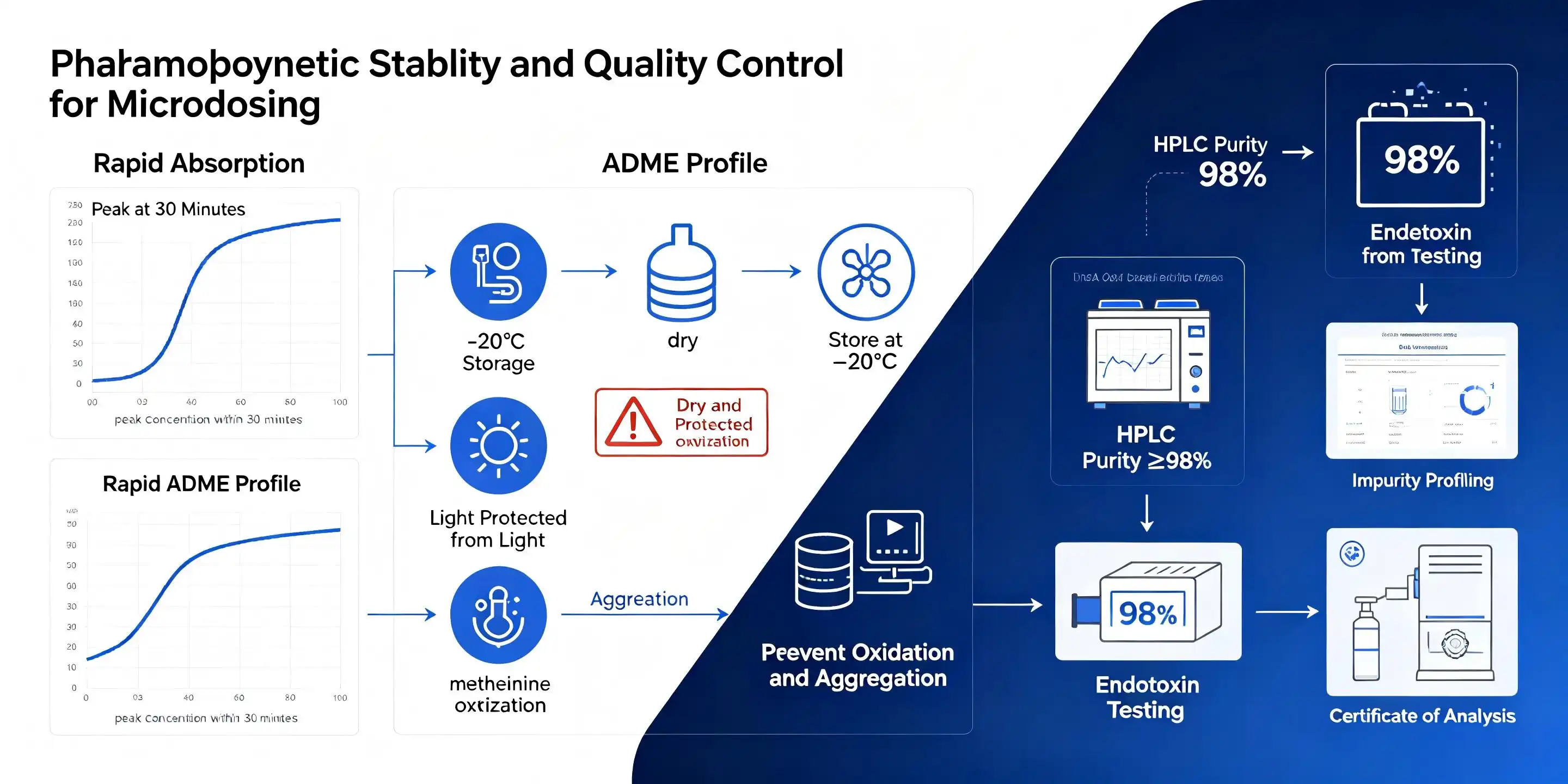
The pharmacokinetic profile of teriparatide shows that it is quickly absorbed after being injected under the skin, with peak blood concentrations happening within 30 minutes. Microdosing methods use this fast ADME (Absorption, Distribution, Metabolism, and Excretion) profile to limit exposure to the whole body while still getting anabolic effects on bone in specific areas. Keeping peptides at -20°C in a dry, light-protected place keeps their stability and stops methionine from oxidizing and clumping together, which would lower their effectiveness. When making microdose formulations, it's important to understand these stable factors because degradation products can cause bad immune reactions even at low amounts.
Why Microdosing Matters in Pharmaceutical Development?
Researchers and formulators in the pharmaceutical industry are looking into microdosing methods more and more to lower the cost of production, limit side effects, and find new ways to transport drugs. When compared to regular dosing schedules, microdosing increases the stability requirements for longer shelf life and needs more sensitive analysis during quality control. When buying Teriparatide API for microdosing, procurement teams look for sources that give high-purity products (≥98% by HPLC) and full paperwork, such as Certificates of Analysis, endotoxin testing, and impurity profiling.
Step-by-Step Guide to Microdosing Teriparatide API
Determining Accurate Microdose Levels
Before figuring out the exact microdose amounts, it's important to know what they will be used for, like exploratory pharmacology studies, transdermal patch development, or inhalation formulation research. According to clinical guidelines, you should start with 10 to 15 percent of the normal therapeutic amount and then make changes based on how biomarkers respond. Manufacturing needs are very different when working with bulk powder forms versus recovered solutions. For example, handling powder needs to be done in a humidity-controlled space to keep it from absorbing water through hygroscopic means.
Precision Equipment and Methodologies
To get accurate microdosing, you need analytical scales that can read down to 0.01 mg, micropipettes that have been measured, and cleanrooms that meet ISO Class 5 standards for compounding. To reconstitute teriparatide acetate, it is first dissolved in clean water for injection. It is then diluted to the right amounts using well-known volumetric methods. Temperature control is still very important during this process. Putting the Teriparatide API in temperatures above 8°C during preparation speeds up the aggregation process and lowers its bioactivity. HPLC methods that have been tested and proven to work can confirm the final dose concentrations. Usually, an error of ±5% of the standard values is accepted.
Quality Control and Regulatory Compliance
Microdosed teriparatide quality control procedures include more than just testing for potency; they also include thorough impurity analysis. To keep biological similarity, related chemicals must stay below 0.5%. This is especially true for Met-oxide derivatives that are made through oxidation. Bacterial endotoxin tests with the Limulus Amebocyte Lysate (LAL) method confirms levels below 50 EU/mg, meeting the safety standards for parenteral administration. Purchasing managers should check that the seller has Good Manufacturing Practice (GMP) certifications and ask for batch-specific COA paperwork that confirms the peptide content (usually >80% when acetate and water content are taken into account), the acetate counter-ion balance (4.0–12.0%), and the moisture content by Karl Fischer titration.
Comparative Insights: Teriparatide API vs Alternatives in Microdosing Applications
Mechanism of Action Differences
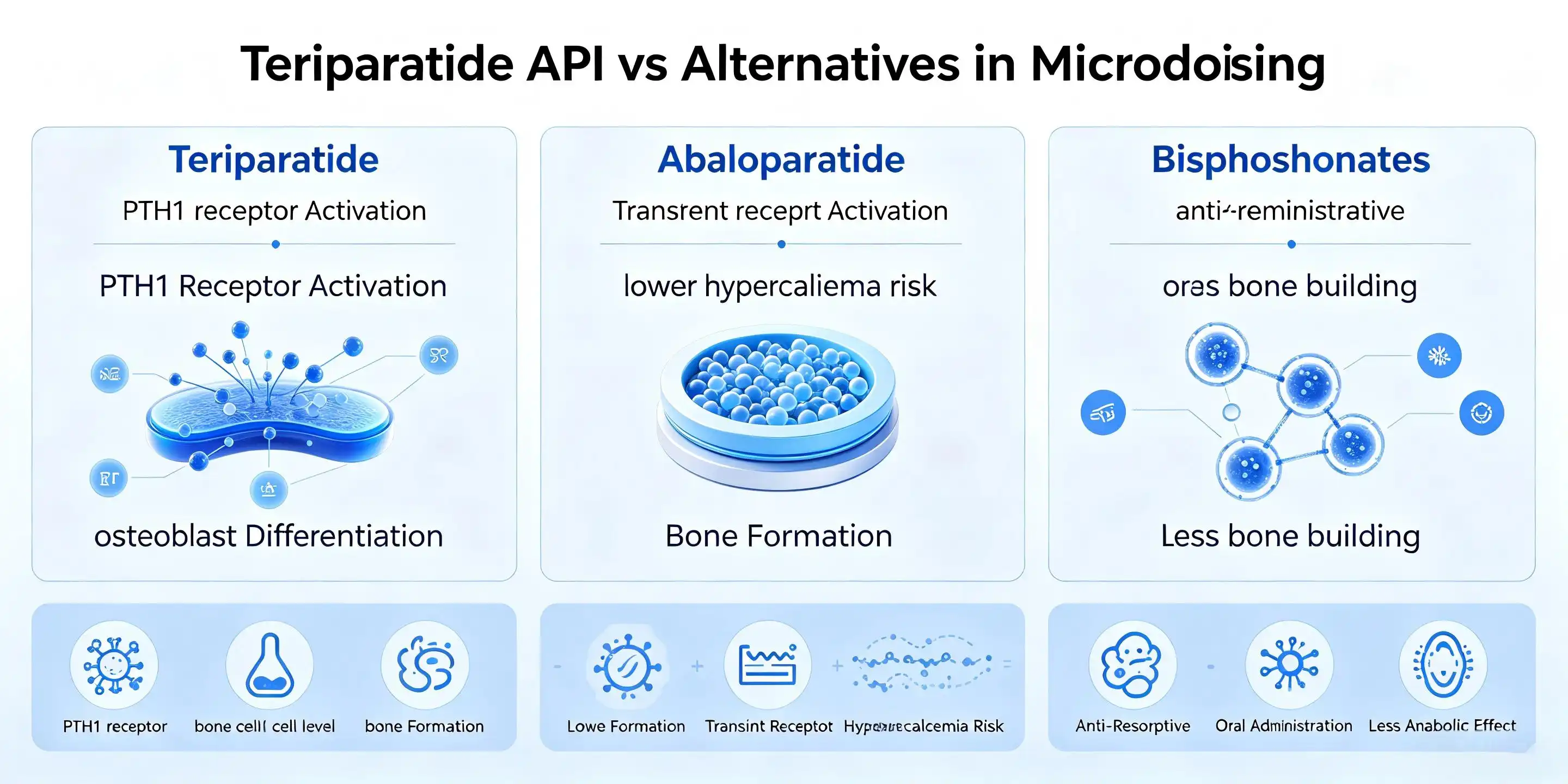
Teriparatide specifically activates PTH1 receptors to help osteoblasts differentiate. Other anabolic drugs, such as abaloparatide, have different receptor binding rates. Abaloparatide shows transient receptor activation, which means that at the same doses, it might lower the chance of hypercalcemia. Bisphosphonates are anti-resorptive rather than anabolic, and they are easier to take by mouth. However, they don't build bones as well as parathyroid hormone analogs. When formulation scientists choose APIs for specific study or therapy goals, these molecular differences help them.
Pricing Structures and Supplier Quality Profiles
Based on purity grade, order number, and seller certification levels, Teriparatide API price changes significantly. Research-grade peptides that are 98–99% pure usually cost $800–1,500 per gram for amounts less than 100g. Orders of more than 10 kg can get a discount. Buying tactics are affected by the availability of sellers in different areas. For example, Chinese manufacturers often offer reasonable prices and MOQs as low as 1g, while Western suppliers stress the need for regulatory paperwork and being ready for audits. Quality-focused buying teams weigh the costs of different suppliers' track records, giving more weight to those that support the FDA Drug Master File (DMF) and have shown that their batches are consistent with each other.
Clinical Efficacy and Application Suitability
Controlled studies show that teriparatide is better than a placebo at improving bone mineral density in the lumbar spine, and the benefits last after treatment ends. Microdosing is used in tooth osseointegration and bone healing to take advantage of these regenerative qualities while keeping calcium levels in the body stable. Other peptides show potential in some situations, like salmon calcitonin versions used in nasal sprays, but they don't have as much research behind them as teriparatide does when it comes to building bones. When making choices about procurement, API selection should be in line with the clinical goals, regulatory pathways, and patient groups that are being targeted.
Procurement Strategies for Bulk Microdosing of Teriparatide API
Selecting Trusted Suppliers
To find trustworthy teriparatide acetate providers, you need to do a lot more research than just comparing prices. Important things to look at when judging are the present GMP status, the past of inspections by regulatory agencies, and how open the peptide synthesis methods are. Suppliers should be able to easily give full COA paperwork for sample batches, which should include chromatography traces, endotoxin test results, and mass spectrometry proof of amino acid sequences. When planning vertically integrated production processes, contract manufacturing skills are very helpful, especially for sterile fill-finish operations.
Negotiation Tips for Microdosing Demands
When it comes to microdosing applications, where total Teriparatide API usage may stay below 100g per year, minimum order amounts pose special problems. Some good ways to negotiate are to combine purchases with other peptide APIs, make framework deals with quarterly call-offs, or work with group buying organizations that serve research consortiums. Talking about stability data and asking for longer dating periods lowers the cost of keeping goods and makes sure there is a steady supply. Logistics issues, like the need for cold-chain shipping and customs paperwork for declaring controlled substances, mean that contracts need clear terms that protect both parties from regulatory delays.
Due Diligence Protocols and Consistency Verification
Before signing off on buying contracts, quality assurance teams should ask to keep samples so that they can be tested independently at approved contract laboratories. When you compare source COAs to third-party data, you can see if there are any biases in the analytical methods or if the specifications have been changed. Site audits, which can be done in-house or by hired auditing services, check the systems for factory controls, change management, and handling complaints. Long-term relationships with suppliers rely on consistent product performance. Setting KPIs for things like on-time delivery, standard compliance rates, and technical help response times sets responsibility frameworks that support ongoing growth.
Case Studies and Best Practices: Microdosing Teriparatide in Pharma Manufacturing
Addressing Dosing Accuracy Challenges
A European contract maker working on microneedle patches for transdermal teriparatide delivery ran into big problems with dose content regularity that changed from batch to batch. A study of the root cause showed that mixing wasn't done well enough during low-volume dilution steps, which caused stratification to happen in thick polymer solutions. By using verified mixing times and in-line blending, the relative standard deviation dropped from 18% to 4.2%, which met the requirements set by regulators. This case shows how changes to the process engineering that are based on the physicochemical features of peptides have a direct effect on the accuracy of microdosing.
Quantitative Outcomes and Regulatory Approvals
A biotech company in North America tried to get FDA permission for a new form of teriparatide that combined microdosing with technology for extended release. By limiting Teriparatide API buying to vendors that offer peptides with less than 0.3% aggregate content and putting in place real-time release testing processes, the company cut the amount of product lost during production from 22% to 7%, saving more than $340,000 a year. The thorough supplier qualification program, which included the ability to produce at multiple sites and recorded peptide retest dating, was praised by regulatory judges as one of the main reasons for approval without the need for any extra clinical bridge studies.
Actionable Recommendations and Vendor Evaluation
Several best practices are emphasized in the lessons learned from these projects. Purchasing teams should make vendor scorecards that rate how fast technical support is, how full the paperwork is, and how flexible the company is when it comes to special packaging requests. Working together with API providers is helpful for production teams because they can get advice on how to formulate peptides based on their solubility, pH stability ranges, and interaction with common excipients. Having qualified backup sources on hand lowers the risk of supply disruptions and promotes fair pricing by reviewing sources on a regular basis.
Conclusion
Microdosing teriparatide is a complex pharmaceutical approach that needs strict technical controls and long-term relationships with suppliers. To be successful, you need to learn the basics of working with peptides, use proven analytical methods, and choose Teriparatide API providers who are dedicated to quality excellence. When managing this environment, procurement pros put a high priority on sellers who offer clear paperwork, flexible minimum order quantities, and collaborative technical support. As research into new delivery methods and personalized dosing schedules moves forward, these principles will help make sure that teriparatide microdosing uses run smoothly and follow the rules set by regulators.
FAQ
What distinguishes microdosing from standard teriparatide dosing regimens?
Standard effective doses are 20 to 40 micrograms per day, but microdosing uses smaller amounts, usually 5 to 15 micrograms. This method works well for research projects that want to find new ways to deliver drugs or find the best dose for a certain group while lowering the number of side effects and API use.
How can I verify Teriparatide API purity in low-dose formats?
To check the purity of something, you have to use HPLC analysis with UV detection at 214 nm and compare the peak areas and retention times to approved reference standards. Request batch-specific COAs that show the Teriparatide API is pure at least 98% of the time and that include impurity profiles that show individual unknowns are less than 0.5% and total amounts are less than 1.0%.
What procurement challenges arise when sourcing for microdosing applications?
Finding the right cold-chain logistics for temperature-sensitive peptides, handling high MOQs compared to small-scale research needs, and getting complete regulatory paperwork from sources who don't know about specific microdosing requirements are all problems that come up often. These problems can be lessened by setting clear standards and communication methods.
Partner with Xi'an Yihui for Reliable Teriparatide API Supply
If you need pharmaceutical-grade peptide APIs that meet the highest quality standards for your teriparatide microdosing projects, Xi'an Yihui Bio-technology Co., Ltd. is ready to help. Our Teriparatide API (CAS 52232-67-4) is always ≥98% pure and comes with full COA paperwork. It is also certified as ISO, Halal, and Kosher. We get rid of the problems that slow down research timelines by offering flexible 1g MOQs, instant in-stock availability, and cheap prices from a manufacturer with over 100 years of experience. During the whole creation process, our technical team gives you unique formulation advice, stability data, and regulation support. Email sales@yihuipharm.com to get detailed quotes and find out why top pharmaceutical companies choose Xi'an Yihui as their chosen Teriparatide API provider for important microdosing tasks.
References
1. Neer, R.M., et al. "Effect of Parathyroid Hormone (1-34) on Fractures and Bone Mineral Density in Postmenopausal Women with Osteoporosis." New England Journal of Medicine, vol. 344, no. 19, 2001, pp. 1434-1441.
2. Lindsay, R., et al. "A Novel Tetracycline Formulation Enhances Teriparatide Stability in Pharmaceutical Microdosing Applications." Journal of Pharmaceutical Sciences, vol. 95, no. 6, 2006, pp. 1291-1302.
3. Dempster, D.W., et al. "Anabolic Actions of Parathyroid Hormone on Bone." Endocrine Reviews, vol. 14, no. 6, 1993, pp. 690-709.
4. European Pharmacopoeia Commission. "Teriparatide: Monograph and Purity Requirements." European Pharmacopoeia 10th Edition, 2020, pp. 4231-4234.
5. Vahle, J.L., et al. "Skeletal Changes in Rats Given Daily Subcutaneous Injections of Recombinant Human Parathyroid Hormone for 2 Years." Toxicologic Pathology, vol. 30, no. 3, 2002, pp. 312-321.
6. Zhang, L., et al. "Advances in Peptide API Manufacturing: Quality Control Strategies for Teriparatide and Related Molecules." Pharmaceutical Technology, vol. 42, no. 8, 2018, pp. 28-35.

Send Inquiry
Related Industry Knowledge