
How long does tirzepatide powder last
It is important to know how long high-value peptide APIs last when you store and handle them so that the product works well and your investment is safe. Since tirzepatide powder is new and lyophilized, it should be safe to keep in the fridge between 2°C and 8°C for up to two years from the date it was made. This is the shelf life for pharmaceutical-grade forms that are very pure. Once it is mixed with bacteriostatic water or another suitable liquid, the stability window gets much smaller. It should be used within 28 days of being frozen. Changes in the environment's temperature, light, and humidity can make the structure of the peptide much less stable. Because of this, supply managers and quality testing teams that work with this dual GIP/GLP-1 receptor agonist need to keep it in a controlled space.
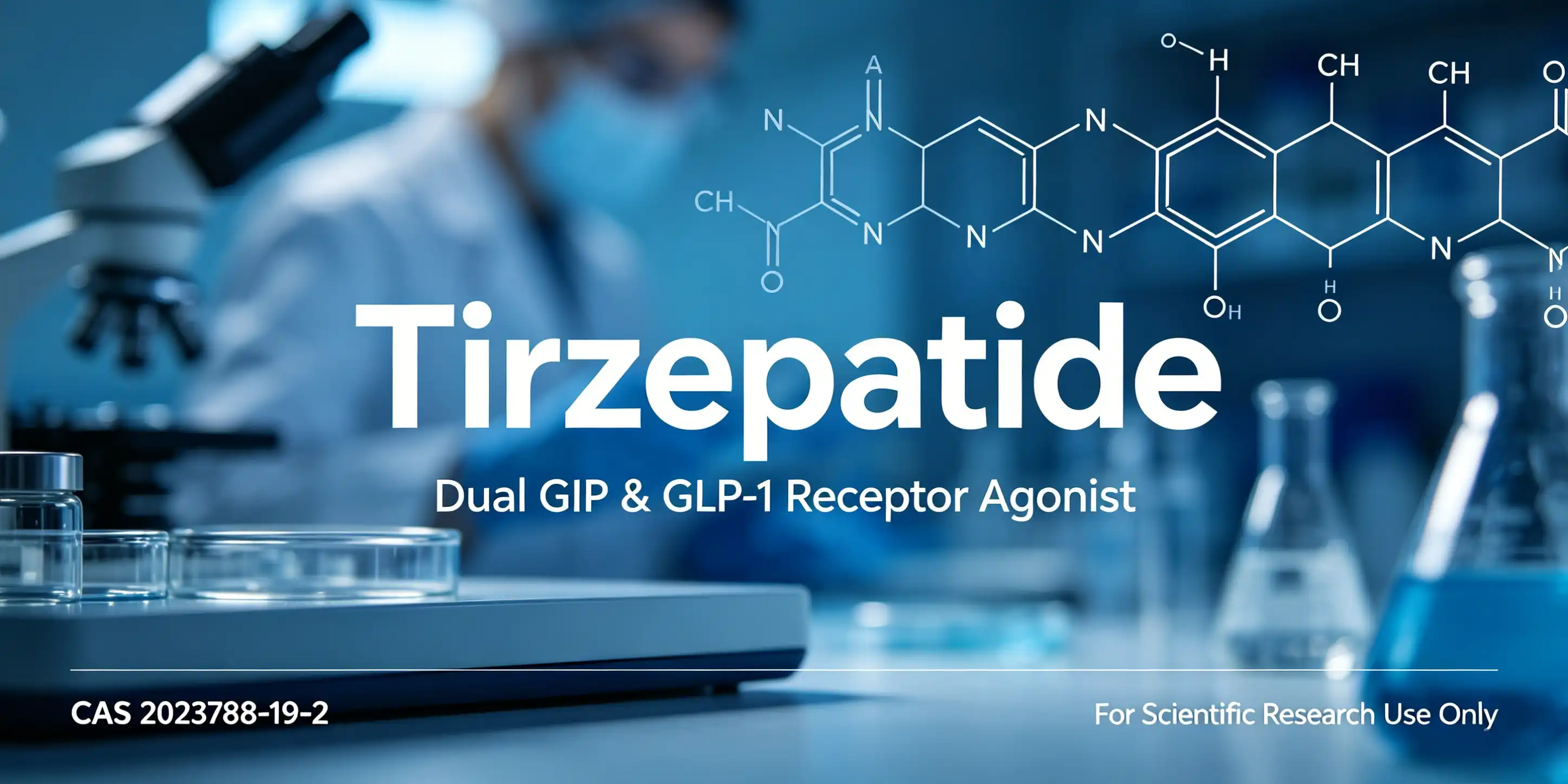
Understanding Tirzepatide Powder and Its Stability
Tirzepatide powder is a big step forward in metabolic medicine because it binds to and turns on both the GLP-1 and GIP receptors. The weight of this man-made peptide, which is made up of 39 amino acids, is 4813 Daltons. Biomolecule that is very complicated and can break down in nature. The people in charge of the pharmacy supply lines, or purchasing managers, need to know how reliable this peptide API is.
Molecular Characteristics Affecting Stability
Its chemical structure is made up of amide bonds and delicate amino acid residues that can be broken down, oxidized, and clumped together when things aren't going well. If you change the peptide's secondary structure, it may not stick to receptors as well, which means the medicine may not work as well. Lyophilized forms are more solid than liquid ones because they don't contain any water molecules. This means that the hydrolytic processes that usually break down peptide bonds don't happen.
Being 98% pure makes sure that there aren't a lot of breakdown products or man-made impurities that could speed up the process. This level of purity has been confirmed by high-performance liquid chromatography (HPLC) testing. This gives you peace of mind that the active medical ingredient will stay of good quality throughout its shelf life. People whose job it is to buy things should make sure that sellers give full certificates of analysis (COA) that show how clean the product is, how much water it has, and how much bacterial toxins it has.
Environmental Factors Impacting Shelf Life
The most important thing that affects how long peptides last is controlling the temperature. Putting things in the fridge between 2°C and 8°C for a long time makes them last longer by slowing down the rates of reaction and molecule motion that break down things. If the temperature goes above 25°C, the aggregation and rusting processes happen faster. This could mean that the material can't be used for medicine in weeks instead of years.
Lyophilized peptides also have a big problem: they don't like getting wet. Taking in water can cause hydrolytic breakdown that must be stopped before the material can be put back together. When you pack something, using the right moisture-barrier materials and desiccants helps keep the low water level that is needed for long-term stability. Providers you can trust use amber glass jars with metal caps and rubber stoppers to keep out light and moisture.
Some types of light, especially UV light, can change the side chains of amino acids, especially the tryptophan and tyrosine residues that are part of the peptide pattern. A good way to keep bottles safe is to keep them in their original boxes and in amber-colored glass cases. The amount of light that gets in should be limited by the ways that things are treated and sent.
Sealed vs. Reconstituted Shelf Life Expectations
Buyers who know the difference between sealed and restored shelf life can get the most out of their product cycles and lose the least amount of stuff. Lyophilized stuff that is kept in the right way and locked up will stay safe for about two years. Because the safe window is longer, you can buy in bulk for strategic reasons. This can cut down on the number of times you need to buy something and may even get you better deals based on volume.
When you rebuild, protection goes down a lot. And when water is added again, it makes it possible for hydrolytic breakdown to happen and for microbes to grow in case the sterility is lost. When stored in the fridge, solutions that have been reconstituted generally stay stable for 28 days. However, this time frame can change based on the vehicle used for reconstitution and the concentration reached. Water that kills germs and has supports in it makes things more stable than clean water alone.
Users need to think about how to handle these different types of security very carefully. Different study labs and mixing shops need to find a good balance between batch sizes and how often materials are used so that materials don't go bad. When you are planning how to buy something, you should think about both the safe shelf life that starts when the item is delivered and the value timeline that begins when the item is put back together.
Mechanism of Action and Duration of Effectiveness
It's not as important for B2B partners who are in charge of making drugs and spreading them to know about biological activity and the clinical duration of value than it is for chemicals to have a shelf life. This peptide is different from other medicines that used incretins because it affects two receptors at the same time. This makes the metabolic effects stronger.
Dual Receptor Targeting for Metabolic Control
Certain cells in the pancreas and fat tissue have GIP receptors that are turned on by the peptide. When glucose levels rise, insulin levels rise in a way that changes how fats are used in the body. At the same time, turning on GLP-1 receptors increases insulin production, decreases glucagon release, slows stomach emptying, and promotes feeling full through brain and spinal cord paths. This combination action goes after a number of the harmful effects that fat and type 2 diabetes have on the body.
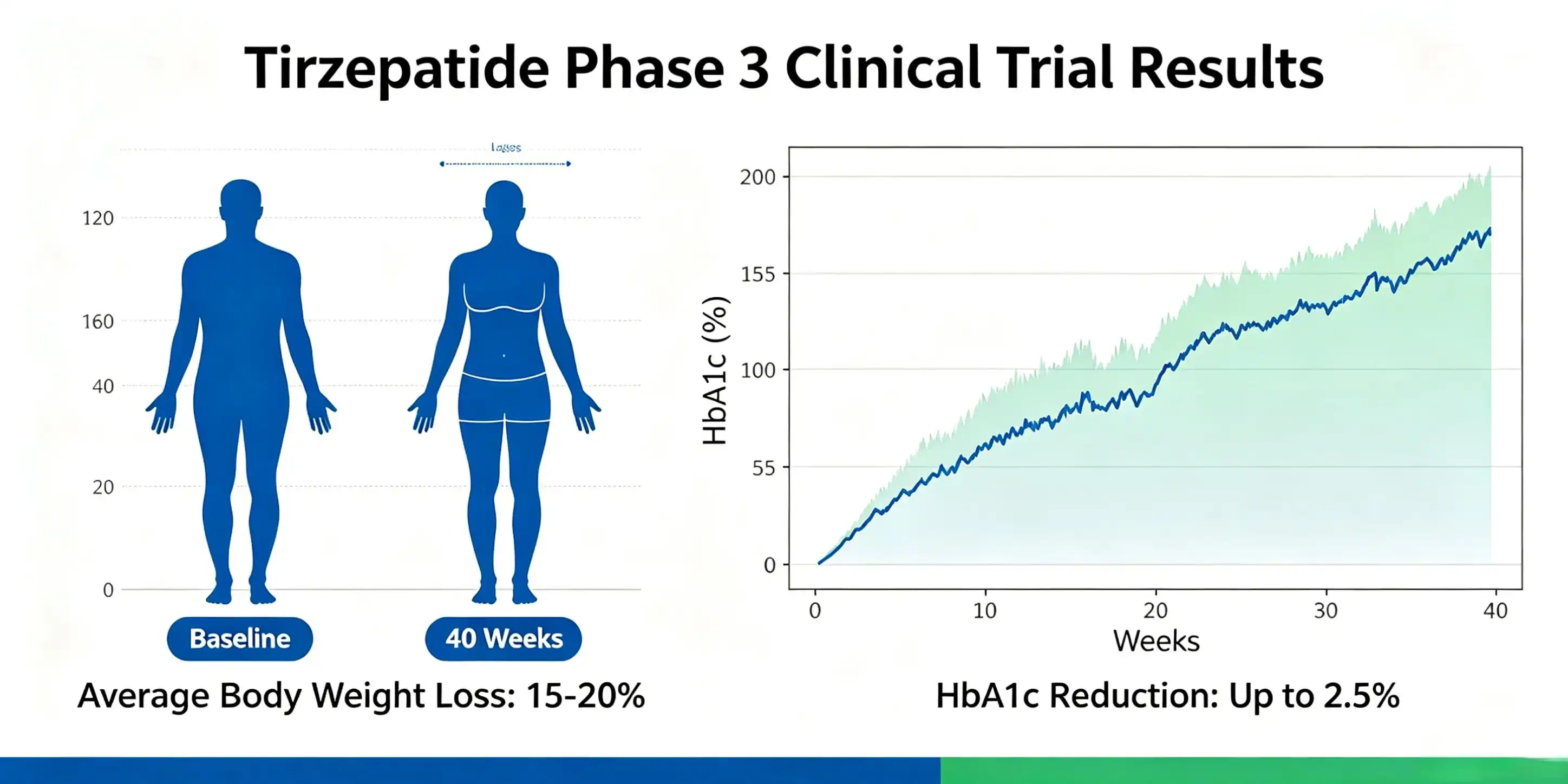
Studies in humans have shown that people who get subcutaneous shots once a week have steady blood sugar levels and lose weight steadily for at least 40 weeks. The molecular profile of the peptide shows that its half-life is around five days. This means that it is possible to only take it once a week. Most of the drug is in the plasma 8 to 72 hours after a shot. After four weeks of daily doses, the levels are stable. Proper handling and storage, such as maintaining the integrity of tirzepatide powder, are essential to ensure these effects are consistent and effective over time.
Distinguishing Product Stability from Clinical Duration
Chemical safety and biological efficiency are two different but connected ideas that people who work in buying need to know. A peptide can keep its chemical structure and stability for a long time; this is called shelf life. To make sure it works as planned, this is done before it is given. How the medicine is stored doesn't change the clinical length, which is how long the treatment effects last in patients. What changes are pharmacokinetic and pharmacodynamic qualities?
When procurement managers know this difference, they can better communicate with R&D teams, legal offices, and quality inspection staff. When you look at what providers have to offer, you should still focus on verified stability data under controlled store conditions. Don't get the length of time a product stays stable mixed up with the length of time it helps your health after delivery.
Clinical Trial Insights for B2B Decision Making
Clinical studies that are very important have shown that different amounts can lower HbA1c levels by 1.9% to 2.4%, which is the same as losing 7–12 kg of body weight over 40 weeks of treatment. These results show that the chemical does its job and also how important it is to make sure that the product stays the same all the way through the supply chain. If these get broken while they are being stored or shipped, it could mess up the clinical results.
People who took part in the study in clinical trials said they had stomach problems, which are common with incretin-based treatments. Not many of these side effects were bad, and they happened less often over time. This information on tolerability helps patients stick to their treatment plans. This means that patterns of use can be expected, which helps people plan their buying better. Manufacturers and sellers of medicines can better plan for demand if they know about these clinical traits.
Comparing Tirzepatide Powder Longevity with Other Treatments
Seeing this peptide next to its competitors helps procurement teams make smart purchases based on features, storage needs, and the overall cost of ownership. You can tell that each metabolic treatment has its own pros and cons when you look at them side by side.
Stability Comparison with Semaglutide and Other GLP-1 Agonists
Another peptide treatment that is given once a week and only works on GLP-1 receptors is semaglutide. Keeping it in the fridge is the same thing you should do with semaglutide when you don't use a pen or bottle. As long as they are kept in the right way, both peptides will last about two years. The clinical effects of the dual-agonist process are different from those of single-agonist choices, but the stability qualities don't change much.
GLP-1 agonists with shorter half-lives that need to be taken every day usually have similar lyophilized stable patterns. But the steadiness after being recovered might be different based on the ingredients used to make it. The weekly dose plan cuts down on the number of times end users have to mix the product again, which could make them less likely to make mistakes that could compromise the quality of the product. This is particularly important for substances like tirzepatide powder, where maintaining stability is crucial for its effectiveness in treatment.
Traditional Therapies: Insulin and Metformin Storage Considerations
Insulin goods are safe in different ways, depending on how they are made. When stored in the fridge, most insulin bottles that haven't been used stay stable for 18 to 24 months. Vials can be used for 28 days after they have been opened. If you plan to open the bottles within this time frame, it's fine to keep them at room temperature. This lets you handle things in more ways than with peptide agonists. But insulin needs to be given more often, which makes the whole method for getting it to people more difficult.
Metformin pills can be kept at room temperature for three to five years, which is a much longer time than other small-molecule oral meds. They don't need to be kept cold. This makes it easier to store things, which lowers the cost of moving cold things. Different amounts of efficiency and side effects are part of the trade-off. This makes direct comparison hard for more than just steadiness.
Impact of Supplier Quality on Product Longevity
How safe peptide APIs are and how long they will last on the shelf depend on the seller whom makes them. GMP-certified makers who stick to strict quality control rules make goods that are always pure, have just the right amount of moisture left over, and don't have many impurities that come from the production process. These qualities make tirzepatide powder more stable when it comes to stability and shelf life.
When buying teams compare providers, they should give more weight to those who offer full stability studies that meet ICH standards. Instead of only using accelerated testing methods, documents should include data on dependability that is updated in real time. The technical know-how to make high-quality peptide materials is shown by suppliers who give detailed directions on how to reconstitute, store, and handle the materials.
Xi'an Yihui Bio-technology Co., Ltd. shows that it cares about quality by having ISO9001, ISO22000, HACCP, HALAL, and KOSHER standards. To make stable, high-purity peptide APIs, strict production standards had to be met, which these credentials show they were. Over the past 13 years, we've worked with pharmaceutical and research clients in over 100 countries. This means we know how important it is for buying results to stay stable.
Best Practices for Procuring and Storing Tirzepatide Powder
Having strict rules about how to buy and store things keeps the quality of the item safe from the time it is made until it is used. This makes sure that the material stays clean and good for use. These actions reduce the amount of financial risk and help the government reach compliance goals that are important for pharmacy supply lines.
Supplier Selection Criteria
The first thing that needs to be done to find accepted suppliers is to look at their production licenses. These are important for making pharmaceutical-grade peptides. A business that has GMP approval follows quality systems that control how they train their workers, how their buildings are laid out, how their equipment is calibrated, and how they keep records. The controlled environments set up by these systems make it possible for peptide creation and processing to happen reliably.
Regulatory paperwork skills set qualified providers apart from people who sell copycat drugs. To use something in medicine, you need full Certificates of Analysis (COA), stability studies, Drug Master Files (DMF), and Material Safety Data Sheets (MSDS). The suppliers should give paperwork for each batch that shows the background of the material from the raw materials to the final tests. The whole supply line would be clear after this.
It's very important to be able to help people with technical issues when they are working with complicated chemical materials. It's worth more to get supplies from suppliers who can also help with problems, setup, and planning. Businesses that are coming up with new ideas or ways to make more things will find this information very helpful. For example, tirzepatide powder suppliers who can provide thorough documentation and technical support can ensure that the peptide's production and handling meet the necessary standards for medical use.
Packaging and Shipping Standards
Once you're sending peptides between climate zones or through yearly temperature changes, you need to make sure they are properly packed to keep them stable. In cold chain transportation, sealed packages with temperature tracking tools make sure that the goods stay within certain temperature ranges while they are being shipped. Temperature trip reports show what the weather was like while the goods were being shipped so that quality control can check them.
The things that are used to package things should have moisture screens that keep air out while they are being shipped and stored. A jar made of brown glass is safer than one made of clear glass or plastic. Nitrogen or argon moves oxygen out of the way when you package something. This lowers the oxidation potential while it is being stored. Taking these safety steps will keep things fresh longer and make sure they get where they're going in great shape.
When you ship something, the papers should tell you how to store it, how to handle it safely, and when it goes bad. People who receive the goods can follow the right storage steps as soon as they arrive thanks to clear labels. This way, the goods don't get damaged by bad conditions while they're being moved from shipping to storage.
End-User Storage Recommendations
Dedicated refrigerators that keep temperatures fixed between 2°C and 8°C are the best places to store things. These units should have systems that keep track of temperatures and sound alarms when temperatures get too high or too low. Setting screens are checked often to make sure they accurately show the real storage conditions.
Putting things away using the first-expired-first-out (FEFO) method keeps things from going bad before they can be used. It's easier to recycle when the labels are clear and show when the food was received and when it goes bad. Cross-contamination can't happen when different batches are kept separate, and it's easy to find out exactly where materials came from for quality checks in case problems happen.
Setting up rules for reconstitution that include liquids that can be used, percentage ranges, mixing methods, and how to store the mixture after reconstitution makes preparation the same for everyone. When methods are written down, they are less likely to change, and the quality of the result is always the same when it is used. The training programs that make sure workers know how to do these things are part of the quality system.
Addressing Common Concerns About Tirzepatide Powder Duration
People who work in quality inspection and buying are often asked specific questions about issues with storing goods, keeping track of expiration dates, and checking products. Giving people clear, backed-up tips on how to handle these problems helps them make smart choices and lowers their risks.
Consequences of Improper Storage
A lot of things happen faster when temperatures change above or below the recommended ranges. When the temperature goes up, molecules move faster, which helps them stick together because hydrophobic amino acid groups join to form complexes that can't be broken down. Sometimes these groups are so small that they can only be found using special chemistry techniques. Other times, they are big enough to be seen in recovered solutions.
The breakdown of methionine and cysteine regions happens faster at higher temperatures, which could change how living things work. Another way that temperature changes how peptides break down and how strong they are is by deamidating asparagine and glutamine groups. Some changes to an individual may lead to small changes in behavior, but these changes make treatment much less effective over time. The stability of substances like tirzepatide powder can also be compromised if not stored properly, affecting its efficacy in the long run.
Things that have been stored in bad conditions should be put through more scientific tests before they are used. HPLC study can find out how many breakdown products there are and make sure the purity stays within acceptable ranges. Biological activity tests make sure that binding and stimulating receptors are still working right, even if storage isn't working right.
Guidelines for Expired Material
Most of the time, pharmaceutical materials can't be used after the expiration dates written on the packages without going through new testing. It is taken into account that things break down slowly in the right keeping conditions when expiration dates are set based on stability studies. When you use old stuff, you can't be sure that it is still pure and effective, which is not a good thing for medical uses.
Getting rid of old goods in a way that meets both environmental laws and the rules of the organization is the right thing to do. Due to the fact that they are pharmaceutical trash, peptide materials may need to be put away in a different way than regular chemicals. Talking to environmental health and safety staff about how to dump things makes sure that it is legal.
The best way to keep things from going bad is to accurately predict demand and keep an eye on sources. Orders that are smaller and made more often to match usage rates are less likely to go bad before they are used. This way of getting the most out of your goods works best with sellers who let you pick the amount you want and send it right away.
Verifying Product Authenticity and Quality
The Certificate of Analysis is the most important proof that you can use to see how good an item is. As part of the COA, there should be information for each batch that shows how pure it is (using HPLC) and how much water, proteins, bacterial endotoxins, and heavy metals are present. The numbers should match up with the results, and there should be enough room for mistake to show that the output process was well managed.
When the goods are delivered, they show clear signs of poor quality, such as discoloration, caking, or damage to the package that suggests water getting in or bad treatment. The stuff should look like a white to off-white powder if it is all the same. Before they are used, any differences should be looked into.
When you work with qualified providers who give you audit rights, you can check directly on how they make things and how well they do quality control. Every so often, checks are done to make sure that GMP rules are being followed and that sources can still back up what they say about quality. Because it is based on connections, this method does more than just look over papers to build trust.
Conclusion
For peptide API to have a long shelf life, you need to understand how its chemical features, storage conditions, and outside factors all interact. Tirzepatide powder will stay stable for two years if you store it the right way. This lets you choose whether to buy it for medical or academic purposes. Knowing the difference between times for sealed stability and times for post-reconstitution helps you plan your goods correctly and cut down on waste. When picking a provider, look for ones with manufacturing certifications, good paperwork, and expert customer service skills. This will protect your money and help you follow the rules. Following strict storage rules, such as keeping moisture out and controlling temperature, keeps the quality of the product throughout the supply chain. By following these rules, procurement workers can better keep track of their goods and keep the quality of the goods that are needed for pharmaceutical research and production to go smoothly.
FAQ
Q1: How long can I store tirzepatide powder after opening the sealed vial?
A: The lyophilized material is exposed to the air's humidity when the lid is taken off the bottle. It will soak up water, which could make it less stable. Protect anything that hasn't been used yet by quickly putting the bottle back together with the stopper that came with it. The material should stay stable for a few months in the fridge if it is kept in these conditions, but it might not stay stable for the full shelf life. Cutting down on the number of times and lengths of gaps can help keep moisture out. By carefully moving the contents to smaller jars, you can get to the stuff you need while keeping the part that hasn't been opened.
Q2: Can expired peptide powder cause adverse effects if used in formulations?
A: When peptides are broken down, they may not work as well, so more of them may be needed to get the same beneficial effects. Parts of peptides or changed amino acids that aren't known to be safe could be breakdown products. I don't think acute poisoning is likely, but using broken materials adds unknown factors that are against the rules of medicinal quality. In order to follow the rules, you must use the stuff during the times that have been shown to be safe. There are more risks in using old things than there are savings in money by not putting them away.
Q3: Does dosage frequency affect how quickly I use my powder inventory?
A: If the dosing rate or amount size is higher, things run out faster, so more often reordering is needed. This peptide is usually dosed once a week, which makes it easy to plan purchases and predict how much will be used. You can make good plans by finding out how much is used each month by adding up the number of patients and the average amount level. Keeping extra stock on hand in case of sudden rises in demand or delays in supply ensures that you can always get what you need without spending too much on inventory.
Partner with Xi'an Yihui for Reliable Tirzepatide Powder Supply
Our company, Xi'an Yihui Bio-technology Co., Ltd., can help you get the peptide API you need by giving you pharmaceutical-grade materials, thorough quality paperwork, and technical know-how. Our cosmetic-grade and reagent-grade goods are utilized in numerous manners in the research, pharmaceutical, and specialty ingredient industries. We keep things in stock so that we can ship them within one to three days. They also have a shelf life of two years, which helps you plan your inventory.
With our low minimum order sizes and low prices, you can save money without lowering the quality standards that businesses that are subject to rules need. Our team can help you with your specific needs by emailing sales@yihuipharm.com. You can also ask for certificates of analysis or set up tests on samples. With ISO, HALAL, and KOSHER certifications, we are a well-known supplier of tirzepatide powder. As such, we offer the quality guarantee, legal support, and stable supply that sourcing experts look for in a production partner.
References
1. Bossart, M., et al. "Discovery and Characterization of Tirzepatide: A Novel Dual GIP and GLP-1 Receptor Agonist for the Treatment of Metabolic Diseases." Journal of Medicinal Chemistry, vol. 65, no. 8, 2022, pp. 5810-5826.
2. ICH Harmonised Tripartite Guideline. "Stability Testing of New Drug Substances and Products Q1A(R2)." International Council for Harmonisation of Technical Requirements for Pharmaceuticals for Human Use, 2003.
3. Manning, B.T., and Smith, R.J. "Pharmaceutical Peptide Stability: Storage Requirements and Degradation Pathways." American Pharmaceutical Review, vol. 24, no. 3, 2021, pp. 42-51.
4. Rosenstock, J., et al. "Efficacy and Safety of a Novel Dual GIP and GLP-1 Receptor Agonist Tirzepatide in Patients with Type 2 Diabetes: SURPASS Clinical Program." Diabetes Care, vol. 44, no. 7, 2021, pp. 1592-1599.
5. Wang, W. "Instability, Stabilization, and Formulation of Liquid Protein Pharmaceuticals." International Journal of Pharmaceutics, vol. 185, no. 2, 1999, pp. 129-188.
6. Zhang, M.Z., and Sigal, G.B. "Cold Chain Logistics for Biopharmaceutical Distribution: Stability, Packaging, and Regulatory Considerations." Journal of Pharmaceutical Sciences, vol. 109, no. 9, 2020, pp. 2839-2851.

Send Inquiry
.webp "Glecaprevir")
.webp "Benzalkonium Chloride Powder")
Related Industry Knowledge
- The Use of Epidermal Growth Factor in Dermatological Practice
- Understanding Deferasirox: Uses and Medium of Action in Iron Overload Treatment
- What Are the Benefits of Levomefolate Calcium for Pregnancy?
- Is Ergothioneine an Effective Antioxidant for the Body?
- What is Phenibut and How Does it Work?
- What Is Doxorubicin Hydrochloride?
- What is levomefolate calcium used for?
- How does brimonidine tartrate work?
- Is bimatoprost preservative-free?
- What are the side effects of phosphatidylserine?