
How long does it take for semaglutide to work
When drug companies and study centers look at GLP-1 receptor agonists for clinical development or formulation projects, they need to know how long the therapy will take so they can place the product and plan for patient outcomes. Semaglutide raw powder, which is the active pharmaceutical ingredient (API) and has the CAS number 910463-68-2, has a known pharmacokinetic profile that affects when it starts to work.
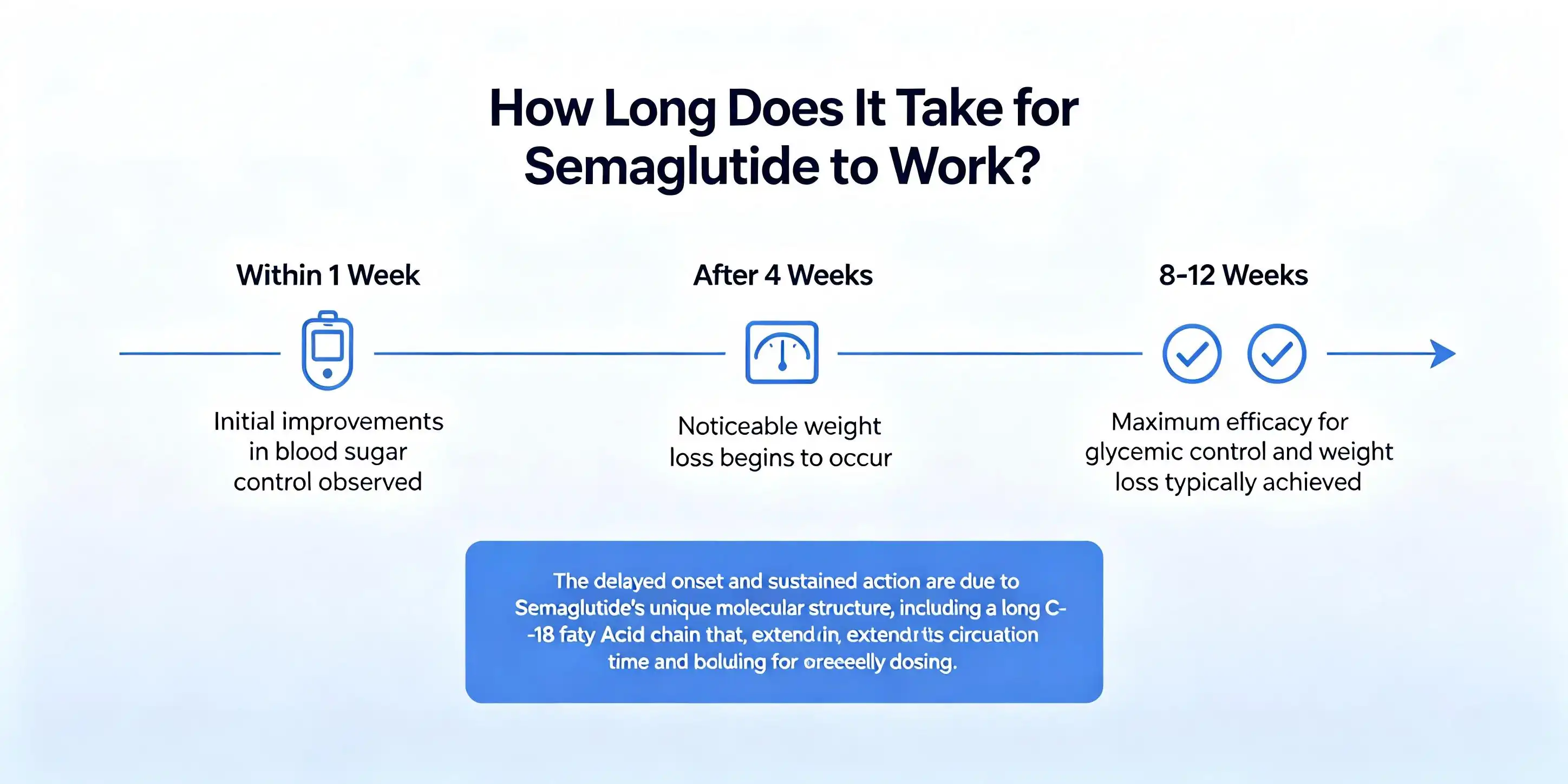
Clinical proof shows that patients usually see changes in their blood sugar within the first week of taking the drug. After 4 weeks, they can start to see weight loss. Most of the time, the best results for controlling blood sugar and losing weight show up after 8 to 12 weeks of regular doses. This increasing action graph shows the compound's special molecular structure, which has a long C-18 fatty acid chain that binds albumin and extends circulation time, which lets doses be given only once a week.
Understanding Semaglutide and Its Mechanism of Action
Semaglutide is an improved type of GLP-1 receptor agonist that was made to work for a longer time. The main difference between semaglutide raw powder and finished injectable versions is where they are in the drug research process. When companies are making their own delivery systems, like subcutaneous injection solutions or new mouth formulas with permeation enhancers like SNAC, they start with raw powder, which is a very pure substance.
The GLP-1 Receptor Agonist Mechanism
The chemical works by acting like natural glucagon-like peptide-1 and attaching to GLP-1 receptors found in pancreatic beta cells, stomach tissue, and parts of the brain and spinal cord that control hunger. When a receptor is activated, three main drug processes happen. Pancreatic beta cells release more glucose-dependent insulin, which lowers post-meal hyperglycemia without causing hypoglycemic episodes that are common with sulfonylureas. Glucagon release from alpha cells is slowed down, which stops the liver from making too much glucose. The emptying of the stomach slows down a lot, which increases the time that nutrients are absorbed and creates mechanical signs of fullness that help people eat fewer calories.
Molecular Modifications Driving Extended Action
The peptide sequence has alpha-aminoisobutyric acid (Aib) at position 8, which protects it from being broken down by the enzyme dipeptidyl peptidase-4 (DPP-4). Compared to native GLP-1, this molecular change alone makes the half-life last from minutes to hours. The C-18 fatty diacid side chain connected at lysine 26 also allows albumin to bind and unbind easily, forming a reservoir in the blood that keeps plasma concentrations steady. When these changes are put together, the elimination half-life gets close to 165 hours. This allows for once-weekly administration times that make it easier for patients to follow their treatment plans and make clinical study methods simpler.
Timeline: How Long Does It Take for Semaglutide to Work
To make sure that product development goals are in line with expected clinical results, procurement teams and formulation scientists need clear timelines. GLP-1 analogs work as medicines in a way that finds a balance between how well they work and how well they are tolerated.
Initial Response Window (Week 1-4)
Within 3 to 5 days of the first dose, there are measurable drops in fasting plasma glucose, which is the same time that receptor occupancy reaches effective levels. HbA1c numbers, which show how well blood sugar levels have been controlled over 90 days, start going down after the second weekly dose because glucose homeostasis is now stable. During this first phase, the digestive system adapts as the stomach moves more slowly to accommodate slower release rates. Manufacturers of combination treatments should keep in mind that this early window is the most important time to check how well the formulation works and what patients say about their results.
Progressive Weight Loss Phase (Week 4-12)
Around week 4, weight loss becomes statistically important. In Phase III studies, normal weight losses of 2 to 3 percent of baseline weight were seen. Both a decrease in caloric intake through central hunger suppression and changes in the way energy is used are part of the process. Depending on your starting BMI and how well you stick to your plan, the fastest weight loss happens between weeks 8 and 20. Pharmaceutical firms that market their products for weight loss should make it clear that the best results come from long-term treatment that lasts longer than the usual short-term intervention period.
Plateau and Maintenance (Week 12 onward)
Between weeks 12 and 16, when HbA1c levels stabilize at about 1.5 to 2.0 percentage points below baseline in most response groups, glucose control is at its best. Weight loss keeps going, but at a slower rate. Between months 6 and 12, there is a pause. This part of upkeep shows how the metabolism has changed and how the body's defenses have adjusted to the new steady state of pharmacology. When predicting demand trends for programs that help people with chronic diseases, suppliers who offer long-term supply contracts should take these physiological factors into account.
Factors Influencing Response Kinetics
Dose increase plans have a direct effect on how quickly effects start and how bad they are. As per standard practice, treatment with semaglutide raw powder starts with 0.25 mg once a week for four weeks. After that, the amount is gradually increased to 0.5 mg, 1.0 mg, or 2.4 mg, based on the need. When you use rapid acceleration, your blood sugar drops faster, but you also feel sick more often, which could affect your real-life commitment rates.
Formulation type is also important. Bioavailability for subcutaneous injections is close to 89%, but oral versions need to be given with certain boosters and under fasting conditions, which changes how quickly they are absorbed. Individual differences between patients are caused by things like body makeup, taking medicines at the same time that affect stomach acid levels, and insulin sensitivity at baseline. These differences must be taken into account by clinical development teams when choosing endpoints.
Comparing Semaglutide Raw Powder with Other Forms and Alternatives
When making buying choices in the peptide API market, it's important to compare the benefits of raw materials to other GLP-1 analogs and finished products. Manufacturers who want to use custom manufacturing methods can benefit a lot from using semaglutide raw powder. When kept at 2–8°C, the lyophilized solid stays stable for 24 months. This gives the supply chain freedom that isn't possible with pre-made solutions that have shorter expiration windows.
When compared to finished dose bottles, buying in bulk cuts the cost per unit by a large amount. This is especially helpful for companies that want to make more than test batches. When companies are making new delivery systems or mix goods that set them apart from the competition through formulation innovation, intellectual property concerns make buying semaglutide raw powder a better option.
Performance Benchmarking Against Liraglutide
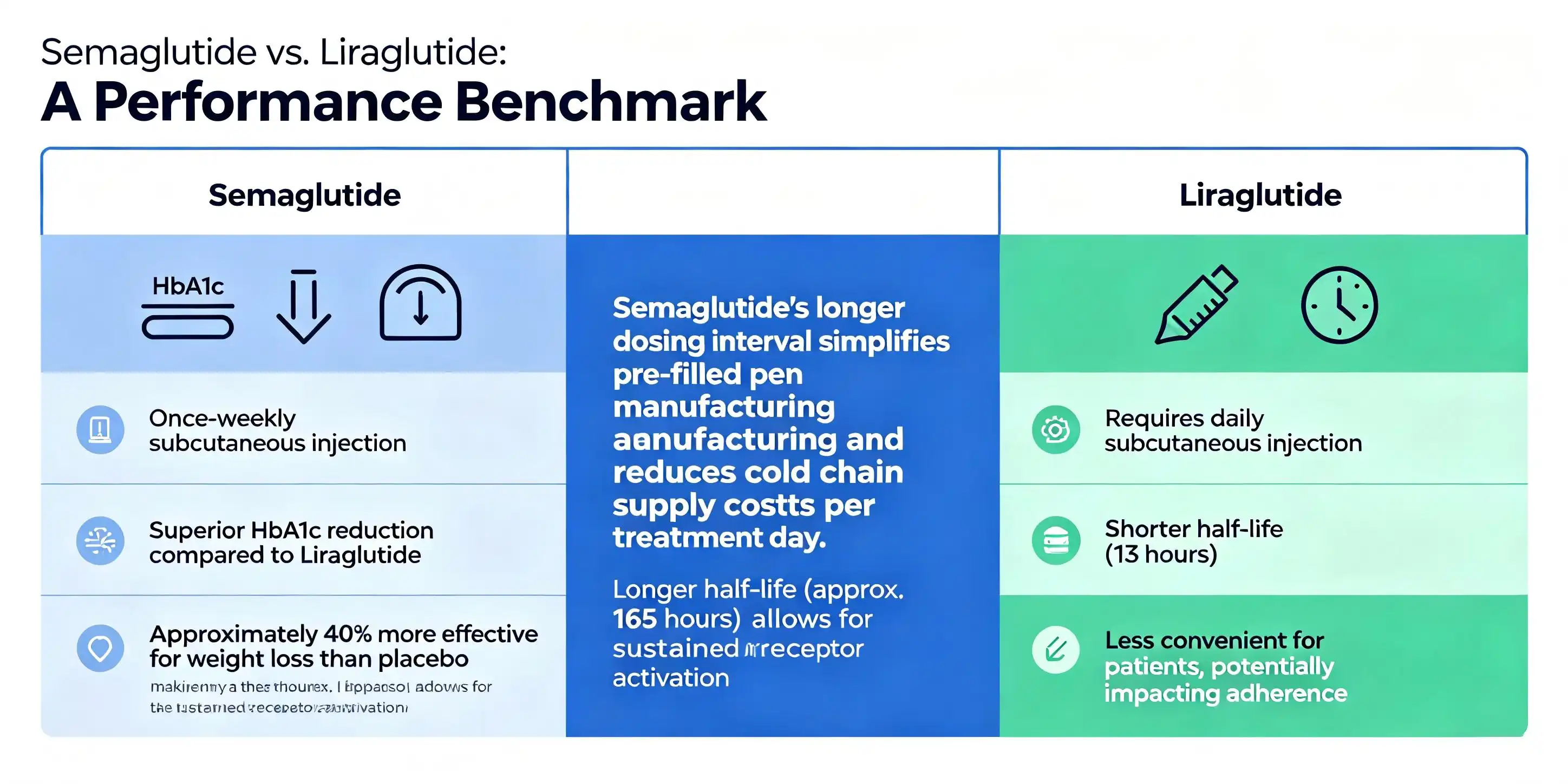
Liraglutide, the GLP-1 counterpart from the previous version, needs to be injected under the skin every day because its half-life is 13 hours. Head-to-head clinical studies show that once-weekly semaglutide lowers HbA1c levels more effectively than daily liraglutide. This is because once-weekly semaglutide receptor activation is more constant, with no trough times. At the same lengths of treatment, semaglutide is about 40% more likely to help people lose weight than placebo. From a purchasing point of view, the longer dosing period makes it easier to make pre-filled pen devices and lowers the cost of cold chain supplies per treatment day. Because of these things, semaglutide raw material is the best choice for businesses that want to gain a competitive edge in the diabetes and obesity markets.
Injectable Versus Oral Formulation Considerations
Subcutaneous injection is still the most common way to give drugs because it has known pharmacokinetics and doesn't go through first-pass hepatic metabolism. Oral versions that use SNAC co-formulation achieve about 1% absorption and get rid of the problems that come with injections for people who don't like needles.
When manufacturers choose the specs for semaglutide raw powder, they have to think about these pros and cons because oral growth needs more excipients and more complicated testing methods for dissolution. Oral pills can be stored at room temperature, but injectable solutions need to be kept cold all the time. This affects the total cost of goods and market access in places that don't have a lot of cold chain facilities.
Supplier Quality Assessment Criteria
When purchasing semaglutide raw powder, teams should make sure that the purity level is at least 98 percent using HPLC, and they should also do thorough impurity analysis to tell the difference between des-amino analogs and oxidation products. Mass spectrometry proof of the 4,113.64 Da molecular weight keeps the batch from getting messed up by shortened sequences. A net peptide content (NPC) study that takes into account leftover water, acetate counterions, and residual solvents makes sure that dose estimates are correct while the formulation is being made.
Regulatory standards like GMP compliance, ISO 9001 quality management systems, and Drug Master Files (DMF) make it easier for final goods to get approved. When going from small amounts for study to large amounts for business, batch-to-batch consistency is very important. This is why seller production capacity and clear quality paperwork are very important when choosing a supplier.
Procurement Guide for Semaglutide Raw Powder: What B2B Buyers Need to Know
Pharmaceutical companies and CRO/CDMOs around the world that need to get peptide APIs face unique problems with technology requirements, following regulations, and keeping the supply going.
Geographic Supply Considerations and MOQ Requirements
The global market for peptide synthesis is dominated by Chinese companies that offer affordable prices while still meeting international quality standards. This is shown by Xi'an Yihui Bio-technology Co., Ltd., which can handle both small-scale study projects and large-scale business production needs with minimum order quantities as low as 1 gram.
The monthly supply capacity of up to 5,000 grams is enough for medium-sized pharmaceutical businesses to get their work done, and it still leaves room for special synthesis requests. Payment terms usually include T/T, LC, or DA agreements, and samples are available so that analytical checks can be made before agreeing to bulk sales. Keeping a collection on hand helps keep delivery times down; for regular customers, in-stock items ship within 48 hours of order confirmation.
Storage and Stability Management
To keep its 24-month shelf life, the lyophilized powder needs to be kept in a refrigerator between 2°C and 8°C. Changes in temperature during foreign shipping are the main cause of degradation, so there needs to be a set of approved cold chain methods for monitoring temperatures all the time. Buyers should list any shipping needs, such as insulated cases, gel ice packs, or dry ice, based on how long the trip will take and what the weather will be like at the location.
When received, putting it right away in temperature-controlled storage stops condensation-induced clumping that hurts the ability to reconstitute. Formulation scientists should be aware that bad storage raises the amounts of impurities that can be found using HPLC analysis. This could mean that batches need to be rejected, which would delay production plans.
Due Diligence Through Sample Testing
It is still common practice in peptide buying to ask for analytical samples before making big purchases. Sample amounts between 100 and 500 milligrams allow for a wide range of analytical tests, such as HPLC purity determination, mass spectrometry molecular weight proof, and amino acid analysis for peptide content estimate. Verification by a third-party lab gives you extra peace of mind when you're looking at new sources or production runs that are very important for quality.
The testing procedures should check for any remaining trifluoroacetic acid because values above 1% mean that the product has not been fully purified and could be harmful to cells for injection uses. Endotoxin testing with LAL tests is required for materials that are going to be used in parenteral products. Usually, less than 10 EU/mg is needed to keep pyrogenic reactions from happening during clinical use. The thorough method used to evaluate suppliers includes more than just checking the quality at first. It also includes managing the relationship with the supplier over time.
Long-term supply deals for semaglutide raw powder are good for everyone because they make sure that production capacity is allocated during times of high demand and give manufacturers stable pricing systems that help them plan their finances. Regulatory support, such as Certificate of Analysis (COA) paperwork, stability data, and help with preparing the DMF, speeds up regulatory applications and lowers the risk of missing the approval deadline. In the competitive market for pharmaceutical raw materials, these relationship factors set strategic suppliers apart from transactional vendors.
Safety, Side Effects, and Regulatory Aspects of Semaglutide Raw Powder
Manufacturers working on GLP-1-based medicines have to deal with complicated safety ratings and rules for peptide APIs.
Clinical Safety Profile and Mitigation Strategies
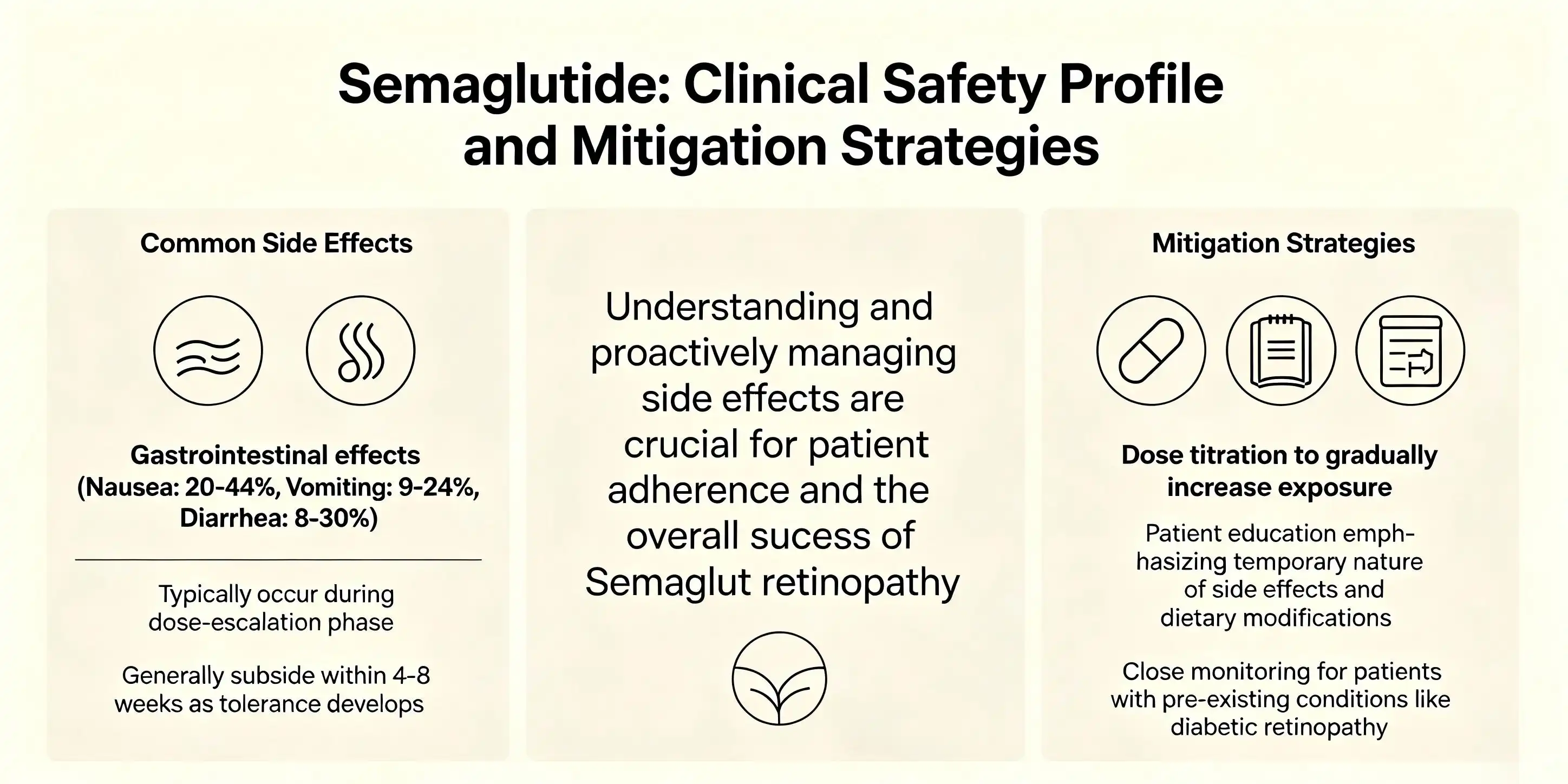
The most common side effects are digestive problems. During dose-escalation stages, 20 to 44 percent of patients will feel sick, 9 to 24 percent will vomit, and 8 to 30 percent will have diarrhea, based on the final maintenance dose. These effects are directly linked to delayed stomach emptying, and they usually go away after 4 to 8 weeks as the body gets used to them. To deal with tolerability, formulation scientists can use dose titration plans that gradually increase exposure. This lets receptors become less sensitive without affecting the treatment goals.
Real-life adherence rates are even higher when patient teaching tools stress that the treatment is only temporary and that food changes are needed. Rare but dangerous risk includes pancreatitis, which has been found through post-marketing monitoring to have an incidence rate below 0.5%. In some places, this means that black box warnings must be given. Thyroid C-cell tumors seen in rat carcinogenicity studies led to warnings against treating people who have a personal or family history of medullary thyroid carcinoma, but human epidemiological evidence is still positive.
Problems with diabetic retinopathy showed up in situations with quick glucose control, suggesting that patients who already have retinopathy should be closely watched. When quality managers make plans to lower risks, they should include these results in clinical development strategies and pharmacovigilance systems.
Regulatory Certification Requirements
If you want to make an injectable formulation with pharmaceutical-grade peptide raw powder, you need to get GMP manufacturing approval. This shows that the production environment is controlled, the testing methods are proven, and the quality systems are written down. When you register with the FDA, you can file a DMF, which speeds up the process of applying for a new drug by giving regulatory officials private information about how the drug was made. In order to sell products in Europe, you have to follow EMA rules, which include getting CEP certification for active ingredients.
Other regional certifications, like Korea's MFDS approval, make it easier to get into those markets. Getting ISO 9001 quality management certification shows that a company is dedicated to consistent processes and constant growth, which is something that purchasing teams at big pharmaceutical companies are expecting more and more.
Clinical Trial Evidence Supporting Regulatory Approvals
Over 10,000 people from a wide range of age groups and disease severity levels took part in the SUSTAIN clinical trial program, which was made up of eight Phase III studies. SUSTAIN 6 especially looked at cardiovascular results and found that the treatment was not worse than a placebo, with a trend toward fewer big adverse cardiovascular events. These results meet the standards set by regulators for diabetes medicines and back up claims on the label that say more.
The STEP study series that looked at obesity causes showed that weight loss varied by dose, with the highest weight loss (15–17%) seen at the 2.4 mg weekly dose. These results set standards for how well the drug should work in the market. When manufacturers use this clinical proof to help them make new medicines, they can use well-known safety databases that lower the risks of research and speed up the approval process. The regulatory paths for biosimilar and original tactics are very different.
When submitting an IND, innovator companies working on new formulations or delivery methods can use written literature and trial data that is available to the public, but they can keep the details of their formulations secret. For biosimilar makers, there are stricter rules that they have to follow. These include analytical comparison studies, pharmacokinetic equivalence trials, and possibly immunogenicity tests based on how the structure has been changed. Understanding these legal details helps buyers make choices about what raw materials to buy and what kind of paperwork suppliers must provide for quality control.
Conclusion
The time it takes for semaglutide raw powder to work as medicine is based on complex molecular engineering that finds a balance between quick action and long-lasting effects. Glycemic changes happen within days, and weight loss starts to show after a few weeks. The treatment is most effective during the third to fourth month of regular use. These pharmacokinetic features have a direct effect on how clinical trials are planned, how patients are counseled, and how drug companies place their products in the market.
When purchasing peptide APIs, procurement workers need to look at more than just the unit price. They need to also look at the quality systems of the suppliers, the paperwork that shows they are following the rules, and how reliable the supply chain is. Because peptide synthesis is so technical, it needs to be carefully checked by analysts and ongoing relationship management with suppliers to make sure that stability from batch to batch throughout the lifecycle of the product. Strategic relationships with makers who have a lot of experience give businesses a competitive edge by giving them technical support, help with regulations, and assurances of production capacity during times when the market is growing.
FAQ
How quickly does semaglutide formulation show results in clinical applications?
Within 3 to 5 days of the first dose, blood glucose levels start to drop, which means that receptors are immediately activated and insulin production is increased. After 4 weeks of weekly doses, there is statistically significant increase in HbA1c levels. Around week 4, people usually start to notice they are losing weight, and the fastest weight loss happens between weeks 8 and 20. Manufacturers should let patients know that the full therapeutic effects take 12 to 16 weeks of constant dosing. This will make sure that patients' hopes are in line with the reality of pharmacodynamics.
What quality certifications should procurement teams prioritize when sourcing peptide raw materials?
GMP certification is still needed for pharmaceutical-grade products, which makes sure that the production environment is managed and that processes are tested. Getting ISO 9001 shows that a company can handle quality. Formulation problems can be avoided with HPLC purity certificates that are higher than 98 percent and include thorough impurity profiles. Mass spectrometry proof and endotoxin tests (LAL assay readings below 10 EU/mg) finish off the necessary analytical paperwork. During the product creation and approval processes, suppliers who offer DMF help and regulatory consultation are more useful.
Can raw powder be directly converted to oral formulations?
For oral bioavailability, peptide APIs need complicated formulation methods. Native peptides break down quickly in the stomach and don't pass through the intestines easily. Oral versions that work well use penetration enhancers like SNAC (salcaprozate sodium) and require specific ways to be administered, such as while fasting. The bioavailability is only about 1%, compared to 89% for a subcutaneous shot, so the amount needs to be changed. Manufacturers who want to use oral delivery should plan for more development time and higher costs for getting the ingredients compared to standard injectable formulas.
Partner with Xi'an Yihui for Reliable Semaglutide Raw Powder Supply
Xi'an Yihui Bio-technology Co., Ltd. is a reliable source of semaglutide raw powder for research institutions, pharmaceutical companies, and CRO/CDMOs in North America, Europe, and the Asia-Pacific region. Our GMP-certified factory consistently produces products that are 99 percent pure, which can be seen in the detailed COA paperwork that includes HPLC chromatograms, mass spectrometry data, and endotoxin testing results. We can meet the needs of both early-stage study projects and large-scale manufacturing companies.
Our base order quantities start at just 1 gram, and we can produce up to 5,000 grams per month. Our competitive benefits include keeping an accurate inventory that lets us ship in-stock items quickly, offering flexible payment terms that work with foreign purchasing processes, and giving free samples for analysis before committing to a large order. Supply chain risks and inventory management problems are cut down by stability data that confirms a 24-month shelf life when stored properly in the fridge. In addition to providing raw materials, our expert team also offers regulatory support, such as help with preparing DMF and custom synthesis advice for secret peptide sequences. Contact us at sales@yihuipharm.com to learn about products.
References
1. Marso SP, Bain SC, Consoli A, et al. Semaglutide and cardiovascular outcomes in patients with type 2 diabetes. New England Journal of Medicine. 2016;375(19):1834-1844.
2. Wilding JPH, Batterham RL, Calanna S, et al. Once-weekly semaglutide in adults with overweight or obesity. New England Journal of Medicine. 2021;384(11):989-1002.
3. Sorli C, Harashima SI, Tsoukas GM, et al. Efficacy and safety of once-weekly semaglutide monotherapy versus placebo in patients with type 2 diabetes (SUSTAIN 1): a double-blind, randomised, placebo-controlled, parallel-group, multinational, multicentre phase 3a trial. Lancet Diabetes & Endocrinology. 2017;5(4):251-260.
4. Nauck MA, Quast DR, Wefers J, Meier JJ. GLP-1 receptor agonists in the treatment of type 2 diabetes: state-of-the-art. Molecular Metabolism. 2021;46:101102.
5. Lau J, Bloch P, Schaffer L, et al. Discovery of the once-weekly glucagon-like peptide-1 (GLP-1) analogue semaglutide. Journal of Medicinal Chemistry. 2015;58(18):7370-7380.
6. Davies M, Pieber TR, Hartoft-Nielsen ML, Hansen OKH, Jabbour S, Rosenstock J. Effect of oral semaglutide compared with placebo and subcutaneous semaglutide on glycemic control in patients with type 2 diabetes: a randomized clinical trial. Journal of the American Medical Association. 2017;318(15):1460-1470.

Send Inquiry
You may like
Related Industry Knowledge