
Does octreotide cause weight gain?
Weight changes represent a genuine concern for patients and healthcare providers managing conditions like acromegaly or neuroendocrine tumors. Clinical data reveals that Octreotide Acetate powder, when formulated into therapeutic agents, typically does not induce significant weight gain as a primary side effect. Studies tracking patients receiving octreotide therapy demonstrate that the synthetic peptide (CAS: 83150-76-9) primarily functions as a somatostatin analog, suppressing growth hormone and insulin secretion without directly triggering adipose tissue accumulation. Most documented weight fluctuations stem from metabolic adjustments or improved symptom control rather than the peptide itself causing mass increase.
Understanding Octreotide Acetate Powder and Its Uses
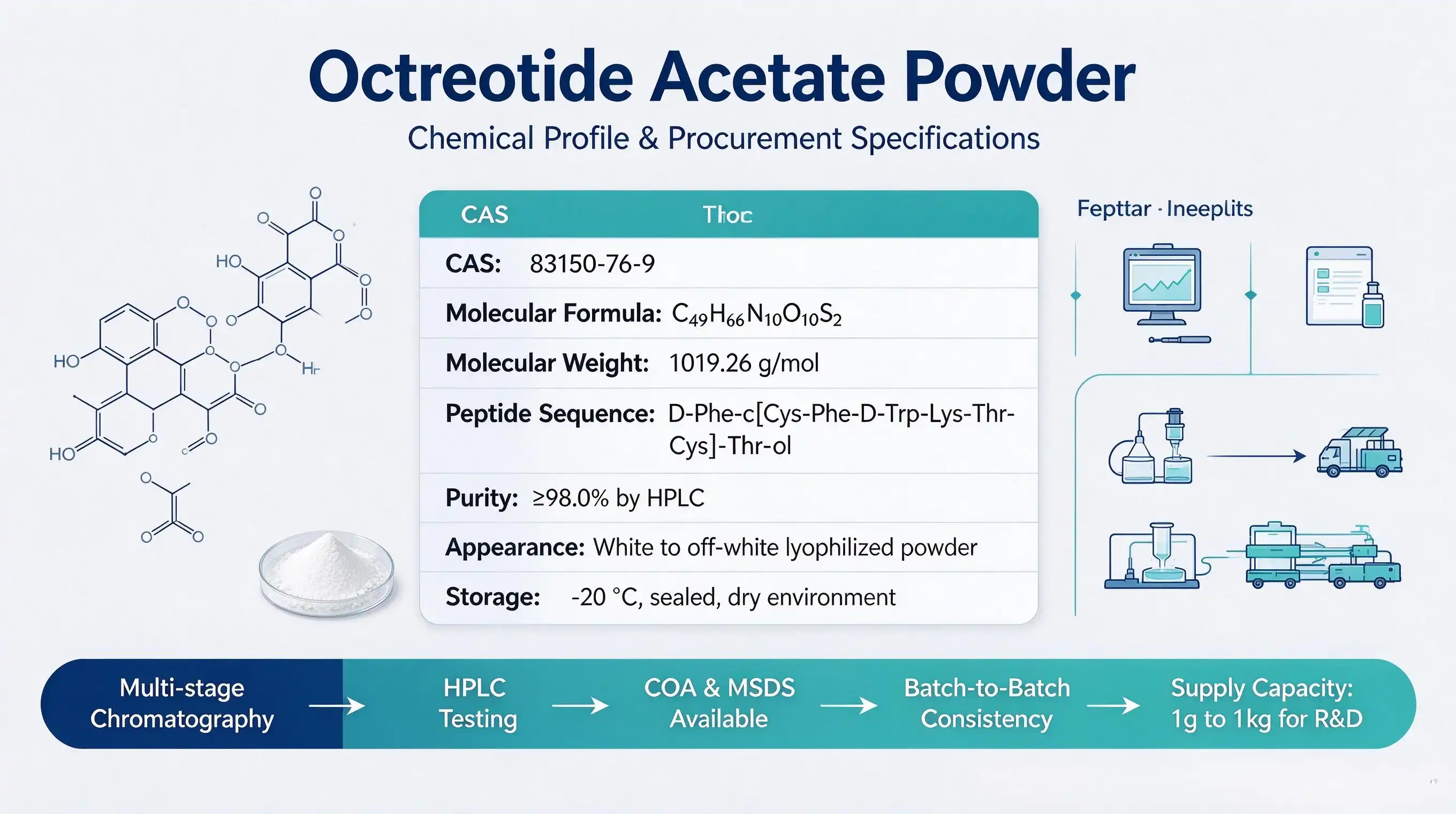
The molecular formula for Octreotide Acetate powder is C₄₉H₆₆N₁₀O₁₀S₂, and its molecular weight is 1019.26 g/mol. It is a type of pharmaceutical-grade peptide. Pharmaceutical companies use this man-made octapeptide analog as an active ingredient in medicines that treat a number of endocrine disorders and some types of cancer. The peptide sequence D-Phe-c[Cys-Phe-D-Trp-Lys-Thr-Cys]-Thr-ol is similar to natural somatostatin, but it has a much longer half-life and better receptor binding properties.
Chemical Profile and Pharmaceutical Grade Standards
When procurement teams look at Octreotide Acetate powder sources, they put an emphasis on meeting strict legal requirements for purity. Advanced technologies, such as multi-stage chromatography, are used to make sure that high-quality Octreotide Acetate powder is at least 98.0% pure.
Manufacturing facilities that follow ISO9001 and ISO14001 standards keep an eye on important factors like the levels of heavy metal contamination, residual solvents, and bacterial endotoxin. Each batch of products goes through strict HPLC testing, and full analytical reports are sent with them. These reports include Certificates of Analysis (COA), MSDS safety data, and stable profiles.
The powder should look white to off-white to show that it has been properly lyophilized. It can be stored at -20°C in a sealed, moisture-protected area for long periods of time without losing its molecular structure. These exact requirements are needed to make sure that formulation results can be repeated and that legal requirements are met by R&D teams working on peptide-based medicines.
Mechanism of Action in Hormone Regulation
Octreotide Acetate powder works by attaching to somatostatin receptors, mainly subtypes 2, 3, and 5, which are found in the pancreas, the pituitary gland, and the digestive system. When this receptor is activated, it stops growth hormone, insulin, glucagon, and other digestive peptides from being released. The therapy cascade stops the signs of carcinoid syndrome and stops secretory diarrhea in people with neuroendocrine tumors. It also stops the production of too many hormones that cause acromegaly.
Unlike endogenous somatostatin, which breaks down in minutes, Octreotide Acetate powder stays therapeutic for several hours, which makes dose plans more useful. This long-lasting effect is used in clinical settings to study neuroendocrine systems, hormone regulation, peptide drug development, gastrointestinal systems, and tumors.
Typical Dosages and Usage Guidelines
Octreotide Acetate powder is usually started as a 50–100 mcg dose, injected under the skin two to three times a day. The dose is then changed based on how well the patient responds and the hormone levels are being monitored. Long-acting versions may allow dosing to be spread out over a month, which can help patients stick to their treatment plans. When buying Octreotide Acetate powder for study purposes, procurement teams can order as little as 1g or as much as 100g or 1 kg at a time, based on the size of the project and the rules for the experiments.
These patterns of use affect how things are bought, because researchers need a variety of packaging options and the ability to repeat results from one batch to the next. When drug designers are making new somatostatin analogs, they compare their compounds to Octreotide Acetate powder's known safety and pharmacokinetic profiles.
Exploring the Relationship Between Octreotide and Weight Gain
Exploring the link between Octreotide Acetate powder and weight gain requires an analysis of clinical evidence and physiological responses.
Clinical Evidence on Body Weight Impact
When Octreotide Acetate powder therapy is looked at across various patient groups, meta-analyses show that weight change trends are not all the same. Patients with acromegaly often lose a small amount of weight during treatment. This is because their growth hormone levels return to normal and they retain less fluid, not because Octreotide Acetate powder itself causes them to lose weight. On the other hand, people with carcinoid syndrome may be able to keep their weight stable after starting treatment because their diarrhea and malabsorption may get better.
Large clinical trials that kept track of side effects found that weight gain happened at rates below 5% of people who were treated with Octreotide Acetate powder, which is statistically the same as in placebo groups. This body of evidence reassures procurement managers looking at peptide suppliers that Octreotide Acetate powder that is made correctly keeps its therapeutic profile without causing any unexpected changes in metabolism. When checking if new batches of peptides meet set standards, quality assurance teams look at these biological traits.
Direct Pharmacological Effects Versus Secondary Influences
For correct risk assessment, it is still important to be able to tell the difference between primary drug effects and secondary metabolic effects. Octreotide Acetate powder's main effect is to stop hormones from being released, which does not increase lipogenesis or change the way adipocytes work in ways that make fat storage more likely. But the peptide lowers the release of insulin and glucagon, which could change how glucose is used and how energy is stored.
As gastrointestinal symptoms go away, some patients' appetites and ability to absorb nutrients get better, which can lead to weight normalization instead of weight gain that isn't healthy. These side effects aren't bad drug responses; they're signs of good symptom control. Researchers can use controlled experiments to figure out these complicated relationships with the help of research-grade Octreotide Acetate powder that is used for metabolic studies.
Comparison with Other Somatostatin Analogs
Evaluating Octreotide Acetate powder against alternatives like lanreotide and pasireotide gives background for buying decisions. Comparative clinical studies show that Octreotide Acetate powder keeps metabolic profiles in good shape, with a lower rate of hyperglycemia than newer analogs like pasireotide. The weight-related side effect profiles of somatostatin analogs are not very different from one another, but how each patient reacts is different.
When weighing effectiveness, safety, and cost, procurement teams often choose Octreotide Acetate powder because it has been used in a lot of clinical trials and has known performance qualities. The established regulatory pathway and manufacturing expertise surrounding Octreotide Acetate powder reduce supply chain risks compared to emerging peptide therapeutics with limited production capacity.
Managing Weight and Side Effects During Octreotide Therapy
Common Gastrointestinal and Metabolic Side Effects
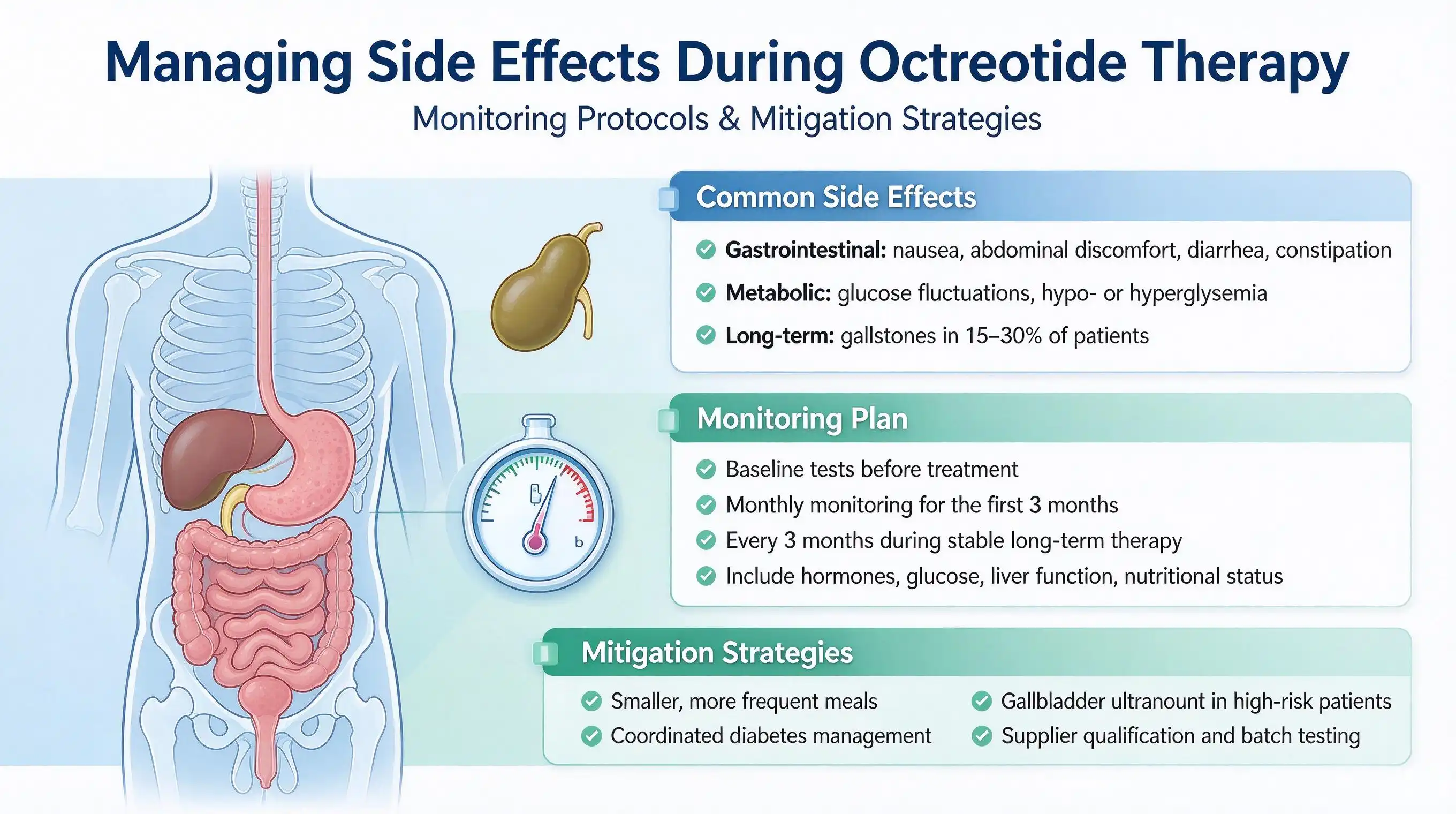
Gastrointestinal disturbances represent the most frequent Octreotide Acetate powder-related complaints, with 30-60% of patients reporting nausea, abdominal discomfort, diarrhea, or constipation during treatment initiation. Usually, these symptoms go away in two weeks as the body gets used to them. Metabolic effects include changes in how glucose is controlled, which can lead to either high or low blood sugar, based on how well the pancreas works and what other medicines are being taken at the same time.
Long-term therapy can cause gallstones to form in 15–30% of patients because of changes in the composition of bile and the gallbladder's ability to move. Regular ultrasound tracking lets doctors find problems early and treat them before they cause symptoms. Changes in weight during this managing time are more likely due to changes in the GI tract and metabolism than to direct effects of peptides on fat tissue.
Understanding these trends of side effects helps with buying strategies, since drug companies that make Octreotide Acetate powder products use ingredients and delivery systems that are meant to reduce stomach irritation and boost patient tolerance.
Monitoring Protocols and Mitigation Strategies
Full patient monitoring includes checking hormone levels, keeping an eye on glucose levels, doing liver function tests, and checking the patient's nutritional state. Setting baseline measurements before starting treatment gives you a way to compare changes and find ones that are significant. During the first three months, monitoring is done once a month to record acute adaptation responses. After that, monitoring is done every three months for stable long-term therapy.
One way to help with this is to change your diet so that you eat smaller meals more often to accommodate your stomach moving less easily. Coordinated diabetes control and possible insulin dose changes help people whose blood sugar levels aren't stable. Gallbladder surveillance standards say that high-risk people should get preventative care.
When quality assurance teams buy Octreotide Acetate powder, they know that stable formulations and uniform peptide purity have a direct effect on side effect profiles. Changes in peptide quality cause extra problems in the body, which shows how important it is to have strict procedures for approving suppliers and testing batches.
Case Studies in Effective Weight Management
A group of clinical case studies show that integrating care can help people manage weight. In a typical case, an acromegaly patient 52 years old dropped 8 kg during the first six months of Octreotide Acetate powder treatment. This was mostly due to less abnormal fluid retention and soft tissue swelling. During treatment, nutritional counseling and exercise plans helped patients keep their lean body mass.
In a different case, a person with carcinoid syndrome gained 5 kg after starting Octreotide Acetate powder. This showed that they were getting better after being malnourished because of constant diarrhea. This weight stabilization made life better and made it easier to handle treatment. These examples show how therapy can help stabilize the body's functions instead of causing unwanted weight changes.
When planning preclinical studies with high-purity Octreotide Acetate powder, research centers use these clinical findings. Biomarkers and testing methods are chosen based on what happens in the real world.
Considerations for Procuring Octreotide Acetate Powder
Supplier Evaluation and Quality Assurance
When setting up Octreotide Acetate powder supply chains, procurement managers give more weight to manufacturers that can show they have complete quality management systems. Some important certificates are ISO9001 for managing quality, GMP compliance for making medicines, and ISO14001 for managing the environment. As proof of their products' quality, suppliers should give a Certificate of Analysis with HPLC purity data, peptide sequence confirmation through mass spectrometry, and endotoxin testing results.
When judging a supplier's technical skills, you have to look at their knowledge of peptide synthesis, their purification technologies, and their analytical testing infrastructure. Manufacturers who keep separate facilities for making peptides reduce the risk of cross-contamination and make sure that each batch is the same. Long-term relationships with suppliers that offer technical help and the ability to make custom syntheses are strategically beneficial for companies that focus on R&D.
Xi'an Yihui Bio-technology Co., Ltd. is the kind of manufacturing excellence that procurement teams need. They keep strict quality standards in mind when they make pharmaceutical peptides. Established manufacturers offer the dependability that is necessary for pharmaceutical supply chains. They have been in business for more than 13 years and have sent goods to more than 100 countries.
Bulk Purchase Advantages and Cost-Effectiveness
Scaling up the amount of Octreotide Acetate powder bought can save you a lot of money and keep your stock going. The product comes in a variety of packages that can be used for different types of projects. These packages can hold 1g for study purposes, 100g for development purposes, or 1kg for business use. When you buy in bulk, the price per gram goes down by a lot. Pharmaceutical makers and CRO/CDMO organizations can gain competitive benefits from volume-based pricing models.
When figuring out cost-effectiveness, you need to look at both price and quality. Lower-purity peptides that need more steps to be cleaned up or give mixed research results will eventually make the job cost more. Instead of just looking at the initial purchase price, procurement strategies that optimize the quality-cost balance focus on how reliable the supplier is, how complete the analytical documentation is, and how long the product will be available.
Strategic buyers negotiate framework agreements that set stable prices, ensured supply allocations, and prioritized production schedules. These agreements protect the supply chain, which is important for keeping to schedules for pharmaceutical development and planning commercial production.
Storage and Shipping Guidance for Product Stability
Keeping the purity of Octreotide Acetate powder while it is being shipped needs controlled storage conditions and special shipping procedures. The peptide stays stable when kept at -20°C in containers that are tightly sealed and keep out light and moisture. Desiccants and light-blocking materials used in packaging methods keep the quality of peptides even after being stored for years at a time.
Protocols for shipping use cold chain logistics and keep an eye on the temperature while it's in transit. International packages using dry ice keep things frozen, while overnight deliveries may use protected boxes with gel ice packs for short-term transport. Shipments come with paperwork like storage instructions, a Certificate of Analysis, and Material Safety Data Sheets that let facilities that receive them start using the right handling methods as soon as they arrive.
When coordinating international peptide shipments, procurement teams have to deal with regulatory paperwork like customs declarations and import permits that are specific to pharmaceutical materials. Experienced sellers offer full shipping support, taking care of complicated processes and making sure that all target countries follow the rules.
Comparing Octreotide Acetate Powder Brands and Formulations
Branded Products Versus Generic Alternatives
Novartis made Sandostatin, which was the first named formulation. It laid the clinical groundwork for somatostatin analog treatment. When generic Octreotide Acetate powder products hit the market after the patent runs out, they are cheaper while still meeting the bioequivalence standards set by regulators. When deciding between branded and generic options, procurement decisions have to weigh cost against clinical familiarity and established formulary positioning.
Generic drug companies have to show that their products are pharmaceutically equivalent by doing thorough lab tests and bioequivalence studies that show the drugs' biological profiles are similar. Brand differences don't matter as much when buying raw materials as manufacturing quality and analytical confirmation do. High-purity Octreotide Acetate powder that meets pharmaceutical standards works the same no matter what name of seller it comes from, as long as quality paperwork backs up the specs.
To follow the rules for all formulations, you need a lot of paperwork, like Drug Master Files for API makers and validation data to show that the formulation is stable. Before setting up a supply relationship, procurement teams that do source checks make sure that these compliance elements are met.
Formulation Types and Their Clinical Relevance
Octreotide Acetate powder comes in a variety of forms, including subcutaneous injections that work right away, long-acting microsphere suspensions that are injected into the muscle, and research-grade powders that are used in the lab. Each type of formulation meets a different set of clinical needs and patient preferences. Instant-release medicines help control symptoms quickly and let you change the dose as needed. Long-acting medicines lower the number of times you need to inject them and make it easier to stick to your treatment plan.
Researchers can use Octreotide Acetate powder in a variety of ways to make custom formulations, test out new delivery systems, and do mechanistic studies. Powder types are versatile and can be used for a wide range of experiments, such as studying stability, testing receptor binding, and studying cell growth. Choice is affected by how well patients stick to their plans; for example, monthly long-acting injections are easier for patients to handle than multiple daily administrations.
User Feedback and Effectiveness Comparisons
When making decisions about what to buy, clinical research and patient reports of results are very helpful. Biochemical markers, such as growth hormone levels, IGF-1 concentrations, and symptom scoring systems, show that Octreotide Acetate powder meets therapeutic goals in 60–90% of patients across all approved indications. Injection site comfort, speed of symptom relief, and quality of life changes are all important parts of patient happiness studies.
When you compare effectiveness data across formulations, you can see that there aren't many differences as long as equivalent doses have similar pharmacokinetic exposures. Users' choices are usually based on how easy it is to administer the drug and how well they can handle its side effects. When research institutions look at peptide suppliers, they look at what users say about how responsive technical support is, how good the documentation is, and how reliable delivery is.
Conclusion
Octreotide Acetate powder therapy has a good weight profile, and clinical evidence shows that the peptide doesn't make people gain a lot of weight as its main effect. During treatment, changes in weight are usually due to metabolic normalization and the disappearance of symptoms, not bad drug reactions. When purchasing Octreotide Acetate powder for pharmaceutical production, study purposes, or therapeutic development, it is helpful for procurement workers to know about these clinical characteristics in addition to technical specifications and quality standards.
To make sure a project goes well, choose suppliers that offer pharmaceutical-grade peptides with full analytical documentation, proven manufacturing expertise, and reliable supply chain capabilities. Because Octreotide Acetate powder is so important for treating neuroendocrine diseases and moving forward research into peptide therapeutics, it's important to work with reputable producers who can provide consistent quality and technical support.
FAQ
How common is weight gain as an octreotide side effect?
According to statistics from clinical trials, weight gain happens in about 5% of people who take Octreotide Acetate powder, which is about the same rate as in control groups. Most people either keep their weight the same or lose a small amount of weight. People with acromegaly lose excessive fluid buildup. Changes in weight aren't always caused by peptides; they're caused by individual metabolic responses and how well a condition is managed.
How can I verify octreotide powder supplier quality?
To make sure the quality is good, you have to look at the supplier's ISO9001, GMP compliance, and pharmaceutical production licenses. Ask for Certificates of Analysis that include HPLC purity data, mass spectrometry confirmation of peptide sequence, and endotoxin testing results. Manufacturers with a good reputation keep their quality management systems open and clear, and they welcome audits from their suppliers. Getting to know expert peptide manufacturers is the best way to make sure that the standard of each batch is the same.
Does switching octreotide brands reduce side effects?
If formulation excipients are very different between brands, moving brands may change the side effect profiles. However, generic alternatives that are made correctly show bioequivalence to branded goods. GI side effects are usually caused by differences in how each person's body works, not by the brand itself. Talk to your healthcare provider before moving formulations, and make sure you stick to the same tracking schedules during the change. When buying raw materials, putting peptide purity and analytical proof at the top of the list makes sure that performance stays the same regardless of the supplier.
Partner with Xi'an Yihui for Premium Octreotide Acetate Powder Supply
Pharmaceutical-grade Octreotide Acetate powder made under strict quality standards is available from Xi'an Yihui Bio-technology Co., Ltd. to meet your needs for pharmaceutical peptides. Our production sites are ISO-certified and consistently deliver purity levels of 98.0% or higher. They also provide full analytical paperwork to support your regulatory compliance needs. From more than 100 countries, we serve pharmaceutical businesses, research schools, and CRO/CDMO organizations as a well-known Octreotide Acetate powder manufacturer with 13 years of experience in the field.
We keep a lot of stock on hand right away and offer a range of flexible packaging options, from 1g for research purposes to 1kg for production batches. This lets us ship quickly to meet tight project deadlines. Our competitive prices and volume-based discounts help you get the most for your money, and our technical team is here to help you with things like formula creation and transferring analytical methods.
You can talk to our professional customer service team at sales@yihuipharm.com about your specific needs, ask for Certificates of Analysis, or set up an evaluation of a sample. You can look at our full range of pharmaceutical peptides at yihuipharm.com and get the reliability you need for your research and production.
References
1. Melmed S, Casanueva FF, Hoffman AR, et al. "Diagnosis and treatment of hyperprolactinemia: an Endocrine Society clinical practice guideline." Journal of Clinical Endocrinology and Metabolism, 2011, 96(2):273-288.
2. Rubin J, Ajani J, Schirmer W, et al. "Octreotide acetate long-acting formulation versus open-label subcutaneous octreotide acetate in malignant carcinoid syndrome." Journal of Clinical Oncology, 1999, 17(2):600-606.
3. Colao A, Ferone D, Marzullo P, Lombardi G. "Systemic complications of acromegaly: epidemiology, pathogenesis, and management." Endocrine Reviews, 2004, 25(1):102-152.
4. Anthony L, Freda PU. "From somatostatin to octreotide LAR: evolution of a somatostatin analogue." Current Medical Research and Opinion, 2009, 25(12):2989-2999.
5. Bauer W, Briner U, Doepfner W, et al. "SMS 201-995: a very potent and selective octapeptide analogue of somatostatin with prolonged action." Life Sciences, 1982, 31(11):1133-1140.
6. Kvols LK, Oberg KE, O'Dorisio TM, et al. "Pasireotide (SOM230) shows efficacy and tolerability in the treatment of patients with advanced neuroendocrine tumors refractory or resistant to octreotide LAR: results from a phase II study." Endocrine-Related Cancer, 2012, 19(5):657-666.

Send Inquiry
You may like
Related Industry Knowledge