
Can you take berberine with tirzepatide
The short answer is yes—Berberine and Tirzepatide can usually be taken together as long as they are closely watched by a doctor. However, it is important to think carefully about how the two drugs will combine with each other. Both substances have an effect on metabolic processes that control glucose levels and weight. If someone is looking for bulk tirzepatide peptide for pharmaceutical development or clinical study, they need to look at not only how well the peptide works on its own, but also how well it works with other therapeutic drugs like Berberine. This information helps people make smart choices about formulating, planning clinical trials, and, finally, patient safety procedures.
Understanding Tirzepatide and Berberine
The Biochemical Profile of Tirzepatide
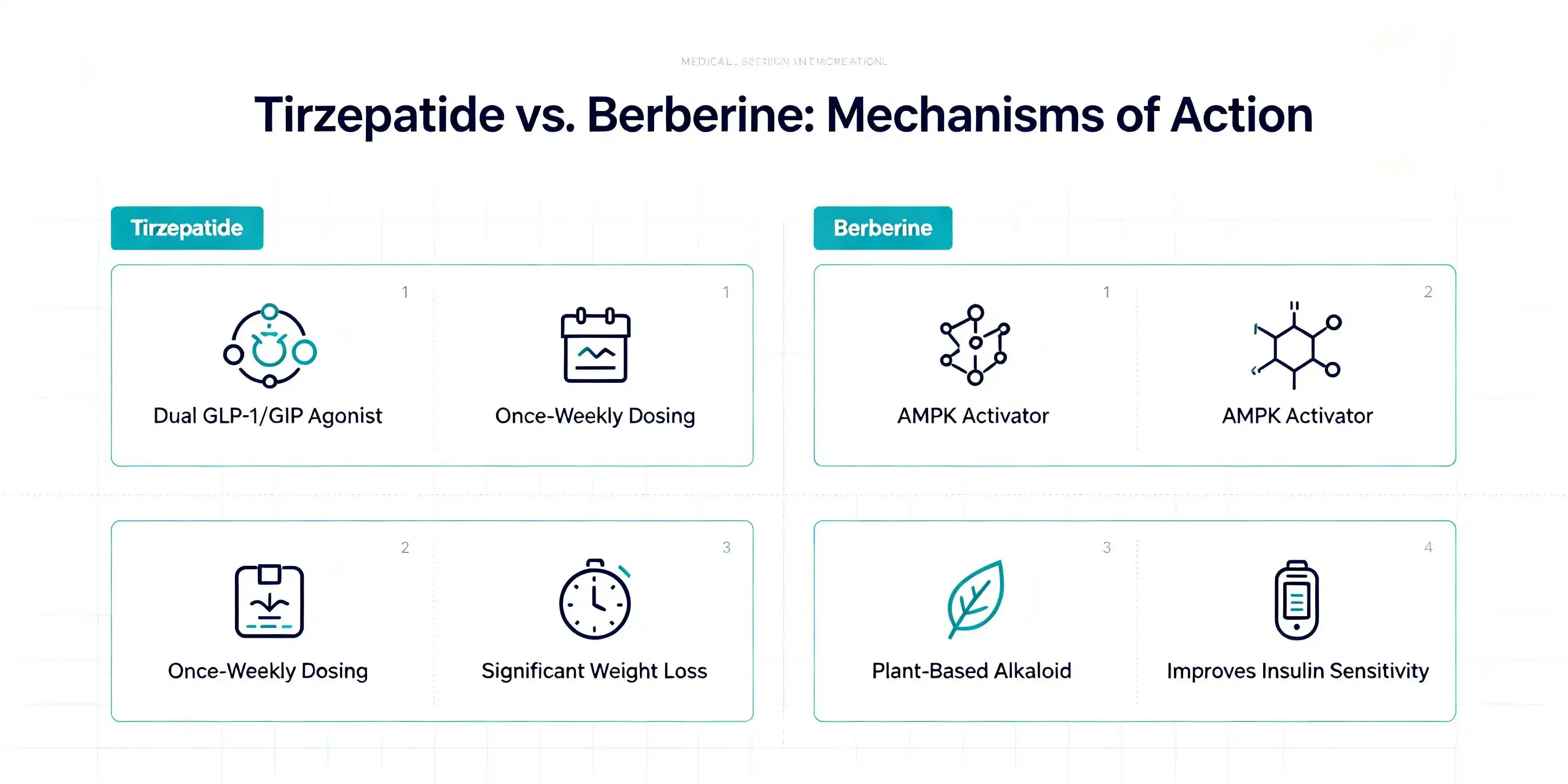
The discovery of Tirzepatide, a dual-agonist that targets both GLP-1 and GIP receptors, is a big step forward in peptide treatments. This manufactured peptide is made up of 39 amino acids (CAS: 2023788-19-2) and has a molecular weight of about 4813 Da. It is very good at controlling insulin release while stopping glucagon release. Unlike single-pathway drugs, Tirzepatide treats more than one aspect of metabolic failure at the same time. This makes it very useful for managing type 2 diabetes and treating obesity.
The structure of the peptide includes a C20 fatty diacid moiety, which increases its half-life and allows for dosing only once a week, which is very helpful for patient cooperation. Several clinical studies have shown that HbA1c levels and body weight drop significantly. In some cases, people lose more than 15% of their starting weight over long treatment periods.
Berberine's Role in Metabolic Health
There are several plant sources of Berberine, including Berberis species. Berberine is an alkaloid that comes from plants. This compound has been used in traditional treatment for hundreds of years, but current pharmacological study has only recently figured out how it works. AMPK is a cellular energy monitor that is turned on by Berberine. It affects how cells take in glucose, break down fats, and work the mitochondria.
Berberine has been shown to lower fasting blood sugar by 15 to 20% and make the body more sensitive to insulin in a number of ways. The chemical also changes the makeup of the bacteria in the gut, which may help explain how it affects metabolism. Typical daily doses are between 900 mg and 1500 mg, spread out over several doses to keep optimal plasma amounts.
When procurement workers, R&D teams, and quality assurance managers understand these basic traits, they have the technical background they need to evaluate combination therapy methods or create their own formulations.
Can You Safely Take Berberine with Bulk Tirzepatide Peptide?
Pharmacological Interactions and Synergistic Potential
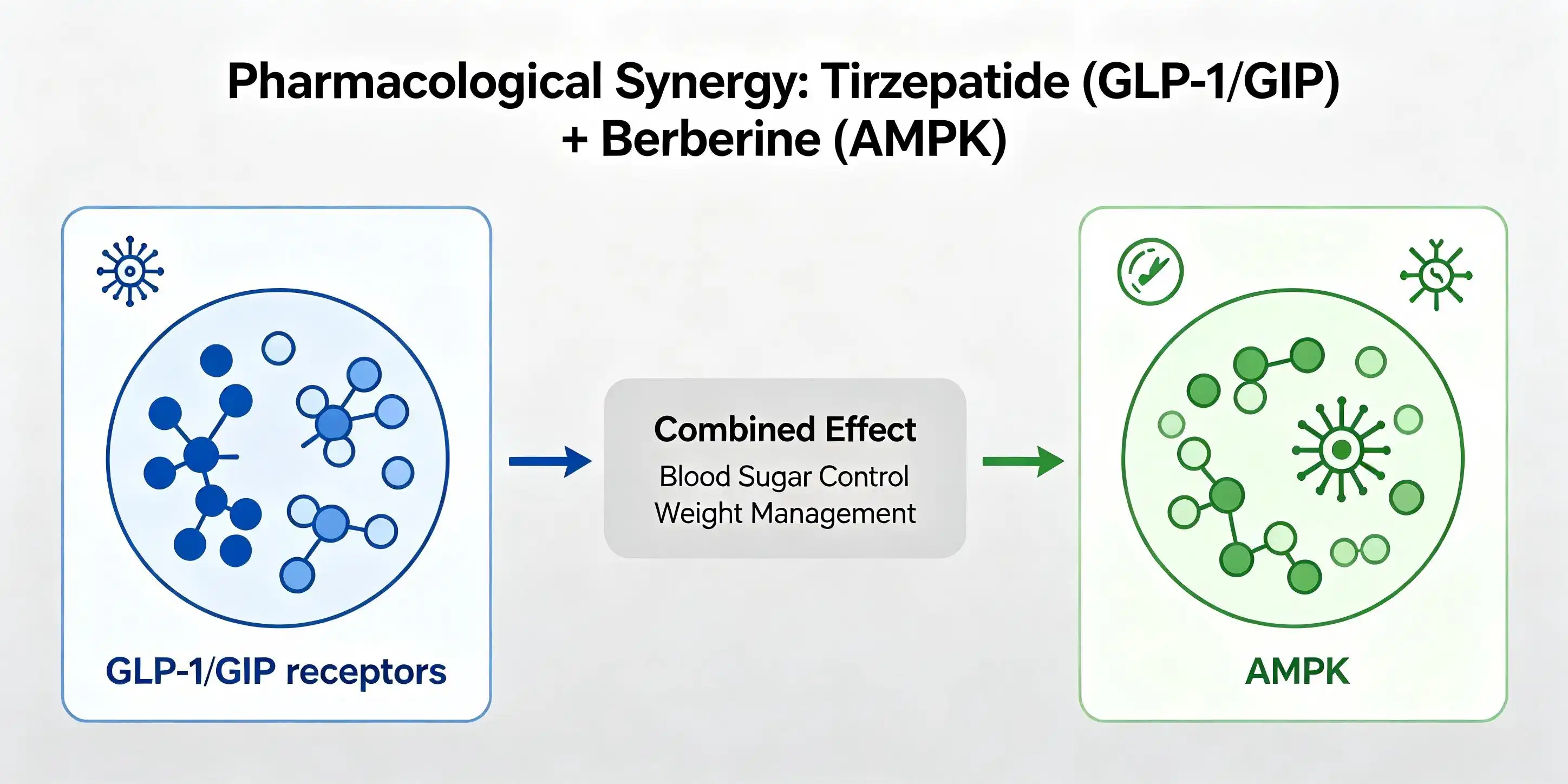
Using Berberine and Tirzepatide together is an interesting treatment option based on the idea that they work in ways that support each other. Tirzepatide mostly improves incretin signaling pathways, while Berberine starts metabolic processes that depend on AMPK. These different but related acts may work together to help control blood sugar and weight without directly affecting how the drugs are absorbed or released in the body.
Similar peptide-plant chemical combos have been studied in the lab and found to improve insulin sensitivity markers and lipid profiles compared to single-therapy methods. The idea behind the combination is that it comes from targeting both hormonal signals (Tirzepatide) and cellular energy metabolism (Berberine) at the same time, which makes the metabolic intervention more thorough.
Clinical Considerations and Safety Monitoring
Even though the mechanical reasoning seems hopeful, there are a few things that should be kept in mind. Berberine can change the activity of cytochrome P450 enzymes, which could change how different chemicals are broken down. However, Tirzepatide's peptide structure makes it less likely to interact with these liver enzymes. The main worry is that the effects on glucose levels could add up, which could raise the risk of hypoglycemia, especially in people who are taking insulin or sulfonylureas at the same time.
Doctors usually say to start Berberine at smaller amounts when it is mixed with peptide therapies and slowly increase the dose based on glucose monitoring data. Regular checks of blood glucose, post-meal readings, and HbA1c levels help make sure that therapy works without causing any problems.
Another thing to think about is the effects on the gastrointestinal system. During the beginning stages of treatment, both Tirzepatide and Berberine can make you feel sick, have diarrhea, or have stomach pain. When used together, these effects may be stronger, so patients need to be educated and managed in a way that is helpful.
Evidence-Based Recommendations for Combined Use
There isn't a lot of clinical research on this particular combo yet because most studies on Berberine have been on traditional diabetes drugs rather than new peptide treatments. Based on the data we have so far, combination methods should include the following protocols:
A full baseline evaluation that checks for kidney function, liver enzymes, and cardiovascular risk factors creates a safety base. Gradual exposure with delayed initiation—starting with one drug and then adding the second—helps figure out how well each person can handle it. Guidelines for ongoing tracking should keep an eye on both safety measures (like GI symptoms and liver function) and effectiveness markers (like blood sugar control and weight changes).
The pharmaceutical development point of view knows that business-to-business clients who need bulk tirzepatide peptide for formulation work or clinical trials need strict quality paperwork to back up these combination procedures. Data showing batch uniformity, pure levels above 98%, and full reports of analysis become necessary requirements for buying.
Bulk Tirzepatide Peptide in Diabetes and Weight Loss Management: Key Considerations
Comparative Analysis with Alternative Peptides
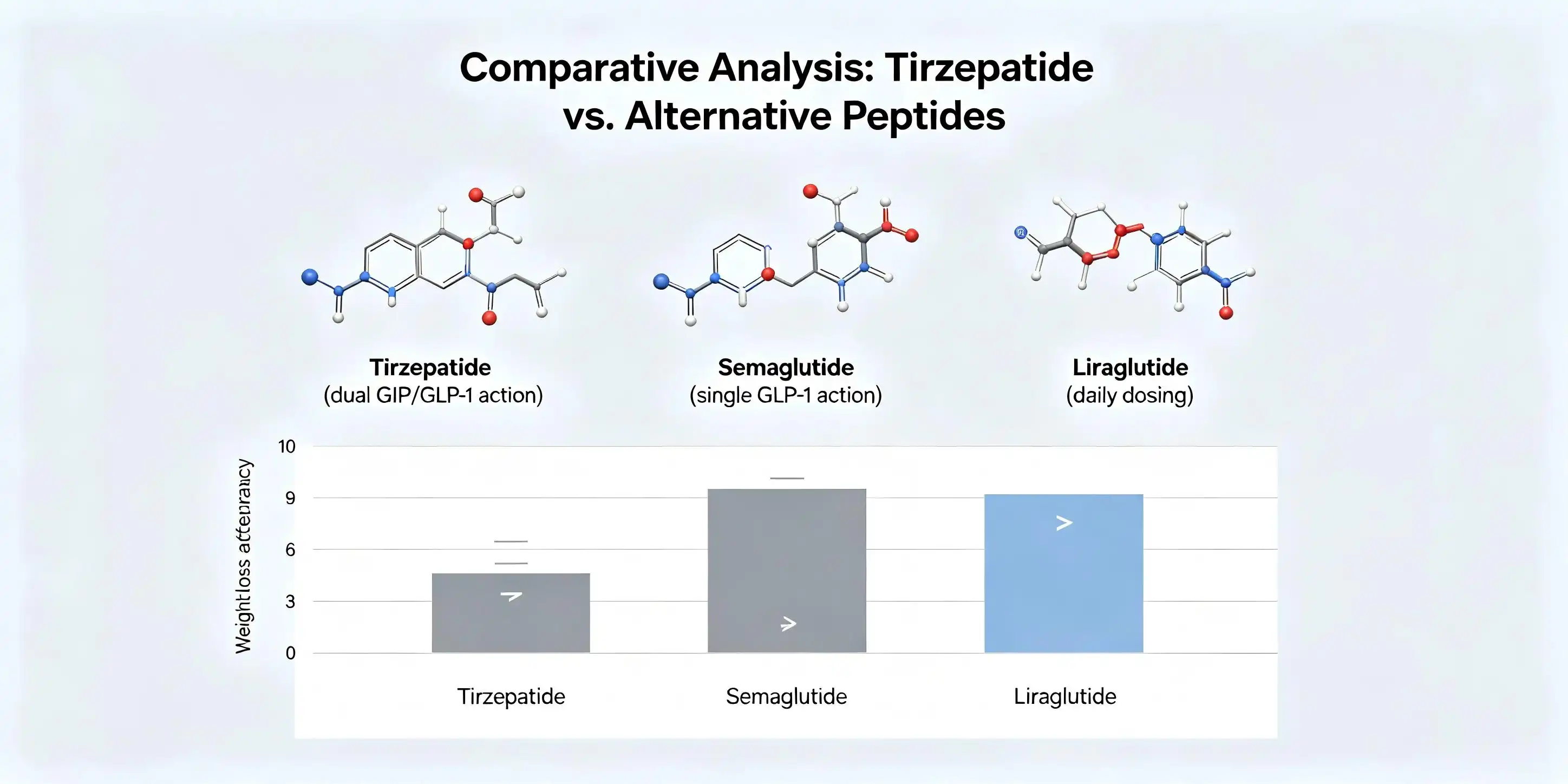
There are several glucagon-like peptide-1 receptor agonists in the peptide medicinal environment. Each has its own unique properties that are important for B2B purchasing decisions. Semaglutide, a GLP-1 selective agonist, helps people lose weight strongly, but it doesn't have the dual-receptor activity that makes Tirzepatide unique. Liraglutide has been shown to be good for the heart in large outcome studies, but it can be hard to remember to take it every day.
Tirzepatide's dual GIP/GLP-1 agonism leads to better weight loss results when compared to semaglutide. Clinical studies have shown that Tirzepatide causes about 5–7% more weight loss than semaglutide over similar treatment times. This advantage in effectiveness offers strong value arguments for drug companies working on weight loss or metabolic disease treatments.
Cost-effectiveness studies show that there are many things to think about. The high cost of bulk tirzepatide peptide is due to the complicated steps needed to make it (solid-phase peptide synthesis using modified amino acids and complex linker chemistry). However, the better effectiveness may make the higher price worth it in clinical trials aimed at people who are severely obese or diabetics who don't respond to treatment.
Supply Chain and Quality Assurance Factors
When procurement workers look at bulk tirzepatide peptide sources, they have to deal with a lot of different quality issues. The 39-amino acid sequence of the peptide needs careful control during synthesis, with a focus on coupling efficiency and side-chain safety methods. It's important to fully characterize impurity profiles because linked peptide sequences that are different by a single amino acid change or incomplete couplings can have an effect on both safety and effectiveness.
Making things on a large scale adds to the problems. For lab-scale synthesis, thorough processing may help get higher purity levels, but for commercial-scale output, throughput must be balanced with quality standards. Reliable providers show tested ways to increase purity to more than 98% (by HPLC) across production runs ranging from grams to kilograms.
Geographical sourcing weighs the importance of production know-how against the challenges of logistics. Chinese companies have gotten very good at synthesizing peptides, including bulk tirzepatide peptide, and can often offer reasonable prices thanks to their well-developed chemistry infrastructure. For pharmaceutical-grade uses, it is important that suppliers who care about quality provide full evidence that includes amino acid analysis, mass spectrometry confirmation, and endotoxin tests.
For research-grade materials, the minimum order quantity is usually between 1 and 5 grams. For business development projects, it is usually 100 grams or more. Xi'an Yihui Bio-technology keeps supplies in stock so that approved B2B customers can get them quickly (within 1 to 3 days), meeting the needs of research projects with tight deadlines or clinical trials that need supplies right away.
Procurement Guide: Sourcing Bulk Tirzepatide Peptide for B2B Clients
Evaluating Manufacturer Credentials and Certifications
Tough seller qualification is the first step to successful buying. ISO 9001 approval shows that a basic quality management system is being followed, but higher standards are needed for pharmaceutical uses. ISO 22000 is about managing food safety, which is important for nutritional uses, and HACCP certification is about being able to do danger analysis, which is important for keeping contamination under control.
Certifications based on religion or culture, like Halal and Kosher, make markets more accessible for global marketing strategies. These IDs need to be checked for compliance all the time, which is an indirect way of showing how disciplined operations are and how well paperwork is done.
In addition to licenses, professional skills should be carefully examined. Manufacturers should show that their analysis methods are valid for checking for stability, impurities, and purity. Regulatory support paperwork, such as the ability to prepare Drug Master Files (DMFs) or regulatory compliance statements, is very important for companies working with pharmaceutical development processes.
Location affects more than just cost; it also affects the safety of intellectual property, the security of the supply chain, and the level of development of regulations. Chinese production hubs offer lower costs and a history of peptide synthesis knowledge. However, if procurement teams are looking for facilities that meet international GMP standards for regulated pharmaceutical uses, they must make sure that the facilities are compliant.
Ordering Workflow and Transaction Security
The process of buying something usually goes through a few steps. The first question should include the level of purity needed, the amount needed, when it needs to be delivered, and what it will be used for (study or business development). Misalignment can be avoided by having clear documentation of analytical testing standards and detailed technical specs.
An important step in confirmation is evaluating the samples. Reliable sellers give out small amounts (10–100 mg) so that you can check them on your own before placing a large order. This method lowers the risk of quality problems because it lets purchasing teams check specs with outside labs if they need to.
Payment systems change based on how old the friendship is and how big the order is. Letters of credit (LC) or papers against acceptance (DA) terms are often used for first transactions. These terms protect both parties and make the transaction safe. Partnerships that are already in place can switch to telegraphic transfer (T/T) arrangements, which are cheaper and easier to set up.
Logistics planning takes into account both keeping products safe and following the rules. For long-term stability, bulk tirzepatide peptide needs to be shipped at a controlled temperature—usually frozen at -20°C or lower—with expert shippers (DHL, FedEx, TNT) that know how to handle the pharmaceutical cold chain. The description of goods must be correctly shown on customs documents so that they can be easily cleared at international borders.
Addressing Common Procurement Challenges
Real-life examples of buying show problems that keep coming up. Inconsistencies in quality between runs put formulation development timelines and the purity of clinical trials at risk. Some ways to reduce the risk are to set clear acceptance standards that include specific analytical methods, put in place review processes for certificates of analysis before materials are released, and build relationships with suppliers that put technical communication first.
Supply outages pose big problems for study projects or business production that are still going on. Dual-sourcing methods protect against factory disruptions or international problems, but they require more money to be spent on qualification. Strategic inventory management weighs the costs of keeping items against the safety of the supply chain. For example, important materials should have extras on hand even if it costs more.
As regulations change, careful tracking is needed. Changes to peptide classification, limits on importing and exporting, or changes to quality standards can all have an instant effect on source strategies. Partnering with suppliers who offer regulatory information and compliance advice as part of their services is good for procurement teams.
Practical Tips for Optimizing Use and Market Positioning of Bulk Tirzepatide Peptide
Educational Strategies for End-User Communication
To be successful in the market with combination therapies, there needs to be clear communication between the scientifically complicated and clinically useful parts. Formulation scientists, clinical researchers, and medical directors are some of the technical players who need thorough, mechanistic explanations backed up by peer-reviewed literature. In marketing papers, specific receptor binding affinities, pharmacokinetic factors, and clinical study results that show the drug is better than other choices should be included.
Different strategies are used in messaging that focus on patients, highlighting the useful benefits while still keeping the scientific integrity. The dual-action mechanism means "working through multiple pathways to control blood sugar and support weight loss." Safety messages should mention common side effects and explain why they usually go away on their own and how to deal with them.
When marketing Berberine combination methods, promises backed by proof and clinical data help the market accept them. Being open about the fact that certain combos are being studied upholds ethical standards and lets people know about the possibility for innovation.
Navigating Regulatory Compliance Across Markets
Regional governing systems make it hard to follow the rules. According to US FDA rules, peptides are biological products when they are meant to be used for therapeutic purposes. This means that they need to be submitted as an Investigational New Drug (IND) for clinical studies and a Biologics License Application (BLA) for marketing clearance. There are exceptions for research use for preliminary studies, but good paperwork is still needed.
The European Medicines Agency (EMA) oversees biological products in a way that is similar to medicines. This is done through a centralized approval process that lets all EU member states use the same license to get into the market. In some countries, national bodies may add extra rules about how to make something or how to record clinical information.
Asian markets have a wide range of legal settings. The National Medical Products Administration (NMPA) of China has updated the approval process, but there are still a lot of deadlines and paperwork that needs to be done. The Pharmaceuticals and Medical Devices Agency (PMDA) of Japan puts a lot of emphasis on quality by design and full production control demos.
Compliance plans need to take these differences between jurisdictions into account by consulting with regulators early on, putting in place the right quality system, and keeping thorough records. Suppliers that help with global marketing strategies give legal support services, factory paperwork packages, and stable data that is in line with ICH standards. These are all important ways to tell one supplier from another when you are looking to buy something.
The strategic goal goes beyond getting governmental approval and includes making sure the quality of the product throughout its entire lifecycle. Protocols for tracking stability should fit the planned storage conditions and shelf-life promises. Formulation optimization should be based on accelerated testing. Impurity trending analysis finds changes in the manufacturing process before they affect quality. This keeps research programs and business supply lines safe.
Conclusion
Combining Berberine and Tirzepatide therapy could lead to better control of metabolic diseases, thanks to processes that work together to affect different physiological pathways. When buying bulk tirzepatide peptide, procurement workers have to find a mix between what science says is possible and what is realistic for the supply chain. For example, they have to look at the quality of the suppliers, make sure they have the right paperwork for regulatory compliance, and set up reliable logistics frameworks. The complex needs for synthesizing the peptide mean that suppliers need to be carefully screened, and the drug's therapeutic potential means that strict sourcing input is needed. To be successful at commercialization, plans must combine technical skill in finding products with clear explanation of clinical benefits and a thorough understanding of how to navigate regulatory requirements across global markets.
FAQ
When I order bulk tirzepatide peptide, what purity level should I put in?
Reversed-phase high-performance liquid chromatography is usually used to measure purity levels higher than 98% for pharmaceutical research and clinical uses. For research purposes, slightly lower standards (95–98%) may work, but higher purity makes preparation work easier and lowers problems caused by impurities.
How does the security of Tirzepatide change the needs for sending and storing?
When kept at -20°C or lower, away from light and moisture, lyophilized Tirzepatide powder stays stable the best. This stops the deamidation and oxidation processes that break down the structure of peptides. The longest time that something should be exposed to room temperature while being shipped is 7–10 days. For foreign shipping, it is best to use refrigerated services.
Is it possible to get bulk tirzepatide peptide in a form other than trifluoroacetate salt?
Ion-exchange chromatography can change the peptide to acetate or hydrochloride salts if that's what the customer wants. Standard solid-phase peptide synthesis usually produces TFA salt forms. This change might be needed for some preparation methods or when the amount of TFA needs to be kept as low as possible for biological compatibility.
What paperwork should be sent with orders of bulk tirzepatide peptide?
A full set of quality records includes an analysis certificate with an HPLC chromatogram, mass spectrometry data showing molecular weight and sequence, amino acid analysis results, endotoxin testing reports, and leftover solvent analysis. Material safety data sheets and customs statements help keep things safe and in line with the rules.
Partner with Xi'an Yihui for Reliable Bulk Tirzepatide Peptide Supply
You can trust Xi'an Yihui Bio-technology as your bulk tirzepatide peptide source because they have been making APIs well for 13 years and can also make advanced peptides. Our Tirzepatide powder is manufactured to strict medicinal standards and is at least 98% pure, as confirmed by HPLC. It also comes with full quality paperwork, such as ISO9001, ISO22000, HACCP, Halal, and Kosher certifications, and is always in stock, so it can be delivered within one to three days for urgent projects.
We work with pharmaceutical makers, CRO/CDMO partners, cosmetic formulators, and research institutions in more than 100 countries. Each month, we can make up to 5 kilos of products, and we offer various payment terms (T/T, LC, DA). Our professional technical team is available 24 hours a day, seven days a week to help customers with difficult buying questions and to help you with legal issues as you grow.
Whether you need research-grade materials for early studies or GMP-compliant large amounts for clinical trials, Xi'an Yihui can give you the consistent quality and reliable supply your projects need. Get in touch with our sales team at sales@yihuipharm.com to talk about your bulk tirzepatide peptide needs, ask for certificates of analysis, or set up sample evaluation. Let us work together with you to bring about new metabolic health ideas.
References
1. Rosenstock J, Wysham C, Frías JP, et al. Efficacy and safety of a novel dual GIP and GLP-1 receptor agonist tirzepatide in patients with type 2 diabetes (SURPASS-1): a double-blind, randomised, phase 3 trial. Lancet. 2021;398(10295):143-155.
2. Jia Y, Zou J, Wang Y, et al. Action and mechanism of berberine in diabetes mellitus and its cardiovascular complications: A review. Phytotherapy Research. 2020;34(11):2685-2697.
3. Wilson JM, Kasi A. Tirzepatide: A Novel Dual GIP and GLP-1 Receptor Agonist for the Management of Type 2 Diabetes Mellitus. Journal of Pharmacy Practice. 2022;35(6):918-926.
4. Zhang Y, Li X, Zou D, et al. Treatment of type 2 diabetes and dyslipidemia with the natural plant alkaloid berberine. Journal of Clinical Endocrinology & Metabolism. 2008;93(7):2559-2565.
5. Nauck MA, Quast DR, Wefers J, Meier JJ. GLP-1 receptor agonists in the treatment of type 2 diabetes – state-of-the-art. Molecular Metabolism. 2021;46:101102.
6. Yin J, Xing H, Ye J. Efficacy of berberine in patients with type 2 diabetes mellitus. Metabolism: Clinical and Experimental. 2008;57(5):712-717.

Send Inquiry
You may like
Related Industry Knowledge