
Can you drink while on tirzepatide
A lot of people, including doctors and patients, wonder if drinking alcohol is safe while on Tirzepatide therapy. Based on clinical proof, people who are taking treatments based on Tirzepatide should reduce or avoid drinking alcohol. The peptide works by hitting both GLP-1 and GIP receptors, which changes how the stomach empties and how blood sugar levels are controlled. Alcohol also changes these processes. When creating patient education tools and making sure formulation stability meets the safety standards needed for therapeutic uses, pharmaceutical makers sourcing tirzepatide raw material must be aware of these interactions.
Understanding Tirzepatide and Its Raw Material
Chemical Structure and Pharmacological Profile
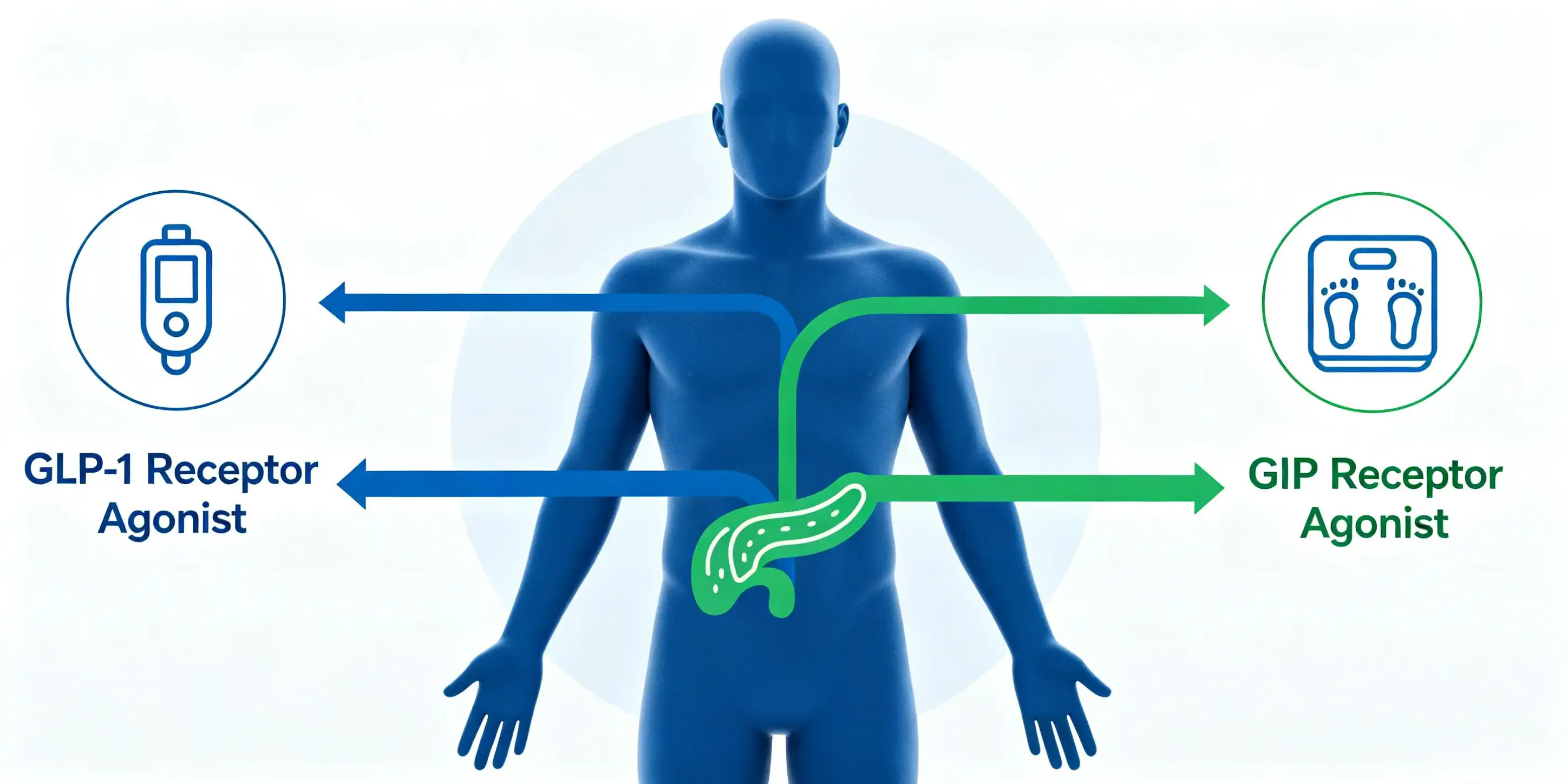
It is made in a lab and is made up of 39 amino acids. Its molecular formula is C225H348N48O68 and its molecular weight is 4813 Da. The molecule has a special C20 fatty diacid side chain connected to the Lys20 residue, which lets albumin join and gives it a longer half-life. This molecular innovation makes it possible to only give it once a week, which makes it different from other peptide medicines. The two antagonistic actions of GLP-1 and GIP receptors work together to control insulin release, glucagon levels, and hunger.
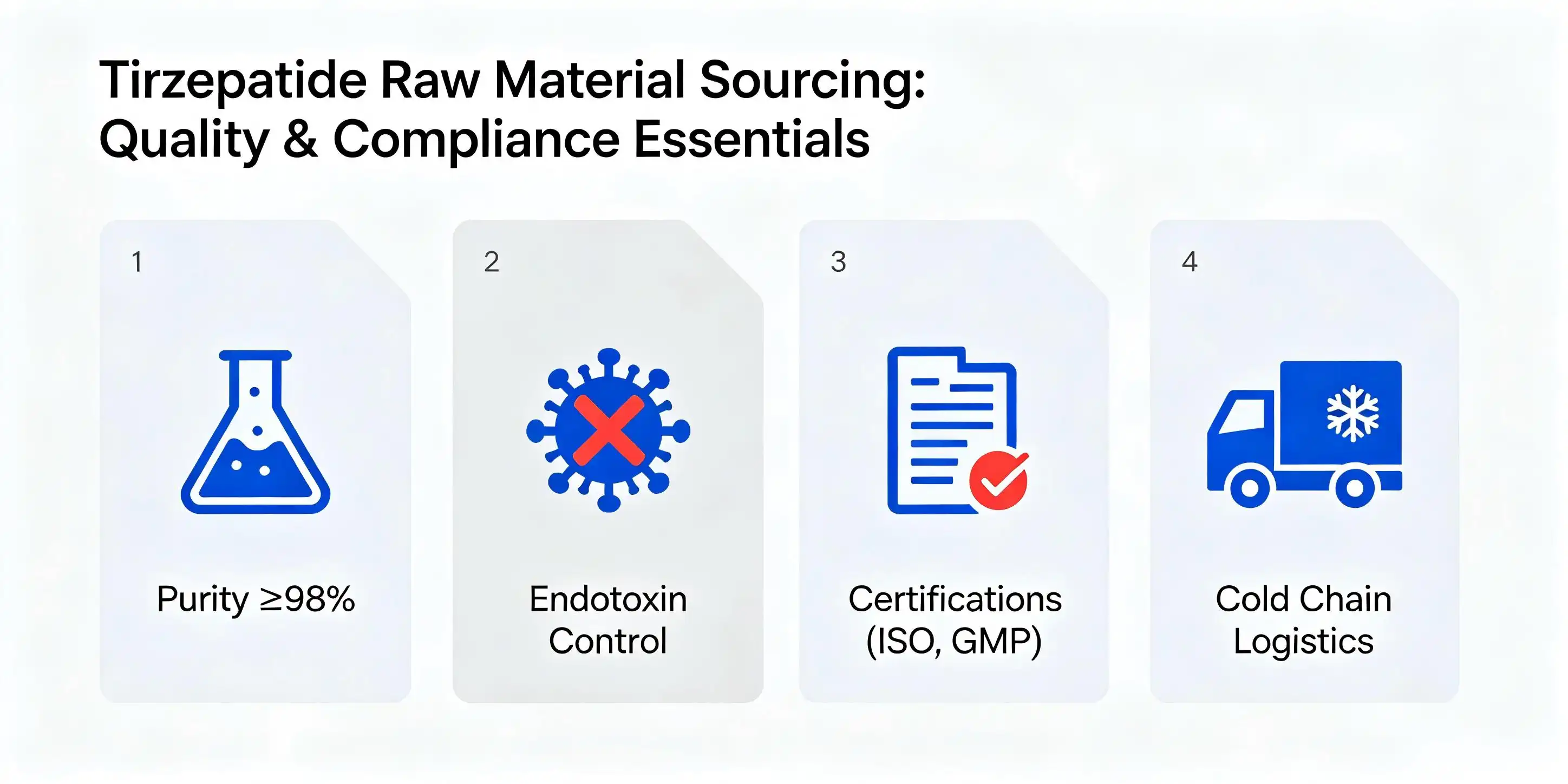
For purchasing managers in the business world, the tirzepatide raw material standard calls for purity levels of at least 98%, which can be confirmed by RP-HPLC, and endotoxin levels that are tightly controlled to be below 5 IU/mg for parenteral-grade uses. Quality control teams use mass spectrometry to check the sequence and amino acid analysis to make sure that the real amount of peptide content is the same as the weight of the excipients.
Critical Role in Drug Development
Pharmaceutical companies working on formulas based on Tirzepatide have to deal with technology problems that make it hard to keep peptides stable while they are being stored and shipped. The active pharmaceutical ingredient (API) usually looks like a white to off-white lyophilized powder that needs to be kept at a fixed humidity level, with less than 5% moisture content. For the best absorption, manufacturing methods must take into account the amount of trifluoroacetate that is still present and make sure that the drug dissolves easily in water. For metabolic studies, research institutions need reagent-grade materials that come with a lot of paperwork, like Certificates of Analysis (CoA), Material Safety Data Sheets (MSDS), and records of how each batch was made. In clinical settings, these quality factors have a direct effect on the stability of the formulation and the treatment results.
Safety Profile and Sourcing Implications
Some of the most common side effects of Tirzepatide treatment are stomach problems like nausea, vomiting, and diarrhea, especially when the amount is increased. These effects come from delayed stomach emptying, which is a drug action that is important to think about when talking about alcohol interactions. Getting high-purity raw materials lowers the chances of bad things happening because of impurities. The people in charge of buying things have to check that suppliers have the right certifications, like ISO9001, HALAL, and KOSHER ones. They also have to look at paperwork that shows they follow the rules for GMP and FDA needs. Maintaining controlled temperature conditions is important for the molecular stability of Tirzepatide during shipping, whether it's by DHL, FedEx, or air freight. This makes supply chain sturdiness an important buying factor.
Can You Drink Alcohol While on Tirzepatide?
Pharmacodynamic Interactions Between Tirzepatide and Alcohol
Patients who are taking Tirzepatide may experience a number of metabolic problems if they drink alcohol. Both chemicals affect the movement of food through the stomach and the control of blood sugar in different ways that sometimes overlap. Tirzepatide slows down the emptying of the stomach, which means that food stays in the stomach longer. Alcohol also changes the way the stomach works, makes it harder for the liver to make glucose, and raises the risk of hypoglycemia.
When these effects happen together, they may make stomach pain worse and change blood sugar levels in unpredictable ways. Tirzepatide works on two receptors at the same time, increasing insulin release and decreasing glucagon release. This causes metabolic conditions that alcohol can upset. Clinical pharmacology studies show that drinking alcohol may make Tirzepatide stay in the digestive system longer, which could make nausea and other usual side effects worse during treatment.
Amplified Side Effects and Therapeutic Outcomes
When people take Tirzepatide with booze, they often feel more sick, have a higher chance of throwing up, and get dizzy more easily. These side effects happen because booze irritates the walls of the stomach and Tirzepatide slows down the movement of food through the stomach at the same time. The mixture has a multiplying effect that makes the treatment less tolerable. In addition to making you feel bad, alcohol's effect on glucose digestion is also harmful to your health.
People who take drugs to control their blood sugar can have hypoglycemia episodes if they drink alcohol, especially if they skip meals. People with type 2 diabetes who take Tirzepatide along with other diabetes medicines are more likely to have this problem. In the supply chain, these contact patterns help shape how distributors and formulators talk about the risks of a product with end users, which in turn shapes labeling rules and patient counseling methods.
Clinical Guidelines and Medical Recommendations
Health professionals say that people taking tirzepatide raw material should limit how much booze they drink. According to the American Diabetes Association, balance means no more than one drink a day for women and two drinks a day for men. They stress that each person should evaluate their own risk. Patients with a history of pancreatitis, a disease that Tirzepatide may possibly affect, are told to stay away from drinking more strictly.
Medical rules say that blood glucose levels should be checked more often when booze is consumed. These clinical suggestions turn into quality assurance duties for B2B procurement pros who are in charge of pharmaceutical supply chains. When choosing a supplier, companies that provide thorough safety paperwork and specific product literature to support end-user education programs should be given the most weight.
Comparing Tirzepatide Raw Material With Alternatives Regarding Safety and Efficacy
Competitive Analysis: Tirzepatide vs. Semaglutide and Dulaglutide
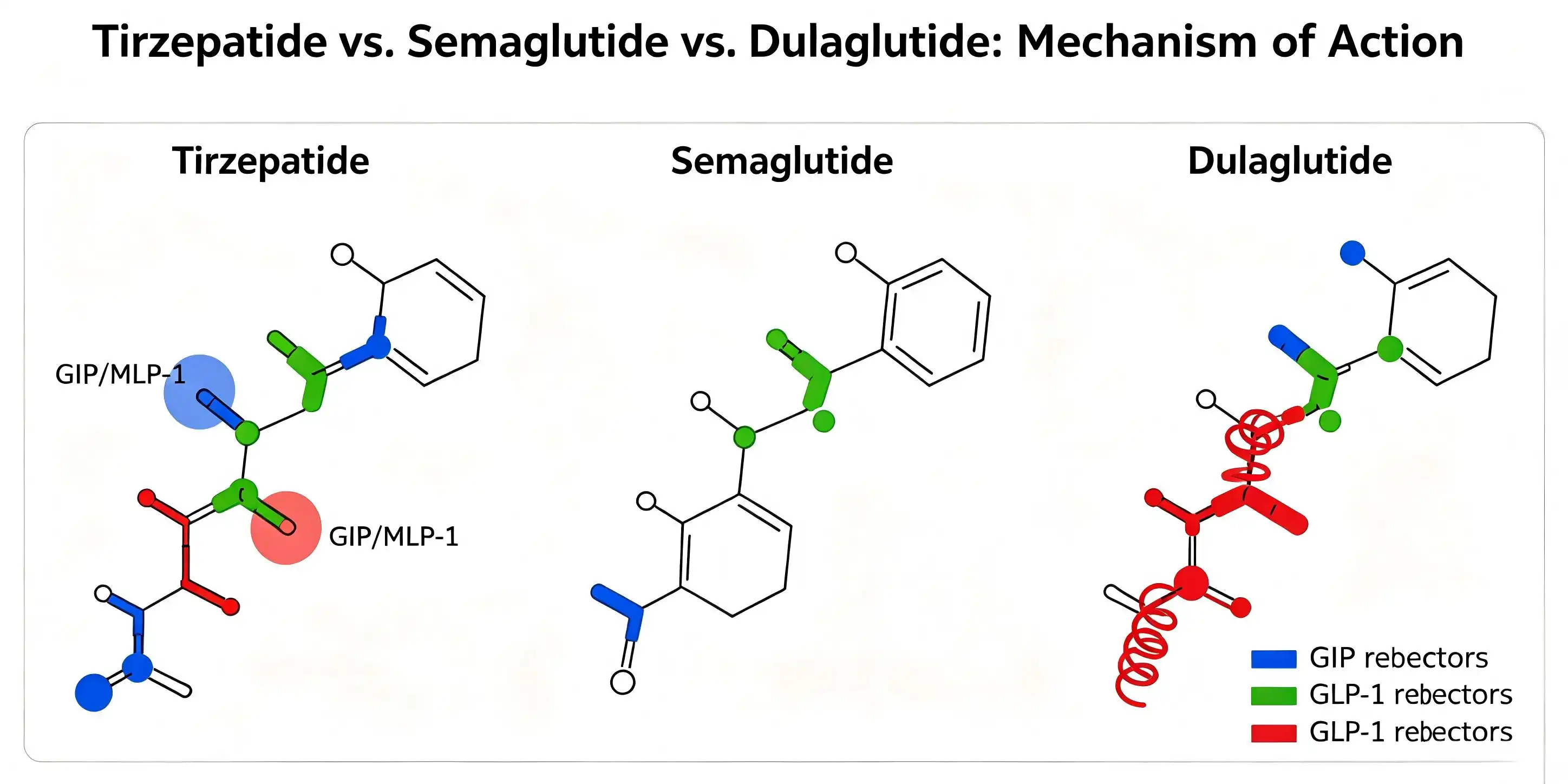
There are a number of medicinal peptides in the GLP-1 receptor agonist class. Each one has its own unique chemical properties that affect how it interacts with alcohol. The only way that Semaglutide works is by activating GLP-1 receptors. This is also how Dulaglutide works. Tirzepatide's dual GIP and GLP-1 receptor action leads to better blood sugar control and weight loss in clinical studies, but this higher effectiveness means that drug-alcohol interactions need to be carefully thought out.
Each of the three peptides slows down the emptying of the stomach, which suggests the same level of care when drinking. However, Tirzepatide's extra GIP agonism affects fat metabolism pathways in a way that alcohol may not, which is different from single-target drugs. These differences in pharmacology are becoming more and more important to procurement decisions when choosing APIs for product creation.
Purity Standards and Adverse Event Minimization
The purity of the raw materials has a direct effect on the safety ratings of peptide medicines. When solid-phase peptide synthesis (SPPS), the process used to make Tirzepatide and related compounds, introduces impurities, they may cause immune responses or side effects that were not predicted. Specifications that require at least 98% purity and thorough testing for linked chemicals using HPLC protect against bad quality events.
When people drink booze while they are in treatment, high-purity material makes sure that the effects seen are caused by known drug interactions and not problems caused by contaminants. Gas chromatography is used by quality assurance teams to check for compliance with ICH standards by measuring the amount of leftover solvent present. During the seller approval process, these technical factors are used as bargaining chips. This is especially true for drug companies making branded formulations that need reliable performance from batch to batch.
Market Pricing and Supplier Quality Assurance
At the moment, the tirzepatide raw material costs more than known GLP-1 agonists because it is harder to make and there are concerns about intellectual property. Competitive price research shows how source size, certification scope, and paperwork accuracy affect costs. When compared to options with longer lead times, manufacturers with ready stock in nearby stores and delivery times of one to three days are better for the supply chain.
Different purchasing practices can be met by offering payment terms like T/T, LC, or DA. Certification portfolios that include ISO22000, HACCP, and HALAL badges show dedication to quality systems and open up new markets. When purchasing managers try to find the best balance between quality and cost, they need to look at more than just prices when evaluating suppliers. They also need to look at their expert support, analytical testing facilities, and track records of regulatory compliance.
Procurement Best Practices for Tirzepatide Raw Material
Strategic Sourcing and Bulk Purchasing Considerations
When looking for peptide APIs, it's important to make sure that the minimum order quantity (MOQ) estimates are in line with the timelines for formulation development. Tirzepatide can usually be supplied by established manufacturers in amounts of 5,000 grams per month, which helps with both study projects and plans for business production. Buying in bulk can save you money, but you need storing facilities that can keep the peptides stable for the two years that the material is stored.
When making usage predictions, procurement teams have to take into account the need for stable testing, clinical trials, and regulatory approval timelines. Because of rules about controlled substances, you can't sell tirzepatide raw material to individual customers. This limits the marketing channels that can be used. Business-to-business buyers give more weight to sellers who can show a steady monthly production capacity. This makes sure that there is continuity during the scaling-up stages, from lab research to commercial production.
Quality Verification Through Documentation and Audits
Peptide API buying is based on procedures for authenticating users. The Certificates of Analysis (CoA) must include specific data from each batch test, such as LC-MS proof of molecular weight, HPLC determination of purity, and LC-MS confirmation of peptide content. MSDS documents contain important safety advice for handling, storing, and what to do in an emergency. On-site source exams look at more than just paperwork. They also check the quality management system, manufacturing processes, and analytical lab capabilities.
These audits look at the SPPS synthesis processes, purification methods, and lyophilization methods that decide the quality of the finished product. When choosing a supplier for pharmaceutical products that need DMF (Drug Master File) help, manufacturers with a history of regulatory filing are given more weight. Because of how complicated the process of making Tirzepatide is (especially the C20 fatty diacid acylation step), suppliers must have the right skills, which can be checked by talking about them technically and looking at past production records.
Maintaining Molecular Stability During Transport and Storage
During shipping and storage, problems with peptide stability get worse. Tirzepatide's structure rests on controlled natural conditions that keep it safe from changes in temperature, exposure to moisture, and oxidative breakdown. For shipping through DHL, FedEx, TNT, or EMS transport services, the rules say that the packages must be insulated and the temperatures must be tracked. International packages need paperwork that follows customs rules and a license to bring in pharmaceuticals.
Temperatures must be kept cool and humidity must be controlled in storage buildings, and goods must be rotated using first-in, first-out rules. Material handling methods teach workers how to move powder in a way that reduces the risks of static electricity and cross-contamination. These operational factors affect the total cost of ownership, which goes beyond the original purchase price. This is why procurement pros have to look at the quality of the packaging, the success rate of shipping, and the claims settlement process when choosing peptide API sources.
Navigating Risks of Alcohol Consumption Post-Purchase: Risk Mitigation and Communication
User Compliance Challenges in Therapeutic Supply Chains
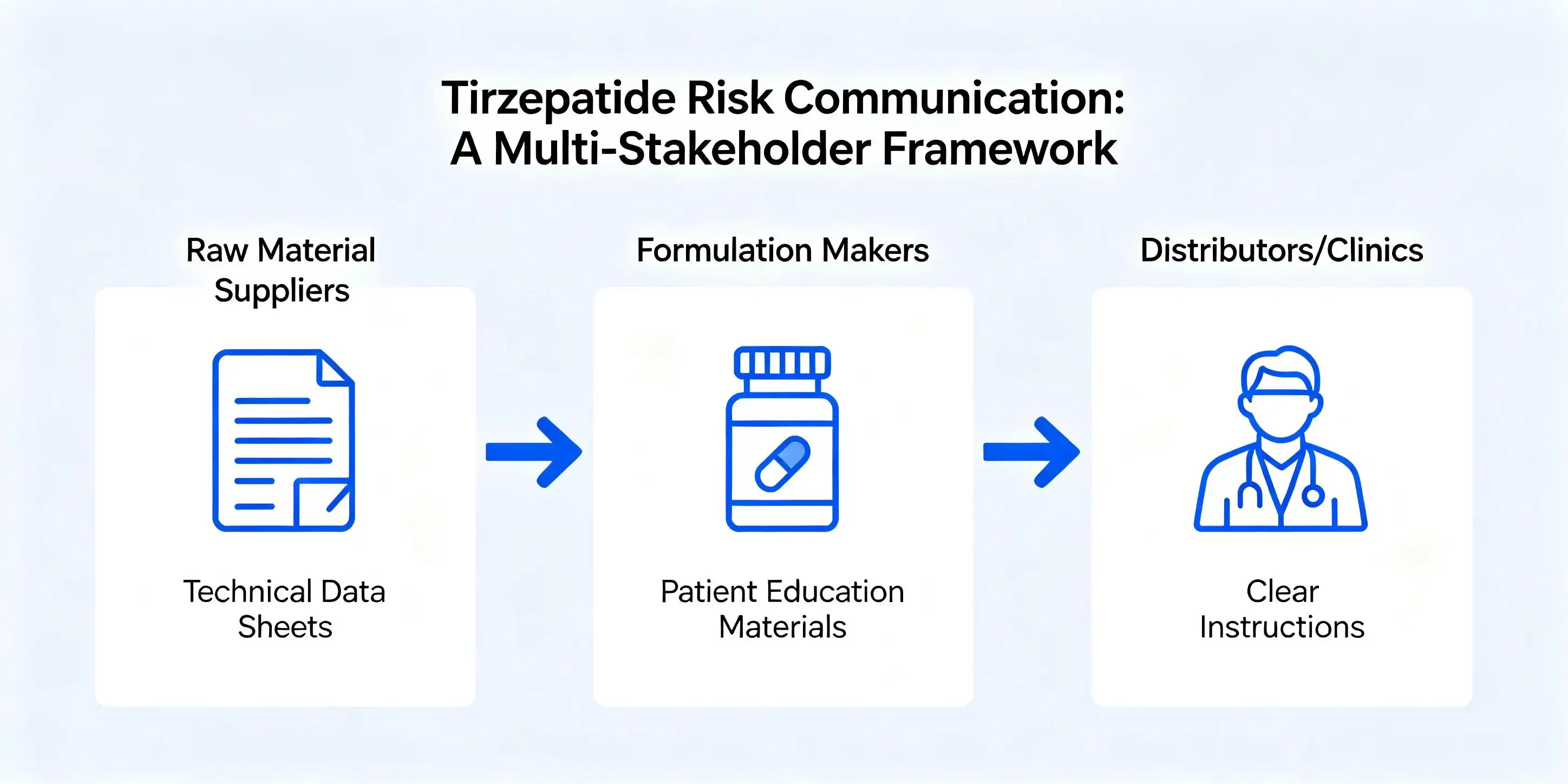
Pharmaceutical wholesalers and OEM partners have a hard time making sure that end users get correct information about how alcohol and Tirzepatide interact with each other. Noncompliance by patients is often caused by not fully understanding how interactions work or not recognizing the risks of taking certain medications together. Clear risk communication is the job of everyone in the supply chain, from suppliers of tirzepatide raw materials to makers of formulations to delivery networks.
The information that comes with finished products needs to simplify complicated pharmaceutical ideas so that patients can understand it. At the API level, material providers are responsible for communication because they provide detailed paperwork that helps with labeling later on. Distributors who handle tirzepatide raw material for medical aesthetics facilities or compounding pharmacies need to give clinical staff who directly guide patients training materials that explain the risks of alcohol interactions.
Communication Frameworks for Distributors and Partners
Risk communication methods that work use multi-layered techniques that meet the needs of all stakeholders. For business-to-business users, technical data sheets explain pharmacokinetic parameters and how drugs combine in scientific language that formulators and quality assurance teams can understand. Formulation makers make simplified patient education tools that use safety information from suppliers to make clear instructions on staying away from alcohol.
Risk communication models should address common misunderstandings, like the idea that modest drinking doesn't cause any problems with interactions or that alcohol only changes how well medications work and not how safe they are. It is made clear that drinking alcohol can make stomach problems worse and raise the risk of hypoglycemia, especially when starting treatment. Medical aesthetic offices that work with distribution partners need communication tools that explain how drinking alcohol might affect weight management results, which is a major worry for patients who use metabolic peptides for aesthetic purposes.
Implementing Disclaimers and Adverse Event Monitoring
To follow the rules, products must have clear warnings about how they might combine with booze, cause hypoglycemia, or cause stomach problems. All along the supply chain, these warnings must be on product labels, box inserts, and promotional materials. Manufacturers can find safety signs about how booze interacts with other drugs in real life by using adverse event reporting systems.
More and more, procurement policies require sellers to keep up with pharmacovigilance skills that support reporting duties further down the line. For producers of tirzepatide raw materials, this means keeping batch tracking systems up to date so that problems can be looked into quickly. As part of supply deals, it should be clear to suppliers what paperwork they need to hand over during regulatory or product quality reviews. These clauses in contracts protect the reputation of the company and make sure that supply lines are sustainable, legal, and put patient safety ahead of business goals.
Conclusion
The way that Tirzepatide and alcohol affect each other is important to think about for both clinical use and managing the pharmacy supply chain. Due to increased risks of hypoglycemia and stomach problems, medical data regularly suggests that people taking tirzepatide raw material should limit or avoid alcohol. These safety profiles show how important it is for buying workers who are in charge of peptide API sourcing to use high-purity materials that meet strict quality standards.
Supply chain tactics that work well balance lowering costs with making sure the quality is checked, following the rules, and having a lot of proof that the medicine is safe for medicinal use. The dual receptor mechanism that makes Tirzepatide different from single-target options leads to better therapeutic results, but it needs careful monitoring of drug interactions and patient teaching all the way through the delivery network.
FAQ
Is moderate alcohol consumption safe during tirzepatide therapy?
Medical rules say that people who are taking Tirzepatide should limit how much booze they drink. Moderate drinking, which means one drink a day for women and two drinks a day for men, may be okay for some people, but each person's risk needs to be carefully considered. When taken with other diabetes medicines, alcohol can make common side effects worse, like nausea and vomiting, and raise the risk of hypoglycemia. Before drinking booze during treatment, patients should talk to their doctors.
How does raw material purity influence side effect risks?
Higher quality Tirzepatide raw material lowers the risk of bad things happening by lowering the problems caused by impurities. Material that meets 98% pure standards and goes through thorough testing for related substances makes sure that any side effects seen are caused by known drug actions and not by contaminants. Quality checks using HPLC, mass spectrometry, and amino acid analysis protect against batch differences that could affect a patient's ability to tolerate the drug.
What kinds of paperwork should procurement managers ask sellers for?
Certificates of Analysis that show purity, peptide content, and endotoxin levels; Material Safety Data Sheets (MSDS) that explain how to handle and keep the product safe; regulatory certifications like ISO9001 and GMP compliance records; and batch tracking documents are all important pieces of paperwork. Suppliers should show proof of their scientific methods and stability study results to back up the two-year shelf life claim when stored in the way that was asked for.
Partner With Xi'an Yihui for Premium Tirzepatide Raw Material Supply
Xi'an Yihui Bio-technology Co., Ltd. stands as your trusted tirzepatide raw material supplier with over 13 years of specialized experience in high-end API manufacturing. Our Tirzepatide powder (CAS: 2023788-19-2) consistently exceeds 98% purity standards, supported by comprehensive certifications including ISO9001, ISO22000, HACCP, HALAL, and KOSHER. We maintain ready stock in local warehouses enabling 1-3 day delivery via DHL, FedEx, TNT, or EMS, ensuring supply chain continuity for your formulation development and commercial production needs.
Our dedicated technical team provides complete documentation including CoA, MSDS, and regulatory support files, addressing the compliance requirements of pharmaceutical, cosmetic, and research applications across global markets. With monthly supply capacity reaching 5000 grams and flexible payment terms including T/T, LC, and DA, we accommodate diverse procurement scales from research institutions to commercial manufacturers. Contact our professional customer service team at sales@yihuipharm.com to discuss your specific requirements and discover how our competitive pricing, rigorous quality control, and technical expertise create ideal partnership conditions for your metabolic peptide projects.
References
1. American Diabetes Association. Standards of Medical Care in Diabetes—Alcohol Consumption Guidelines. Diabetes Care, 2023, Volume 46, Supplement 1.
2. Frias JP, Davies MJ, Rosenstock J, et al. Tirzepatide versus Semaglutide Once Weekly in Patients with Type 2 Diabetes. New England Journal of Medicine, 2021, Volume 385, Pages 503-515.
3. Nauck MA, Quast DR, Wefers J, Meier JJ. GIP and GLP-1 Receptor Agonists in the Treatment of Type 2 Diabetes and Obesity. Diabetes, Obesity and Metabolism, 2021, Volume 23, Supplement 3, Pages 14-25.
4. International Council for Harmonisation of Technical Requirements for Pharmaceuticals for Human Use. ICH Q7 Good Manufacturing Practice Guide for Active Pharmaceutical Ingredients, 2016.
5. Thomas MK, Nikooienejad A, Bray R, et al. Dual GIP and GLP-1 Receptor Agonist Tirzepatide Improves Beta-cell Function and Insulin Sensitivity in Type 2 Diabetes. Journal of Clinical Endocrinology & Metabolism, 2021, Volume 106, Pages 388-396.
6. Wilson JM, Sanyal AJ. Alcohol Interactions with Incretin-Based Therapies: Pharmacological Mechanisms and Clinical Implications. Clinical Pharmacology & Therapeutics, 2022, Volume 111, Pages 567-578.

Send Inquiry
You may like
Related Industry Knowledge