
Can tirzepatide cause anxiety
Concerns about anxiety linked to tirzepatide have become an important factor for drug firms and study groups looking at this dual-agonist peptide. It is important to know the mental profile of the bulk tirzepatide peptide you are buying for formulation research or therapeutic uses. While worry isn't mentioned as a main side effect, there have been reports from a few patients and changes in metabolism during the start of treatment that suggest it should be closely watched. This in-depth study looks at the biochemical processes, clinical data, and useful methods that help with the safe acquisition and use of this new therapeutic peptide.
Understanding Tirzepatide and Its Metabolic Effects
Tirzepatide is a big step forward in peptide therapy because it combines glucagon-like peptide-1 (GLP-1) receptor agonism and glucose-dependent insulinotropic polypeptide (GIP) into a single molecule. This 39-amino acid sequence peptide works through a complex two-pathway system that raises insulin release, lowers glucagon release, and changes hunger signals through pathways in the central nervous system.
The Biochemical Foundation of Dual-Agonist Action
The peptide's structure includes a C20 fatty diacid molecule that is connected by a special binder, giving it a molecular weight of about 4813 daltons. This change makes the peptide's half-life longer, which lets it be given once a week instead of every day, which is better for patient compliance. Activation of the GLP-1 receptor is what controls blood sugar levels and helps people lose weight. Activation of the GIP receptor has other metabolic effects, especially in fat metabolism and protecting pancreatic beta cells.
When purchasing managers look at different providers, the quality of the synthesis has a direct effect on these useful traits. When approved solid-phase peptide synthesis (SPPS) methods are used to make high-purity tirzepatide powder, it keeps its uniform receptor binding affinity and pharmacokinetic profiles. The usual requirement of 98% purity makes sure that there aren't many breakdown products that could change the safety or effectiveness of the therapy.
Common Therapeutic Benefits and Side Effect Profiles
In clinical studies, it was shown to be very effective at controlling type 2 diabetes, with HbA1c levels dropping by an average of 2.0 to 2.4% across all dosage ranges. The results for weight loss have also been very good. Over 72 weeks of treatment, subjects lost 15 to 22 percent of their body weight. Because of these results, the peptide is a very good choice for drug companies that are working on new treatments for metabolic diseases.
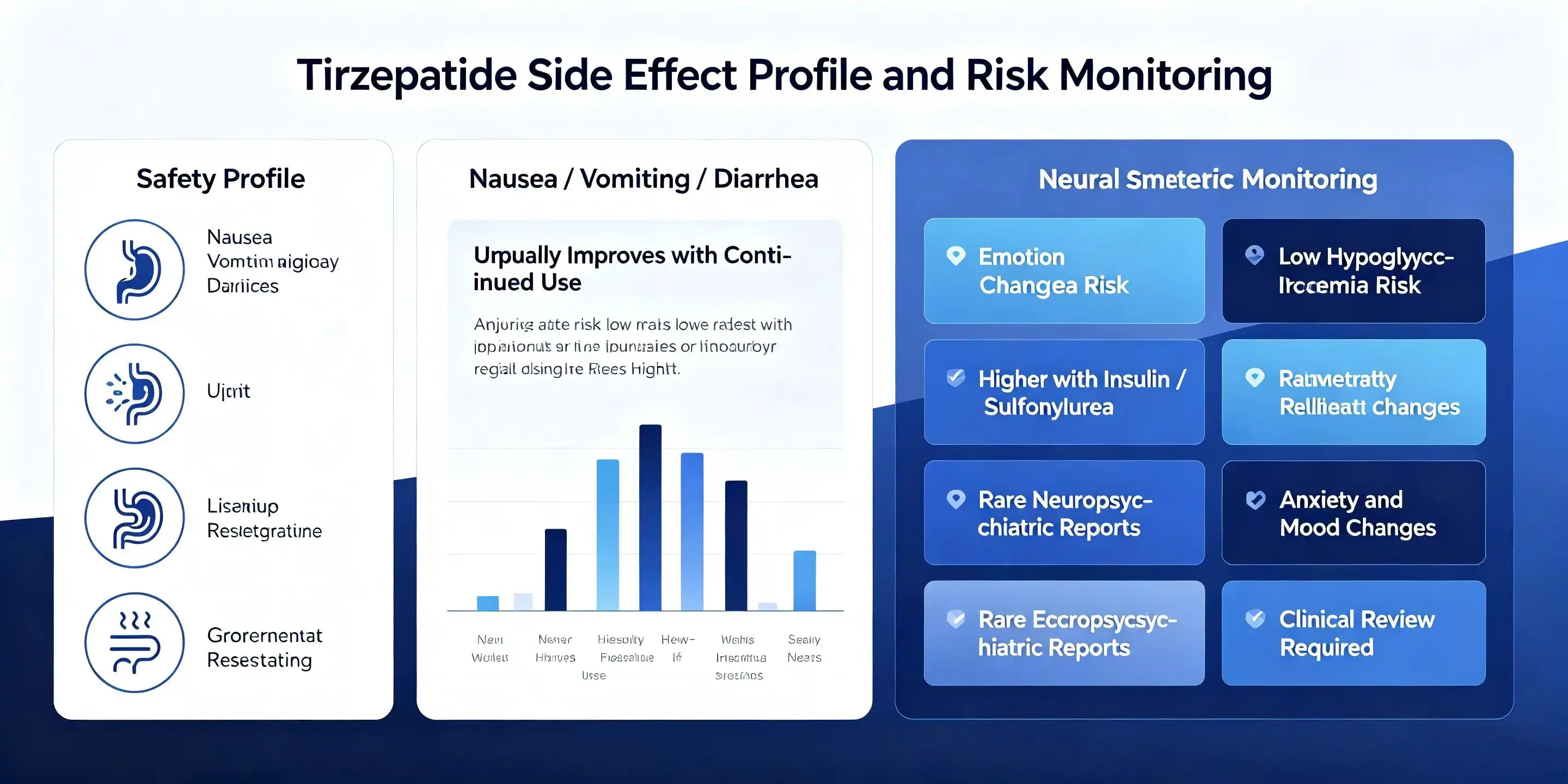
The known safety profile includes stomach problems like nausea, vomiting, and diarrhea, which usually get better as you keep using the drug. The risk of hypoglycemia stays low when used alone, but it rises when insulin or sulfonylurea are also given. Knowing these patterns helps R&D teams come up with the right dosing scaling plans and factors for choosing which patients to treat.
Neuropsychiatric symptoms, such as changes in mood and worry, have been reported in monitoring after the drug has been sold, but they only happen very rarely. It is hard to tell the difference between effects related to peptides and psychological reactions to fast metabolic changes. This needs careful clinical review and good sources.
Can Tirzepatide Cause Anxiety? Examining the Clinical Evidence
Analysis of Clinical Trial Data and Adverse Event Reports
Over 10,000 people took part in the large-scale phase 3 studies (SURPASS-1 through SURPASS-5), which gave strong safety results. In these controlled studies, anxiety was not found to be a statistically significant adverse event. Post-marketing monitoring systems have, however, found a few instances where patients reported worsening anxious symptoms while starting treatment or increasing their dose.
The rate of occurrence seems to be about the same as the rate of placebo in most studies. This suggests that the worry may be caused by things other than the direct action of bulk tirzepatide peptide. Anxiety is not listed as a labeled side effect in regulatory files with the FDA and EMA. However, prescription information says that people with a history of mental illness should be watched out for mood changes.
Biological Mechanisms Linking Peptide Therapy to Mood Changes
Several possible explanations could be given for why some people experience worry feelings. GLP-1 receptors are found all over the central nervous system, even in parts that handle stress and keep emotions in check. Activating these receptors changes neurotransmitter systems, which could make it harder for people who are already prone to mood problems to keep their mood stable.
Rapid changes in blood sugar during the start of treatment may cause stress reactions in the body that show up as worry symptoms. The severe loss of hunger that some patients experience could also lead to mental discomfort, especially in people who have trouble dealing with food or body image issues.
It is still hard to tell the difference between direct pharmacological effects and secondary psychic reactions. This shows quality assurance managers how important it is to find peptide material with stable purity ratings and few impurities that could cause effects that are hard to predict.
Differentiating Peptide-Related Anxiety from Confounding Factors
People who need care for metabolic diseases often already have anxiety problems, which makes figuring out what caused what more difficult. People with type 2 diabetes are much more likely than the general population to have depression and anxiety. Rates of depression and anxiety in people with type 2 diabetes are higher than 20%. Taking certain medicines at the same time, like beta-blockers and corticosteroids, may make anxious feelings worse on their own.
During times of change, the big changes in living that come with weight loss treatments can actually make people feel more stressed. Patients may go through changes in their identities, their social relationships, and attention that makes them anxious for reasons that have nothing to do with peptide medicine.
Safe Usage and Dosage Protocols to Minimize Neuropsychiatric Risks
Recommended Titration Schedules and Administration Guidelines
Standard dosing guidelines start treatment with 2.5 mg once a week for four weeks. This amount is mostly for getting used to it and is not meant to be therapeutic. The dose goes up by 5 mg, then 7.5 mg, 10 mg, 12.5 mg, and finally 15 mg every week, with at least four weeks between each increase. This method reduces side effects on the digestive system and lets the metabolism change, which may help with mood-related issues.
These titration needs must be taken into account by pharmaceutical companies when they are making mix products or new delivery methods. To make peptide powder work again, you need to use a clean method and the right diluents to keep it stable and stop it from clumping together, which could change how fast it absorbs.
Patient Risk Assessment and Contraindication Considerations
Before starting treatment, a full mental evaluation finds people who are at high risk and may need extra supervision or different methods. Before starting peptide treatment, patients who have active eating disorders, serious sadness, or suicidal thoughts need to go through a special review.
People with metabolic diseases often take more than one drug, so drug interaction patterns are especially important to look at. While bulk tirzepatide peptide doesn't interact much with cytochrome P450, the way it affects gastric emptying can change how quickly oral drugs are absorbed, which could affect the amounts of psychiatric medications.
Quality Assurance Parameters That Support Safety Outcomes
Professionals in procurement who are looking for materials to use in clinical study or the production of drugs must check thorough quality paperwork. The Certificate of Analysis (COA) results should show the amount of peptides present, their purity by HPLC, endotoxin levels below 5 EU/mg, and solvent profiles that follow ICH recommendations. Mass spectrometry checks that the amino acid sequence is right and that there are no loss sequences that might change how the receptor binds.
Suppliers with ISO9001, ISO22000, and GMP standards show that they handle quality in a way that cuts down on variation between batches. Getting Halal and Kosher certifications may help finished goods that are meant to help a wide range of patients find new markets. Traceability paperwork that connects each batch to records of synthesis, sources of raw materials, and stability testing results is needed for regulatory submissions because it provides an audit path.
Comparing Tirzepatide with Other Metabolic Peptides
Anxiety Prevalence Across GLP-1 Receptor Agonist Class
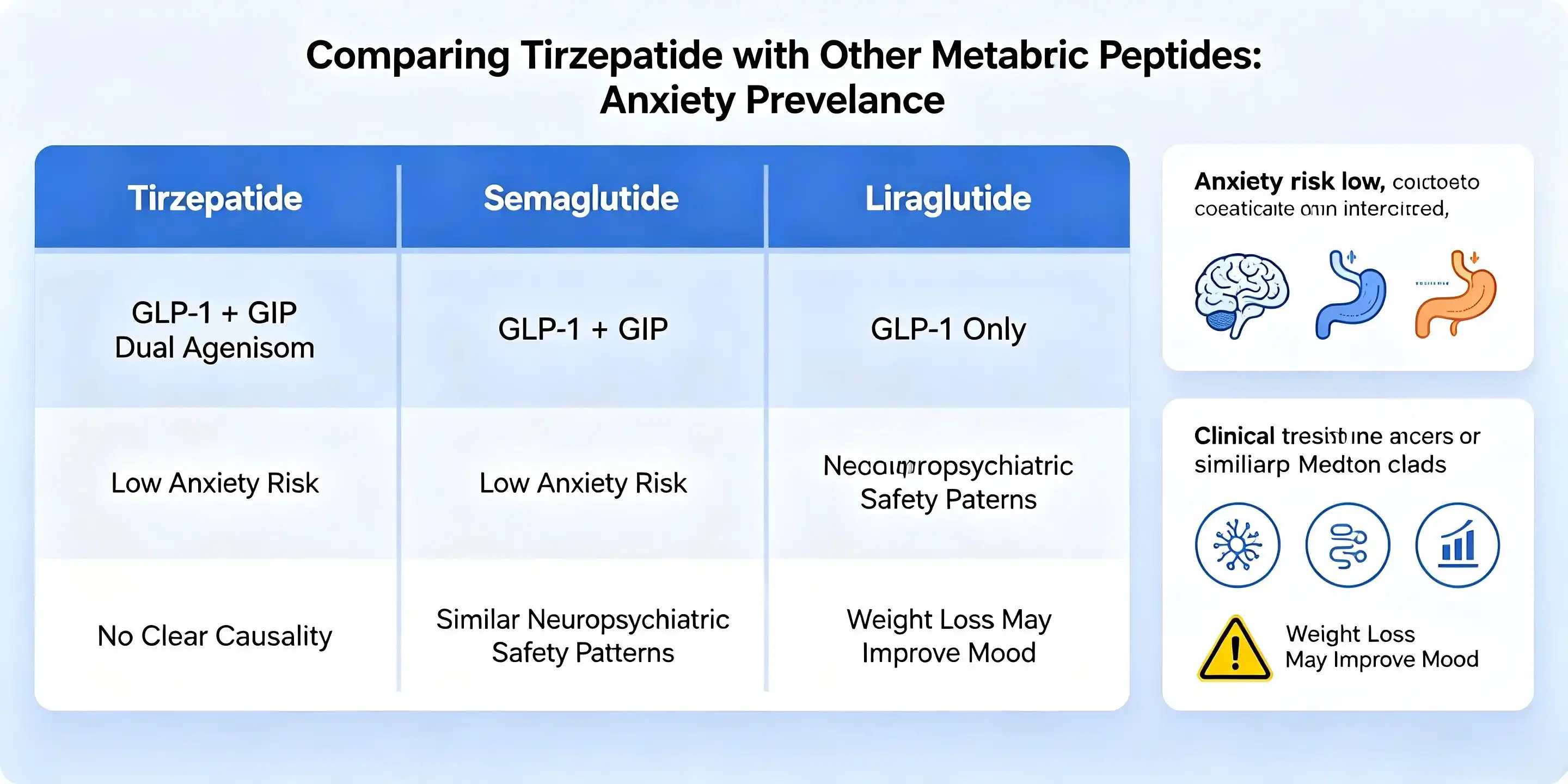
Another dual-incretin pathway modulator called semaglutide has also been linked to random reports of worry without being able to prove a clear cause-and-effect link. Liraglutide research have shown that some groups of patients' moods get better, possibly because of the psychological benefits of losing weight. Overall, the data shows that the risk of anxiety stays low across the incretin-based treatment class.
The dual-agonist process that sets tirzepatide apart from pure GLP-1 agonists adds more factors through GIP receptor-mediated effects on the central nervous system. However, neuropsychiatric safety patterns in different clinical trials are similar, which suggests that the extra receptor activation does not really raise the risk of anxiety.
Efficacy and Tolerability Trade-offs in Procurement Decisions
When formulators look at different peptides for use in product development, they have to weigh the benefits of high effectiveness against the possibility of intolerability issues. Tirzepatide has been shown to be better at controlling blood sugar and losing weight, which may make it acceptable to have slightly higher rates of stomach side effects during the beginning stages.
When buying large peptides, the cost is affected by how complicated the synthesis is. For example, the 39-amino acid sequence and lipid modification make the production cost higher than for shorter peptides. However, the frequency of dosing once a week and better results may make it a better total value offer for business uses. When moving peptide suppliers in the middle of development, it's important that the supply chain is reliable because it could introduce factors that make the regulatory approval process more difficult.
Managing Anxiety Symptoms During Tirzepatide Treatment
Monitoring Protocols and Early Detection Strategies
Objective tracking of symptoms is possible by using standard anxiety assessment tools at the start of treatment and at regular times during it. The Generalized Anxiety Disorder-7 (GAD-7) assessment is a reliable and useful screening tool that can be used in professional settings to monitor the effects of bulk tirzepatide peptide. When scores go up by a lot, they should be evaluated by a doctor and possibly treated.
Patient education resources should help people get ready for the usual signs of metabolic adjustment and make it clear what problems they should report. Setting up easy ways for patients and healthcare teams to talk to each other makes it easier to help people with worry as soon as they show signs of it.
Complementary Interventions and Lifestyle Modifications
Cognitive behavioral therapy and mindfulness-based treatments have been shown to help people with metabolic diseases deal with their anxiety feelings while they are being treated. Nutritional advice helps people deal with changes in their hunger without causing emotional problems. Regular exercise is good for your metabolism and can help lower your worry in a number of ways, both physically and mentally.
The Role of Supplier Technical Support in Clinical Success
Reputable peptide providers help patients do well by giving healthcare teams detailed technical information that helps them make the best treatment plans. Product information sheets with lots of details, stable data for different storing conditions, and instructions on how to reconstitute the product all make sure that it always works the same way.
Suppliers with helpful technical support teams can help with formulation problems and offer advice based on their experience with many different clinical uses. This way of working together creates partnerships in the supply chain that go beyond business relationships and help both parties succeed.
Conclusion
Based on the information we have, anxiety is not a major issue with bulk tirzepatide peptide therapy. However, each person's susceptibility and the time it takes for their metabolism to change should be closely watched. People who work in procurement who are looking at this peptide for use in pharmaceutical development, clinical research, or formulation can be sure that it is safe to use as long as they follow the right screening and tracking methods for patients.
Getting high-purity materials from approved sources with strong quality control systems makes sure that the products always work the same way, which is good for both patient safety and therapeutic effectiveness. The peptide's better metabolic effects support its place in current treatment plans when it comes from trustworthy sources that meet pharmaceutical-grade standards.
FAQ
Is anxiety a common side effect of tirzepatide treatment?
The latest information from clinical trials does not show that worry is a regular or statistically significant side effect. Large studies with thousands of subjects have not shown that worry rates are higher in these groups than in control groups. Cases recorded through post-marketing monitoring are very rare and usually involve complicating factors like psychiatric conditions or drugs that were being taken at the same time.
How does peptide purity affect clinical outcomes and safety?
The quality of a peptide has a direct effect on how well it binds to receptors, how it moves through the body, and how often it causes bad effects. High-purity material (≥98% by HPLC) reduces the amount of breakdown products, related substances, and synthetic impurities that could cause reactions that were not predicted. In hospital settings, where differences in outcomes could hurt study results or patient safety, batch-to-batch uniformity is very important.
What quality certifications should buyers prioritize when sourcing bulk peptide material?
ISO9001 certification shows that quality management is done in a planned way, and GMP compliance makes sure that production methods are up to pharmaceutical standards. Endotoxin testing records, residue solvent analysis, and amino acid sequence confirmation are all very important for making sure safety. Suppliers who provide full COA paperwork with batch records that can be tracked help downstream apps follow the rules.
Partner with Xi'an Yihui for Pharmaceutical-Grade Tirzepatide Supply
Xi'an Yihui Bio-technology Co., Ltd. provides research-grade and pharmaceutical-grade tirzepatide powder that meets the high standards needed by research schools, CRO/CDMOs, and new pharmaceutical businesses. Our bulk tirzepatide peptide supplier has ready stock in local warehouses so that shipping can happen within one to three days. They can also produce up to 5,000g of peptides every month and have full certifications for ISO9001, ISO22000, HACCP, Halal, and Kosher.
The white to off-white powder stays ≥98% pure, as shown by HPLC analysis. It comes with full paperwork, such as a COA, MSDS, and stability data, to back up your regulation submissions. We only work with business-to-business clients, so you can be sure that the materials we send you are of the highest quality for recipe development, clinical studies, or commercial manufacturing.
Contact our technical team at sales@yihuipharm.com to discuss your specific requirements, request samples, or inquire about custom synthesis capabilities. Visit yihuipharm.com to explore our complete peptide portfolio and discover why leading biotechnology firms trust Xi'an Yihui for consistent quality and reliable supply chain partnerships.
References
1. Frias, J.P., et al. "Tirzepatide versus Semaglutide Once Weekly in Patients with Type 2 Diabetes." New England Journal of Medicine, 2021, 385(6), 503-515.
2. Rosenstock, J., et al. "Efficacy and Safety of a Novel Dual GIP and GLP-1 Receptor Agonist Tirzepatide in Patients with Type 2 Diabetes (SURPASS-1): A Double-blind, Randomised, Phase 3 Trial." The Lancet, 2021, 398(10295), 143-155.
3. Jastreboff, A.M., et al. "Tirzepatide Once Weekly for the Treatment of Obesity." New England Journal of Medicine, 2022, 387(3), 205-216.
4. Nauck, M.A., et al. "GLP-1 Receptor Agonists in the Treatment of Type 2 Diabetes: State-of-the-Art." Molecular Metabolism, 2021, 46, 101102.
5. Müller, T.D., et al. "Glucagon-like Peptide 1 (GLP-1) and Glucose-dependent Insulinotropic Polypeptide (GIP): Central Nervous System Effects and Implications for Metabolic Control." Current Opinion in Pharmacology, 2020, 55, 9-16.
6. Blonde, L., et al. "Effects of Tirzepatide versus Insulin Glargine on Glycemic Control and Safety in Patients with Type 2 Diabetes: Rationale and Design of the SURPASS Clinical Development Program." Diabetes Therapy, 2020, 11(11), 2465-2479.

Send Inquiry
You may like
Related Industry Knowledge