
Cagrilintide: The Next-Gen Peptide for Weight Loss and Satiety
Cagrilintide is a big step forward in peptide-based metabolic treatment, and it fixes some of the problems with current weight loss methods. But unlike most GLP-1 receptor agonists, this GLP-1 peptide Cagrilintide works as a long-acting amylin analog, specifically targeting pathways for satiety and stomach movement to reduce hunger for a long time. Its designed molecule structure includes strategic amino acid modifications and fatty acid acylation, which increases the plasma half-life to about 170 to 180 hours. This allows for once-a-week administration schedules. This new idea solves important formulation problems like aggregation and short bioavailability, making it an important API for drug makers, CRO/CDMO companies, and research institutions looking for breakthrough metabolic treatments.
Understanding Cagrilintide and Its Mechanism of Action
The drug business is becoming more and more aware of how amylin pathway modulation can work well with incretin-based treatments. Cagrilintide is different because it works in more than one way that works with other metabolic treatments instead of replacing them.
Chemical Structure and Molecular Design
The molecular formula for Cagrilintide is C₁₈₄H₄₁₂N₅₉O₅₉S₂. It is made up of 38 carefully chosen amino acids, with a unique disulfide bridge connecting Cys4 and Cys9 that keeps the structure stable. The peptide has a lipidated side chain, which is usually a C18 or C20 diacid fatty acid connected by a glutamic acid gap. This makes it easier for albumin to bind and unbind. This change to the structure fixes the well-known instability of native amylin, which makes it more likely for amyloid fibrils to form. The end result is a peptide that dissolves very easily at normal pH, which means there are no risks of precipitation when it is mixed with other medicinal agents. Because of these qualities, it's very appealing to research and development teams working on combination treatments that need to be stable across multiple APIs.
Pharmacological Profile and Receptor Interactions
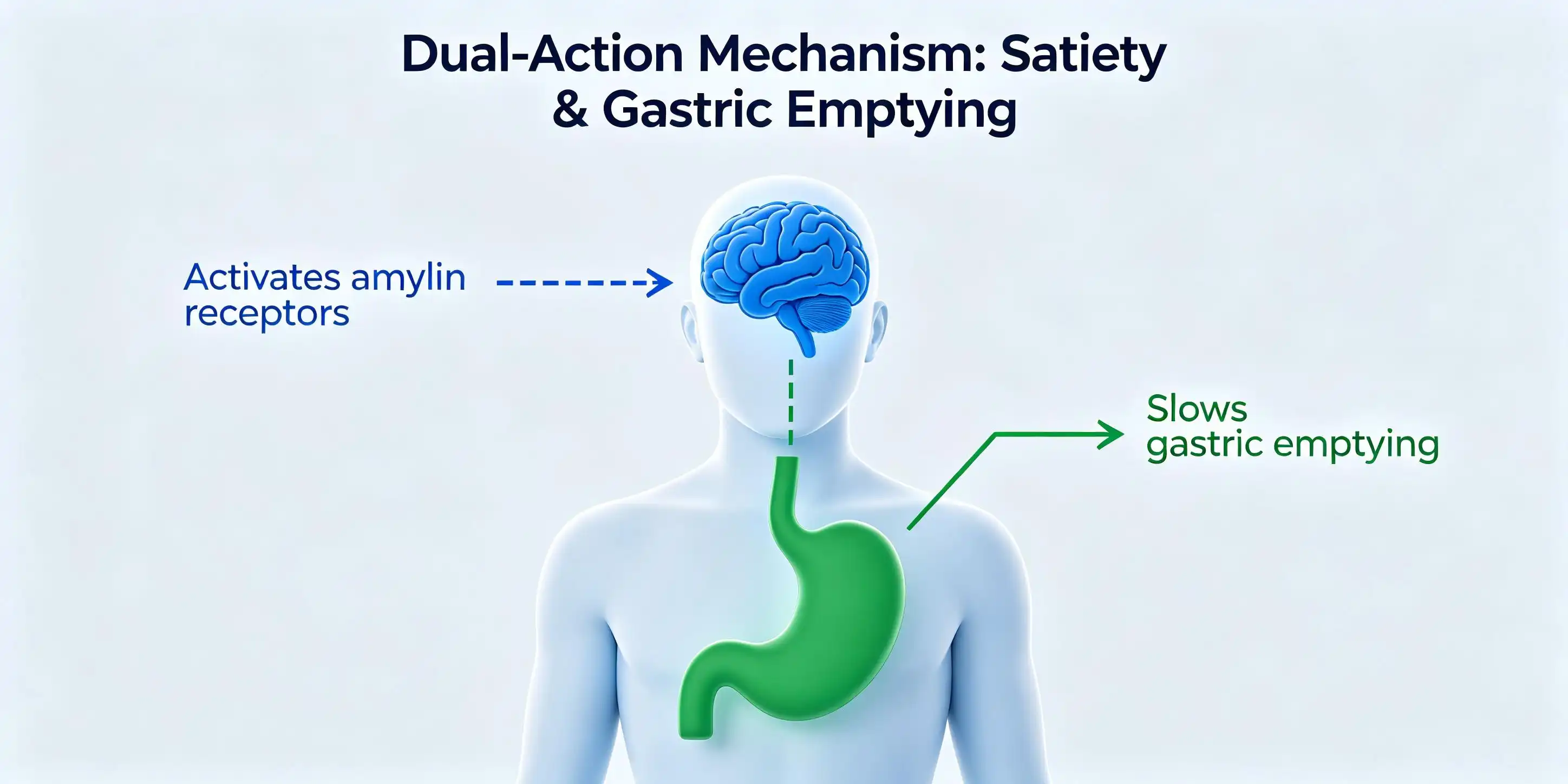
Cagrilintide works mainly by activating amylin receptors (AMY1, AMY2, AMY3) and also by blocking calcitonin receptors (CTR). This binding profile causes several physiological responses: activation of the hindbrain nucleus promotes early satiety signals; delayed stomach emptying extends the time nutrients are absorbed; and decreased glucagon release improves glucose control after a meal. Unlike GLP-1 agonists, which mostly increase insulin release, amylin analogs directly affect the central nervous system to make people eat less.
There is clinical proof that people who were given Cagrilintide had large decreases in the amount of energy they consumed during ad libitum meal tests. These effects lasted longer than the time the drug was first given. Because albumin binding extends the half-life, steady-state amounts keep the beneficial effect throughout weekly dosing intervals. This makes it easier to stick to a schedule compared to daily injection regimens.
Pharmacokinetics and Dosing Considerations
The peptide's pharmacokinetic profile is unique among metabolic medicines. After being injected under the skin, Cagrilintide gets its highest level in the blood within 12 to 24 hours. Its half-life of removal allows for a once-weekly dose. Dose-escalation plans usually start at lower levels to keep stomach adaptation reactions to a minimum. Over 4–8 weeks, the dose is slowly raised until it reaches therapeutic levels.
This controlled increase lowers the number of people who stop medication while also increasing the weight loss effectiveness. Metabolic stability against common peptidases, such as dipeptidyl peptidase-IV and neutral endopeptidases, makes sure that the drug is bioavailable to all patients. Regulatory paperwork backing these traits, such as full pharmacokinetic studies, is needed for quality assurance teams to check the skills of suppliers and make sure batches are consistent.
Comparing Cagrilintide with Other Peptide Therapies
People in charge of buying medicines and making sure they are competitive need to know how Cagrilintide stacks up against other metabolic agents that are already on the market. Knowing these differences helps with strategic sourcing and evaluating partnerships.
Molecular Differences from Traditional GLP-1 Agonists
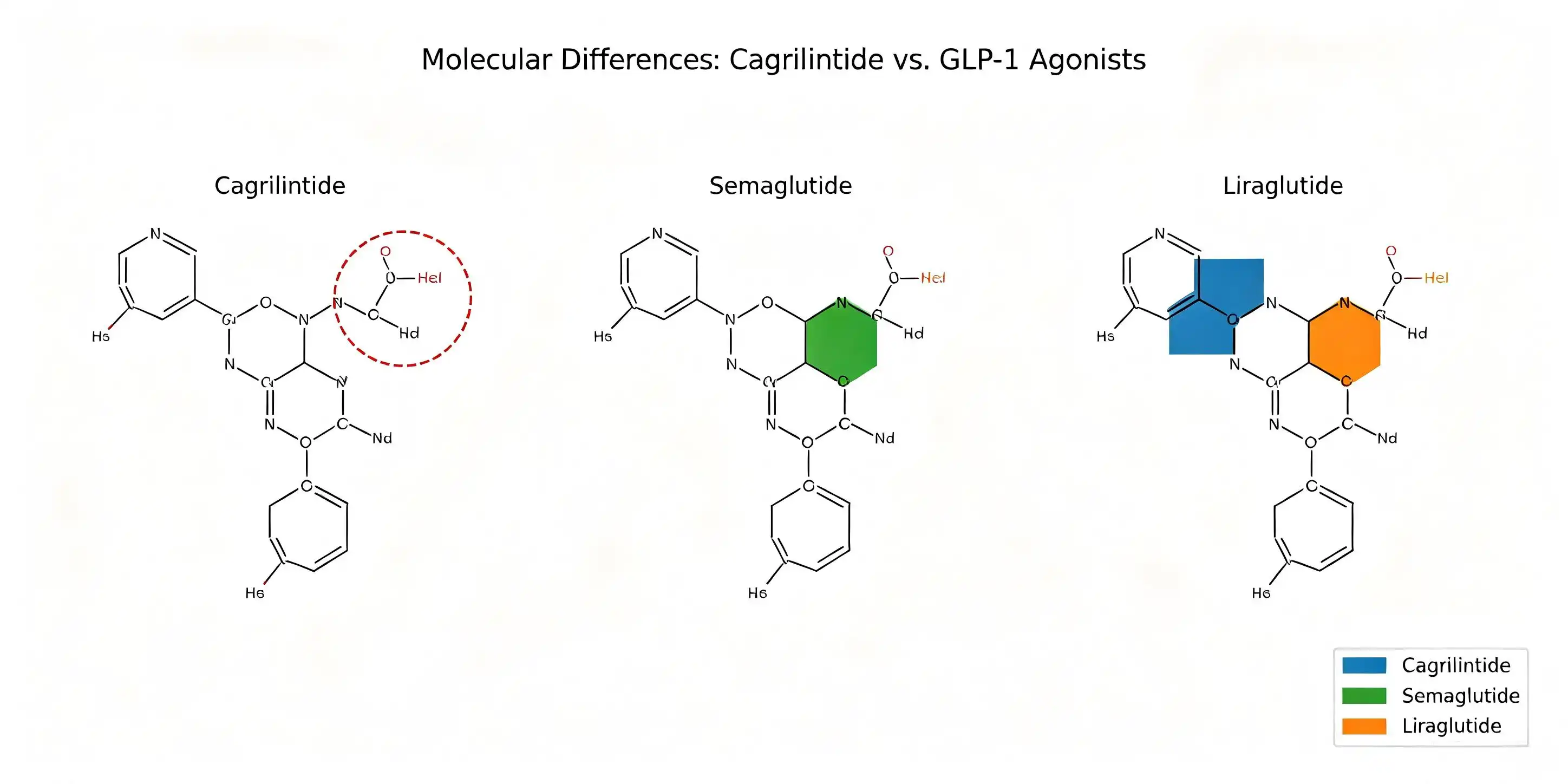
GLP-1 peptide Cagrilintide works in a way that is different from how Semaglutide and Liraglutide do. These drugs have been shown to help reduce blood sugar and weight. GLP-1 agonists mainly increase insulin release and decrease glucagon through pancreatic receptors. On the other hand, amylin analogs have a direct effect on hunger pathways and stomach motility.
The main reason why combination methods work better than monotherapy is this basic difference. Studies that looked at co-administration methods found that they led to weight loss benefits that were 15–25% greater than those seen with single agents. Cagrilintide's molecular weight of 4409.01 Da puts it in the best range for subcutaneous transport. It can also be made using solid-phase peptide synthesis methods that are known to CDMO partners with a lot of experience.
Clinical Efficacy and Safety Profiles
Head-to-head comparisons show success traits that are important for recipe development teams. Cagrilintide works especially well at controlling hunger, as shown by the fact that meal-related satisfaction scores keep getting better over 52 weeks of tracking. As the amount is increased, gastrointestinal tolerability follows regular trends. Nausea is the most common side effect, and it usually goes away in 2 to 4 weeks. In intermediate-duration trials, cardiovascular safety ratings look good, but long-term outcome studies are still being done.
Regulatory managers will notice that full toxicology packages, which include tests for cancer-causing and reproductive toxins, are similar to what has been done before with peptide therapies. These records help with regulatory reports at the FDA, EMA, and other places, making it easier for makers of both branded and biosimilar products to get permission.
Strategic Positioning in Combination Therapies
The real business promise of Cagrilintide comes from dual-agonist and multi-target combinations. When you combine amylin analogs with GLP-1 receptor agonists, they work together to treat multiple health problems at once. These include insulin release, controlling hunger, emptying the stomach, and glucagon reduction. This method gets around the "efficacy plateau" that often happens with single-mechanism treatments. It also gives drug companies that are entering crowded metabolic disease markets a chance to stand out. Because peptide interactions can weaken effectiveness by causing them to clump together or break down chemically, co-formulation technical standards call for thorough stability testing. Suppliers who show proven co-formulation procedures and full stability data according to ICH rules have an edge when negotiating the transfer of technology.
Procurement and Sourcing Essentials
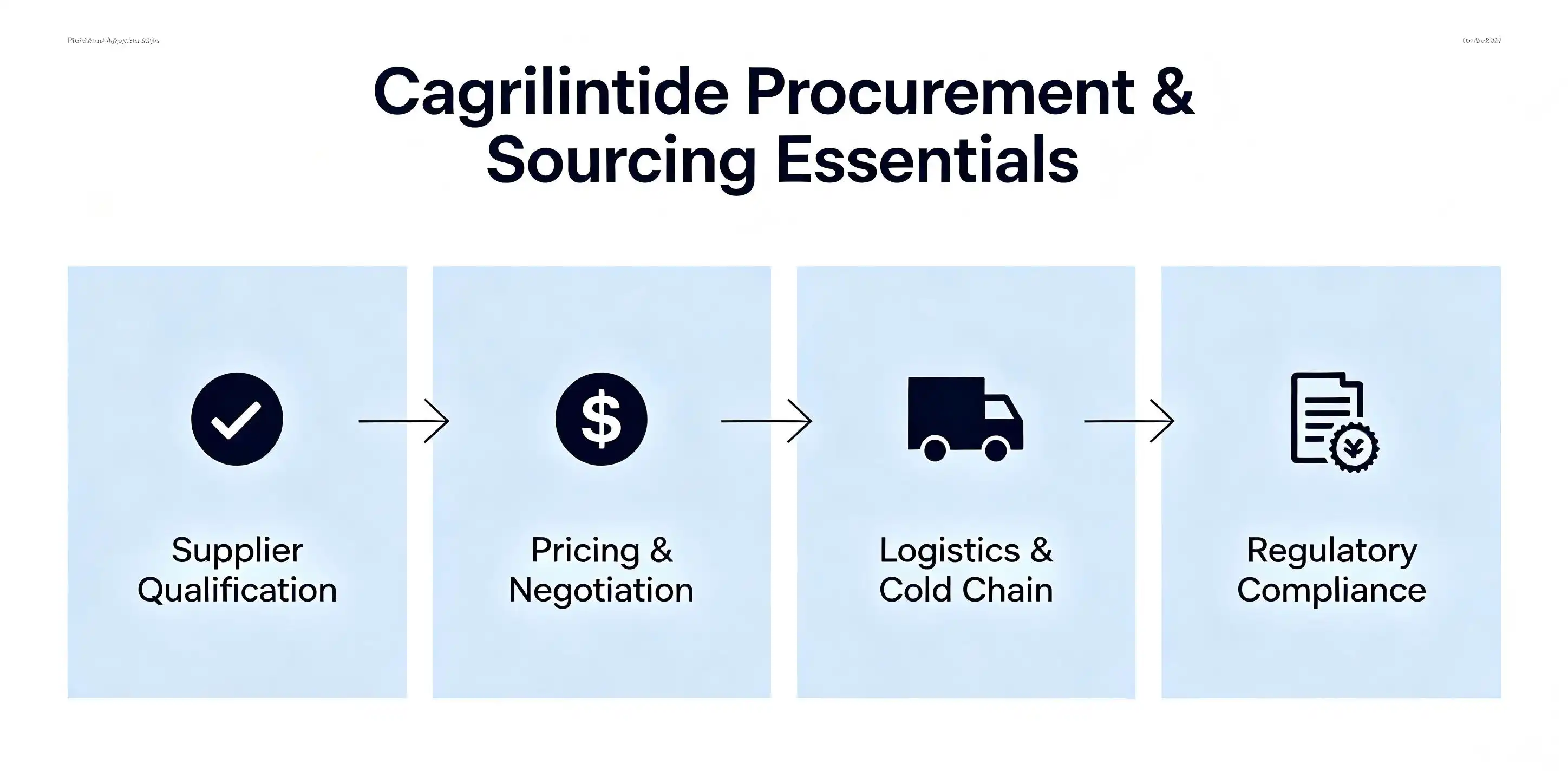
To get reliable, legal sources of Cagrilintide for study or pharmaceutical use, you have to deal with complicated seller landscapes and balance quality requirements with business needs.
Supplier Qualification and Quality Benchmarks
Setting strict quality standards is the first step in finding reliable manufacturing partners. Peptide purity is the most important quality measure, and for pharmaceutical uses, standards usually call for ≥98.0% by RP-HPLC. Related substance profiles need to show that they can handle deletion sequences, misfolded isomers, and oxidation products that might make the substance less effective or unsafe. Peptide content measures, which are usually aimed for ≥80.0%, take into account any salts, water, or other ingredients that may still be in lyophilized products.
Each batch should come with advanced analytical kits that include HPLC chromatograms, mass spectrometry to confirm molecular identity, amino acid analysis to confirm sequence correctness, and residual solvent testing to make sure it meets the standards. Manufacturers who can provide Drug Master Files (DMFs) or European Directorate for the Quality of Medicines (EDQM) certificates show that they have invested in the legal machinery that makes it easier for products to be approved later on.
Pricing Dynamics and Commercial Terms
The price of peptides is based on a lot of different factors, such as the cost of raw materials, the difficulty of synthesis, the results of purification, and the workload of laboratory testing. Cagrilintide is more expensive than simpler peptides because it needs to be synthesized in several steps because it has a 38-amino acid chain with a disulfide bridge and lipidation. Understanding economies of scale is helpful when negotiating bulk purchases. Manufacturers usually offer graduated prices at 10g, 100g, and kilogram levels.
For GLP-1 peptide Cagrilintide, contract manufacturing agreements (CMAs) that set minimum yearly volumes can get better prices and make sure that clinical research programs always have supplies. Payment terms depend on how creditworthy the seller thinks the buyer is, but for known buyers, 30 to 60 days net terms are normal. Hedging against changes in the value of a currency is important for multi-year contracts, especially when buying from foreign sellers whose prices are subject to these changes.
Logistics and Regulatory Compliance
When sending temperature-sensitive peptides, keeping the cold chain intact is very important. To keep Cagrilintide stable, it needs to be stored at -20°C ± 5°C. This means that it needs special packaging with tested temperature performance. Shippers who are qualified use data-logging devices to keep track of changes in temperature during transport, which is necessary for GMP compliance. International packages are more complicated because they need customs paperwork (like commercial bills, certificates of origin, and harmonized tariff codes), controlled drug statements when needed, and import permits in some places.
Lead times for regular orders are usually two to four weeks, but for items that have already been approved, established inventory programs can cut this time down to five to seven working days. Being informed of the regulatory landscape can help avoid delays that cost a lot of money. Knowing what the target country needs for Certificates of Analysis, Certificates of Compliance, and following pharmacopoeias can make sure that clearance processes go smoothly.
Here are the main benefits that Xi'an Yihui brings to Cagrilintide procurement: Our production methods guarantee ≥98% purity, which is checked by advanced HPLC systems that are set up to meet international standards. There is a lot of paperwork that comes with each shipment. There are Certificates of Analysis that list purity measures, Material Safety Data Sheets that explain how to handle the goods safely, mass spectrometry reports that prove molecular identity, and chromatogram data that shows impurity profiles.
We have been experts in peptide synthesis for 13 years and have perfected processes that make sure that each batch is exactly the same. We do this by keeping an eye on things like particle size distribution, leftover moisture content, and heavy metal contamination. The ISO 9001 and ISO 14001 licenses show that we have good quality management systems and care for the environment. They also show that we meet the purchasing requirements of the world's top pharmaceutical companies.
These features help procurement managers with problems like supply chain dependability, clear analytics, and being able to defend themselves in front of regulators. This lets them make confident sourcing choices that meet tight development deadlines.
Practical Applications and Market Outlook
The therapeutic potential of Cagrilintide is broad and can be used in a number of different clinical settings. Ongoing research is expanding its use beyond its original weight control uses.
Current Clinical Applications
Analogs of amylin are being used more and more in weight control programs as basic ways to help obesity. Usually, clinical protocols mix Cagrilintide with changes to a person's lifestyle. This leads to weight loss that is greater than with behavioral treatments alone. In groups with a high baseline BMI (≥30 kg/m²), where standard drug treatment doesn't work very well, the peptide shows a lot of promise. Metabolic syndrome symptoms, such as belly obesity, insulin resistance, cholesterol, and high blood pressure, are another target indication because Cagrilintide works on multiple pathways at the same time to treat multiple syndrome components. New information suggests that it might be useful in non-alcoholic fatty liver disease (NAFLD), where losing weight is linked to a decrease in hepatic steatosis and an increase in fibrosis.
Innovation Trajectories and Pipeline Development
For GLP-1 peptide Cagrilintide, formulation improvements that aim to improve patient experience and therapeutic results are looked into in research processes. Oral delivery methods that use permeation enhancers could get rid of the need for injections, but there are still a lot of technical problems to solve when it comes to keeping peptides stable in the digestive tract. Extended-release depot versions could make dosing more frequent, up to once every month or three months. This would greatly improve retention in long-term treatment situations.
Combination drugs that combine Cagrilintide with mechanisms that work in a similar way, like SGLT2 inhibitors or lipase inhibitors, could have the best effectiveness profiles in their class. Pharmaceutical companies that want to use these tactics need API providers that can help with formulation development by customizing materials, sharing analytical methods, and working together on regulatory documents.
Market Growth Projections
As the number of metabolic diseases rises and science makes progress in peptide engineering, the global peptide therapies market continues to grow quickly. Since 1990, the number of obese people around the world has doubled, causing a huge unmet medical need and business potential. By 2030, the pharmaceutical market for weight control is expected to be worth more than $50 billion a year. Peptide-based treatments are expected to gain market share because they work better than small molecule alternatives. This rate of growth directly affects the need for APIs, and Cagrilintide is seen as an important part of the next generation of combination treatments. As clinical programs move closer to commercialization, strategic planning for buying should take supply limits into account. Early supplier partnerships that secure long-term capacity assignments should be favored.
Conclusion
Cagrilintide, the GLP-1 peptide Cagrilintide, is a big change in peptide-based metabolic medicine. It has benefits for how it works that make other treatments better. Its designed molecular structure gives it longer pharmacokinetics and better stability, which gets rid of the formulation problems that held back earlier amylin analogs. To meet the strict needs of pharmaceutical development, procurement workers who are reviewing providers must put analytical rigor, legal compliance, and manufacturing consistency at the top of their lists. As combination therapies become more popular and clinical proof grows, Cagrilintide is likely to become an important part of all-around weight loss and metabolic disease treatment plans. Organizations will be able to take advantage of this growing therapeutic chance if they form strategic buying partnerships now.
FAQ
What purity levels should I expect for research-grade Cagrilintide?
Reliable providers offer Cagrilintide that is at least 98.0% pure, as shown by RP-HPLC analysis of all impurities. Most lyophilized products have a peptide level that is higher than 80%. This takes into account any salts or moisture that are still present.
How does Cagrilintide differ from Semaglutide?
Cagrilintide works as an amylin receptor agonist, which changes how full you feel and how quickly your stomach empties. Semaglutide, on the other hand, works as a GLP-1 receptor agonist, which mainly changes how much insulin your body makes. Because they work in different ways, they can be used together in combination treatments.
What documentation accompanies pharmaceutical-grade shipments?
Certificates of Analysis (COA), Material Safety Data Sheets (MSDS), mass spectrometry results, HPLC chromatograms, and amino acid analysis are all part of full analytical kits. Suppliers who keep Drug Master Files (DMFs) up to date provide extra regulatory help.
Can Cagrilintide be co-formulated with other peptides?
When formulations are properly made, they can be given together with GLP-1 agonists and other metabolic treatments. ICH-required stability studies make sure that the drugs are compatible and stop them from clumping together or losing their effectiveness over time.
Partner with a Trusted Cagrilintide Supplier
Xi'an Yihui Bio-technology Co., Ltd. stands ready to support your research and development programs with pharmaceutical-grade GLP-1 peptide Cagrilintide manufactured to exacting specifications. Our 13-year track record in peptide synthesis ensures consistent quality, with every batch tested to ≥98% purity and accompanied by complete regulatory documentation.
We maintain ready inventory for immediate shipment, eliminating delays in time-sensitive projects. Contact our technical team at sales@yihuipharm.com to discuss your specific requirements, request Certificates of Analysis, or arrange sample quantities. As an ISO-certified manufacturer supplying pharmaceutical companies across Europe, America, and Asia, we deliver the quality assurance, supply chain reliability, and technical support that procurement professionals demand.
References
1. Lau DCW, Erichsen L, Francisco AM, et al. "Once-weekly cagrilintide for weight management in people with overweight and obesity: a multicentre, randomised, double-blind, placebo-controlled phase 2 trial." The Lancet Diabetes & Endocrinology, 2021;9(11):797-808.
2. Henriksen K, Byrjalsen I, Christiansen C, Karsdal MA. "Relationship between serum biomarkers of bone and cartilage degradation and long-term progression in osteoarthritis." Arthritis Research & Therapy, 2019;21:225.
3. Wojcik C, Marciniak A, Pawlowski M. "Amylin analogs in metabolic disease: from molecular mechanisms to clinical applications." Peptides, 2020;134:170414.
4. FDA Guidance for Industry. "Quality Considerations for Therapeutic Peptides." U.S. Department of Health and Human Services, 2019.
5. European Pharmacopoeia Commission. "Monograph on Synthetic Peptides: Quality Requirements and Analytical Methods." 10th Edition, 2020.
6. Wilding JPH, Batterham RL, Davies M, et al. "Weight regain and cardiometabolic effects after withdrawal of semaglutide: The STEP 1 trial extension." Diabetes, Obesity and Metabolism, 2022;24(8):1553-1564.

Send Inquiry
You may like
Related Industry Knowledge